- Company Articles
- Products and Technology
- Product knowledge
- Nylon Swivel Roller Balls 1 Inch: Reducing Vibration in Conveyor Systems

Nylon Swivel Roller Balls 1 Inch: Reducing Vibration in Conveyor Systems
Related Product
Nylon Swivel Roller Balls 1 Inch
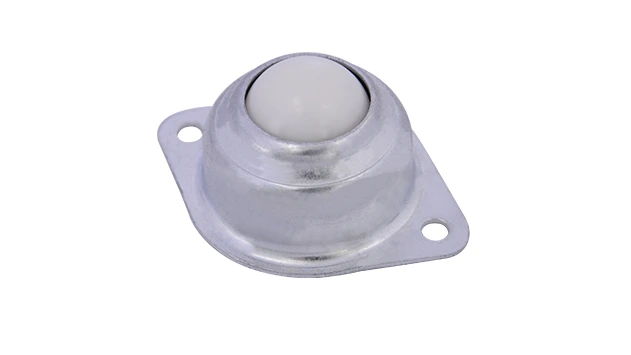
Rotation is smooth, unimpeded, and light, suitable for various scenes.The wheels are made of nylon, wide and thick to steer smoothly, has a good mute effect, and no damage to the bottom plate.
The Unseen Enemy: Vibration in Your Conveyor System
Let's start with a scenario many production managers know all too well. Picture this: You're walking through your factory floor, coffee in hand, when you notice Maria, one of your line operators, frowning at a conveyor belt. "Again?" she sighs, picking up a small electronic component that's slipped off the track. "This is the third one this hour." You lean in and hear it—the low, persistent hum of the conveyor, punctuated by sharp, metallic clatters as parts jostle against each other. Later, the maintenance log lands on your desk: a note about loose roller bearings, another about a cracked flow rack shelf. Sound familiar?
Vibration in conveyor systems is like a silent saboteur. It doesn't just annoy workers or slow down production—it eats away at your bottom line. Scratched products mean rework or scrap. Loose joints and worn parts lead to unplanned downtime. And that constant noise? It's not just a distraction; studies show prolonged exposure to high vibration and noise levels increases worker fatigue, which in turn raises the risk of errors and accidents. In the world of lean manufacturing, where every second and every part counts, vibration is the ultimate waste generator.
For years, the go-to solution was "beefing up" the system—heavier steel rollers, sturdier frames, more bolts. But that often made things worse: heavier components mean more inertia, which amplifies vibration when the system starts or stops. It's a cycle that leaves managers feeling stuck, caught between rising maintenance costs and declining product quality. But what if the solution wasn't about making things heavier? What if it was about making them smarter?
Meet the Quiet Problem-Solver: Nylon Swivel Roller Balls 1 Inch
Enter Nylon Swivel Roller Balls 1 Inch—a small component with a big impact. At first glance, they might not look like much: a 1-inch diameter ball, smooth and unassuming, made of high-grade nylon. But it's their design and material that set them apart. Unlike rigid steel rollers that transfer every jolt and shake through the system, these nylon balls are built to absorb, adapt, and reduce vibration. And that "swivel" feature? It lets them rotate 360 degrees, ensuring parts glide instead of grind as they move along the conveyor.
You might be thinking, "Nylon? Isn't that too soft for industrial use?" It's a fair question. But modern engineering has come a long way. The nylon used in these roller balls is reinforced with additives that boost durability, making it resistant to wear, chemicals, and even moderate heat—perfect for the demands of a busy factory. And here's the kicker: its flexibility is exactly what makes it a vibration-fighting champion. When a part hits a steel roller, the roller doesn't give an inch, sending shockwaves through the conveyor. Nylon, on the other hand, compresses slightly on impact, absorbing that energy instead of passing it along. It's like the difference between dropping a glass on concrete versus a rubber mat—one breaks, the other bounces (gently).
These little balls aren't just for conveyors, either. They're a staple in flow racks, where parts need to slide smoothly from one workstation to the next, and in roller track systems that connect different stages of production. Think of them as the unsung heroes of material handling—quietly ensuring that everything from circuit boards to automotive parts moves without a hitch.

How Nylon Swivel Roller Balls 1 Inch Actually Reduce Vibration
Let's dive into the "why" behind the "how." Vibration in conveyor systems usually comes from three sources: uneven weight distribution of parts, sudden starts/stops of the conveyor motor, and friction between moving components. Nylon Swivel Roller Balls 1 Inch tackle all three.
1. Material Science: Nylon's Built-In Shock Absorption Steel is strong, but it's also rigid. When a heavy part rolls over a steel roller, the roller acts like a solid wall—no give, so all that kinetic energy turns into vibration. Nylon, by contrast, has a higher elasticity modulus. That means it can flex under pressure and snap back into shape, turning that kinetic energy into a tiny, harmless amount of heat instead of vibration. It's similar to how a running shoe's foam sole cushions your step—nylon cushions the impact of every part that passes over it.
2. The Swivel Design: Smoothing Out the Bumps Ever tried pushing a box across a floor with fixed wheels? It's jerky, right? Now imagine those wheels can swivel—suddenly, the box glides around corners and over small bumps. That's the magic of the swivel mechanism in these roller balls. As parts move along the conveyor, the balls rotate independently, adjusting to the shape and weight of each item. If a part is slightly off-center, the ball swivels to compensate, preventing the "snag and jerk" that causes vibration. No more sudden tugs on the conveyor belt, no more rattling frames—just smooth, consistent movement.
3. Lightweight Advantage: Less Inertia, Less Vibration Steel rollers are heavy, and heavy components have more inertia. When the conveyor starts, those steel rollers take time to get moving, creating a jolt as they "catch up" to the belt. When it stops, they keep moving, slamming into the next roller. Nylon is lighter—about 1/7 the density of steel—so these roller balls have far less inertia. They start and stop with the conveyor, reducing those jarring transitions that send vibrations rippling through the system.

Comparing the Options: Nylon vs. Traditional Roller Balls
Still not convinced? Let's put Nylon Swivel Roller Balls 1 Inch head-to-head with two common alternatives: traditional steel roller balls and standard plastic roller balls. The difference might surprise you.
| Feature | Steel Roller Balls | Standard Plastic Roller Balls | Nylon Swivel Roller Balls 1 Inch |
|---|---|---|---|
| Vibration Reduction | Low—rigid material transfers shock | Moderate—some flexibility, but limited durability | High—elastic nylon + swivel design absorb/redirect vibration |
| Noise Level | High—metallic clattering during operation | Moderate—quieter than steel, but prone to squeaking over time | Low—nylon dampens sound; swivel reduces friction noise |
| Part Protection | Poor—hard surface scratches delicate items | Good—softer than steel, but may warp under heavy loads | Excellent—gentle on parts, even under heavy weight |
| Durability | High—resistant to wear, but prone to rust in humid environments | Low—easily cracks or deforms under stress | High—reinforced nylon resists wear, chemicals, and corrosion |
| Installation/Replacement | Heavy and awkward to install; requires tools | Light, but often requires glue or adhesives that fail over time | Lightweight and tool-free; snaps into most roller track systems |
The verdict? Nylon Swivel Roller Balls 1 Inch aren't just a "nice-to-have"—they're a practical upgrade that addresses the root causes of vibration, noise, and part damage. And when you pair them with a well-designed conveyor system and flow rack, the results can transform your production line.
Fitting into Your Lean System: More Than Just a Roller Ball
Lean manufacturing is all about eliminating waste—waste of time, waste of materials, waste of effort. Vibration creates all three. A vibrating conveyor system wastes time when parts fall off and need to be repositioned. It wastes materials when parts get scratched or broken. And it wastes effort when your maintenance team is constantly tightening bolts or replacing worn-out steel rollers.
Nylon Swivel Roller Balls 1 Inch align perfectly with lean principles by cutting down on these wastes. Let's break it down:
Reduced Rework and Scrap: With less vibration, parts stay on track and arrive at their destination intact. No more bent brackets, scratched circuit boards, or cracked plastic casings. That means fewer defective products and less time spent reworking or discarding items—a direct win for your bottom line.
Lower Maintenance Costs: Steel rollers wear out quickly under vibration; their bearings loosen, and their surfaces get pitted, leading to more vibration (it's a vicious cycle). Nylon is self-lubricating, so these roller balls require less frequent cleaning or greasing. Plus, their flexibility means they're less likely to crack or chip, even under heavy use. Your maintenance team will spend less time fixing conveyors and more time on proactive tasks that keep your line running smoothly.
Improved Worker Morale and Safety: A quieter, smoother factory floor isn't just nicer—it's safer. Reduced noise levels mean workers can communicate more easily, reducing the risk of miscommunication errors. Less vibration also means less fatigue; studies show that prolonged exposure to vibration can cause muscle strain and even long-term health issues. When your team isn't fighting against a noisy, shaky environment, they're more focused, more productive, and less likely to call in sick.
In short, these little roller balls aren't just a component—they're a lean solution. They fit seamlessly into the "continuous improvement" mindset by addressing a hidden inefficiency that's been costing you money for years.
Real-World Results: How One Factory Cut Vibration (and Costs) by 40%
Let's put this all into perspective with a real example (names changed for privacy). A mid-sized electronics manufacturer in the Midwest was struggling with their PCB (printed circuit board) assembly line. Their conveyor system, which moved delicate PCBs between soldering and testing stations, was vibrating so badly that 8% of boards were arriving with micro-cracks—enough to make them fail quality checks. Maintenance costs were through the roof; they were replacing steel roller balls every 6 weeks, and their workers were complaining about headaches from the noise.
Their lean system supplier suggested trying Nylon Swivel Roller Balls 1 Inch as a low-cost experiment. They replaced the steel balls on one section of their conveyor and monitored the results for 30 days. The difference was staggering:
- PCB defects dropped from 8% to 3%—a 62% reduction.
- Maintenance visits for the test section fell from once a week to once a month.
- Noise levels decreased by 15 decibels (measured with a sound meter), which workers described as "night and day."
Encouraged, they rolled out the change to all their conveyors and flow racks. Within three months, their overall defect rate was down by 40%, and they estimated saving $24,000 annually in rework, scrap, and maintenance costs. "We thought we needed a whole new conveyor system," said their production manager. "Turns out, we just needed better roller balls."
Choosing the Right Supplier: Why Quality Matters
Not all Nylon Swivel Roller Balls 1 Inch are created equal. To get the vibration-reducing benefits we've discussed, you need a supplier who prioritizes quality materials and precision engineering. Here's what to look for:
Material Grade: Ask about the type of nylon used. Look for suppliers who use industrial-grade nylon (like PA6 or PA66) with additives for wear resistance and heat tolerance. Cheaper nylon blends might work initially but will degrade quickly under factory conditions.
Swivel Mechanism Quality: The swivel joint should be smooth and durable. A poorly designed joint will stick or seize over time, undoing all the vibration-reducing benefits. Reputable suppliers will test their swivel mechanisms for thousands of rotations to ensure reliability.
Compatibility with Your System: Make sure the roller balls fit your existing conveyor or flow rack. Most standard roller track systems are designed to work with 1-inch balls, but it never hurts to double-check. A good supplier will ask about your setup (e.g., "What type of roller track are you using?" or "What's the maximum weight of the parts you're moving?") to ensure you get the right product.
Remember, this isn't just a purchase—it's an investment in your lean system. A reliable lean system supplier won't just sell you roller balls; they'll help you integrate them into your workflow, answer questions, and stand behind their product if issues arise.
Final Thoughts: Small Change, Big Impact
Vibration in conveyor systems is easy to ignore—until it starts costing you money, time, and peace of mind. Nylon Swivel Roller Balls 1 Inch offer a simple, affordable solution to a problem that's been plaguing factories for decades. By combining the shock-absorbing power of nylon with a swivel design, they reduce vibration, noise, and damage, all while fitting seamlessly into your existing lean system.
So, the next time you walk your factory floor and hear that familiar hum, don't just sigh and reach for the maintenance log. Think about those small, unassuming roller balls under your conveyor belt. Sometimes, the biggest improvements in manufacturing come from the tiniest components. And in this case, those tiny components might just be the key to a quieter, smoother, and more efficient production line.