- Company Articles
- Products and Technology
- Product knowledge
- Nylon Swivel Roller Balls 1 Inch: Rust Resistance for Humid Environments

Nylon Swivel Roller Balls 1 Inch: Rust Resistance for Humid Environments
Related Product
Nylon Swivel Roller Balls 1 Inch
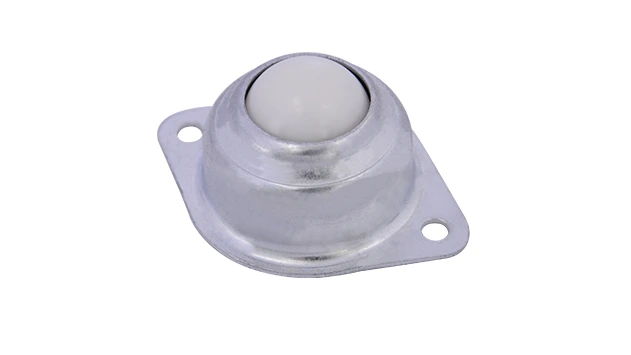
Rotation is smooth, unimpeded, and light, suitable for various scenes.The wheels are made of nylon, wide and thick to steer smoothly, has a good mute effect, and no damage to the bottom plate.
In the world of manufacturing and industrial workflows, it's often the smallest components that keep operations running smoothly. From the conveyor belts that move products across the factory floor to the workbenches where assembly line workers spend hours crafting intricate parts, every piece has a role to play. But in environments where humidity runs high—think coastal factories, food processing plants, or warehouses with poor ventilation—one silent enemy can bring even the most well-oiled systems to a grinding halt: rust. That's where nylon swivel roller balls 1 inch come into play, offering a simple yet powerful solution to keep things moving without the risk of corrosion.
If you've ever walked through a busy production facility, you've probably seen these unassuming little spheres at work, even if you didn't realize it. They're the smooth-rolling components under bins on a workbench, the gliding mechanism in a roller track that sends materials from one station to the next, or the quiet helpers in an ESD workstation that ensure sensitive electronics aren't damaged by static or rust. Today, we're diving deep into what makes nylon swivel roller balls 1 inch such a game-changer, especially in humid environments, and why they've become a staple for lean pipe systems and industrial setups worldwide.
The Problem with Humidity: Why Rust Isn't Just a Cosmetic Issue
Before we talk about the solution, let's understand the problem. Humidity—moisture in the air—loves to interact with metal. When metal components like steel roller balls are exposed to high humidity, a chemical reaction occurs: oxygen and water molecules react with the metal to form iron oxide, better known as rust. At first glance, rust might seem like nothing more than a flaky, reddish-brown coating, but its impact goes far beyond aesthetics.
Rust weakens metal over time, turning strong, smooth surfaces into rough, pitted ones. On a roller ball, this roughness means friction increases. What was once a seamless glide becomes a jerky, noisy movement. In a production line, that jerking can slow down workflows, damage delicate materials, or even cause jams that require costly downtime to fix. Worse, in environments like food processing or pharmaceuticals, rust flakes can contaminate products, leading to safety violations and recalls. For ESD workstations, where static control is critical, rust can disrupt electrical conductivity, putting sensitive components at risk of damage.
So, what's the alternative? For years, manufacturers turned to stainless steel, hoping its chromium content would fend off rust. And while stainless steel does resist corrosion better than regular steel, it's not foolproof—especially in extremely humid or salty environments (like coastal areas, where saltwater mist accelerates rusting). Plus, stainless steel is heavier and more expensive, adding unnecessary bulk and cost to systems that don't require ultra-high load capacities. That's where nylon stepped in, offering a lightweight, affordable, and rust-proof alternative that checks all the boxes for modern industrial needs.
What Are Nylon Swivel Roller Balls 1 Inch, Exactly?
Let's start with the basics: what are these components, and why does their size matter? Nylon swivel roller balls 1 inch are small, spherical components made from nylon—a synthetic polymer known for its durability, flexibility, and resistance to moisture. The "1 inch" refers to their diameter, a common size that balances load capacity with versatility. Unlike fixed roller balls, "swivel" means they can rotate 360 degrees, allowing for smooth movement in any direction—perfect for applications where materials need to glide, turn, or pivot without getting stuck.
Nylon itself is the star here. Unlike metal, nylon doesn't react with water or oxygen, so it never rusts. It's also lightweight, which reduces strain on the systems it's part of—think of a lean pipe workbench where workers slide bins back and forth all day; lighter components mean less effort and fatigue. Nylon is also self-lubricating, thanks to its low friction coefficient, so it doesn't require constant oiling or maintenance to keep rolling smoothly. And because it's a plastic, it won't scratch or mar delicate surfaces, making it ideal for use with sensitive products like electronics or polished metal parts.
But why 1 inch specifically? Roller balls come in various sizes, from tiny 0.5-inch options for light-duty tasks to larger 2-inch models for heavy loads. The 1-inch size hits a sweet spot: it can handle moderate weights (typically up to 50-75 pounds per ball, depending on the design) while remaining compact enough to fit into tight spaces. Whether you're building a material rack, a turnover trolley, or a custom workbench, 1-inch roller balls provide enough stability without taking up extra room—a key consideration in lean systems, where space efficiency is everything.

Nylon vs. Steel vs. Plastic: How They Stack Up in Humid Environments
To truly appreciate why nylon swivel roller balls 1 inch are a top choice for humid environments, let's compare them to two common alternatives: steel and generic plastic. We'll break down their performance in key areas like rust resistance, durability, and cost to see how nylon comes out on top.
| Feature | Nylon Swivel Roller Balls (1 Inch) | Steel Roller Balls | Generic Plastic Roller Balls |
|---|---|---|---|
| Rust Resistance | Excellent—no rust, even in 100% humidity | Poor to Fair—prone to rust in high humidity; stainless steel is better but not perfect | Good—no rust, but some plastics absorb moisture and degrade over time |
| Load Capacity | Moderate—handles 50-75 lbs per ball (varies by design) | High—can support hundreds of pounds per ball | Low—often limited to 20-30 lbs per ball |
| Friction & Movement | Low friction—self-lubricating, smooth swivel | Medium to High—requires oiling; rust increases friction over time | Variable—some plastics are sticky; prone to cracking with repeated movement |
| Cost | Moderate—more affordable than stainless steel, slightly pricier than generic plastic | High—especially stainless steel; requires ongoing maintenance costs | Low—cheap upfront, but needs frequent replacement |
| Best For | Humid environments, ESD workstations, lean pipe systems, workbenches, roller tracks | Heavy-load, dry environments (e.g., automotive manufacturing with low humidity) | Light-duty, short-term use (e.g., temporary storage racks in dry warehouses) |
As the table shows, nylon swivel roller balls 1 inch excel where it matters most for humid environments: rust resistance. Steel, even stainless steel, can't compete here—over time, humidity will find a way to corrode even the toughest metals. Generic plastic might avoid rust, but it often lacks the durability and load capacity needed for daily industrial use. Nylon, on the other hand, offers the best of both worlds: no rust, enough strength for most applications, and low maintenance. It's no wonder that lean system suppliers and manufacturers in humid regions have started making nylon their go-to material.

Applications: Where Nylon Swivel Roller Balls 1 Inch Shine
Now that we know why these roller balls are so effective, let's look at where they're actually used. From the factory floor to the warehouse, nylon swivel roller balls 1 inch are quietly improving efficiency in more ways than you might think.
Workbenches: Making Assembly Line Work Easier
Walk up to any modern workbench in a manufacturing plant, and you'll likely find a grid of small, round indentations—those are roller ball mounts. Nylon swivel roller balls 1 inch fit into these mounts, turning the workbench surface into a low-friction zone where bins, tools, and even (semi-finished products) can slide effortlessly. For assembly line workers, this means less time struggling to move heavy containers and more time focusing on the task at hand. In humid environments, where a steel roller ball might start sticking after a few weeks of moisture exposure, nylon stays smooth, reducing frustration and keeping productivity high.
Take an ESD workstation, for example, where workers assemble circuit boards or delicate electronic components. Static control is critical here, but so is preventing rust—even a tiny rust flake could short-circuit a motherboard. Nylon roller balls not only avoid rust but also don't conduct electricity, adding an extra layer of protection against static damage. Plus, their smooth surface won't scratch the anti-static mats or sensitive parts, ensuring products stay in pristine condition.
Roller Tracks: Keeping Materials Flowing in Lean Systems
Lean manufacturing is all about minimizing waste and maximizing efficiency, and roller tracks are a cornerstone of this philosophy. These tracks use roller balls to gravity-feed materials from one workstation to the next—no motors, no extra energy, just the natural flow of products. In a lean pipe system, where components are often custom-built using aluminum or steel pipes and joints, roller tracks with nylon swivel roller balls 1 inch are a popular choice because they're easy to install, adjust, and maintain.
Imagine a food processing plant where ingredients need to move from the prep area to the packaging line. Humidity is high here to keep produce fresh, but that moisture would quickly corrode steel roller balls, leading to jams and spoiled ingredients. Nylon roller balls, however, keep the track moving smoothly, even in steamy conditions. They're also easy to clean—just wipe them down with a damp cloth—unlike metal, which might require harsh chemicals that could contaminate food. For lean system suppliers, this reliability makes nylon roller balls a selling point: they can promise customers a low-maintenance, long-lasting solution that aligns with lean principles of continuous improvement.
Material Racks and Turnover Trolleys
Material racks and turnover trolleys are workhorses in warehouses, storing everything from raw materials to finished goods. When these racks have shelves or surfaces fitted with nylon swivel roller balls 1 inch, loading and unloading becomes a breeze. Instead of lifting heavy boxes, workers can glide them onto the rack or trolley with minimal effort. In humid warehouses, where metal racks might develop rust spots that stain or damage products, nylon roller balls keep surfaces clean and corrosion-free. They're also quiet—no more squeaking metal-on-metal sounds as boxes are moved, which makes for a more pleasant work environment.
Why Nylon Swivel Roller Balls 1 Inch Are a Smart Investment
At this point, you might be thinking, "Nylon sounds great, but isn't it more expensive than generic plastic?" It's true—nylon roller balls do cost a bit more upfront than cheap plastic alternatives. But when you factor in their lifespan and lack of maintenance, they're actually a budget-friendly choice in the long run. Let's break it down:
Less downtime: Rusty steel roller balls or cracked plastic ones lead to jams, which mean stopping production to fix the problem. Every minute of downtime costs money—labor, missed deadlines, potential product loss. Nylon roller balls rarely fail, so you spend less time repairing and more time producing.
Lower maintenance costs: Steel roller balls need regular oiling to prevent rust and keep them rolling. Nylon? It's self-lubricating, so you can install it and forget it. No need to stock up on lubricants or pay for maintenance crews to service the system.
Fewer replacements: Generic plastic roller balls might crack or wear out after a few months of heavy use, especially in humid conditions where moisture can cause the plastic to degrade. Nylon, on the other hand, is tough—it can handle years of daily use without showing signs of wear. That means fewer trips to order replacements and less waste from discarded components.
For small businesses and large factories alike, these savings add up. A lean pipe workbench fitted with nylon swivel roller balls 1 inch might cost $50 more upfront than one with plastic balls, but if it lasts five times longer and avoids a single day of downtime, it's already paid for itself.
Real-World Success Stories: Nylon Roller Balls in Action
Don't just take our word for it—let's look at how nylon swivel roller balls 1 inch have transformed operations for real businesses.
Case Study 1: Coastal Electronics Manufacturer
A mid-sized electronics company in Miami, Florida, was struggling with frequent jams on their ESD workstations. The factory, located just a mile from the ocean, had high humidity year-round, and the steel roller balls on their workbench surfaces were rusting within weeks. Workers were spending hours each week cleaning and oiling the balls, and jams were causing delays in shipping orders. After switching to nylon swivel roller balls 1 inch, the company saw an immediate improvement: jams dropped by 90%, maintenance time was cut in half, and workers reported less fatigue from pushing heavy bins. "We should have made the switch years ago," said the plant manager. "The nylon balls just work—no rust, no hassle, and our products are safer too."
Case Study 2: Bakery Warehouse
A commercial bakery in Seattle, Washington, uses roller tracks to move dough trays from the mixing area to the oven. The warm, moist environment was perfect for dough but terrible for the steel roller balls in their tracks, which would rust and stick, causing trays to tip and dough to spill. After replacing the steel balls with 1-inch nylon swivel roller balls, the tracks ran smoothly, even during the busiest holiday seasons. The bakery also noticed that cleaning the tracks was easier—nylon didn't trap flour the way steel did, reducing the risk of mold growth. "We used to have to shut down the line for an hour each night to clean the tracks," said the head baker. "Now we wipe them down in 10 minutes, and the balls still roll like new after six months."
Choosing the Right Nylon Swivel Roller Balls: What to Look For
Not all nylon swivel roller balls are created equal, so it's important to choose the right ones for your needs. Here are a few key factors to consider:
Nylon Grade: Look for high-quality nylon, like PA6 or PA66, which are more durable and heat-resistant than cheaper nylon blends. These grades can handle higher temperatures (up to 200°F for PA66) and heavier loads without deforming.
Load Capacity: Check the manufacturer's specs to ensure the balls can support the weight of your materials. Most 1-inch nylon roller balls can handle 50-75 lbs per ball, but if you're moving heavier items, look for reinforced models or consider using more balls to distribute the load.
Swivel Mechanism: A good swivel roller ball should rotate freely in all directions without sticking. Look for models with a smooth, sealed bearing (if applicable) to prevent dust and moisture from getting inside and causing friction.
Mounting Compatibility: Make sure the balls fit your existing workbench, roller track, or rack system. Most come with standard mounts that work with common lean pipe accessories, but it's always best to double-check measurements.
Supplier Reputation: Buy from a reputable lean pipe supplier or industrial component manufacturer. They'll have tested their products in real-world conditions and can provide support if you run into issues.
Maintenance Tips: Keeping Your Nylon Roller Balls Rolling
One of the best things about nylon swivel roller balls 1 inch is how little maintenance they require, but a little care can go a long way in extending their lifespan:
Clean Regularly: Wipe the balls down with a damp cloth to remove dust, dirt, or debris. For sticky substances (like oil or grease), use mild soap and water—avoid harsh chemicals, which can degrade nylon over time.
Check for Wear: Inspect the balls periodically for cracks, chips, or flattened spots. If a ball is damaged, replace it immediately to prevent jams or uneven movement.
Avoid Overloading: Stick to the manufacturer's load capacity guidelines. Overloading can cause the balls to deform or break, even with high-quality nylon.
Keep Them Dry (When Possible): While nylon resists moisture, prolonged submersion or exposure to extreme humidity can still cause some swelling over time. If you're not using the system for a while, wipe the balls dry to prevent buildup.
The Future of Nylon Swivel Roller Balls: Innovations on the Horizon
As manufacturing and industrial practices evolve, so too do the components that power them. Nylon swivel roller balls 1 inch are no exception. Manufacturers are constantly experimenting with new nylon blends to improve load capacity and heat resistance, making them suitable for even more applications. Some companies are adding anti-microbial additives to the nylon, which is a game-changer for food processing or medical device manufacturing, where hygiene is critical. Others are developing eco-friendly versions using recycled nylon, appealing to businesses looking to reduce their environmental footprint.
In the world of lean manufacturing, where customization is key, we're also seeing more modular roller ball systems that can be easily swapped out or reconfigured. Imagine a lean pipe workbench where you can mix and match 1-inch and 0.5-inch roller balls depending on the task at hand—all without tools. These innovations are making nylon roller balls even more versatile, ensuring they'll remain a staple in industrial workflows for years to come.
Final Thoughts: Small Component, Big Impact
Nylon swivel roller balls 1 inch might not be the most glamorous part of your industrial setup, but they're undoubtedly one of the most important—especially if you work in a humid environment. By avoiding rust, reducing maintenance, and keeping workflows smooth, they save time, money, and frustration, allowing you to focus on what really matters: producing high-quality products and growing your business.
Whether you're outfitting an ESD workstation, building a lean pipe system, or upgrading your roller tracks, don't overlook the power of these small, rust-resistant spheres. They're proof that sometimes, the best solutions are the simplest ones—and in the fight against humidity and rust, nylon swivel roller balls 1 inch are a champion you can count on.