Nylon Swivel Roller Balls 1 Inch: Surface Hardness & Wear Resistance
Related Product
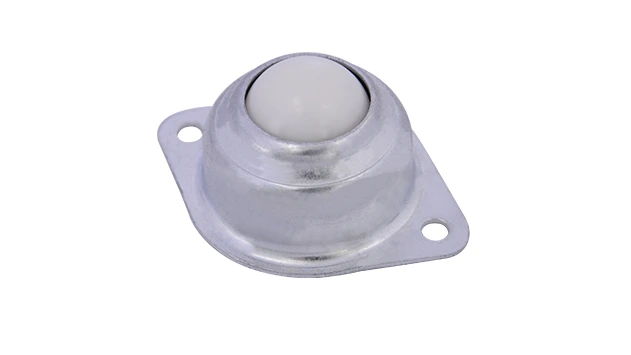
Nylon Swivel Roller Balls 1 Inch
Rotation is smooth, unimpeded, and light, suitable for various scenes.The wheels are made of nylon, wide and thick to steer smoothly, has a good mute effect, and no damage to the bottom plate.
Nylon Swivel Roller Balls 1 Inch

How these tiny components keep your lean system, flow racks, and conveyors running smoother, longer, and with less hassle

Meet Your Production Line's Quiet MVPs

Let's start with a scenario we've all lived (or worked) through: You're on the factory floor, and a cart loaded with delicate circuit boards needs to move from the assembly line to the testing station. The clock is ticking, and your team is counting on that cart to arrive on time. But as it hits the flow rack, something goes wrong. Instead of gliding smoothly, it jolts to a stop—stuck halfway, thanks to a worn-out roller ball that's lost its ability to spin. Suddenly, you're not just moving parts; you're troubleshooting, apologizing to the testing team, and watching precious minutes slip away.

Sound familiar? If you've ever dealt with material handling delays, you know the culprit is often the smallest, most overlooked parts. And today, we're shining a spotlight on one of those unsung heroes: nylon swivel roller balls 1 inch . These unassuming little spheres might not look like much, but they're the backbone of efficient lean systems, the secret to smooth-flowing conveyor belts, and the reason your flow racks don't turn into bottlenecks. Let's dive into why their surface hardness and wear resistance matter more than you think—and how choosing the right ones can transform your workflow.

What Even Is a Nylon Swivel Roller Ball 1 Inch?

First things first: Let's break down the basics. A swivel roller ball is exactly what it sounds like: a small, spherical component designed to rotate 360 degrees, allowing objects to slide or glide over it with minimal friction. The "1 inch" refers to its diameter—perfectly sized for medium-load applications, like moving boxes, components, or tools across workbenches, flow racks, or conveyor systems.

Now, why nylon? Unlike metal (think stainless steel) or rigid plastic, nylon brings a unique combo of benefits to the table: it's lightweight, corrosion-resistant (no rusting in humid warehouses!), and surprisingly tough. But what really sets it apart is how it balances hardness and flexibility. Nylon isn't brittle like some plastics, so it can absorb minor impacts without cracking. And it's not as heavy as steel, which means less strain on your roller tracks and joints over time.

But here's the kicker: Not all nylon roller balls are created equal. The difference between a roller ball that lasts 6 months and one that lasts 2 years? It all comes down to two key traits: surface hardness and wear resistance . Let's unpack why these matter—and how to spot a roller ball that's built to perform.

Surface Hardness: Why "Tough Skin" Prevents Costly Downtime

Imagine pressing your finger into a ripe tomato versus a rock. The tomato dents easily (low hardness), while the rock stays smooth (high hardness). Surface hardness, in technical terms, is a material's resistance to indentation or deformation when pressure is applied. For a nylon swivel roller ball 1 inch, this "tough skin" is critical—because every time a box, part, or cart glides over it, that ball is under pressure. If its surface is too soft, it'll start to dent or warp, and suddenly, that smooth rotation turns into a jerky, uneven mess.

So how do we measure this? Most manufacturers use the Shore D hardness scale , where higher numbers mean harder materials. For nylon roller balls, you'll typically see ratings between 70 and 85 Shore D. To put that in perspective: A rubber tire is around 60 Shore D (soft enough to grip the road), while a hard plastic like polycarbonate is around 85 (tough enough for eyeglass lenses). Nylon roller balls hover right in that sweet spot—hard enough to resist dents under load, but still flexible enough to avoid shattering on impact.

But what affects a nylon roller ball's surface hardness? It all starts with the manufacturing process. High-quality roller balls are made from glass-filled nylon —nylon mixed with tiny glass fibers that boost hardness without sacrificing flexibility. Cheaper options might skip the glass fibers, using pure nylon that's softer and more prone to wear. Then there's the molding process: If the ball isn't cooled evenly or is rushed through production, it might develop weak spots in its surface, leading to premature dents.

"We used to replace roller balls on our flow racks every 3 months—they'd get these little divots, and parts would catch on them," says Maria, a production supervisor at a electronics plant. "After switching to glass-filled nylon 1 inch balls with 80 Shore D hardness? We haven't replaced one in over a year. The difference is night and day."

The bottom line: Don't just take a supplier's word for "hard." Ask for the Shore D rating. Aim for 75–85 Shore D for most industrial applications—this ensures the ball can handle daily wear without deforming, keeping your roller track gliding smoothly.

Wear Resistance: The Secret to "Set It and Forget It" Performance

Surface hardness is about resisting dents, but wear resistance? That's about longevity . Wear resistance is a material's ability to withstand friction over time—think of it as how well the roller ball "holds its shape" after months (or years) of constant rotation and contact with other surfaces. A ball with low wear resistance will start to chip, scratch, or even flatten out, turning from a smooth sphere into a lumpy, inefficient mess.

So what makes nylon so good at resisting wear? For starters, nylon is naturally self-lubricating . Unlike metal, which needs oil or grease to reduce friction, nylon has a slippery surface that minimizes rubbing between the ball and the roller track. This means less heat buildup (heat accelerates wear!) and less need for maintenance. But manufacturers can boost this even further by adding additives like molybdenum disulfide (a dry lubricant) or silicone, which act like "armor" against friction.

To test wear resistance, labs often use the Taber Abrasion Test . Here's how it works: A sample of the material (in this case, a nylon roller ball) is rubbed against an abrasive wheel under controlled pressure. After a set number of rotations, the sample is weighed to see how much material was worn away. The less weight lost, the better the wear resistance. High-quality nylon roller balls lose minimal material in these tests—often less than 5mg after 10,000 cycles—meaning they'll keep rolling smoothly for years.

Real-world performance tells the same story. Take a conveyor system in a distribution center, where packages slide over roller balls 8 hours a day, 5 days a week. A low-wear-resistance ball might start showing signs of damage in 6 months—scratches on the surface, uneven rotation, even "flat spots" from constant pressure. But a high-wear-resistance nylon ball? It'll keep going strong, requiring fewer replacements and less downtime. And in lean systems, where every minute of downtime costs money, that's a game-changer.

Nylon vs. the Competition: Why It's Often the Best Bet

You might be thinking: "Why not just use stainless steel roller balls? They sound tougher." It's a fair question—stainless steel is undeniably hard (Shore D 90+!) and wear-resistant. But here's the catch: steel is heavy. If you're building a flow rack or roller track with dozens of roller balls, that extra weight adds up. Suddenly, your rack is harder to assemble, harder to move (if it's on casters), and puts more strain on the joints and supports holding it together. Plus, steel can rust in humid environments, and it's noisy—ever heard a steel roller ball clanking under a heavy load? Not exactly music to a factory worker's ears.

Then there's rigid plastic, like polypropylene. It's lightweight, but it's often softer than nylon (Shore D 65–70) and less wear-resistant. In high-load applications, plastic balls can crack or deform quickly. So where does nylon fit? It's the Goldilocks of roller ball materials: hard enough, wear-resistant enough, lightweight enough, and affordable enough for most industrial needs.

Material Surface Hardness (Shore D) Wear Resistance (Taber Test) Weight (per 1 inch ball) Best For
Nylon (Glass-Filled) 75–85 Low (3–5mg loss/10k cycles) 12g Flow racks, conveyors, lean systems (medium loads, daily use)
Stainless Steel 90+ Very Low (1–2mg loss/10k cycles) 35g Heavy loads, corrosive environments (but noisy/heavy)
Polypropylene (Plastic) 65–70 High (10–15mg loss/10k cycles) 10g Light loads, short-term use (not ideal for daily industrial use)

As you can see, nylon strikes that perfect balance—making it the go-to choice for lean system suppliers, flow rack manufacturers, and anyone who wants reliable performance without overspending or overcomplicating their setup.

Real-World Wins: How Nylon Roller Balls Transform Workflows

Enough theory—let's talk about real results. We spoke with three different teams to see how upgrading to high-quality nylon swivel roller balls 1 inch changed their day-to-day operations.

Case 1: Automotive Parts Manufacturer (Flow Racks)
A mid-sized auto parts plant was struggling with their flow racks, which held heavy metal components (think: brake calipers, engine brackets). Their old plastic roller balls were cracking under the weight, leading to weekly jams. After switching to glass-filled nylon 1 inch balls (80 Shore D hardness), they saw a 70% drop in jams. "We used to have a guy dedicated to unjamming racks—now he's free to focus on other tasks," says their operations manager, Jake. "And we're replacing roller balls 80% less often. The ROI? It paid for itself in 3 months."

Case 2: E-Commerce Fulfillment Center (Conveyor System)
A fulfillment center handling 50,000 packages a day had conveyor belts with stainless steel roller balls. The problem? Noise. Workers were complaining about headaches, and the constant clanking made communication hard. They switched to nylon roller balls, and noise levels dropped by 40%. "It's not just quieter—it's calmer," says a warehouse associate, Lina. "And we haven't noticed any drop in performance. Packages still glide just as fast, but now we can actually hear each other talk."

Case 3: Electronics Assembly Line (Lean System)
A tech company with a lean system (think: just-in-time production) needed precision. Their old roller balls were wearing unevenly, causing tiny shifts in component alignment during assembly. After upgrading to nylon balls with molybdenum disulfide additives (for extra wear resistance), their defect rate dropped by 15%. "When parts move exactly where they're supposed to, every time, it eliminates so much waste," says their lean coordinator, Raj. "These roller balls might be small, but they're a cornerstone of our efficiency."

How to Choose the Right Nylon Swivel Roller Balls 1 Inch for Your Needs

Now that you know why surface hardness and wear resistance matter, how do you pick the right roller balls for your setup? Here's a quick checklist to guide you:

  • Check the Shore D hardness : Aim for 75–85 for most industrial uses. If you're handling very heavy loads (200+ lbs per ball), lean toward the higher end (80–85).
  • Look for additives : Glass fiber (boosts hardness), molybdenum disulfide (boosts wear resistance), or UV stabilizers (if using outdoors) are all good signs.
  • Ask about testing : Reputable suppliers will share Taber abrasion test results or Shore D ratings. If a supplier can't provide this data, walk away—they might be cutting corners.
  • Consider your environment : Humid? Nylon is corrosion-resistant, so you're good. Extreme temperatures? Ask about heat-stabilized nylon (it can handle up to 250°F).
  • Don't skimp on the supplier : A reliable lean system supplier or roller track supplier will understand your needs and the right ball for your application. Avoid generic "one-size-fits-all" options—your workflow is unique, and your roller balls should be too.

And remember: Maintenance matters too! Even the best roller balls need a little love. Wipe them down with a dry cloth monthly to remove dust (dust acts like sandpaper, accelerating wear), and check for cracks or uneven wear every quarter. Catching a worn ball early prevents jams later.

Final Thoughts: Small Parts, Big Impact

Nylon swivel roller balls 1 inch might not be the flashiest components in your lean system, flow rack, or conveyor—but they're some of the most critical. Their surface hardness keeps them dent-free and smooth, while their wear resistance ensures they last through months (or years) of nonstop use. And when you choose the right ones? You're not just buying a part—you're buying peace of mind. No more jams, no more rush replacements, no more watching your team's productivity grind to a halt over something small.

So the next time you walk through your warehouse or factory floor, take a second to appreciate those little spheres. They're not just rolling—they're keeping your operation moving forward. And in the world of lean manufacturing, that's worth its weight in gold.

Ready to upgrade? Start by talking to a trusted lean system supplier who specializes in material handling components. Ask about their nylon swivel roller balls 1 inch—specifically, their Shore D hardness, wear resistance ratings, and real-world performance data. Your team (and your bottom line) will thank you.


Get In Touch with us

Hey there! Your message matters! It'll go straight into our CRM system. Expect a one-on-one reply from our CS within 7×24 hours. We value your feedback. Fill in the box and share your thoughts!