- Company Articles
- Products and Technology
- Product knowledge
- Nylon Swivel Roller Balls 1 Inch: UV Resistance for Outdoor Warehousing

Nylon Swivel Roller Balls 1 Inch: UV Resistance for Outdoor Warehousing
Related Product
Nylon Swivel Roller Balls 1 Inch
Rotation is smooth, unimpeded, and light, suitable for various scenes.The wheels are made of nylon, wide and thick to steer smoothly, has a good mute effect, and no damage to the bottom plate.
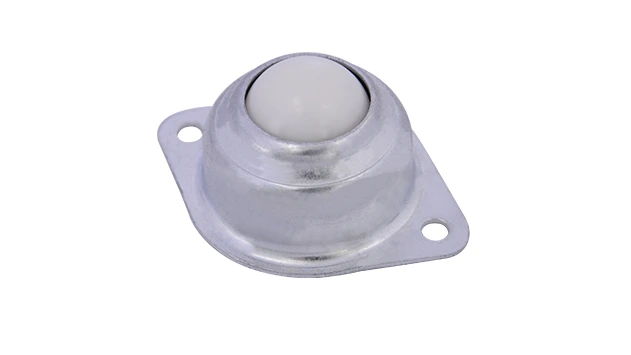
Outdoor warehousing is a tough business. Imagine managing a facility where pallets, tools, and materials are exposed to the sun's harsh rays, sudden rain showers, and temperature swings that can make metal feel like fire in summer and ice in winter. For warehouse managers and operations teams, the biggest headache often isn't just moving goods—it's keeping the equipment that moves those goods working reliably, year after year. When conveyor belts crack, roller tracks jam, or workbench surfaces degrade, productivity grinds to a halt. And in outdoor settings, one of the silent killers of material handling equipment is something we often take for granted: ultraviolet (UV) radiation. That's where but mighty components like nylon swivel roller balls 1 inch come into play. These small, unassuming parts might not grab headlines, but they're the unsung heroes keeping outdoor warehouses running smoothly, even when the sun is blazing.
Understanding the Outdoor Warehousing Challenge: Why UV Resistance Matters
Let's start with the basics: what makes outdoor warehousing so hard on equipment? Indoor facilities have climate control, shelter from the elements, and stable conditions. Outdoor spaces? They're at the mercy of Mother Nature. Sunlight, in particular, is a silent adversary. UV rays from the sun break down materials over time, a process called photodegradation. For plastic components, this means brittleness, discoloration, and loss of structural integrity. For metal parts, it can corrosion when combined with rain or humidity. Even rubber wheels or casters can dry out and crack under constant sun exposure.
In material handling, where precision and reliability are everything, this degradation isn't just a cosmetic issue—it's a safety and efficiency risk. A cracked roller ball might jam a Flow Rack, causing boxes to get stuck or even topple. A brittle plastic guide rail could snap under the weight of a loaded turnover trolley, leading to delays or damage to inventory. For warehouse managers, the cost of replacing degraded parts adds up quickly—not just in the price of new components, but in downtime, labor, and lost productivity.
This is why UV resistance has become a non-negotiable feature for outdoor warehousing equipment. It's not about making parts "sunproof" forever; it's about extending their lifespan, reducing maintenance headaches, and ensuring consistent performance in the face of daily sun exposure. And when it comes to components that handle constant movement—like the roller balls that make sliding, sorting, and transporting goods possible—UV resistance is even more critical. Which brings us to nylon swivel roller balls 1 inch: a solution designed to stand up to the sun, so your warehouse doesn't have to slow down.
What Are Nylon Swivel Roller Balls 1 Inch, Anyway?
If you've ever pushed a box along a smooth surface in a warehouse, chances are you've felt the work of roller balls in action. These small, spherical components are embedded into tracks, shelves, or workbench surfaces to reduce friction, letting heavy items glide with minimal effort. Swivel roller balls take this a step further: they rotate 360 degrees, allowing movement in any direction, not just back and forth. This makes them ideal for applications where items need to be maneuvered, repositioned, or sorted—think of a packing station where workers slide packages from one side to another, or a Material Rack B (3 row and 3 floor) where boxes need to be accessed from multiple angles.
Nylon swivel roller balls 1 inch are exactly what they sound like: 1-inch diameter balls made from nylon, designed to swivel freely. But not all nylon roller balls are created equal. The "nylon" here is often a specialized grade, engineered with additives to enhance durability, reduce friction, and—crucially—resist UV damage. Unlike generic plastic roller balls, which might start to degrade after a few months in the sun, these are built to thrive in outdoor environments.
Why 1 inch? Size matters when it comes to roller balls. A 1-inch diameter strikes a balance between load capacity and versatility. They're large enough to handle moderate to heavy loads—think boxes of tools, automotive parts, or bulk materials—without sacrificing the smooth, easy movement that makes roller balls so useful. Smaller roller balls (like the 0.5 inch variety) have their place in lightweight applications, but for outdoor warehousing, where loads can vary and durability is key, 1 inch is the sweet spot.

The Critical Role of UV Resistance in Nylon Roller Balls
Let's dive deeper into what makes these roller balls UV resistant. Nylon itself is a durable material, known for its strength, flexibility, and chemical resistance. But standard nylon isn't inherently UV resistant. When exposed to sunlight, the polymer chains in the plastic break down, leading to cracks, discoloration, and loss of elasticity. To combat this, manufacturers add UV stabilizers during the production process. These additives absorb or reflect UV rays, preventing them from damaging the molecular structure of the nylon.
What does this mean for your warehouse? A UV-resistant nylon swivel roller ball 1 inch won't turn brittle after a summer of sun exposure. It won't fade from its original color to a dull, chalky shade. Most importantly, it won't lose its ability to swivel smoothly or support heavy loads. Imagine a Flow Rack in a sunny outdoor warehouse: without UV resistance, the roller balls might start to stick after a few months, making it harder to slide boxes along the track. With UV-stabilized nylon, that same Flow Rack will operate just as smoothly in year three as it did on day one.
But UV resistance isn't the only benefit. Nylon roller balls also offer natural advantages over other materials. Compared to stainless steel roller balls, for example, nylon is lighter, which reduces the overall weight of equipment like Material Rack B (3 row and 3 floor) or turnover trolleys. It's also non-marring, meaning it won't scratch or damage delicate inventory—perfect for warehouses storing painted parts, electronics, or finished goods. And unlike metal, nylon doesn't conduct heat or cold, so even on scorching summer days, the roller balls won't get hot enough to damage plastic packaging or burn hands during maintenance.

Key Features Beyond UV Resistance: Why Nylon Swivel Roller Balls 1 Inch Stand Out
UV resistance is a star feature, but nylon swivel roller balls 1 inch have more to offer. Let's break down their other key benefits, which make them a top choice for outdoor warehousing:
Low Friction, High Maneuverability: Nylon has a naturally low coefficient of friction, meaning items slide over these roller balls with minimal effort. Combine that with their 360-degree swivel capability, and you get a component that makes even heavy loads feel light. Whether you're pushing a cart onto a Roller Track or sliding a pallet onto a workbench, the smooth movement reduces strain on workers and speeds up processes.
Impact Resistance: Outdoor warehouses are busy places—accidents happen. A box might get dropped, a trolley might bump into a rack, or a forklift might graze a shelf. Nylon is inherently tough and flexible, able to absorb impacts without cracking or shattering. Unlike brittle plastics or even some metals, which can dent or break on impact, nylon roller balls bounce back, ensuring they keep working even after a little rough handling.
Chemical and Moisture Resistance: Outdoor warehouses don't just deal with sun—they also face rain, humidity, and occasional spills (think oil, cleaning solutions, or even fertilizer if you're storing agricultural supplies). Nylon resists most common chemicals and doesn't absorb moisture, so it won't swell, warp, or rot. This makes these roller balls ideal for damp climates or warehouses near coastal areas, where salt air can corrosion in metal parts.
Cost-Effective Durability: While UV-stabilized nylon might cost a bit more upfront than generic plastic roller balls, it's a smart long-term investment. Because they last longer and require less frequent replacement, they lower the total cost of ownership. For example, a Material Rack B (3 row and 3 floor) fitted with standard plastic roller balls might need new balls every 6–12 months in outdoor use. With nylon swivel roller balls 1 inch, that replacement cycle could stretch to 3–5 years. Over time, the savings add up.
Applications in Outdoor Warehousing: Where Nylon Swivel Roller Balls 1 Inch Shine
Now that we understand why these roller balls are so useful, let's look at how they're actually used in outdoor warehouses. From Flow Racks to workbenches, they're versatile enough to fit into almost any material handling setup. Here are a few common applications:
Flow Racks: Keeping Inventory Moving
Flow Racks are a staple in warehouses, designed to let inventory "flow" from the back (where items are restocked) to the front (where they're picked). This first-in, first-out (FIFO) system is efficient, but it relies on smooth-rolling components to work. In outdoor settings, where sun exposure can degrade plastic roller tracks or metal rollers, nylon swivel roller balls 1 inch are a game-changer. They're often embedded into the rack's sloped shelves, allowing boxes or totes to glide forward as items are removed from the front. Because they swivel, they also accommodate slight misalignments in how boxes are placed, reducing jams and ensuring a steady flow of inventory.
Material Rack B (3 row and 3 floor): Multi-Level Efficiency
Material Rack B (3 row and 3 floor) is a popular choice for outdoor warehouses needing to maximize vertical space. With three rows and three levels, it offers ample storage for everything from small parts bins to large toolboxes. Adding nylon swivel roller balls 1 inch to each shelf transforms this static rack into a dynamic storage solution. Workers can slide items from the back of the shelf to the front without reaching or straining, making picking faster and safer. On upper levels, where access is trickier, the smooth movement of the roller balls reduces the risk of dropping items, which is especially important for fragile inventory.
Roller Tracks: Connecting Workstations
Roller Tracks are the highways of a warehouse, connecting workstations, loading docks, and storage areas. They allow trolleys, carts, or even individual boxes to be pushed along a path with minimal effort. In outdoor settings, these tracks are fully exposed to the elements, so their components need to be tough. Nylon swivel roller balls 1 inch are often used as the rolling elements in these tracks, either embedded into the track itself or as part of wheeled trolleys that glide along the track. Their UV resistance ensures the track doesn't develop sticky or jammed spots over time, keeping the flow of goods consistent.
Workbenches: Streamlining Assembly and Packing
Outdoor workbenches are common in industries like construction, landscaping, or agriculture, where tasks need to be done near storage areas or job sites. These workbenches often have sliding surfaces for assembling parts, packing orders, or sorting tools. Nylon swivel roller balls 1 inch embedded into the bench top let workers slide heavy items (like engine parts or toolboxes) across the surface with one hand, reducing fatigue and speeding up tasks. Since they're UV resistant, the bench top remains smooth and functional even when left uncovered in the sun.
Nylon vs. Other Roller Ball Materials: A Quick Comparison
To really understand why nylon swivel roller balls 1 inch are the top choice for outdoor warehousing, let's compare them to other common materials. The table below breaks down how they stack up against stainless steel swivel roller balls 1 inch and standard plastic swivel roller balls 0.5 inch (a smaller, non-UV-resistant alternative).
| Feature | Nylon Swivel Roller Balls 1 Inch (UV-Resistant) | Stainless Steel Swivel Roller Balls 1 Inch | Standard Plastic Swivel Roller Balls 0.5 Inch (Non-UV-Resistant) |
|---|---|---|---|
| UV Resistance | Excellent (UV-stabilized additives) | Good (resists rust, but can discolor) | Poor (degrades in 6–12 months outdoors) |
| Load Capacity | High (supports 50–100 lbs per ball) | Very High (supports 100+ lbs per ball) | Low (supports 10–30 lbs per ball) |
| Friction Level | Low (smooth, easy sliding) | Low (but can squeak without lubrication) | Medium (tends to stick over time) |
| Impact Resistance | High (flexible, absorbs shocks) | High (but can dent or scratch) | Low (brittle, prone to cracking) |
| Weight | Light (reduces rack/trolley weight) | Heavy (adds to equipment weight) | Light (but less durable) |
| Cost (Per Unit) | Moderate ($1–$3 each) | High ($5–$10 each) | Low ($0.50–$1 each) |
| Best For | Outdoor Flow Racks, Material Racks, Roller Tracks, workbenches | Heavy-duty indoor applications (e.g., automotive factories) | Lightweight indoor use (e.g., retail shelving) |
As the table shows, nylon swivel roller balls 1 inch strike the perfect balance for outdoor warehousing: they're durable, UV-resistant, easy to use, and cost-effective. Stainless steel might be stronger, but it's heavier and pricier—overkill for most outdoor applications. Standard plastic is cheap, but it won't last in the sun. Nylon? It's the Goldilocks solution: just right.
Installation and Integration Tips: Getting the Most Out of Your Roller Balls
So you've decided to upgrade your outdoor warehouse with nylon swivel roller balls 1 inch—great choice! Now, how do you install and integrate them to ensure maximum performance? Here are a few practical tips:
Choose the Right Density: Roller balls work best when spaced evenly to distribute weight. For most Flow Racks or Material Rack B (3 row and 3 floor) shelves, spacing the balls 4–6 inches apart is ideal. This ensures even weight distribution and smooth sliding. Too few balls, and items might tip or get stuck; too many, and you're wasting money on unnecessary components.
Prep the Surface: Before installing roller balls into a shelf or workbench, make sure the surface is clean, flat, and free of debris. Any bumps or dirt can cause the balls to sit unevenly, leading to jams. Sand down rough spots, wipe away dust, and ensure the mounting holes (if using) are drilled straight and to the correct depth.
Use Compatible Mounting Hardware: Roller balls are typically mounted using brackets, clips, or threaded inserts. Make sure the hardware you use is also UV resistant—stainless steel or coated metal works best for outdoor use. Avoid plastic hardware, which can degrade in the sun and fail over time.
Test Under Load: Once installed, test the roller balls with actual inventory—not just empty boxes. Load a shelf or track with the heaviest items you expect to store, then slide them back and forth. If they stick or feel uneven, adjust the spacing or check for misaligned mounting. It's better to fix issues during installation than to discover them mid-shift when deadlines are tight.
Pair with UV-Resistant Accessories: To get the full benefit of your nylon roller balls, pair them with other UV-resistant components. For example, use plastic roller track guide rails (yellow or grey) that are also UV stabilized, or aluminum profile accessories that won't corrode. This ensures the entire system—not just the roller balls—stands up to the elements.
Maintenance Made Easy: Keeping Your Roller Balls Rolling
Even the toughest components need a little care to stay in top shape. Luckily, nylon swivel roller balls 1 inch are low-maintenance, requiring just a few simple steps to keep them working like new:
Regular Cleaning: Dirt, dust, and debris can build up around the roller balls, causing them to stick. Once a week, use a soft brush or compressed air to clean around the balls, removing any grit. For stubborn dirt, wipe with a damp cloth and mild soap—avoid harsh chemicals, which can damage the nylon.
Lubrication (When Needed): Nylon roller balls are self-lubricating in most cases, but if you notice them starting to squeak or drag, a tiny drop of silicone-based lubricant can help. Avoid oil-based lubricants, which can attract dirt and gum up the works.
Inspect for Damage: Every month, take a quick look at your roller balls. Check for cracks, discoloration, or signs of wear (like flattened spots). If a ball is damaged, replace it immediately—one faulty ball can cause a jam that disrupts the entire system.
Protect During Extreme Weather: While nylon is tough, extreme conditions (like a week of heavy rain or a heatwave) can test any material. If possible, cover outdoor racks or workbenches during severe weather, or move sensitive equipment under a canopy. This extra protection can extend the life of your roller balls even further.
Real-World Success: How One Warehouse Cut Costs with Nylon Roller Balls
To put this all into perspective, let's look at a real example. A mid-sized logistics company in Florida was struggling with their outdoor Flow Racks. They stored gardening supplies—bags of soil, pots, and tools—and their racks used standard plastic roller balls. Every summer, the sun would degrade the balls, making them brittle and causing jams. They were replacing the balls every 8 months, at a cost of $500 per rack (and they had 10 racks). Plus, the jams led to an average of 2 hours of downtime per month, costing them even more in labor and delayed shipments.
In 2023, they switched to nylon swivel roller balls 1 inch with UV resistance. The upfront cost was higher—about $800 per rack—but the results were dramatic. After 18 months, the roller balls still looked and worked like new. No more jams, no more downtime, and no need for replacement. The company calculated that they saved $3,000 in replacement costs alone in the first year, not counting the value of avoided downtime. Today, they're in the process of upgrading all their outdoor Material Rack B (3 row and 3 floor) units with the same roller balls.
This story isn't unique. Across industries—from manufacturing to retail—outdoor warehouses are discovering that investing in UV-resistant components like nylon swivel roller balls 1 inch isn't just about durability; it's about peace of mind. When your equipment works reliably, you can focus on what matters: serving customers, moving inventory, and growing your business.
Conclusion: Small Parts, Big Impact
Nylon swivel roller balls 1 inch might be small, but their impact on outdoor warehousing is huge. By combining UV resistance with durability, low friction, and cost-effectiveness, they solve one of the biggest challenges in outdoor material handling: keeping equipment working reliably under the sun. Whether you're using them in Flow Racks, Material Rack B (3 row and 3 floor) units, Roller Tracks, or workbenches, they're the quiet workhorses that keep your warehouse moving.
So the next time you're pushing a box along a smooth shelf or watching inventory glide down a Flow Rack, take a second to appreciate the little components making it all possible. Nylon swivel roller balls 1 inch might not get the glory, but they're the reason your outdoor warehouse can stand up to the elements—and keep standing, year after year.
In the end, warehousing is about efficiency, reliability, and resilience. And when it comes to resilience in the sun, nylon swivel roller balls 1 inch are the unsung heroes you can count on.