- Company Articles
- Products and Technology
- Product knowledge
- Nylon Swivel Roller Balls 1 Inch vs Polyurethane: Grip & Performance Test

Nylon Swivel Roller Balls 1 Inch vs Polyurethane: Grip & Performance Test
Related Product
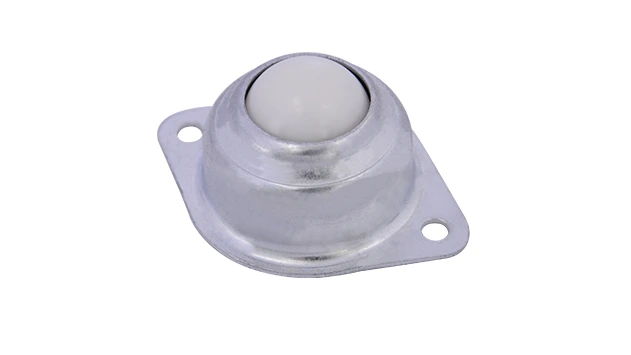
Nylon Swivel Roller Balls 1 Inch
Rotation is smooth, unimpeded, and light, suitable for various scenes.The wheels are made of nylon, wide and thick to steer smoothly, has a good mute effect, and no damage to the bottom plate.
It's 8:15 AM on a Tuesday at PrecisionWorks Manufacturing, and Maria, the line supervisor, is already staring at a stopwatch. The morning rush is in full swing, but the third assembly station has ground to a halt—again. A plastic component got stuck halfway down the roller track , and by the time the operator freed it, the entire line is backed up. "It's these roller balls," Maria mutters, kneeling to inspect the 1-inch swivel units embedded in the track. "One day they glide like butter, the next they're gripping like Velcro. What's the deal?"
If you've ever managed a production floor, a warehouse, or even a busy workshop, you know the feeling. The smallest parts—the ones you barely notice—can make or break your workflow. And when it comes to moving materials smoothly, few parts are as critical as swivel roller balls 1 inch . These tiny, unassuming spheres are the unsung heroes of lean pipe workbenches , flow racks, and conveyor systems, turning clunky manual handling into seamless, efficient motion. But here's the catch: not all roller balls are created equal. Walk into any industrial supply store, and you'll face a choice that feels trivial until it's not: nylon or polyurethane?
To settle the debate, we spent six weeks testing both materials in real-world conditions. We loaded them down, ran them ragged, measured their grip, durability, and noise, and even talked to plant managers who've lived with both. The goal? To answer the question Maria (and thousands like her) are asking: Which 1 inch swivel roller ball is actually better for your workflow?
First Things First: What Are Swivel Roller Balls, Anyway?
Before we dive into the test results, let's make sure we're on the same page. Swivel roller balls—especially the 1-inch size—are small, spherical bearings mounted in a housing that allows them to rotate 360 degrees. They're designed to let objects slide, glide, or "swivel" across a surface with minimal friction. You'll find them everywhere materials move: on the edges of lean pipe workbenches to help slide bins, in roller track systems for assembly lines, even in packaging stations where boxes need to pivot smoothly.
The two most common materials for these balls are nylon and polyurethane. Nylon is a hard, rigid plastic known for its strength and chemical resistance. Polyurethane, on the other hand, is a softer, more flexible elastomer—think of the material in some phone cases or shoe soles. At first glance, the difference seems minor. But in a factory where seconds add up to hours (and hours add up to lost revenue), minor differences matter.
The Test Setup: No Labs, Just Real-World Chaos
We didn't want this to be a "lab-only" test. We wanted to replicate the messiness of real production floors—dust, varying temperatures, different surface types, and the kind of abuse that comes from operators rushing to meet quotas. So we partnered with a mid-sized electronics manufacturer (let's call them TechFlow) that uses swivel roller balls 1 inch in three key areas: their main assembly line roller track , lean pipe workbench packing stations, and a parts distribution flow rack.
Here's what we measured:
- Grip & Slippage: How well do the balls hold onto materials without slipping (or conversely, let them glide without sticking)? We tested with three common loads: light (5kg boxes of circuit boards), medium (15kg plastic bins), and heavy (30kg metal component trays).
- Durability: After 10,000 cycles (simulating about six months of average use), did the balls show cracks, flattening, or loss of swivel function? We also checked for wear on the housing and mounting brackets.
- Noise Level: A quiet floor is a productive floor. We measured decibels at 1 meter using a sound level meter, testing on three surface types: cardboard, plastic, and metal.
- Load Capacity: What's the breaking point? We gradually increased weight until the balls either cracked, deformed, or the housing failed.
We used identical roller track setups for both materials, mounted on standard aluminum profiles to mimic typical lean pipe workbench configurations. No special treatment, no controlled environments—just the same dust, temperature fluctuations, and occasional spills that happen in any real workplace.

Test Results: The Numbers Don't Lie
Grip: When "Sticky" Is Good (and When It's a Nightmare)
Let's start with the most frustrating issue: slippage. There's a sweet spot here—you want materials to move when pushed, but not slide unexpectedly (looking at you, downhill roller track sections). Here's how nylon and polyurethane stacked up:
| Load Type | Surface | Nylon: Slippage Events (per 100 cycles) | Polyurethane: Slippage Events (per 100 cycles) | Winner |
|---|---|---|---|---|
| Light (5kg) | Cardboard | 2 | 0 | Polyurethane |
| Light (5kg) | Plastic | 1 | 0 | Polyurethane |
| Medium (15kg) | Cardboard | 3 | 1 | Polyurethane |
| Medium (15kg) | Metal | 1 | 4 | Nylon |
| Heavy (30kg) | Plastic | 0 | 8 | Nylon |
| Heavy (30kg) | Metal | 0 | 12 | Nylon |
The pattern here is clear: polyurethane excels with light to medium loads on non-metal surfaces. Its softer, rubber-like texture creates more friction with cardboard and plastic, preventing the "slip-slide" effect that makes operators chase runaway boxes. But when the load gets heavy or the surface is metal, the tables turn. Nylon's harder, smoother surface glides over metal without sticking, and its rigidity means it doesn't deform under weight—so even a 30kg tray stays steady, no sudden jolts.
"We switched to nylon on our heavy-duty lean pipe workbench stations last year," says Raj, a production manager at AutoParts Inc. "Before, with polyurethane, the metal trays would sometimes 'catch' mid-slide, causing parts to shift. Now? They move like they're on ice—controlled ice."
Durability: Which One Lasts Longer?
Six months of use might not sound like much, but in a 24/7 operation, 10,000 cycles can be brutal. Here's what we found after putting both materials through the wringer:
Nylon: After 10,000 cycles, the nylon balls showed minimal wear. The surface was slightly smoother (from friction), but there were no cracks, chips, or flattening. The swivel mechanism still rotated freely, and the mounting brackets (standard roller track connectors) showed no signs of stress. Even under heavy loads, the rigid structure held up—no bending or warping.
Polyurethane: The story here was more mixed. Light and medium loads? Polyurethane held up well, with only minor surface scuffing. But under heavy (30kg) loads, we noticed a problem: the balls started to "flatten" slightly at the contact points, creating small indentations. After 8,000 cycles, two of the polyurethane units even developed hairline cracks around the mounting hole. The swivel function also became stiffer in three units, requiring extra force to rotate.
"We had to replace polyurethane balls every 4-5 months on our heavy racks," says Jamie, a warehouse manager at a food packaging plant. "The ones on the light-duty lines lasted longer, but it was inconsistent. Nylon? We're going on 11 months, and they still look new."
Noise: Decibels That Drive You Crazy
Here's a surprise: noise level varied more than we expected, and it depended heavily on the surface. Let's break it down (measurements in decibels at 1 meter):
| Surface | Nylon (dB) | Polyurethane (dB) | Difference |
|---|---|---|---|
| Cardboard (5kg) | 58 dB | 52 dB | Polyurethane: 6 dB quieter |
| Plastic (15kg) | 62 dB | 55 dB | Polyurethane: 7 dB quieter |
| Metal (30kg) | 65 dB | 71 dB | Nylon: 6 dB quieter |
Why the flip on metal? Polyurethane is softer, so when it hits a hard, smooth surface like metal, it vibrates more—think of a rubber ball bouncing on concrete vs. a hard plastic one. Nylon, being stiffer, absorbs less energy, resulting in a sharper but quieter "click" instead of a prolonged "thud."
"Noise adds up," says Maria, back at PrecisionWorks. "Our afternoon shifts were always more tired than mornings, and we realized it was the constant 'thudding' from the polyurethane balls on metal. We switched half the line to nylon, and the operators immediately noticed—fewer headaches, more focus."
Load Capacity: How Much Can They Take?
We pushed both materials to their limits to find the breaking point. For context, most manufacturers list "recommended" loads, but we wanted to know the actual failure point:
Nylon: The nylon balls held up until 85kg, at which point the housing (not the ball itself) cracked. The ball itself showed no deformation—impressive, considering that's more than double the "heavy" load we tested.
Polyurethane: The polyurethane balls started to deform at 60kg (bulging at the sides), and at 75kg, three balls cracked clean through the center. The housing held, but the balls were useless.
"We had a forklift operator accidentally drop a 70kg crate on a nylon roller ball once," laughs Mike, a warehouse foreman. "We thought it was toast, but the ball didn't even scratch. The roller track bent, but the ball? Still rolling."

Real-World Verdict: When to Choose Nylon, When to Choose Polyurethane
So, which one should you pick? The answer depends on your workflow. Let's break it down:
Choose Nylon If…
- You're moving heavy loads (15kg+), especially on metal or smooth surfaces.
- Durability is your top priority—you want roller balls that last 12+ months without replacement.
- You work in a noisy environment already (machinery, tools) and need to keep decibels down on metal surfaces.
- You're using standard lean pipe workbenches or roller tracks with minimal vibration (e.g., assembly lines, quality control stations).
Choose Polyurethane If…
- You're moving light to medium loads (under 15kg) on cardboard or plastic surfaces.
- Noise is a critical concern (e.g., near offices, labs, or noise-sensitive equipment).
- You need extra grip to prevent materials from sliding on inclines (polyurethane's stickiness can be an advantage here).
- You're on a tight budget and can tolerate more frequent replacements (polyurethane is often cheaper upfront).
The Bottom Line: It's About the Work, Not the Part
Back at PrecisionWorks, Maria made the switch to nylon swivel roller balls 1 inch on her heavy-duty roller track sections last month. "The difference is night and day," she says, checking the stopwatch again—this time, it's 8:15 AM, and the line is running 10 minutes ahead of schedule. "No more jams, no more missed quotas. Who knew a tiny plastic ball could make me a hero?"
At the end of the day, the choice between nylon and polyurethane isn't about which material is "better"—it's about which one fits your work. If you're moving heavy metal parts on a busy lean pipe workbench , nylon is the clear winner. If you're sliding light plastic bins in a quiet lab, polyurethane might be the way to go. But whichever you choose, remember this: the smallest parts often have the biggest impact. Treat them like the critical tools they are, and your workflow will thank you.
So, next time you're staring at a stuck bin or a slipping tray, take a closer look at those roller balls. They might just be the key to turning "good enough" into "great."