- Company Articles
- Products and Technology
- Product knowledge
- Nylon Swivel Roller Balls 1 Inch vs Stainless Steel: Cost & Weight Analysis

Nylon Swivel Roller Balls 1 Inch vs Stainless Steel: Cost & Weight Analysis
Related Product
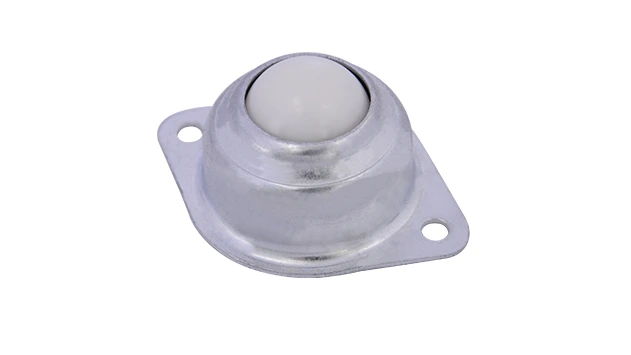
Nylon Swivel Roller Balls 1 Inch
Rotation is smooth, unimpeded, and light, suitable for various scenes.The wheels are made of nylon, wide and thick to steer smoothly, has a good mute effect, and no damage to the bottom plate.
Walk into any busy warehouse, manufacturing plant, or distribution center, and you'll notice a silent army of small but mighty components keeping things moving. Conveyor belts hum, flow racks distribute materials, and workbenches stay organized—all thanks to parts that often go unnoticed. Among these unsung heroes? Swivel roller balls. These tiny, omnidirectional spheres are the backbone of smooth material flow, letting boxes, parts, and products glide effortlessly across surfaces. But when it comes to choosing between materials, two options stand out: nylon swivel roller balls 1 inch and stainless steel swivel roller balls 1 inch .
At first glance, they might seem interchangeable. Both are 1 inch in diameter, both swivel, both help move stuff. But dig deeper, and the differences become critical—especially when it comes to cost and weight. For businesses running lean systems, where efficiency and budget are always top of mind, the choice between nylon and stainless steel can impact everything from daily operations to long-term profitability. In this article, we'll break down how these two materials stack up, so you can make the best call for your roller track, workbench, or conveyor setup.
First Things First: What Are Swivel Roller Balls, Anyway?
Before we dive into the comparison, let's make sure we're on the same page. Swivel roller balls—also called ball transfer units—are small, spherical components mounted in a housing that allows them to rotate 360 degrees. They're designed to reduce friction, making it easy to push, pull, or slide items across a surface. You'll find them in roller tracks, flow racks, assembly line workbenches, and even checkout counters.
Sizes range from tiny 0.5-inch balls for lightweight items to larger 2-inch models for heavy loads, but 1 inch is the sweet spot for most industrial applications. They balance strength and maneuverability, handling everything from small electronics parts to medium-sized boxes. Now, let's zoom in on the two heavyweights: nylon and stainless steel.
Nylon Swivel Roller Balls 1 Inch: Lightweight and Budget-Friendly
Nylon is a synthetic polymer known for its versatility. In roller ball form, it's lightweight, durable, and surprisingly tough. Let's start with the basics: what makes nylon a go-to for many operations?
Material Breakdown: Why Nylon?
Nylon roller balls are made from polyamide, a plastic that's both rigid and slightly flexible. This flexibility gives them shock-absorbing properties—meaning they can handle minor impacts without cracking. They're also corrosion-resistant (no rust here!) and non-marking, which is a big plus if you're moving delicate items like painted parts or electronics that scratch easily.
Another key trait? Low friction. Nylon's smooth surface means less resistance when items slide over it, which reduces the effort needed to move things—great for ergonomics on assembly lines or in warehouses where workers are pushing loads manually.
Cost: Easy on the Budget
When it comes to upfront cost, nylon wins hands down. Nylon is cheaper to manufacture than stainless steel, and that savings gets passed directly to you. On average, nylon swivel roller balls 1 inch cost 30-50% less than their stainless steel counterparts. For example, a pack of 10 nylon balls might run you $20-$30, while stainless steel could set you back $40-$60 for the same quantity.
This price difference adds up fast, especially if you're outfitting an entire roller track system or multiple workbenches. For small businesses or teams with tight budgets, nylon is often the default choice to keep initial setup costs low.
Weight: Featherlight for Easy Installation
Nylon is significantly lighter than stainless steel. A single 1-inch nylon roller ball weighs roughly 15-20 grams, compared to 40-50 grams for stainless steel. That might not sound like much, but multiply it by hundreds (or thousands) of balls in a large roller track, and the total weight difference becomes substantial.
Why does weight matter? Lighter components mean easier installation. If your team is mounting roller balls onto a flow rack or workbench, less weight per ball reduces strain and speeds up the process. It also makes the entire system lighter, which is a bonus if you ever need to reconfigure your workspace—say, moving a roller track from one area to another. Lighter systems are also gentler on the frames and supports they're attached to, potentially extending the life of your equipment.
Real-World Scenario: A Small Electronics Shop
Imagine a small electronics manufacturer that assembles circuit boards. Their workbenches use roller tracks to slide PCBs from one station to the next. The PCBs are lightweight (a few ounces each) and easily scratched. For them, nylon swivel roller balls 1 inch make perfect sense: they're cheap enough to outfit all 10 workbenches on a tight budget, lightweight enough that the workbench frames don't sag, and non-marking so they won't scratch the PCBs. Stainless steel here would be overkill—and unnecessary expense.

Stainless Steel Swivel Roller Balls 1 Inch: Heavy-Duty and Long-Lasting
Stainless steel is the tough guy of the material world. It's strong, resistant to wear and tear, and built to handle harsh conditions. If nylon is the budget-friendly option, stainless steel is the investment piece.
Material Breakdown: Why Stainless Steel?
Stainless steel roller balls are made from an alloy of steel and chromium, which gives them their signature resistance to rust and corrosion. They're harder than nylon, meaning they can withstand heavier loads and more frequent use without deforming. Unlike nylon, stainless steel doesn't scratch easily, and it holds up well to high temperatures, chemicals, and moisture—making it ideal for tough environments.
Another advantage? Conductivity. Stainless steel is a good conductor of heat and electricity, which can be useful in specialized settings (though not a factor for most general applications). But where it really shines is durability: a stainless steel roller ball can last 2-3 times longer than a nylon one under heavy use.
Cost: Higher Upfront, Lower Over Time
There's no getting around it: stainless steel costs more upfront. As mentioned earlier, you'll pay 30-50% more per ball. But here's the catch: they last longer. Nylon balls can wear down over time, especially if they're moving heavy loads or exposed to oils, chemicals, or extreme temperatures. A nylon ball might need replacing after 1-2 years of daily use, while stainless steel could go 5-7 years without a problem.
For businesses with high-volume operations—think warehouses moving pallets all day or factories with 24/7 production lines—the longer lifespan translates to lower replacement costs over time. Yes, you'll spend more initially, but you'll spend less on replacements and maintenance down the road.
Weight: Sturdy but Cumbersome
Stainless steel's strength comes with a downside: weight. At 40-50 grams per 1-inch ball, it's more than twice as heavy as nylon. This added weight can make installation trickier. Mounting hundreds of stainless steel balls onto a roller track requires sturdier frames and more support, which adds to the overall system cost. It also makes reconfiguring your workspace harder—moving a heavy roller track isn't a one-person job.
But for heavy loads, that weight is an asset. Stainless steel balls don't flex under pressure, so they can handle items weighing 50+ pounds without slowing down. Nylon, on the other hand, might start to deform or wear unevenly if pushed to its limits, leading to jams or stuck products.
Real-World Scenario: A Automotive Parts Warehouse
Consider a warehouse that distributes metal automotive parts—think engine components or brake assemblies. These parts are heavy (20-30 pounds each) and often oily. Nylon roller balls here would struggle: the weight might warp them, and the oil could degrade the plastic over time. Stainless steel, though pricier, handles the load easily, resists the oil, and won't rust from occasional spills. Over five years, the warehouse saves money by not replacing worn-out nylon balls every year.

Side-by-Side: The Key Differences in Cost & Weight
To make the comparison clearer, let's put the numbers side by side. The table below breaks down how nylon and stainless steel swivel roller balls 1 inch compare in cost, weight, and other key factors:
| Factor | Nylon Swivel Roller Balls 1 Inch | Stainless Steel Swivel Roller Balls 1 Inch |
|---|---|---|
| Upfront Cost (per 10 balls) | $20-$30 | $40-$60 |
| Weight (per ball) | 15-20 grams | 40-50 grams |
| Typical Lifespan (heavy use) | 1-2 years | 5-7 years |
| Max Load Capacity (per ball) | Up to 30 lbs | Up to 70 lbs |
| Best For | Light loads, tight budgets, delicate items | Heavy loads, harsh environments, long-term use |
Beyond Cost & Weight: Other Factors to Consider
While cost and weight are critical, they're not the only things to think about. Here are a few more variables that might sway your decision:
Environment
Where will the roller balls be used? Nylon struggles with extreme heat (it can warp above 200°F) and harsh chemicals (like strong solvents). Stainless steel thrives in wet, oily, or high-temperature settings. If your workspace is clean and climate-controlled, nylon works fine. If it's a messy, industrial area, stainless steel is safer.
Noise
Nylon is quieter than stainless steel. When items slide over nylon balls, they make a soft, muted sound. Stainless steel, being harder, can be noisier—something to keep in mind if you're aiming for a quieter workplace (like an office-adjacent warehouse).
Load Size
As we touched on earlier, stainless steel handles heavier loads. If you're moving items over 30 pounds regularly, nylon might not cut it. For lightweight items (under 10 pounds), nylon is more than sufficient.
Which One Should You Choose? It Depends on Your Lean System
At the end of the day, there's no "best" option—only the best option for your needs. Here's a quick guide to help you decide:
Choose nylon if: You're on a tight budget, moving lightweight or delicate items, working in a clean, dry environment, or need to install the system quickly (thanks to the lighter weight). Small businesses, startups, or teams with temporary setups will love nylon's affordability.
Choose stainless steel if: You're handling heavy loads, working in a harsh environment (oils, moisture, heat), or planning to use the system long-term. Large warehouses, manufacturing plants, and facilities with 24/7 operations will benefit from stainless steel's durability.
And remember: you don't have to pick one or the other! Some businesses mix materials. For example, use nylon on workbenches where employees handle small parts, and stainless steel on main roller tracks that move heavy pallets. It's all about optimizing your lean system for efficiency, cost, and practicality.
Final Thoughts: The Small Part That Makes a Big Difference
Swivel roller balls might be small, but their impact on your operations is huge. Whether you choose nylon or stainless steel, the key is to align the material with your daily needs, budget, and long-term goals. Nylon saves money now; stainless steel saves money later. Nylon is light and easy; stainless steel is tough and reliable.
So next time you're setting up a roller track, upgrading a workbench, or revamping your material flow, take a moment to think about these tiny spheres. They might not get the glory, but they'll keep your lean system running smoothly—one swivel at a time.