- Company Articles
- Products and Technology
- Product knowledge
- Nylon Swivel Roller Balls 1 Inch: Weight Capacity vs Size Comparison

Nylon Swivel Roller Balls 1 Inch: Weight Capacity vs Size Comparison
Related Product
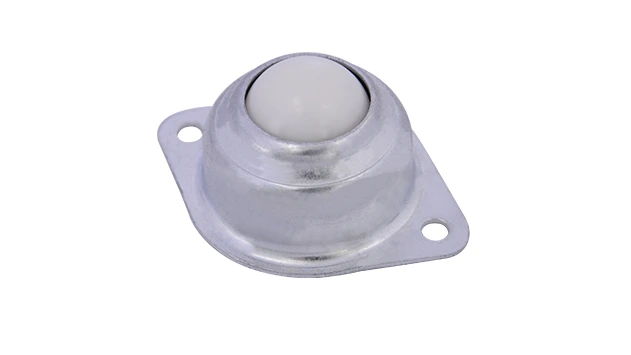
Nylon Swivel Roller Balls 1 Inch
Rotation is smooth, unimpeded, and light, suitable for various scenes.The wheels are made of nylon, wide and thick to steer smoothly, has a good mute effect, and no damage to the bottom plate.
Introduction: The Unsung Heroes of Smooth Material Flow
In the bustling world of manufacturing and logistics, where every second counts and efficiency is king, there's a small but mighty component working tirelessly behind the scenes: swivel roller balls. These unassuming spheres are the quiet engines that keep assembly lines moving, workbenches functional, and material handling systems flowing like clockwork. Among the various sizes and materials available,
nylon swivel roller balls 1 inch
stand out as a versatile workhorse, balancing strength, durability, and precision. But how does their size impact their weight capacity? And when should you choose a 1-inch roller over a smaller option like the
swivel roller balls 0.5 inch
? Let's dive into the details, exploring the design, performance, and real-world applications of these critical components—because in the realm of lean systems and conveyor setups, the right roller ball can make all the difference between a seamless workflow and a frustrating bottleneck.
Understanding Nylon Swivel Roller Balls: More Than Just Plastic Spheres
Before we compare sizes, let's first unpack what makes nylon swivel roller balls a top choice in industrial settings. Nylon, a synthetic polymer, is prized for its unique blend of properties: it's lightweight yet surprisingly strong, resistant to chemicals and abrasion, and boasts a low friction coefficient that ensures smooth, quiet movement. Unlike metal rollers, nylon variants won't scratch delicate surfaces (think electronics or polished parts) and require minimal lubrication, reducing maintenance headaches.
Swivel roller balls, by design, are engineered to rotate 360 degrees, allowing materials to glide in any direction with minimal effort. This omnidirectional movement is a game-changer in applications like
workbench
setups, where operators need to maneuver parts quickly, or
flow rack
systems, where boxes and components must slide from one station to the next without jams. Whether you're building a lean production line or optimizing a packaging area, the right roller ball size directly impacts how much weight can be handled, how smoothly materials move, and how long the system lasts.

The 1-Inch Nylon Swivel Roller Ball: Design and Core Specifications
Let's zoom in on the star of the show: the 1-inch nylon swivel roller ball. At first glance, it might seem like a simple sphere, but its design is the result of careful engineering to meet industrial demands.
Material Makeup:
Most 1-inch nylon roller balls are crafted from high-grade nylon 6 or nylon 6/6, known for their tensile strength (up to 10,000 psi) and impact resistance. Some variants include glass fiber additives to boost load capacity, while others feature molybdenum disulfide (MoS2) for enhanced lubricity—perfect for high-friction environments.
Dimensions:
The "1-inch" measurement refers to the outer diameter, but the actual load-bearing surface depends on the ball's internal structure. Typically, these rollers have a hollow core (to reduce weight) with a reinforced outer shell, and they're designed to fit standard mounting sockets, making them easy to integrate into existing
roller track
or workbench setups.
Weight Capacity:
On average, a single 1-inch nylon swivel roller ball can handle 50 to 100 pounds of static weight, though this varies by manufacturer and design. Dynamic weight capacity—when materials are in motion—is slightly lower, usually around 30 to 70 pounds, as movement introduces additional stress. For context, that's enough to support small to medium-sized parts, toolboxes, or even lightweight electronics assemblies.

Weight Capacity vs. Size: 1-Inch vs. 0.5-Inch Roller Balls
Now, let's tackle the heart of the matter: how size affects weight capacity. To put it simply, larger roller balls generally support more weight—but it's not just about diameter. The relationship between size and load-bearing ability is influenced by surface area, material distribution, and contact pressure.
Take the 0.5-inch swivel roller ball, a common smaller alternative. With a diameter half that of the 1-inch model, its load-bearing surface is roughly a quarter the size (since surface area scales with the square of diameter). This means the smaller ball must distribute weight over a tighter area, increasing contact pressure and limiting how much it can safely hold. A typical 0.5-inch nylon roller might handle 20 to 40 pounds static weight and 10 to 30 pounds dynamically—less than half the capacity of its 1-inch counterpart.
But size isn't the only factor. The 1-inch roller's larger surface area also reduces friction per square inch, meaning materials glide more smoothly, even under heavier loads. This is critical in
conveyor
systems, where jams can bring production to a halt. Imagine pushing a 50-pound box over 0.5-inch rollers versus 1-inch rollers: the larger balls spread the weight, requiring less force to move the load—saving operator energy and reducing wear on the system.
To visualize this comparison, let's look at a side-by-side breakdown:
| Feature | Nylon Swivel Roller Balls 1 Inch | Swivel Roller Balls 0.5 Inch |
|---|---|---|
| Outer Diameter | 1 inch (25.4 mm) | 0.5 inch (12.7 mm) |
| Static Weight Capacity (per ball) | 50–100 lbs | 20–40 lbs |
| Dynamic Weight Capacity (per ball) | 30–70 lbs | 10–30 lbs |
| Friction Coefficient (nylon on steel) | 0.15–0.20 | 0.18–0.25 (higher due to smaller surface area) |
| Ideal Load Type | Medium to large parts, tooling, small machinery | Light parts, small components, delicate items |
| Best Applications | Flow racks, heavy-duty workbenches, conveyor lines | Electronic assembly stations, jewelry workbenches, lightweight material handling |
As the table shows, the 1-inch roller ball is the clear choice for heavier loads and high-throughput environments, while the 0.5-inch model excels in precision tasks where space is limited or delicate handling is required. But what if your needs fall somewhere in between? Some manufacturers offer 0.75-inch options, but for most industrial users, the 1-inch and 0.5-inch sizes cover the majority of use cases.
Factors That Influence Weight Capacity: It's Not Just About Size
While size plays a starring role in weight capacity, other factors can make or break a roller ball's performance. Let's break down the key variables to consider:
1. Material Quality:
Not all nylon is created equal. A low-grade nylon roller might crack under heavy loads, while a high-quality, glass-reinforced nylon can exceed weight capacity ratings. Look for suppliers that specify material grades (e.g., nylon 6/6 with 30% glass fill) and provide test reports.
2. Load Distribution:
Even the strongest 1-inch roller will fail if the weight isn't spread out. For example, a 200-pound crate placed on four 1-inch rollers (50 lbs each) will work fine, but if the same crate is tilted, putting 150 lbs on one roller, it could snap. Always ensure loads are centered and distributed across multiple rollers.
3. Environmental Conditions:
Nylon softens in high temperatures (above 180°F), which can reduce weight capacity by 20–30%. In cold environments, it becomes more brittle, increasing the risk of impact damage. Humidity and chemicals (like oils or solvents) can also degrade nylon over time, so choose chemical-resistant variants for harsh settings.
4. Mounting and Installation:
A roller ball is only as strong as its mount. Loose or poorly fitting sockets can cause the ball to wobble, leading to uneven weight distribution and premature failure. Invest in high-quality mounting brackets—like those used for
roller track placon mount for aluminum profile
—to ensure a secure fit.
Real-World Applications: Where 1-Inch Nylon Roller Balls Excel
To understand why size matters, let's look at how 1-inch nylon swivel roller balls perform in everyday industrial scenarios:
1. Flow Racks and Conveyor Systems:
In warehouses, flow racks use gravity to move boxes from the back to the front. Here, 1-inch rollers shine because they can handle heavier cartons (up to 50 lbs per linear foot) without slowing down. Compare this to 0.5-inch rollers, which might struggle with boxes over 20 lbs, leading to jams.
2. Workbench Assemblies:
Automotive and electronics manufacturers often line workbenches with roller balls to let operators slide heavy tools or subassemblies. A 1-inch roller setup can support a 300-pound tool chest, while 0.5-inch rollers would require twice as many units to handle the same weight—cluttering the workspace and increasing costs.
3. Turnover Trolleys and Material Carts:
Trolleys used to transport parts between stations rely on roller balls for easy loading/unloading. A 1-inch roller-equipped trolley can carry 500+ pounds (distributed across 10–12 rollers), making it ideal for bulk materials, whereas a 0.5-inch setup would be limited to light loads like small components.
4. Packaging Lines:
When sealing or labeling boxes, the ability to rotate packages smoothly is key. 1-inch rollers provide the stability needed for square or irregularly shaped boxes, preventing tipping and ensuring consistent alignment—something smaller rollers often can't match.
Choosing the Right Size: A Practical Guide for Buyers
So, how do you decide between 1-inch and 0.5-inch roller balls? Start by asking these questions:
• What's the average weight of the materials you're moving?
If most loads are under 20 lbs, 0.5-inch rollers might suffice. For anything heavier, go with 1-inch.
• How much space do you have?
Smaller rollers are better for tight areas (e.g., electronics workbenches with tiny parts), but 1-inch rollers offer better durability for high-traffic zones.
• What's your long-term plan?
If you anticipate scaling up production or handling heavier loads in the future, investing in 1-inch rollers now can save you from costly replacements later.
• Are you prioritizing smoothness or cost?
1-inch rollers cost slightly more than 0.5-inch, but their higher weight capacity and lower maintenance needs often make them more cost-effective in the long run.
Conclusion: Size Matters—But So Does Smart Selection
Nylon swivel roller balls may be small, but their impact on industrial efficiency is enormous. The 1-inch variant, with its balance of size and strength, is a versatile solution for medium to heavy-duty applications, from
conveyor
systems to workbench setups. By comparing weight capacity, load distribution, and real-world performance against smaller options like the 0.5-inch roller, you can ensure your material handling system is both efficient and durable.
Remember: the goal isn't just to pick a size—it's to pick the right size for your unique needs. Whether you're building a lean system from scratch or upgrading an existing setup, understanding how roller ball size influences weight capacity will help you avoid bottlenecks, reduce downtime, and keep your operations running smoothly. After all, in the world of manufacturing, every component counts—and the humble 1-inch nylon swivel roller ball is proof that great things really do come in small (but perfectly sized) packages.