- Company Articles
- Products and Technology
- Product knowledge
- Nylon Swivel Roller Balls 1 Inch: Why They're Essential for Just-In-Time Production

Nylon Swivel Roller Balls 1 Inch: Why They're Essential for Just-In-Time Production
Related Product
Nylon Swivel Roller Balls 1 Inch
Rotation is smooth, unimpeded, and light, suitable for various scenes.The wheels are made of nylon, wide and thick to steer smoothly, has a good mute effect, and no damage to the bottom plate.
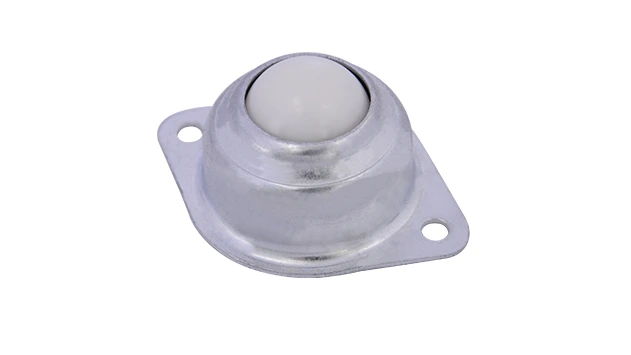
Walk into any modern manufacturing facility, and you'll likely notice a quiet rhythm—parts gliding from station to station, workers moving with purpose, and shelves that never seem overstuffed. This isn't magic; it's the result of Just-In-Time (JIT) production, a philosophy built on eliminating waste and keeping things flowing. But behind that seamless flow are tiny, often overlooked components that make it all possible. One such unsung hero? The nylon swivel roller balls 1 inch. These small, unassuming spheres might not get the spotlight, but they're the silent workhorses ensuring materials move exactly when and where they're needed. Let's dive into why they're so critical for JIT success, and how they fit into the bigger picture of lean systems, flow racks, and efficient material handling.
Understanding Just-In-Time Production: More Than a Buzzword
First, let's ground ourselves in what JIT really means. Born in post-WWII Japan, popularized by Toyota, JIT is all about producing only what's needed, when it's needed, and in the amount needed . It's a direct reaction to the waste of overproduction—where factories stockpiled parts "just in case," tying up cash and cluttering floors. JIT flips that script: it's a "pull" system, where production starts only when a customer (or the next station in the line) signals demand. Think of it like a restaurant kitchen—cooks don't make all the meals at 5 PM; they start grilling when a server yells, "One burger, medium-rare!"
But for this to work, everything has to sync perfectly. If a part arrives too late, the line stops. If it arrives too early, it becomes excess inventory—waste. That's where material handling comes in. Moving parts from storage to assembly, or from one workstation to the next, has to be as smooth and predictable as a well-choreographed dance. And that's where tools like flow racks, roller tracks, and yes, nylon swivel roller balls, enter the scene.
Material Handling: The Hidden Engine of JIT
Imagine a JIT factory without good material handling. Workers would spend half their day hunting for parts in disorganized storage, or struggling to move heavy bins across the floor. Parts might get damaged from rough handling, leading to defects. And when a station needs a component "now," there'd be delays as someone fetches it from the back. All of this adds up to waste —the very thing JIT aims to eliminate.
Lean systems (a broader term that includes JIT) solve this by designing material handling around flow . The goal? Make it so easy to move parts that even a gentle push sends them gliding to where they need to go. This is where flow racks and roller tracks shine. Flow racks are inclined shelves with rollers; as soon as a worker takes the front part, the ones behind slide forward, ready for the next request. Roller tracks, often mounted on workbenches or trolleys, guide materials along a path, reducing the need for lifting or carrying. But none of this works without the right "wheels" (or in this case, balls) to keep things moving.

Nylon Swivel Roller Balls 1 Inch: Small Size, Big Impact
Let's zoom in on the star of the show: nylon swivel roller balls 1 inch. At first glance, they're simple—small spheres, about the diameter of a quarter, made of tough nylon, with a design that lets them spin 360 degrees. But their simplicity is their strength. Let's break down why they're a game-changer for JIT:
1. Smooth, Low-Friction Movement
Nylon is naturally slippery, and the swivel design means these balls rotate in any direction. That translates to minimal effort to move materials. A worker doesn't need to heave a heavy bin—just a gentle push, and the load glides along the roller balls. In JIT, where speed matters, this cuts down on the time between "I need this part" and "here it is."
2. Quiet Operation (Yes, It Matters)
Factories are noisy enough with machines humming and tools clanging. Stainless steel roller balls might be durable, but they clatter when materials move. Nylon? It's much quieter. A quieter floor means less worker fatigue, better communication (no yelling over noise), and even compliance with OSHA noise regulations. When every second counts in JIT, a calm environment helps workers stay focused.
3. Durable Yet Gentle on Materials
Nylon is tough—it resists scratches, dents, and most industrial chemicals (like oils or cleaning agents). But it's also soft enough to protect delicate parts. Think about electronics components or painted automotive parts: a steel roller might leave a mark, but nylon glides without damaging surfaces. In JIT, where defects are costly (since you're producing in small batches), this gentleness is a lifesaver.
4. The "Goldilocks" Size: 1 Inch
Why 1 inch? Smaller balls (like 0.5 inch) might not handle heavier loads, while larger ones (1.5 inch) take up more space and can be overkill for lighter materials. The 1-inch size hits the sweet spot: it can support 50–100 pounds per ball (so a flow rack with 10 balls can easily handle a 500-pound bin) without being bulky. This versatility makes it the go-to choice for everything from small electronics parts to medium-sized automotive components.

Fitting into the Lean Puzzle: Flow Racks, Roller Tracks, and Beyond
Nylon swivel roller balls don't work in isolation—they're part of a larger ecosystem of lean tools. Let's see how they team up with flow racks and roller tracks to supercharge JIT:
Flow Racks: The "First In, First Out" Powerhouse
Flow racks are a staple in JIT facilities. Picture a shelf tilted at a slight angle, with rows of nylon swivel roller balls along the length. Workers load parts from the back (the higher end), and gravity (plus the smooth roller balls) pulls them forward. When the front part is taken, the next one slides into place—automatically. This "first in, first out" (FIFO) system ensures older parts get used first, reducing waste from expired or obsolete inventory. And without the low friction of nylon roller balls, gravity alone might not be enough to move heavier loads—you'd need motors or manual lifting, both of which add waste.
Roller Tracks: Guiding Materials to Workstations
Roller tracks are like mini highways for materials. They're often mounted along the edges of workbenches or on turnover trolleys, creating a dedicated path for bins or parts. Nylon swivel roller balls are embedded into these tracks, ensuring that as a worker pushes a bin, it follows the track without veering off course. In an electronics plant, for example, an ESD workstation (designed to prevent static damage) might have a roller track with nylon balls to move sensitive circuit boards. The nylon prevents static buildup (unlike metal), keeping parts safe while maintaining flow.
Turnover Trolleys: Mobile Flow on Wheels
Not all material movement is fixed to shelves. Turnover trolleys—mobile carts with shelves or racks—are used to transport parts between stations. Many of these trolleys have roller tracks lined with nylon swivel roller balls. Why? Because when the trolley arrives at a workstation, the worker can easily slide bins off the trolley onto the bench (or vice versa) without lifting. This cuts down on "motion waste" (another JIT no-no) and keeps the line moving.
Real-World Results: How Factories Are Winning with Nylon Roller Balls
Let's get concrete. Here are a few stories from factories that switched to nylon swivel roller balls 1 inch and saw tangible JIT improvements:
Case Study #1: Automotive Assembly Line
A mid-sized auto parts manufacturer was struggling with delays in their axle assembly line. Workers had to walk 20 feet to fetch bolts from a storage rack, then carry them back—wasting 15 minutes per hour. They installed flow racks with nylon swivel roller balls 1 inch along the line. Now, bolts slide right to the workstation as needed. Result? Time spent fetching parts dropped by 40%, and the line hit production targets 98% of the time (up from 85%).
Case Study #2: Electronics ESD Workstation
An electronics plant making smartphone screens was losing 5% of parts to static damage. Their old metal roller tracks were causing static buildup, zapping delicate screens. They switched to roller tracks with nylon swivel roller balls 1 inch (nylon is non-conductive) and added ESD mats to their workstations. Static-related defects dropped to 0.5%, and workers reported the screens were easier to slide into place—no more fumbling with sticky metal rollers.
Case Study #3: Food Packaging Facility
A food packaging plant needed to move plastic trays from the molding machine to the filling station. Their plastic 0.5-inch roller balls kept jamming under the trays' weight. Upgrading to 1-inch nylon swivel roller balls solved the problem—trays glided smoothly, and jams decreased by 80%. Plus, the quieter operation made it easier for workers to hear safety announcements, cutting down on near-misses.
Nylon vs. the Competition: How It Stacks Up
You might be wondering: Why not use stainless steel roller balls? Or plastic ones? Let's compare. The table below breaks down key features to show why nylon swivel roller balls 1 inch are often the best fit for JIT:
| Feature | Nylon Swivel Roller Balls (1 Inch) | Stainless Steel Roller Balls (1 Inch) | Plastic Roller Balls (0.5 Inch) |
|---|---|---|---|
| Material | Nylon (polyamide) | Stainless steel | Low-density polyethylene (LDPE) |
| Load Capacity | 50–100 lbs per ball | 150–200 lbs per ball | 20–30 lbs per ball |
| Noise Level | Low (quiet glide) | High (clattering sound) | Low (similar to nylon) |
| Cost | Moderate ($0.50–$1.00 per ball) | High ($2.00–$3.00 per ball) | Low ($0.25–$0.50 per ball) |
| Best For | Medium loads, delicate parts, quiet environments | Heavy loads, high-temperature environments | Light loads, budget-focused setups |
| Static Resistance | Good (non-conductive) | Poor (conductive, risk of static) | Fair (some static buildup) |
For most JIT facilities, nylon hits the balance: enough strength for daily use, quiet operation, and cost-effective. Stainless steel is overkill unless you're moving extremely heavy loads, and smaller plastic balls can't keep up with medium-weight parts.
Keeping the Flow: Maintenance Tips for Nylon Roller Balls
Like any tool, nylon swivel roller balls need a little care to keep performing. The good news? Maintenance is simple—no fancy tools or training required:
- Regular Cleaning: Dust and debris can gunk up the swivel mechanism. Every week, wipe the roller balls with a damp cloth to keep them clean. For sticky residues (like oil), use a mild soap and water—nylon resists most chemicals, so no need to worry about damage.
- Check for Wear: Inspect balls monthly for cracks or flat spots (unlikely with nylon, but possible if overloaded). replace any damaged balls immediately—one faulty ball can slow down the entire rack.
- Lubrication? Usually Not Needed: Nylon is self-lubricating, so you won't need to oil the swivel joints. In fact, oil can attract dust, making things worse. Only lubricate if you notice unusual friction (and even then, use a dry lubricant like graphite).
With basic care, nylon swivel roller balls can last 5–7 years in a typical factory environment. That's a long lifespan for a component that costs less than a dollar—excellent ROI for JIT facilities watching every penny.
Why Nylon Swivel Roller Balls 1 Inch Are Non-Negotiable for JIT
Let's circle back to the big picture. JIT is about eliminating waste, and waste comes in many forms: time, effort, inventory, defects. Nylon swivel roller balls 1 inch attack all these:
Time waste? Eliminated by speeding up material movement. Effort waste? Reduced by making loads easy to push. Inventory waste? Minimized by FIFO flow racks that keep parts moving, not sitting. Defect waste? Cut by gentle, static-free handling of parts.
In short, these tiny balls are the glue that holds JIT material handling together. They turn static shelves into dynamic flow systems, and heavy lifting into gentle pushes. And in a world where JIT success depends on every detail, that's more than essential—it's transformative.
Final Thoughts: Small Components, Big Lean Wins
Nylon swivel roller balls 1 inch might not be the first thing you think of when you hear "lean manufacturing" or "JIT production." But talk to any plant manager who's made the switch, and they'll tell you: these small spheres are a secret weapon. They're affordable, durable, and designed to keep the flow— the lifeblood of JIT —moving smoothly.
So the next time you walk through a JIT facility and marvel at how effortlessly parts glide from station to station, take a closer look. Chances are, under those bins and trays, there's a set of nylon swivel roller balls 1 inch, quietly doing their job. And in the world of lean systems, sometimes the quietest tools are the ones making the biggest noise in terms of results.