- Company Articles
- Products and Technology
- Product knowledge
- Nylon Swivel Roller Balls 1 Inch: Why They're Ideal for Lightweight Loads

Nylon Swivel Roller Balls 1 Inch: Why They're Ideal for Lightweight Loads
Related Product
Nylon Swivel Roller Balls 1 Inch
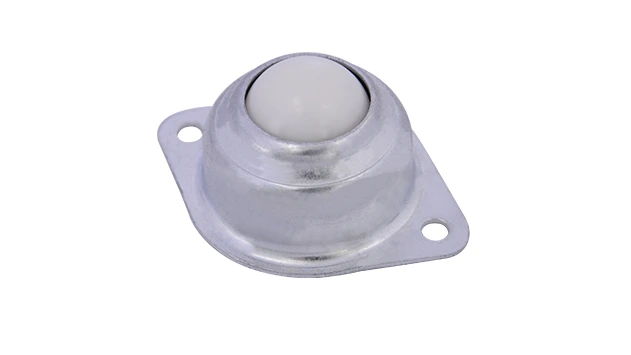
Rotation is smooth, unimpeded, and light, suitable for various scenes.The wheels are made of nylon, wide and thick to steer smoothly, has a good mute effect, and no damage to the bottom plate.
Let's set the scene: You're standing in a small electronics workshop, watching a technician lean over a workbench, carefully sliding a tray of tiny circuit boards from one end to the other. The tray catches on the wooden surface, jostling the components inside—one even tumbles off the edge. Sighing, the technician pauses, picks up the part, and tries again, this time using both hands to steady the tray. Sound familiar? Whether you run a small manufacturing shop, manage a retail stockroom, or oversee a busy workbench, moving lightweight loads smoothly and safely is often trickier than it seems. Static surfaces, rough edges, or clunky equipment can turn simple tasks into frustrating, time-consuming struggles. But what if there was a small, unassuming tool that could transform those surfaces into friction-free zones, letting your materials glide like they're on ice? Enter: nylon swivel roller balls 1 inch. These little components might not look like much at first glance, but they're quietly revolutionizing how we handle lightweight loads in workshops, warehouses, and beyond. In this article, we'll dive into why these 1-inch nylon roller balls are the unsung heroes of lightweight material handling—exploring their design, benefits, real-world uses, and why they're the perfect fit for loads that don't require heavy-duty steel but still demand reliability and precision.
What Are Nylon Swivel Roller Balls 1 Inch, Anyway?
Before we jump into why they're ideal for lightweight loads, let's get clear on what nylon swivel roller balls 1 inch actually are. At their core, they're small, spherical components designed to rotate 360 degrees within a mounting base, creating a low-friction surface for moving objects. The "1 inch" refers to the diameter of the ball itself—about the size of a large marble—which makes them compact enough to fit into tight spaces but substantial enough to support the lightweight loads we'll focus on. The "nylon" part is key: unlike steel or plastic alternatives, nylon offers a unique blend of durability, flexibility, and smooth operation that's hard to beat for specific tasks.
Picture a tiny ball bearing, but instead of metal, it's made of tough, impact-resistant nylon. The ball sits in a housing (usually plastic or metal) that's designed to let it spin freely in any direction. When you place an object on top of a grid or array of these roller balls, the weight of the load presses down on the balls, which then rotate as the object is pushed or pulled. This rotation reduces friction dramatically—so instead of dragging a box across a table, you're essentially "floating" it on a bed of rolling spheres. Simple, right? But don't let their simplicity fool you. These little balls are engineered with precision: the nylon is often reinforced to prevent cracking under pressure, the housing is designed to keep dust and debris out of the rotation mechanism, and the mounting base is made to attach securely to surfaces like wood, metal, or plastic.
You might be wondering, "Why 1 inch? Why not smaller or larger?" The 1-inch size strikes a sweet spot for lightweight loads. Smaller roller balls (like the 0.5-inch variety) are great for ultra-tiny items, but they can struggle with even moderately sized objects—think a shoebox-sized bin or a small tool tray. Larger balls, on the other hand, might overkill for lightweight tasks, taking up more space and adding unnecessary cost. At 1 inch, these roller balls balance surface area and maneuverability: they're big enough to support loads like small boxes, component trays, or tool caddies, but small enough to install in dense grids (meaning more balls per square foot, for smoother movement) without dominating the surface they're mounted on. And because they're made of nylon, they bring a host of advantages that metal or cheap plastic roller balls can't match—advantages we'll unpack next.
Why Lightweight Loads? The Case for "Just Right" Capacity
Let's start with a common misconception: when it comes to material handling, "stronger" is not always "better." Sure, steel roller balls or heavy-duty casters can handle hundreds of pounds, but if your typical load is a 10-pound box of electronics components or a 15-pound bin of small parts, using overbuilt equipment is like using a sledgehammer to crack a nut. It's unnecessary, costly, and often counterproductive. Nylon swivel roller balls 1 inch are designed for the "in-between" loads—the ones that weigh enough to require support but not so much that they need industrial-strength hardware. We're talking about loads in the 5 to 30-pound range, though some high-quality models can handle up to 50 pounds (always check the manufacturer's specs!).
So why not just use steel roller balls for everything? For starters, steel is heavy. If you're mounting roller balls to a workbench or a portable trolley, adding steel components can weigh down the entire setup, making it harder to move or adjust. Steel is also noisy: slide a metal box over steel roller balls, and you'll hear a loud, clanging racket that can disrupt a quiet workshop or annoy coworkers. And steel can scratch or mark delicate surfaces—if you're handling finished products, electronics, or painted parts, the last thing you want is a steel ball leaving a scuff or a dent. Nylon, by contrast, is lightweight, quiet, and gentle. Its smooth, non-abrasive surface won't mar even the most delicate items, making it perfect for loads like circuit boards, glassware, or polished metal parts.
Another key point: lightweight loads often require precision, not brute force. Think about a workbench where a technician is assembling small medical devices. They need to slide a tray of tiny screws, washers, and connectors from one side to the other without spilling or jostling. A heavy steel roller system might overshoot, causing the tray to slide too fast; a static surface might stick, requiring a hard push that risks tipping the tray. Nylon roller balls strike the perfect balance: low friction, so the load moves easily, but enough resistance to keep it controlled. It's like walking on a smooth floor versus ice—you want to move freely, but you don't want to lose control. For lightweight, precision-critical tasks, that balance is everything.

5 Key Benefits of Nylon Swivel Roller Balls for Lightweight Loads
Now that we understand what these roller balls are and why they're a good fit for lightweight loads, let's dive into their standout benefits. From reducing frustration to saving time (and money), these little components punch way above their weight class.
1. They Turn Any Surface into a Friction-Free Zone (No Power Required)
The biggest selling point of nylon swivel roller balls is their ability to eliminate friction. On a typical workbench or shelf, sliding a 15-pound box might require 5–10 pounds of force. With roller balls, that force drops to almost nothing—often less than 1 pound. That might not sound like a big deal, but multiply that by hundreds of movements per day, and the difference adds up. A technician who used to strain to push parts across a table now glides them with a single finger, reducing fatigue and the risk of repetitive strain injuries. In a warehouse, pickers can slide bins of small parts along a flow rack (more on that later!) without bending or lifting, speeding up order fulfillment. Best of all, this magic happens without electricity, hydraulics, or complicated machinery—just good old-fashioned physics. The roller balls do the work, so you don't have to.
2. Quiet Operation That Keeps Workspaces Calm
If you've ever worked in a workshop with metal-on-metal contact, you know how grating constant noise can be. Steel roller balls, conveyor belts, or metal trolleys can create a din that makes it hard to concentrate, communicate, or even hear yourself think. Nylon swivel roller balls, though? They're whisper-quiet. The soft, resilient nature of nylon absorbs sound, so sliding a load over them produces a gentle, muffled "whoosh" instead of a clang. This is a game-changer for small workshops, offices, or retail backrooms where noise levels matter. Imagine a busy electronics assembly line where technicians can actually talk to each other without shouting, or a retail stockroom where restocking shelves doesn't disrupt customers on the sales floor. Quiet might seem like a "nice-to-have," but it's actually a productivity booster—calmer environments lead to less stress, fewer mistakes, and happier teams.
3. Corrosion Resistance for Humid or Damp Environments
Nylon is naturally resistant to moisture, chemicals, and corrosion—something steel roller balls can't claim without expensive coatings. This makes nylon swivel roller balls ideal for environments where humidity or occasional spills are part of the norm. Think about a bakery, where flour dust and steam fill the air, or a marine supply shop near the coast, where saltwater mist can rust metal components. Nylon roller balls won't rust, corrode, or degrade in these conditions, ensuring they keep working smoothly for years. Even in a typical workshop, where oil, coolant, or cleaning fluids might splash onto surfaces, nylon holds up better than plastic alternatives (which can warp) or untreated steel (which rusts). For lightweight loads in less-than-ideal environments, this durability is a lifesaver—you won't have to replace corroded roller balls every few months.
4. Easy Installation (No Expertise Needed)
You don't need to be a mechanic or an engineer to install nylon swivel roller balls 1 inch. Most models come with pre-drilled mounting holes or adhesive backing, so you can attach them to wood, metal, plastic, or even plywood in minutes. Let's say you want to upgrade your workbench: just measure out a grid pattern (usually 4–6 inches apart for even support), mark the holes, drill a few pilot holes, and screw the roller balls into place. Done. No special tools, no complicated instructions, no need to hire a professional. This ease of installation makes them perfect for small businesses or DIY enthusiasts who want to improve their workflow without investing in expensive equipment or renovation projects. Even better, they're modular: if one roller ball wears out (which, with nylon, is rare), you can replace just that one instead of the entire system.
5. Budget-Friendly Without Sacrificing Quality
Let's talk cost. Heavy-duty conveyor systems or steel roller ball setups can cost hundreds (or thousands) of dollars, putting them out of reach for small businesses or hobbyists. Nylon swivel roller balls, by contrast, are surprisingly affordable. You can buy a pack of 10–20 roller balls for under $50, and since they're easy to install yourself, you save on labor costs too. This makes them a low-risk investment: even if you're not sure they'll work for your space, you can test a small batch without breaking the bank. And because they're durable (nylon resists wear and tear better than cheap plastic), they'll pay for themselves quickly in time saved and frustration avoided. For lightweight load handling, you don't need to spend a fortune—nylon roller balls give you professional-level performance at a price that won't strain your budget.

Real-World Uses: Where Nylon Swivel Roller Balls Shine
To really understand why these roller balls are so useful, let's look at how they're being used in real workplaces. From workbenches to flow racks to portable trolleys, nylon swivel roller balls 1 inch are solving problems in ways that feel almost invisible—until you see the difference they make.
Case 1: The Electronics Workbench Upgrade
Maria runs a small electronics repair shop with three workbenches. Her technicians spend hours each day sliding trays of components—resistors, capacitors, screens—back and forth. "Before, the trays would stick to the wooden workbenches, especially if there was dust or oil on the surface," Maria explains. "We'd have technicians using two hands to pull a tray, and sometimes parts would fall off. It was frustrating, and it slowed us down." Then Maria discovered nylon swivel roller balls. She bought a pack of 20, drilled small holes in the workbench tops, and mounted the roller balls in a grid pattern. "Now, the trays glide like butter," she says. "A technician can push a tray with one finger, and it stops exactly where they want it. We've had zero spills since installing them, and the techs say their arms don't get tired anymore. Plus, the nylon is gentle on the screens—no more scratches from dragging!" For Maria, the roller balls turned a daily annoyance into a seamless part of the workflow.
Flow Racks: Making Picking a Breeze
Flow racks are a staple in warehouses and distribution centers, designed to hold bins or boxes of products so they "flow" forward as items are picked from the front. But traditional flow racks often use metal rollers or skate wheels, which can be noisy and rough on lightweight items. Enter nylon swivel roller balls. When mounted on the shelves of a flow rack, these roller balls create a super-smooth surface that lets even small, lightweight bins slide forward with minimal effort. For example, a small parts warehouse storing screws, nuts, and bolts in plastic bins can use flow racks with nylon roller balls to ensure each bin moves forward as the one in front is emptied. Unlike metal rollers, which can get stuck if a bin is slightly misaligned, the 360-degree swivel of nylon balls allows bins to adjust their position as they move, reducing jams and keeping the flow consistent. And since nylon is quiet, workers can pick orders without the constant clatter of metal-on-metal contact—making the warehouse a more pleasant place to be.
Turnover Trolleys and Racks: Portability Meets Smooth Movement
Turnover trolleys (those handy carts used to move materials between workstations) are a lifesaver in busy workshops—but only if the materials on them stay put and slide easily. Imagine pushing a trolley loaded with plastic bins of fabric scraps in a clothing factory. If the trolley's surface is static, the bins might shift or tip as you turn a corner. But mount nylon swivel roller balls to the trolley's surface, and the bins stay stable while still being easy to rearrange. Need to move a bin from the back of the trolley to the front? Just slide it forward on the roller balls—no lifting, no straining. Similarly, turnover racks (used to store and transport items like sheets of paper, cardboard, or small tools) can benefit from roller balls. When loading or unloading, instead of lifting heavy stacks, you can slide them onto the rack using the roller balls, reducing the risk of back strain. For businesses that rely on portable storage, adding nylon roller balls to trolleys and racks turns them into versatile, user-friendly tools that adapt to how you work.
Case 2: The Bakery Trolley Transformation
Jake owns a small artisanal bakery, and his team uses turnover trolleys to move bins of flour, sugar, and dough between the prep area and the ovens. "The trolleys had wooden surfaces, and when the bins got even a little full, they'd stick," Jake says. "Our bakers would have to yank on the bins to move them, and a few times, flour spilled all over the floor. It was messy and wasted ingredients." After researching solutions, Jake tried mounting nylon swivel roller balls to the trolley tops. "Now, even a full bin of flour slides with one hand," he laughs. "The bakers love it—they can rearrange the bins in seconds, and we haven't had a spill since. Plus, the nylon is easy to clean—just wipe it down with a damp cloth, and it's good as new. For a small bakery, every minute saved and every ingredient not wasted adds up. These roller balls paid for themselves in a month!"
Retail Backrooms: Organizing Small Boxes and Stock
Retailers deal with countless lightweight loads: small boxes of cosmetics, packets of socks, bottles of vitamins. Storing these in backrooms can be chaotic, especially when you need to restock shelves quickly. Nylon swivel roller balls can turn ordinary shelving units into mini flow racks for small items. For example, a pharmacy could mount roller balls on a shelf dedicated to travel-sized toiletries. When a customer buys a bottle of shampoo, the bottles behind it slide forward automatically, keeping the shelf neat and making restocking a snap. In a clothing store, roller balls on a countertop can help staff sort folded t-shirts or accessories—sliding stacks from the unpacking area to the display area without wrinkling or dropping them. Even in a home office, roller balls can turn a desk into a mini workstation for sliding notebooks, folders, or a laptop between tasks. The possibilities are endless, and they all boil down to one thing: making lightweight movement feel effortless.
How to Choose the Right Nylon Swivel Roller Balls for Your Needs
Now that you're convinced nylon swivel roller balls 1 inch are worth considering, how do you pick the right ones for your space? Not all roller balls are created equal, and a few key factors will ensure you get the best performance for your lightweight loads.
Load Capacity: Check the Weight Rating
While we're focusing on lightweight loads, it's still critical to check the manufacturer's weight rating for the roller balls. Most 1-inch nylon roller balls can handle 5–30 pounds per ball, but this varies by brand and design. If you're moving a 20-pound bin, you'll need enough roller balls to distribute that weight evenly—usually 4–6 balls per bin, depending on size. As a rule of thumb, aim for a weight capacity per ball that's at least 20% higher than the load you plan to put on it. This gives you a safety margin and ensures the balls won't wear out prematurely.
Mounting Style: Screw-On, Adhesive, or Flange?
Roller balls come in different mounting styles, so choose one that fits your surface. Screw-on models are the most secure—they're ideal for wood, plywood, or thick metal surfaces where you can drill pilot holes. Adhesive-backed roller balls are great for temporary setups or surfaces you don't want to drill into (like a glass tabletop or a plastic trolley). Just make sure the adhesive is strong enough for your load—most work well for up to 10 pounds per ball. Flange-mount roller balls have a small lip around the base, which helps distribute weight and prevent the ball from popping out of the housing. These are a good choice for heavier lightweight loads (15–30 pounds) or surfaces that might vibrate.
Ball Material: Nylon Grade Matters
Not all nylon is the same. Look for roller balls made from "glass-filled nylon" or "nylon 6/6," which are reinforced with glass fibers to increase strength and resistance to wear. Cheaper nylon roller balls might warp or crack under repeated use, especially in warm environments. If you're unsure, check reviews or ask the supplier about the nylon grade—investing a little more in high-quality nylon will save you from replacing them down the line.
Spacing: How Many Roller Balls Do You Need?
To ensure smooth movement, space your roller balls evenly across the surface. For small loads (like a 12x12-inch tray), a grid of 4–6 roller balls (spaced 4–6 inches apart) should work. For larger surfaces, like a workbench top, space them 6–8 inches apart in rows and columns. The goal is to have at least 3–4 roller balls under any object you're moving—this prevents tipping and ensures even weight distribution. When in doubt, err on the side of more roller balls: extra balls won't hurt, but too few can lead to jamming or uneven movement.
Environment: Indoor vs. Outdoor, Dry vs. Humid
Nylon is resistant to moisture, but if you're using roller balls outdoors or in extremely humid environments (like a greenhouse or a laundry room), look for models with sealed housings. Sealed roller balls have a protective cover that keeps dust, dirt, and water out of the rotation mechanism, ensuring smooth operation even in harsh conditions. For indoor use in dry environments, standard unsealed roller balls should work just fine.
| Feature | Good for Lightweight Loads (5–15 lbs) | Good for Heavier Lightweight Loads (15–30 lbs) |
|---|---|---|
| Weight Capacity per Ball | 10–15 lbs | 20–30 lbs |
| Mounting Style | Adhesive or screw-on | Screw-on or flange-mount |
| Nylon Grade | Standard nylon | Glass-filled nylon (nylon 6/6) |
| Spacing | 6–8 inches apart | 4–6 inches apart |
| Sealed Housing | Optional (indoor use) | Recommended (extra durability) |
Maintenance: Keeping Your Roller Balls Rolling Smoothly
One of the best things about nylon swivel roller balls is that they require almost no maintenance. But a little care can go a long way in extending their lifespan and keeping them working like new. Here's what to do:
Keep Them Clean
Dust, dirt, and debris can get stuck in the ball housing, slowing down rotation. Every few weeks, wipe the roller balls with a dry cloth or a soft brush to remove any buildup. For sticky residue (like oil or food splatter), use a damp cloth with mild soap—avoid harsh chemicals, which can degrade the nylon.
Lubricate Sparingly (If Needed)
Most nylon roller balls come pre-lubricated and don't need additional oil or grease. In fact, adding lubricant can attract more dust. If you notice a ball is sticking, try cleaning it first—if that doesn't work, a tiny drop of silicone spray (not WD-40, which can damage nylon) might help. Test it on one ball first to make sure it doesn't cause issues.
Check for Wear
Inspect the roller balls occasionally for cracks, chips, or excessive wear. Nylon is durable, but if a ball is damaged, it can cause uneven movement. replace any damaged balls promptly—since they're affordable, it's better to swap out one ball than risk damaging your loads.
Final Thoughts: Small Tool, Big Impact
Nylon swivel roller balls 1 inch might not be the flashiest tools in your workshop or warehouse, but they're a perfect example of how the best solutions are often the simplest. By reducing friction, noise, and effort, these little components transform how we handle lightweight loads—making tasks smoother, safer, and more efficient. Whether you're upgrading a workbench, optimizing a flow rack, or revamping a turnover trolley, nylon roller balls offer a cost-effective, easy-to-install way to improve your workflow without overcomplicating things.
So, the next time you find yourself struggling to slide a bin, a tray, or a box across a static surface, remember: you don't need a heavy-duty conveyor or a fancy machine. Sometimes, all it takes is a handful of 1-inch nylon roller balls to turn frustration into flow. Give them a try, and see how these unsung heroes can make your lightweight load handling feel like a breeze.