
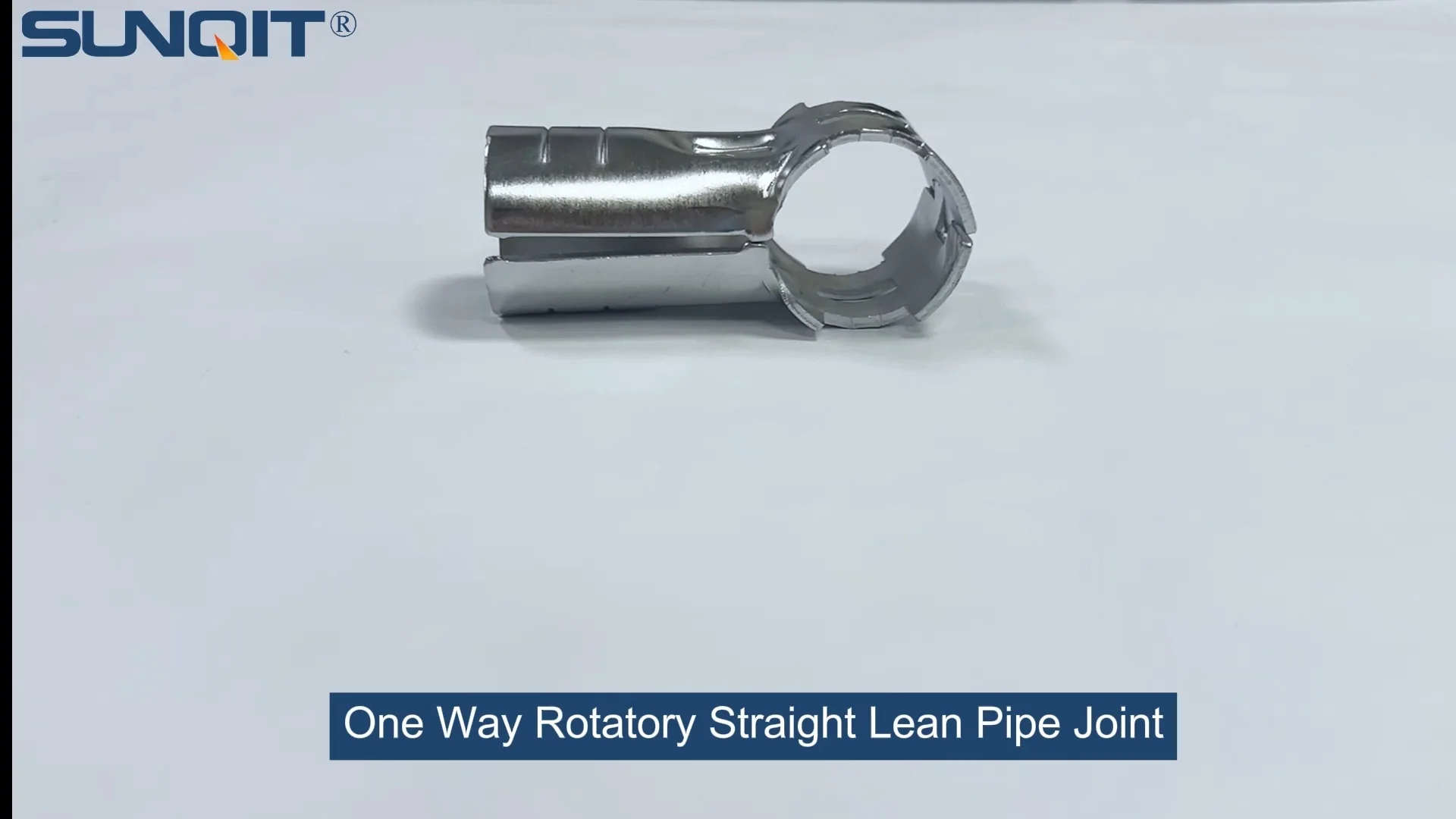
In the fast-paced world of manufacturing and logistics, where every second counts and adaptability is key, the backbone of efficient operations often lies in the smallest components. Walk through any modern factory floor or warehouse, and you'll notice a symphony of moving parts—conveyor belts gliding, workbenches organized, and materials flowing seamlessly from one station to the next. What keeps this symphony in tune? It's not just the big machines, but the unsung heroes: the modular components that make flexibility possible. Today, we're shining a spotlight on one such hero: the One Way Rotatory Straight Lean Pipe Joint Chrome . This unassuming yet powerful component is revolutionizing how businesses build and adapt their conveyor systems, and by the end of this article, you'll understand why it's become a non-negotiable for anyone serious about lean manufacturing and operational agility.
The Need for Flexibility in Modern Production: Why "One-Size-Fits-All" No Longer Cuts It
Gone are the days when production lines were set in stone. Today's market demands customization, rapid product changes, and short production runs. A smartphone manufacturer might switch from assembling 5-inch screens to 6-inch screens overnight; a logistics hub might need to reroute packages to meet a sudden surge in e-commerce orders. In such scenarios, rigid, fixed conveyor systems become bottlenecks. They take weeks to reconfigure, cost a fortune to modify, and often require halting production entirely. This is where modular systems—built on components like lean pipe, aluminum profile, and roller track—step in. They allow teams to rework layouts in hours, not weeks, and adapt to new needs without major overhauls. But even among modular components, some stand out for their ability to elevate flexibility to new heights. Enter the One Way Rotatory Straight Lean Pipe Joint Chrome.
Understanding the Basics: Lean Pipe, Roller Track, and the Role of Joints
Before diving into the specifics of the one-way rotatory joint, let's get grounded in the basics of modular conveyor systems. At the core of these systems is lean pipe —lightweight, durable tubes (often steel or aluminum) that form the skeleton of workbenches, material racks, and conveyors. These pipes are connected using joints, which determine how the structure can move, bend, or adapt. Then there's roller track —the grooved rails with rolling wheels that allow materials to glide smoothly, reducing manual labor and speeding up workflows. Combine lean pipe, roller track, and the right joints, and you have a system that can be tailored to almost any task, from assembling electronics to sorting packages.
Traditionally, joints were static: fixed at 90°, 45°, or straight angles, offering little room for movement. If you needed a conveyor section to tilt slightly or a workbench to adjust its height, you'd have to disassemble and rebuild with different joints. This is where the one-way rotatory straight lean pipe joint chrome changes the game. Unlike fixed joints, it allows controlled, one-directional rotation, making it possible to adjust angles, slopes, and positions on the fly—without tools, without downtime, and without compromising stability.
Spotlight on Innovation: What Makes the One Way Rotatory Straight Lean Pipe Joint Chrome Unique?
Let's break down the features that make this joint a standout in the world of modular components:
1. One-Way Rotation: Precision Movement Where It Matters
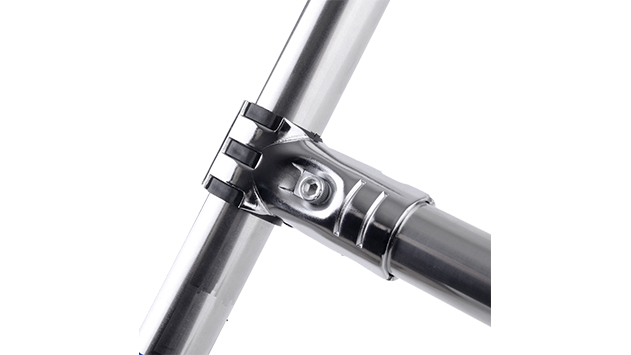
The "one-way" aspect is key. Unlike fully swiveling joints that might wobble or lose alignment, this joint rotates smoothly in a single direction (typically 0° to 180°) and locks securely in place at any angle. Imagine a conveyor section that needs to tilt downward to feed materials into a sorting bin—with a fixed joint, you'd need to build a permanent slope. With this rotatory joint, you can adjust the tilt based on the size or weight of the materials that day: steeper for heavy boxes, gentler for fragile components. It's like having a conveyor that can "learn" and adapt to what's being thrown at it.
2. Chrome Coating: Durability That Stands the Test of Time
Chrome isn't just for shine—it's a workhorse finish. The chrome coating on this joint adds a layer of protection against rust, corrosion, and wear, making it ideal for environments where moisture, oils, or dust are common (think automotive factories or food processing plants). Unlike uncoated steel joints that might start to degrade after a year of heavy use, these chrome-plated joints maintain their integrity, ensuring your conveyor system stays stable and reliable for years. Plus, the smooth chrome surface reduces friction during rotation, so adjustments feel effortless, even after months of daily use.
3. Universal Compatibility: Plays Well With Others
A great component doesn't work in isolation—it plays well with the rest of the team. The one-way rotatory straight lean pipe joint chrome is designed to fit standard lean pipes (both steel and aluminum), as well as aluminum profile systems. Whether you're building a new conveyor from scratch or upgrading an existing setup, this joint slots right in. It also pairs seamlessly with roller track components, like roller track connectors and placon mounts, ensuring that your entire system works in harmony. No more worrying about mismatched parts or custom adapters—this joint is the ultimate team player.
4. Tool-Free Adjustment: Speed and Simplicity
Ever watched a maintenance crew fumble with wrenches and Allen keys just to tweak a conveyor angle? With this joint, those days are over. It features a simple lever or knob mechanism that lets operators adjust the rotation by hand—no tools required. Need to reposition a workbench shelf to accommodate taller boxes? Twist the knob, rotate the joint, lock it in place, and you're done. This not only saves time but also empowers frontline workers to make adjustments on their own, without waiting for a technician. It's flexibility in the truest sense: putting control back into the hands of the people who use the system daily.

Real-World Impact: How This Joint Transforms Operations
To truly appreciate the value of the one-way rotatory straight lean pipe joint chrome, let's look at how it's making a difference in real-world settings.
Case Study 1: Electronics Assembly Plant
A mid-sized electronics manufacturer was struggling with frequent product changes. Their assembly line used fixed lean pipe workbenches and conveyor sections, which meant every time they shifted from assembling smartwatches to Bluetooth speakers, they had to rebuild large portions of the line. This led to 4-6 hours of downtime per changeover, costing them thousands in lost productivity. After switching to modular systems with one-way rotatory joints, they reduced changeover time to just 45 minutes. Workers could now adjust conveyor slopes to accommodate different product sizes, reposition workbench shelves for new tool layouts, and even tilt roller tracks to speed up material flow—all without tools. The result? They increased production capacity by 20% and cut changeover costs by 70%.
Case Study 2: E-Commerce Fulfillment Center
An e-commerce warehouse faced seasonal spikes during holiday periods, requiring them to scale up their sorting conveyor system quickly. Their old system, built with rigid steel frames and fixed joints, couldn't handle the increased volume or the need to reroute packages to new sorting stations. By integrating one-way rotatory joints into their roller track conveyor, they could easily add temporary conveyor branches during peak times and fold them away when demand dropped. The joints' chrome coating also proved crucial in the dusty warehouse environment, resisting corrosion from constant exposure to cardboard particles and moisture. As a result, they reduced package handling errors by 15% and met delivery deadlines even during the busiest seasons.
Comparing Joints: Why the One-Way Rotatory Chrome Model Outperforms Others
Not all lean pipe joints are created equal. To understand why the one-way rotatory straight lean pipe joint chrome is a cut above, let's compare it to common alternatives:
| Joint Type | Flexibility | Durability | Adjustment Ease | Best For |
|---|---|---|---|---|
| Fixed Straight Joint (Non-Rotatory) | Low (no rotation) | High (static load) | Poor (requires disassembly) | Static structures like fixed shelving |
| 360° Swivel Joint | High (full rotation) | Moderate (prone to wobble under heavy load) | Good (but may slip without locking) | Lightweight, non-critical applications |
| One Way Rotatory Straight Lean Pipe Joint Chrome | High (controlled 0°-180° rotation) | Very High (chrome coating + locking mechanism) | Excellent (tool-free, secure locking) | Dynamic conveyor systems, adjustable workbenches, high-load applications |
As the table shows, the one-way rotatory chrome joint strikes the perfect balance between flexibility and stability. Unlike 360° swivel joints, it doesn't sacrifice security for movement—its locking mechanism ensures it stays in place even under heavy loads. And compared to fixed joints, it offers the adaptability modern operations demand.
Beyond the Joint: Building a Complete Flexible System
While the one-way rotatory straight lean pipe joint chrome is a star player, it's most effective when paired with other high-quality components. Here's how to build a cohesive, flexible system:
1. Start with Quality Lean Pipe and Aluminum Profile
The joint is only as strong as the pipes it connects. Opt for high-grade lean pipe (either steel with PE coating or aluminum) and precision-engineered aluminum profile. Look for pipes with consistent diameters and smooth surfaces to ensure a tight fit with the joint.
2. Integrate Roller Track for Smooth Material Flow
Pair the rotatory joint with roller track systems to create dynamic conveyors. Choose roller track with durable wheels (like steel or ESD-safe plastic) and compatible connectors. The joint's rotation will let you adjust the track's angle, optimizing flow speed for different materials.
3. Add Adjustable Workbenches for Ergonomics
Use the joint to build height-adjustable workbenches. By rotating the joint, workers can raise or lower benchtops to match their height, reducing strain and boosting productivity. Combine this with anti-fatigue mats and ergonomic tool holders for a complete workstation solution.
4. Choose a Reliable Lean Pipe Supplier
Not all suppliers offer the same quality. Look for a lean pipe supplier that specializes in modular systems and can provide not just joints, but also pipes, roller track, and accessories. A good supplier will offer technical support, ensuring you get the right components for your specific needs and helping you troubleshoot any issues.
Why Chrome? The Unsung Benefits of the Coating
We've mentioned the chrome coating a few times, but it's worth diving deeper into why this feature matters. Chrome plating isn't just about aesthetics—it adds three critical benefits:
- Corrosion Resistance: In environments with moisture, oils, or chemicals (like automotive plants or food processing facilities), uncoated steel joints can rust, weakening the structure over time. Chrome acts as a barrier, preventing rust and extending the joint's lifespan by 3-5 years.
- Low Friction: The smooth chrome surface reduces friction during rotation, making adjustments easier and preventing wear on the joint's moving parts. This means less maintenance and smoother operation over time.
- Easy Cleaning: Chrome is non-porous and resistant to stains, making it simple to wipe clean. In cleanroom environments (like electronics manufacturing), this is crucial for maintaining sterility and preventing contamination.
Future-Proofing Your Operations: Why Now Is the Time to Upgrade
The manufacturing and logistics industries are evolving faster than ever. With trends like Industry 4.0, automation, and mass customization on the rise, flexibility isn't just a nice-to-have—it's a survival skill. The one-way rotatory straight lean pipe joint chrome isn't just a component; it's an investment in your ability to adapt to whatever the future brings. By upgrading to modular systems with this joint, you're not just improving today's operations—you're building a foundation that can scale, change, and grow with your business.
Conclusion: The Small Component That Makes a Big Difference
In the grand scheme of manufacturing and logistics, the one-way rotatory straight lean pipe joint chrome might seem small. But as we've seen, it's the kind of component that ripples through your entire operation, making workflows smoother, changeovers faster, and teams more agile. It's the difference between a production line that struggles to keep up and one that leads the pack. It's the key to turning rigid systems into flexible ecosystems that empower workers and drive growth.
So, if you're ready to take your conveyor systems, workbenches, and material handling to the next level, it's time to consider the one-way rotatory straight lean pipe joint chrome. Pair it with quality lean pipe, roller track, and aluminum profile, and partner with a trusted supplier. Your team, your bottom line, and your future self will thank you.