- Company Articles
- Products and Technology
- Product knowledge
- One Way Rotatory Straight Lean Pipe Joint Chrome: Compatibility with Standard Lean Pipes

One Way Rotatory Straight Lean Pipe Joint Chrome: Compatibility with Standard Lean Pipes
Related Product
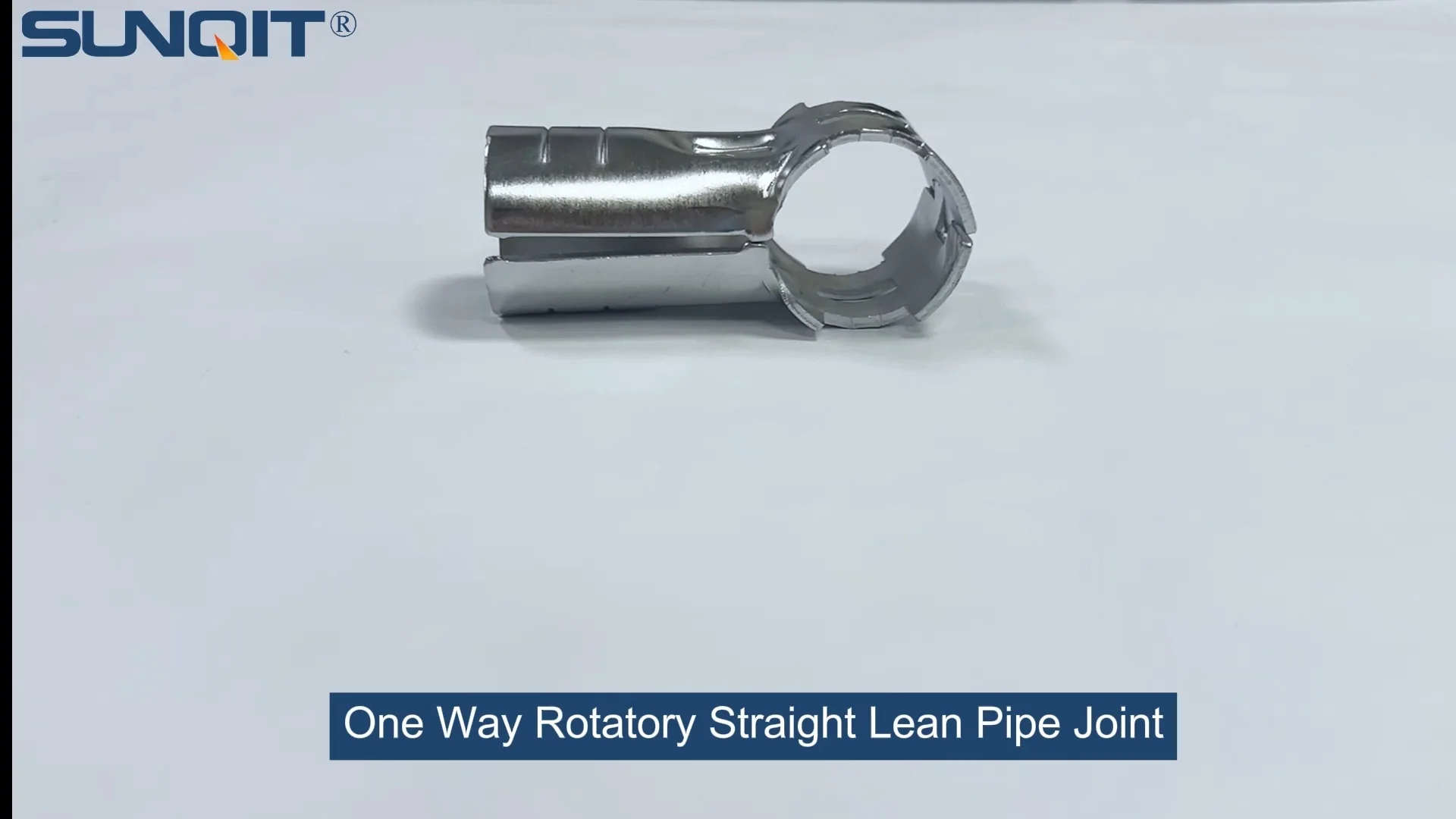
One Way Rotatory Straight Lean Pipe Joint Chrome
Two way lean pipe joint for 2 pcs 28MM lean pipe connection in straight angle with rotatory fucntion, which used widely in workbench, flow rack, hand trolley frame connection.
Walk into any busy workshop, manufacturing plant, or warehouse, and you'll notice a common thread: the relentless pursuit of efficiency. Every tool, every workstation, every inch of space is designed to keep things moving—because when operations stall, deadlines slip, and frustration grows. But here's the thing: many teams are still stuck with rigid, one-size-fits-all setups that resist change. A workstation built for last month's project might feel like a straightjacket today, forcing workers to contort their movements or waste time fetching tools from across the floor. What if there was a way to make those workstations adapt as quickly as your needs do? Enter the unsung hero of flexible workflow: the One Way Rotatory Straight Lean Pipe Joint Chrome . This small but mighty component is changing how teams build, adjust, and optimize their workspaces—starting with how it seamlessly connects to standard lean pipes.
The Problem with Rigid Workstations: Why Flexibility Matters
Let's start with a scenario we've all seen (or lived). Imagine a small electronics assembly team that builds two product lines: one compact and lightweight, the other bulkier with more components. Their current workbench, made with fixed metal frames, was perfect for the first product. But when the second line launched, suddenly the work surface felt cramped. Tools that once sat within arm's reach now require stretching; bins of parts that used to slide smoothly now get stuck on the rigid edges. The team leader suggests rebuilding the bench, but that means downtime, new materials, and hiring a handyman—all costs that eat into tight margins. Sound familiar? Rigidity in workstation design isn't just inconvenient; it's a silent productivity killer.
Lean manufacturing principles teach us that waste—whether of time, space, or effort—drains value. A workstation that can't adapt to new tasks, team sizes, or product specs is a breeding ground for waste. Workers take longer to complete tasks. Errors increase as frustration mounts. And when the next project comes along, the cycle repeats. This is where lean pipe systems shine. Built from modular pipes and joints, they let teams create custom workbenches, flow racks, and material carts that can be reconfigured in minutes, not days. But even within lean systems, not all joints are created equal. Fixed joints lock pipes into place, offering stability but zero flexibility. Swivel joints allow rotation but sometimes lack the precision needed for straight-line workflows. That's where the one way rotatory straight lean pipe joint chrome steps in: it balances stability with controlled movement, making it a game-changer for teams that need both structure and adaptability.
What Is the One Way Rotatory Straight Lean Pipe Joint Chrome?
At first glance, it might look like just another metal connector—but don't let its simplicity fool you. The one way rotatory straight lean pipe joint chrome is engineered for a specific purpose: to connect standard lean pipes in a straight line while allowing controlled, one-way rotation. Let's break that down. "Straight" means it's designed to align pipes along a linear path, keeping workflows organized and preventing the zig-zag chaos that can slow down material handling. "One way rotatory" refers to its ability to rotate in a single direction (usually 180 degrees, though some models offer more) before locking into place, giving workers the flexibility to adjust angles without compromising stability. And "chrome" isn't just for show: the chrome plating adds a layer of corrosion resistance, making it durable enough for busy workshops where moisture, oil, or dust are part of the daily grind.
But what really sets this joint apart is its design. Inside the chrome-plated casing is a precision-engineered mechanism that allows smooth rotation while maintaining a tight grip on the pipe. Unlike cheap plastic joints that wear out quickly or loose-fitting metal ones that wobble, this joint is built to withstand repeated adjustments. Whether you're repositioning a workbench shelf to accommodate taller parts or angling a flow rack to improve ergonomics, the rotation is smooth, consistent, and secure. Once you've set the angle you need, it stays put—no unexpected slipping or shifting mid-task.
Compatibility with Standard Lean Pipes: A Perfect Fit
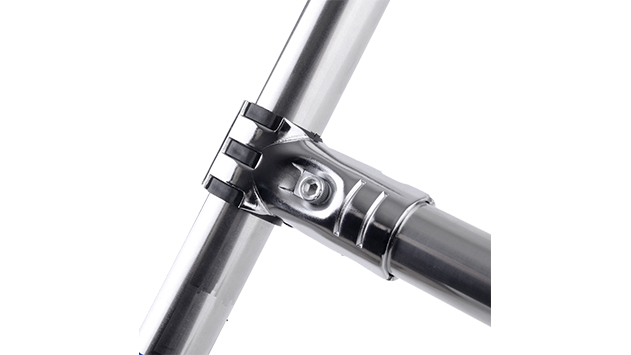
The most critical question for any lean pipe component is: will it work with the pipes I already have? For teams investing in lean systems, compatibility isn't just a convenience—it's a cost-saver. There's no need to replace existing pipes if you can find joints that fit. The one way rotatory straight lean pipe joint chrome is designed with this in mind, ensuring it plays well with the standard lean pipes used in most workshops today.
Dimensions: Matching the Industry Standard
Standard lean pipes (also called "lean tubes") typically come in diameters of 28mm or 30mm, with wall thicknesses ranging from 1.0mm to 2.0mm (common options include 1.2mm, 1.5mm, and 2.0mm PE coated lean pipe or stainless steel pipe). The one way rotatory straight lean pipe joint chrome is machined to fit these standard sizes snugly. Its internal diameter is calibrated to grip the pipe firmly, preventing slippage even under load. Whether you're using PE-coated steel pipes, stainless steel pipes, or even aluminum lean pipes (with the right adapters), this joint creates a secure connection that stands up to daily use.
Let's take a closer look at material compatibility. PE-coated lean pipes are popular for their affordability and corrosion resistance, making them ideal for dry or moderately humid environments. Stainless steel pipes, on the other hand, are a must for cleanrooms, food processing facilities, or areas with high moisture. The chrome-plated finish of the joint holds its own against both: it resists rust when paired with stainless steel and won't scratch or degrade PE coatings. This versatility means you can mix and match pipe materials without worrying about joint performance—a huge plus for teams that repurpose pipes from old setups.
How It Connects: The Mechanics of a Secure Fit
So, how exactly does the joint attach to the pipe? Most lean pipe joints use a friction-based design: the joint's inner sleeve tightens around the pipe as a setscrew is tightened. The one way rotatory straight lean pipe joint chrome follows this principle but adds a twist (pun intended). Its internal sleeve is lined with a rubberized grip that enhances friction, ensuring a tighter hold even when the joint is rotated. The setscrew—usually a hex-head bolt—locks the joint into place once the desired angle is set. This dual-action design (friction + mechanical lock) means you get both flexibility during adjustment and rock-solid stability during use.
For example, imagine building a flow rack for small parts. The top shelf needs to stay level, but the middle shelf should tilt slightly to let parts slide forward as they're used. With a fixed joint, you'd have to cut the pipes at an angle to achieve that tilt—a permanent change that makes reconfiguring later impossible. With the one way rotatory joint, you simply connect the pipes, rotate the middle shelf to the desired angle, and tighten the setscrew. When the next project requires a flat shelf, loosen the screw, rotate back to horizontal, and lock it in. No cutting, no welding, no wasted materials. That's the power of compatibility and controlled rotation.

Key Features: Why Chrome Plating and Rotation Matter
Beyond compatibility, the one way rotatory straight lean pipe joint chrome boasts features that make it a standout choice for busy workplaces. Let's dive into what makes it tick.
- Chrome Plating for Durability: Chrome isn't just about shine—it's a protective barrier. Chrome-plated steel resists scratches, corrosion, and wear better than uncoated metal. In workshops where tools are dropped, parts are dragged, and cleaning solutions are used, this matters. A chrome finish ensures the joint stays functional (and looking professional) for years, even with heavy use.
- One-Way Rotation for Controlled Flexibility: Unlike 360-degree swivel joints, which can sometimes rotate too freely, this joint rotates in one direction (typically 180 degrees) and locks at any point along that range. This controlled movement is perfect for tasks that require precise angles—like tilting a workbench surface for better ergonomics or adjusting a flow rack to match the height of a conveyor. It prevents accidental rotation during use, keeping workflows predictable.
- High-Strength Steel Construction: The joint's body is made from high-grade steel, giving it the strength to support heavy loads. Whether you're building a workbench that holds tools and equipment or a material cart carrying bulk parts, you can trust this joint to handle the weight without bending or breaking.
- Easy to Clean: Chrome's smooth surface repels dust, oil, and grime, making cleanup a breeze. In environments where cleanliness is critical—like electronics assembly or medical device manufacturing—this is a huge advantage. A quick wipe with a damp cloth is all it takes to keep the joint looking and working like new.
Installation Made Simple: No Special Skills Required
One of the biggest benefits of lean pipe systems is their accessibility. You don't need to be a professional welder or carpenter to build or modify them. The one way rotatory straight lean pipe joint chrome is no exception. Installation takes just a few minutes and requires only basic tools—no fancy equipment needed. Here's a quick step-by-step guide:
- Gather Your Tools: You'll need a hex key (usually 5mm or 6mm, depending on the joint size) and a rubber mallet (optional, for tapping pipes into place).
- Prepare the Pipes: Cut your standard lean pipes to the desired length using a pipe cutter or hacksaw. Deburr the edges to remove sharp metal, which could damage the joint's grip.
- insert the Pipe into the Joint: Slide one end of the pipe into the joint's sleeve until it hits the internal stop. The pipe should fit snugly but not so tight that you need to force it.
- Adjust the Rotation: Rotate the joint to the angle you need (e.g., 15 degrees for a tilted shelf). The one-way mechanism will let you move it smoothly in one direction and hold position when you let go.
- Lock It In: Tighten the setscrew with the hex key. Apply firm pressure—you want the joint to grip the pipe securely, but avoid over-tightening, which could strip the screw or damage the pipe.
- Repeat for the Second Pipe: insert and lock the second pipe into the other end of the joint. Test the connection by gently pulling on the pipes—they should not move or rotate unless the setscrew is loosened.
That's it! Even someone with no prior lean pipe experience can master this process in minutes. This ease of installation is a huge win for small teams or facilities without dedicated maintenance staff. When a workstation needs to be reconfigured, any team member can step in, saving time and reducing downtime.
Real-World Impact: How One Joint Transformed a Small Assembly Line
To understand the difference this joint can make, let's look at a real example (names changed for privacy). Precision Parts Co. is a small manufacturer of custom machine components with a team of 12 workers. Their assembly line relied on fixed workbenches built with wooden frames and metal brackets. When they landed a contract for a new product line with larger, heavier parts, they quickly realized their workbenches were too low and too rigid. Workers were bending over to reach tools, and parts kept sliding off the flat surfaces.
The team considered buying new workbenches, but quotes came in at $3,000+ per bench—way over budget. Instead, they turned to a lean pipe system, purchasing standard 28mm PE-coated lean pipes and a variety of joints from a local lean pipe supplier . Initially, they used fixed joints for the frame, but soon hit a snag: the material racks attached to the workbenches needed to tilt to feed parts into the assembly line, but fixed joints made that impossible. A quick call to their supplier led them to the one way rotatory straight lean pipe joint chrome.
Within a day, the team had rebuilt three workbenches using the rotatory joints. They angled the material racks at 10 degrees, making parts slide gently toward workers without falling off. The workbench surfaces, still supported by fixed joints for stability, stayed level, while the racks adapted to the new parts. The result? Workers reported less back strain, and assembly time per unit dropped by 15%. Best of all, when the next order (for smaller parts) came in, they simply loosened the setscrews, rotated the racks back to horizontal, and locked them in. No new materials, no downtime—just a quick adjustment. As the production manager, Maria, put it: "We used to think flexibility meant spending more money. Now we know it just means choosing the right joints."
Comparing Joints: Why One Way Rotatory Stands Out
Not all lean pipe joints are created equal. To help you see why the one way rotatory straight lean pipe joint chrome is a top choice for flexibility, here's a comparison with other common joint types:
| Joint Type | Compatibility with Standard Lean Pipes | Rotation Capability | Best For | Key Limitation |
|---|---|---|---|---|
| Fixed Straight Joint | High (fits standard pipes) | None (locks at 180 degrees) | Stable frames, vertical supports | No flexibility—permanent angle |
| 360° Swivel Joint | High (fits standard pipes) | Full rotation (360 degrees) | Material carts, rotating shelves | Can rotate unintentionally during use |
| One Way Rotatory Straight Joint Chrome | High (fits standard pipes) | Controlled one-way rotation (up to 180 degrees) | Tilted shelves, adjustable flow racks, ergonomic workstations | Limited to one direction of rotation |
| 90° Elbow Joint | High (fits standard pipes) | Fixed at 90 degrees | Corners, right-angle frames | No adjustability—only 90 degrees |
As the table shows, the one way rotatory joint fills a unique niche: it offers the adjustability of a swivel joint with the control of a fixed joint. For teams that need both stability and adaptability—like those handling multiple product lines or frequent workflow changes—it's the ideal balance.
Choosing a Reliable Lean Pipe Supplier: Why Quality Matters
Of course, even the best joint design is only as good as the materials and manufacturing behind it. When shopping for one way rotatory straight lean pipe joints (or any lean pipe and accessories ), choosing a reputable supplier is critical. Here's why:
- Consistent Quality: Cheap joints may look similar, but they often use low-grade steel that bends under load or setscrews that strip easily. A reliable supplier tests their joints for strength, durability, and fit, ensuring every piece works as intended.
- Accurate Sizing: Standard lean pipes have tight tolerances—even a 1mm difference in joint diameter can lead to loose connections or damaged pipes. A reputable supplier machines joints to precise dimensions, guaranteeing compatibility with standard pipes.
- Technical Support: Maybe you're unsure which joint is right for your project, or you need help troubleshooting an installation. A good supplier offers expert advice, not just products. They'll listen to your needs and recommend solutions that fit your workflow, not just their inventory.
- Inventory Depth: When you need to reconfigure a workstation quickly, waiting for backordered joints isn't an option. A reliable supplier keeps a wide range of joints, pipes, and accessories in stock, so you can get what you need when you need it.
Don't just take our word for it. Precision Parts Co. initially bought cheap fixed joints from an online marketplace, only to find that half of them had misaligned setscrews that wouldn't tighten properly. They wasted hours trying to make them work before switching to a local supplier who specialized in lean systems. The difference was night and day: the new joints fit perfectly, and the supplier even sent a technician to demo the rotatory joints for free. As Maria put it: "We saved money upfront with the cheap joints, but we lost so much time fixing them. Now we know: quality suppliers aren't a cost—they're an investment."
Conclusion: Flexibility Isn't a Luxury—It's a Necessity
In today's fast-paced manufacturing and warehousing environments, adaptability isn't optional. Customer demands change. Product lines evolve. Team sizes fluctuate. Your workstation setup needs to keep up—and that starts with the right components. The one way rotatory straight lean pipe joint chrome is more than just a connector; it's a tool for empowerment. It lets teams take control of their workspace, reduce waste, and focus on what matters: creating great products.
Whether you're building a new lean system from scratch or upgrading an existing one, don't overlook the power of a well-designed joint. Compatibility with standard lean pipes ensures you can use your existing materials. Controlled rotation gives you the flexibility to adapt without sacrificing stability. And chrome plating ensures durability that stands up to the demands of daily use. Pair it with a reliable lean pipe supplier, and you've got a recipe for a workspace that grows with your business.
So, the next time you look at your workstation and think, "This could work better," remember: the solution might be smaller than you think. A single joint could be all it takes to turn frustration into efficiency, rigidity into adaptability, and waste into value. After all, in lean manufacturing, the smallest changes often make the biggest impact.