- Company Articles
- Products and Technology
- Product knowledge
- One Way Rotatory Straight Lean Pipe Joint Chrome: Key Features to Look for in 2025

One Way Rotatory Straight Lean Pipe Joint Chrome: Key Features to Look for in 2025
Related Product
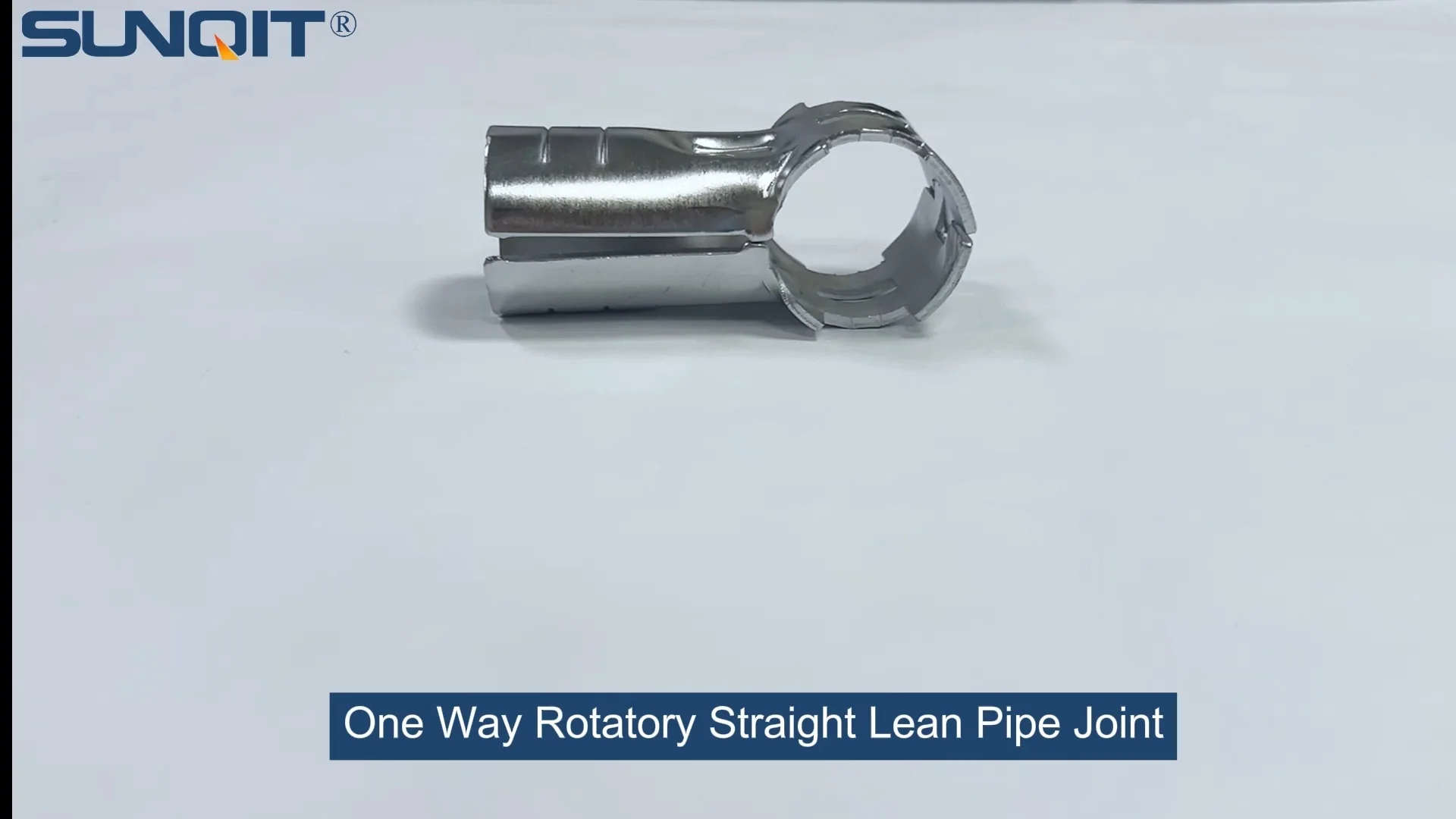
One Way Rotatory Straight Lean Pipe Joint Chrome
Two way lean pipe joint for 2 pcs 28MM lean pipe connection in straight angle with rotatory fucntion, which used widely in workbench, flow rack, hand trolley frame connection.
The Unsung Hero of Modern Lean Manufacturing
In the fast-paced world of manufacturing, where every second counts and efficiency is the name of the game, it's often the smallest components that make the biggest difference. Lean manufacturing systems—designed to minimize waste, streamline workflows, and boost productivity—rely on a delicate balance of precision, durability, and adaptability. And at the heart of these systems lies a component so yet so critical: the lean pipe joint. Today, we're shining a spotlight on one specific star in this category: the One Way Rotatory Straight Lean Pipe Joint Chrome . As we step into 2025, this unassuming piece of hardware is becoming a cornerstone for businesses aiming to build flexible, long-lasting lean setups. Let's dive into why it matters, what makes a great one, and how to choose the best option for your operation.
First, let's set the stage. Lean systems are all about creating value—whether that's through faster production cycles, easier material handling, or adaptable workspaces. Think about a typical factory floor: workbenches where assemblers piece together products, flow racks that feed parts to the line, conveyors that move goods from station to station. Every one of these structures is built using lean pipes (or lean tubes) connected by joints. The joints? They're the glue that holds everything together. But not all joints are created equal. The one-way rotatory straight lean pipe joint chrome, with its unique ability to rotate in a single direction while maintaining a rigid straight connection, is redefining how manufacturers design their workflows. It's not just a connector; it's a tool for precision, control, and adaptability.
What Exactly Is a One Way Rotatory Straight Lean Pipe Joint Chrome?
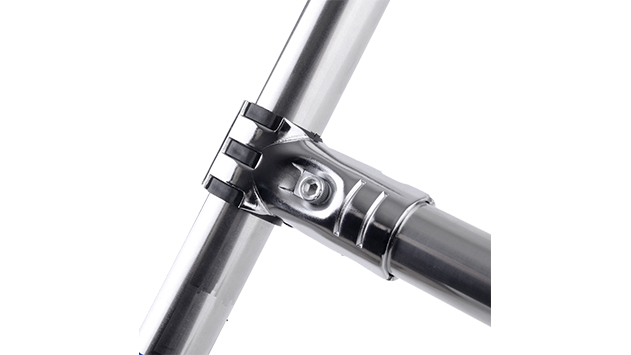
Let's start with the basics. A lean pipe joint is a hardware component that connects lean pipes (hollow tubes made of steel, aluminum, or stainless steel) to form structures like workbenches, racks, or trolleys. Most joints are fixed, allowing for rigid 90° or 180° connections, but the one way rotatory straight lean pipe joint chrome adds a twist—literally. As the name suggests, it allows rotation in one direction (usually 0° to 180°) while keeping the connected pipes aligned straight. The "chrome" part refers to its plating, a layer of chromium applied to the surface to enhance durability and resistance to corrosion.
But why does direction matter? Imagine a flow rack where parts need to glide from a higher shelf to a lower one, but you don't want them sliding back. Or a workbench where a tool arm needs to swing into position but stay locked when not in use. That's where one-way rotation comes in. The joint uses a internal mechanism—often a spring-loaded pin or ratchet system—that lets the connected pipe rotate forward but locks it in place when pushed backward. It's like a door hinge that only opens one way, preventing accidental movement and ensuring consistency in the workflow.
Now, the "straight" aspect is key too. Unlike angled joints (which connect pipes at 45° or 90°), this joint keeps pipes in a straight line, making it ideal for building linear structures like conveyor rails, long workbench frames, or extended flow rack tracks. Combine that with one-way rotation, and you've got a joint that's both versatile and precise—perfect for modern lean setups that demand both structure and flexibility.
Key Features to Prioritize in 2025
As manufacturing evolves, so do the demands on components like lean pipe joints. In 2025, sustainability, automation, and durability are no longer "nice-to-haves"—they're requirements. When shopping for a one way rotatory straight lean pipe joint chrome, here are the features that will make or break its performance in your operation:
1. Chrome Plating Quality: More Than Just Shine
Chrome plating isn't just for aesthetics (though it does give the joint a sleek, professional look). A high-quality chrome layer acts as a barrier between the underlying steel and the environment, protecting against rust, scratches, and chemical exposure—common hazards in factories where oil, coolant, or cleaning agents are present. In 2025, look for joints with triple-layer chrome plating (a base layer of nickel, a middle layer of copper, and a top layer of chromium) rather than single-layer. This multi-layer approach improves adhesion, reduces chipping, and extends the joint's lifespan by 30-50% compared to basic plating.
How can you spot good plating? Run your finger along the surface—it should feel smooth, with no bumps or discoloration. A quick test: drop a few drops of water on the joint and let it sit for an hour. If the water beads up (instead of spreading or leaving a stain), the plating is intact and effective. Avoid joints with dull spots or flaking, as these are signs of poor adhesion.
2. Rotation Mechanism: Smooth, Consistent, and Reliable
The one-way rotation mechanism is the joint's defining feature—so it needs to work flawlessly, even after thousands of cycles. In 2025, the best joints use precision-engineered ratchets or ball-bearing systems instead of cheap plastic gears, which wear out quickly. A ratchet mechanism uses teeth that lock into place when rotated backward, while ball bearings reduce friction, making rotation smoother and quieter.
What should you test? Rotate the joint back and forth (within its allowed range) several times. It should move with minimal effort but lock firmly when reversed—no "slipping" or "clicking" sounds, which indicate worn parts. For heavy-duty applications (like supporting loaded flow racks), look for joints with a rotation load capacity of at least 50kg. Some manufacturers now include a "lifespan rating" (e.g., "100,000 cycles")—aim for this to ensure long-term reliability.
3. Compatibility: Fits Your Pipes, Fits Your Needs
Lean pipes come in various diameters (common sizes are 28mm, 30mm, and 40mm), and the last thing you want is a joint that doesn't fit your existing tubes. In 2025, versatility is key. Look for joints with adjustable clamping collars —rings that can be tightened or loosened to fit pipes of different sizes (e.g., 28-32mm). This is especially useful if your factory uses a mix of old and new pipes, or if you plan to upgrade to larger tubes in the future.
Don't forget about material compatibility, either. If you use aluminum lean pipes, ensure the joint's internal clamping surfaces are lined with rubber or plastic to prevent scratching the aluminum's anodized finish. For stainless steel pipes, look for joints with stainless steel internal components (not just chrome plating) to avoid galvanic corrosion (a reaction between dissimilar metals that causes rusting).
4. Load Capacity: It's All About Strength
A joint is only as good as its ability to hold weight. Whether you're building a lightweight workbench or a heavy-duty material rack, the joint must support both the static load (the weight of the structure itself) and dynamic load (the weight of materials placed on it). In 2025, manufacturers are pushing the limits—top-tier one-way rotatory joints now boast static load capacities of 200kg+ and dynamic load capacities of 150kg+ .
To verify load capacity, check the product specs for "shear strength" (the force required to break the joint when pulled sideways) and "tensile strength" (the force required to pull the joint apart). A shear strength of 5000N (newtons) or higher is ideal for industrial use. If you're unsure, ask the supplier for a test report—reputable lean pipe suppliers will happily provide data from third-party labs.
5. Ease of Installation: Time Is Money
In lean manufacturing, downtime is the enemy. A joint that takes 10 minutes to install per connection adds up fast when building a large structure. The best one-way rotatory joints in 2025 feature tool-free or quick-assembly designs . Look for options with thumb screws, snap-on collars, or cam levers instead of nuts and bolts that require wrenches. Some even come with pre-applied thread locker (a chemical that prevents screws from loosening over time), eliminating the need for extra steps.
Pro tip: Test installation with a sample joint and pipe. Can you tighten it securely with just your hands? Does the rotation mechanism engage smoothly right away? If you need a tool, is it a common one (like a Phillips screwdriver) or a specialty tool you'll have to track down? The easier it is to install, the faster you can get your lean system up and running.

Why These Features Matter in Real-World Applications
Numbers and specs are important, but let's ground this in reality. How do these features translate to better outcomes on the factory floor? Let's look at two common applications where the one way rotatory straight lean pipe joint chrome shines: lean pipe workbenches and flow racks .
Application 1: Lean Pipe Workbench with Adjustable Tool Arms
Imagine an electronics assembly line where workers need access to soldering irons, screwdrivers, and testers. A lean pipe workbench with tool arms that swing into position (but stay put when not in use) can cut down on wasted movement. Here's where the one-way rotatory joint comes in: each tool arm is connected to the bench frame with the joint, allowing the arm to swing forward (toward the worker) but lock when pushed back. The chrome plating resists the heat and minor spills common in electronics work, while the high load capacity ensures the arm doesn't sag under the weight of tools. With tool-free installation, the maintenance team can reconfigure the workbench in minutes if production needs change—no more waiting for a technician with a wrench.
Application 2: Flow Rack for Automotive Parts
Automotive factories often use flow racks to store and dispense heavy parts like brake calipers or engine components. These racks rely on inclined tracks where parts slide down to the pick point. A one-way rotatory joint at the top of each track ensures the track stays inclined at the optimal angle (usually 5-10°) but can be rotated flat for loading. The joint's one-way lock prevents the track from tilting backward under the weight of parts, while the chrome plating stands up to the oil and grease that often coat automotive components. With a dynamic load capacity of 150kg, the joint can handle stacks of parts without bending or breaking—keeping the line fed and production on schedule.
In both cases, the joint's features directly contribute to lean goals: reducing waste (time, movement, materials), improving efficiency (faster setup, smoother workflows), and enhancing durability (longer-lasting structures that need less maintenance).
Trends Shaping One Way Rotatory Joints in 2025
The manufacturing landscape is always evolving, and lean pipe joints are no exception. Here are three trends driving innovation in one-way rotatory straight lean pipe joint chrome design this year:
1. Sustainability: As factories aim for net-zero goals, eco-friendly materials and processes are in demand. Look for joints made from recycled steel and chrome-plated using hexavalent chromium-free processes (a safer, more environmentally friendly alternative to traditional chrome plating). Some suppliers are even offering take-back programs, where old joints are recycled into new ones—closing the loop on waste.
2. Smart Manufacturing Integration: The rise of Industry 4.0 means more sensors and data collection on the factory floor. Forward-thinking manufacturers are adding RFID tags or QR codes to joints, allowing maintenance teams to track installation dates, load capacities, and replacement schedules via a smartphone app. Imagine scanning a joint and instantly knowing it was installed in 2023 and is due for inspection in 2026—predictive maintenance made easy.
3. Customization: No two factories are the same, so why should joints be one-size-fits-all? In 2025, lean pipe suppliers are offering custom rotation angles (e.g., 0°-90° instead of 0°-180°), colored chrome plating (for visual organization), and even branded joints (with your company logo) for a cohesive look. Customization doesn't have to mean higher costs, either—many suppliers now offer low-minimum-order custom options.
How to Choose the Right Supplier
Even the best joint design falls flat if it's poorly manufactured. When selecting a lean pipe supplier for your one way rotatory straight lean pipe joint chrome, keep these tips in mind:
- Check for certifications: Look for ISO 9001 (quality management) and ISO 14001 (environmental management) certifications. These ensure the supplier follows strict standards for production and sustainability.
- Ask for samples: A $5 sample joint is worth the investment to test quality before placing a bulk order. Test rotation, load capacity, and plating as described earlier.
- Read reviews: Look for feedback from other manufacturers in your industry. Did the joints hold up over time? Was customer service responsive when issues arose?
- Inquire about lead times: In 2025, supply chain delays are still a concern. Choose a supplier with local warehouses or short lead times (2-4 weeks max) to avoid project hold-ups.
The Bottom Line: Investing in Quality Pays Off
At the end of the day, the one way rotatory straight lean pipe joint chrome is more than just a piece of hardware—it's an investment in your factory's efficiency, durability, and adaptability. By prioritizing features like high-quality chrome plating, smooth rotation mechanisms, and strong load capacities, you're not just buying a joint; you're building a lean system that can keep up with the demands of 2025 and beyond. Whether you're constructing a lean pipe workbench , a flow rack, or a custom material handling solution, choosing the right joint will save you time, reduce waste, and keep your operation running like a well-oiled machine.
So, the next time you're planning a lean system upgrade, don't overlook the small stuff. The joints that connect your pipes might be out of sight, but their impact on your bottom line is impossible to miss.