- Company Articles
- Products and Technology
- Product knowledge
- One Way Rotatory Straight Lean Pipe Joint Chrome: Load Capacity & Weight Limits Explained

One Way Rotatory Straight Lean Pipe Joint Chrome: Load Capacity & Weight Limits Explained
Related Product
One Way Rotatory Straight Lean Pipe Joint Chrome
Two way lean pipe joint for 2 pcs 28MM lean pipe connection in straight angle with rotatory fucntion, which used widely in workbench, flow rack, hand trolley frame connection.
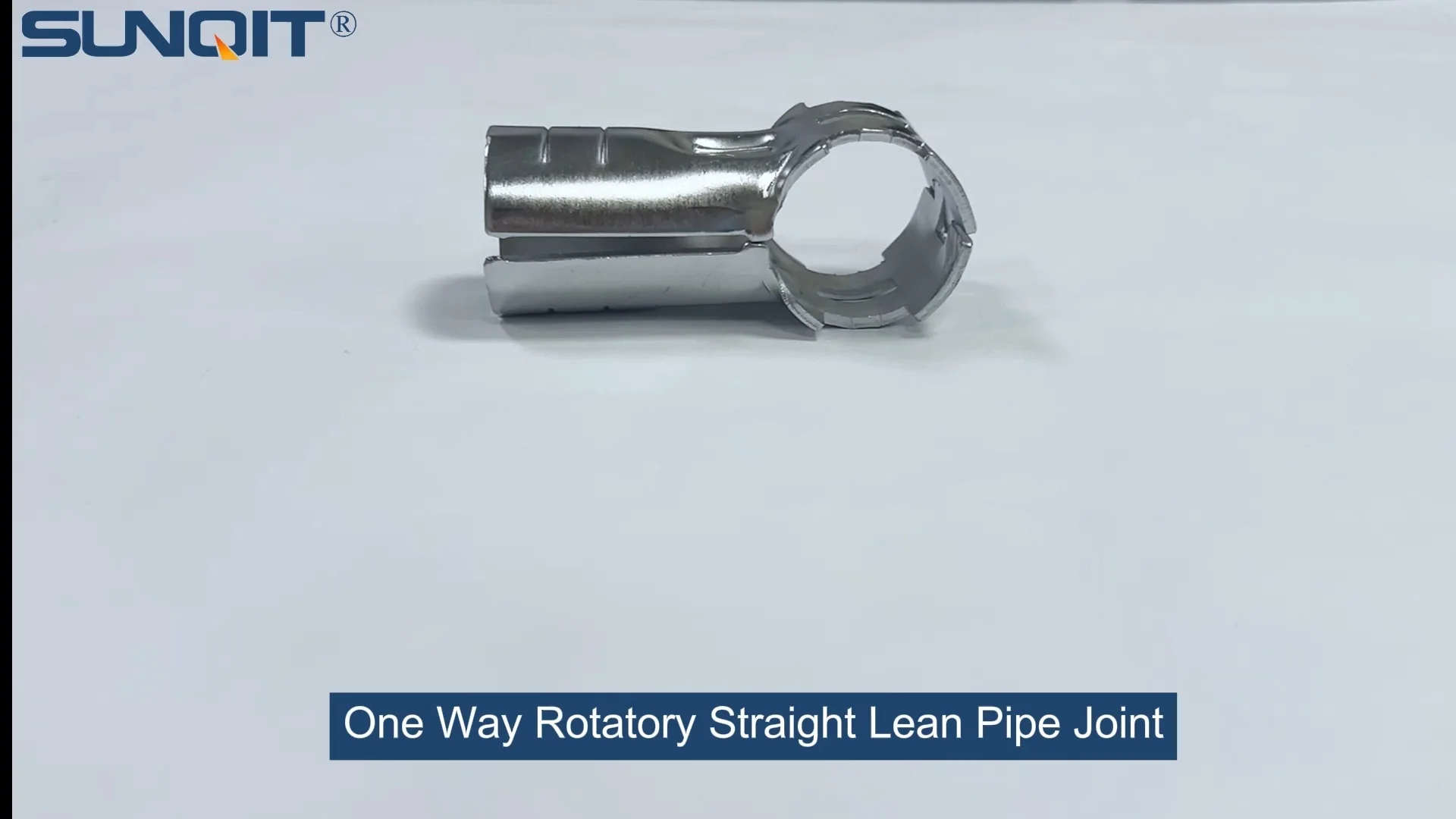
In the world of manufacturing and warehouse operations, where every component plays a role in keeping workflows smooth and efficient, it's often the smallest parts that make the biggest difference. Take the humble lean pipe joint, for example. These unassuming connectors are the backbone of lean systems, holding together everything from workbenches and flow racks to conveyor lines and material trolleys. Among the many types of lean pipe joints available, the one way rotatory straight lean pipe joint chrome stands out for its unique combination of flexibility and strength. But what exactly is this joint, and how do its load capacity and weight limits impact your operations? Let's dive in.
What Is a One Way Rotatory Straight Lean Pipe Joint Chrome?
Before we get into load capacities, let's clarify what makes this joint special. At its core, a one way rotatory straight lean pipe joint chrome is a connector designed to link lean pipes (also known as lean tubes) in a straight line while allowing rotation in one specific direction. The "chrome" in its name refers to its plating—a layer of chromium applied to the base metal (typically steel) to enhance durability, resist corrosion, and give it a sleek, professional finish. This is especially important in environments where moisture, oils, or chemicals are present, as chrome plating acts as a barrier against wear and tear.
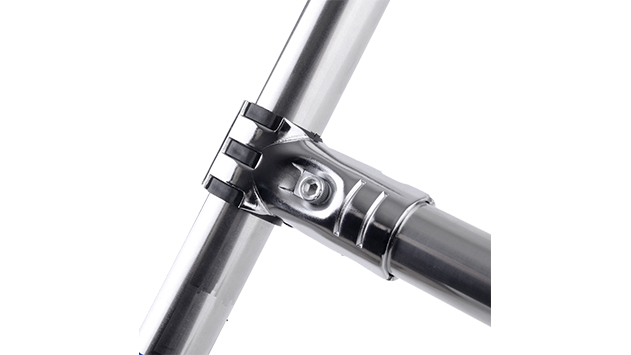
Unlike fixed joints that lock pipes in place rigidly, the "one way rotatory" feature lets the joint pivot in a single direction (usually 180 degrees) while staying fixed in the other. Think of it like a door hinge that only swings open one way—useful for setups where you need controlled movement, such as adjustable workbenches that tilt to a specific angle or material racks that need to guide items along a precise path. When paired with lean pipes (often 28mm in diameter, though sizes can vary), these joints become part of a modular system that's easy to assemble, reconfigure, and scale—key principles of lean manufacturing, which focuses on minimizing waste and maximizing efficiency.
The Basics of Load Capacity: What It Means for Your Operations
Load capacity is the maximum weight a joint (or any structural component) can safely support without failing. For the one way rotatory straight lean pipe joint chrome, this isn't just a single number—it depends on whether the load is static (stationary, like a stack of boxes on a shelf) or dynamic (moving, like parts sliding down a roller track). Understanding these distinctions is critical because overloading a joint can lead to bent pipes, collapsed structures, or even workplace accidents.
Manufacturers test load capacities under controlled conditions to provide guidelines, but real-world performance can vary. For example, a joint rated for 50kg static load might only handle 30kg dynamically, since movement adds stress (think of how shaking a heavy box feels heavier than holding it still). Similarly, the angle of rotation matters: if you rotate the joint to its maximum angle, the load it can bear might decrease compared to when it's in a straight, fixed position.
Factors That Affect Load Capacity & Weight Limits
Several factors influence how much weight a one way rotatory straight lean pipe joint chrome can handle. Let's break them down:
1. Material Quality & Construction
The base material of the joint (usually steel) and the thickness of the chrome plating play a big role. High-grade steel with a thick, uniform chrome layer is stronger and more resistant to deformation than thinner, lower-quality steel. Cheaper joints might cut corners on material thickness, leading to lower load capacities—so it's worth investing in joints from reputable lean pipe suppliers who prioritize quality.
2. Pipe Compatibility
These joints are designed to work with specific lean pipe sizes. Most commonly, they pair with 28mm diameter lean pipes (the standard in many industries), but some are made for smaller or larger pipes. Using a joint with a pipe that's too thin or too thick can compromise the connection, reducing load capacity. For example, a joint meant for 2.0mm pe coated lean pipe (a heavy-duty option) might not grip a 1.0mm pipe securely, leading to slippage under load.
3. Installation Torque
How tightly you fasten the joint to the pipe matters more than you might think. Under-tightening can cause the joint to slip, while over-tightening can strip threads or crack the chrome plating, weakening the joint over time. Most manufacturers recommend using a torque wrench to achieve the specified tightness (usually around 15-20 Nm for standard joints). Skipping this step is a common mistake that leads to premature failure.
4. Environmental Conditions
Extreme temperatures, humidity, and exposure to chemicals can all affect load capacity. Chrome plating helps with corrosion, but in very humid or salty environments (like coastal warehouses), even chrome can degrade over time. Similarly, high temperatures can soften the metal, reducing its strength, while cold temperatures can make it more brittle. Always check the manufacturer's guidelines for operating temperature ranges.

Typical Load Capacity Ratings: What to Expect
While exact load capacities vary by manufacturer, most one way rotatory straight lean pipe joint chrome models fall within a similar range. Here's a general breakdown based on common industry standards:
- Static Load: 80-120 kg. This is the weight the joint can support when the structure is stationary. For example, a workbench built with these joints might hold tools, parts bins, and a laptop without issue.
- Dynamic Load: 50-80 kg. This applies when the load is moving, such as parts sliding down a roller track connected by these joints. The rotation feature allows the track to adjust slightly as items pass through, but the joint must still withstand the force of motion.
- Rotational Load: 30-50 kg. When the joint is rotated to its maximum angle (often 90 degrees one way), its load capacity drops because the force is no longer aligned with the joint's strongest axis. This is important for setups like tilting workbenches, where the joint must support weight while angled.
It's crucial to note that these are per joint ratings. If a structure uses multiple joints (which most do), the total load is distributed across them. For example, a flow rack with four joints per shelf can handle roughly 4x the per-joint static load (assuming even weight distribution). But uneven loading—like placing all your heaviest items on one corner—can overload individual joints, so balance matters.
How Does It Compare to Other Joints?
To put the one way rotatory straight lean pipe joint chrome's load capacity in perspective, let's compare it to two common alternatives: standard fixed lean pipe joints and aluminum lean pipe joints.
| Joint Type | Static Load (kg) | Dynamic Load (kg) | Key Advantage | Best For |
|---|---|---|---|---|
| One Way Rotatory Chrome | 80-120 | 50-80 | Controlled rotation + chrome durability | Adjustable workbenches, tilting flow racks |
| Standard Fixed Joint | 100-150 | 70-100 | Higher static load (no rotation) | Rigid structures like fixed shelving |
| Aluminum Lean Pipe Joint | 60-90 | 40-60 | Lightweight, corrosion-resistant | Cleanrooms, food processing (aluminum is non-toxic) |
As you can see, the one way rotatory chrome joint trades some maximum load capacity for rotational flexibility. If your setup needs to stay rigid, a standard fixed joint might be better. But if you need adjustability without sacrificing too much strength, the chrome rotatory joint is a strong middle ground—especially in harsh environments where chrome's corrosion resistance is a plus.
Installation Tips to Maximize Load Capacity
Even the strongest joint won't perform well if installed incorrectly. Here are some tips to ensure your one way rotatory straight lean pipe joint chrome can handle its rated load:
- Use the right pipe: Stick to the recommended pipe size and thickness. For heavy loads, opt for 1.5mm or 2.0mm pe coated lean pipe instead of thinner 1.0mm or 0.8mm options.
- Torque properly: Invest in a torque wrench and follow the manufacturer's specs. Over-tightening can damage threads; under-tightening leads to slippage.
- Check for damage: Before installation, inspect joints for cracks, dents, or peeling chrome. Damaged joints should be replaced immediately—they won't hold up under load.
- Distribute weight evenly: Avoid concentrating heavy items on a single joint. Use multiple joints to spread the load, especially in long structures like roller tracks.
- Limit rotation under load: If possible, avoid rotating the joint to its maximum angle when carrying heavy dynamic loads. The straighter the joint, the more weight it can handle.
Common Misconceptions About Load Limits
Even experienced operators can fall prey to myths about lean pipe joints. Let's debunk a few:
- "Chrome plating only affects appearance." False. Chrome adds structural protection—without it, steel joints corrode faster, weakening load capacity over time.
- "If it fits, it's strong enough." Not true. A joint that "fits" a pipe might not grip it securely if the pipe is the wrong size. Always check compatibility with your lean pipe supplier.
- "Overloading a little won't hurt." Big mistake. Load ratings are safety margins—exceeding them even slightly can lead to sudden failure, especially under dynamic conditions.
Final Thoughts: Why Load Capacity Matters for Lean Systems
At the end of the day, the one way rotatory straight lean pipe joint chrome is more than just a connector—it's a critical part of your lean system's foundation. Its load capacity and weight limits determine how much you can store, how efficiently your materials flow, and how safe your workplace is. By understanding its capabilities, choosing quality components, and installing them correctly, you can build lean structures that are both flexible and strong—reducing waste, minimizing downtime, and keeping your operations running smoothly.
Whether you're setting up a new production line, upgrading a workbench, or building a custom flow rack, don't overlook the small but mighty lean pipe joint. After all, in lean manufacturing, success lies in the details—and this joint is one detail that deserves your attention.