- Company Articles
- Products and Technology
- Installation And Maintenance
- One Way Rotatory Straight Lean Pipe Joint Chrome Maintenance Schedule: Monthly vs. Annual Tasks

One Way Rotatory Straight Lean Pipe Joint Chrome Maintenance Schedule: Monthly vs. Annual Tasks
Related Product
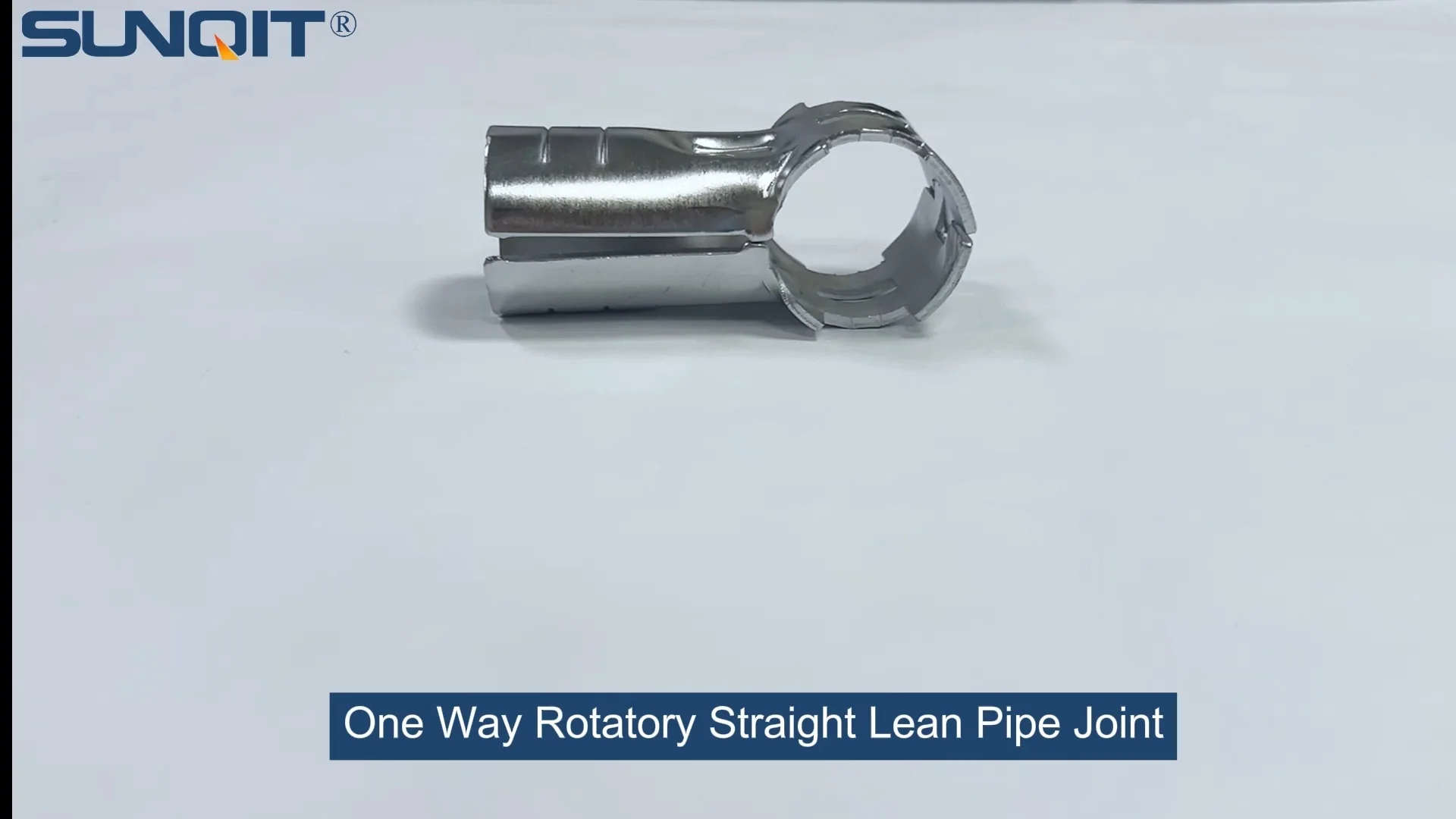
One Way Rotatory Straight Lean Pipe Joint Chrome
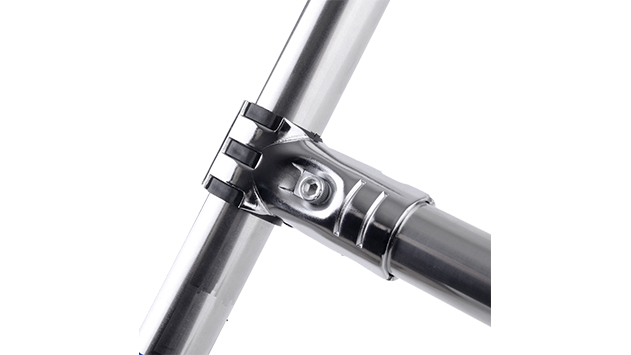
Two way lean pipe joint for 2 pcs 28MM lean pipe connection in straight angle with rotatory fucntion, which used widely in workbench, flow rack, hand trolley frame connection.
In the fast-paced world of manufacturing and production, every second counts. A single hiccup in your workflow can send ripples through deadlines, team morale, and bottom lines. Yet, one of the most overlooked culprits of these disruptions is often the smallest components—like the one way rotatory straight lean pipe joint chrome. These unassuming pieces are the backbone of your lean system, holding together workbenches, roller tracks, and material flow setups with quiet reliability. But without proper care, even the sturdiest joint can fail, turning a smooth production line into a costly standstill. Let's dive into why maintaining these joints matters, and how a simple monthly vs. annual schedule can keep your operations running like clockwork.
Why the One Way Rotatory Straight Lean Pipe Joint Chrome Deserves Your Attention
First, let's get to know the star of the show: the one way rotatory straight lean pipe joint chrome. These joints are designed to connect lean pipes (often aluminum or steel) in a way that allows controlled, one-directional rotation—think of the smooth glide of parts along a roller track or the easy swivel of a workbench accessory. The chrome plating isn't just for looks; it adds a layer of protection against rust, scratches, and daily wear, making them ideal for busy factory floors, warehouses, and assembly areas.
But here's the thing: even with chrome's durability, these joints face constant stress. They're exposed to dust, oil, temperature fluctuations, and the repetitive motion of heavy loads. Over time, debris builds up, lubrication dries out, and tiny cracks or loosened parts can develop—all invisible to the untrained eye until a breakdown happens. In a lean system, where efficiency and waste reduction are king, unplanned downtime is the ultimate waste. That's where a structured maintenance schedule comes in: monthly tasks to catch small issues early, and annual deep dives to ensure long-term performance.
Monthly Maintenance: The "Preventive Checkup" for Your Joints
Monthly maintenance is like taking your car for a quick oil change and tire rotation—it's about keeping things running smoothly and catching minor issues before they escalate. For one way rotatory straight lean pipe joints, these tasks should take no more than 15–20 minutes per joint, but the payoff is huge. Let's break down each step.
1. Visual Inspection: The "Eyeball Test"
Start with the basics: look at the joint. Walk up to where it's installed—maybe on a roller track feeding parts to a workbench or a material rack—and give it a thorough once-over. What are you looking for? First, check the chrome plating. Are there any chips, scratches, or peeling? Chrome acts as a barrier against rust, so even a small nick can let moisture seep in, leading to corrosion. Next, inspect the joint body for cracks, especially around the connection points where stress is highest. Loose or missing screws? Those are red flags—they can cause the joint to wobble, leading to uneven wear on both the joint and the lean pipe it's attached to.
Don't forget to check the rotation mechanism itself. Is there any debris—like dust, metal shavings, or product residue—clogging the moving parts? Even a tiny pebble can throw off the smooth rotation, making the joint stiff or noisy. Finally, look for signs of rust, especially in areas where the chrome is damaged or where water might pool (like near floor-level joints in humid environments). Rust isn't just unsightly; it eats away at the metal, weakening the joint over time.
2. Cleaning: Wipe Away the Grime
Once you've inspected, it's time to clean. Even if the joint looks "clean enough," dust and oils from the production environment can build up, acting like sandpaper on moving parts. Grab a soft, lint-free cloth—microfiber works best—and a mild cleaning solution. Avoid harsh chemicals like bleach or abrasive cleaners; they can strip the chrome plating. Instead, mix a little dish soap with warm water, dampen the cloth, and gently wipe down the entire joint, paying extra attention to crevices where debris hides.
For stubborn grime (like dried oil or sticky residue), use a soft-bristled brush (an old toothbrush works) to dislodge it, then wipe again. After cleaning, dry the joint thoroughly with a clean cloth. Moisture is the enemy here—even a small drop left behind can lead to rust, especially if the joint isn't used for a day or two. If you're in a particularly humid area, consider a quick spritz of WD-40 (or a similar water-displacing spray) to add an extra layer of protection, but wipe off any excess to avoid attracting more dust.
3. Tightness Check: Snug, Not Stripped
Lean pipe joints rely on screws, bolts, or clamps to stay attached to pipes and frames. Over time, vibration from production lines can loosen these fasteners, turning a secure joint into a wobbly liability. Grab a screwdriver or wrench (match the tool to the fastener type—Phillips, flathead, hex, etc.) and gently tighten any loose screws. But here's the key: don't over-tighten. Stripping a screw or bolt is worse than leaving it slightly loose, as it can damage the joint's threading, making future repairs harder. A good rule of thumb: tighten until you feel resistance, then give it a quarter-turn more. If a fastener is stripped (the tool spins without gripping), mark it for replacement—we'll cover that in annual maintenance.
4. Lubrication: Keep It Moving Smoothly
If visual inspection is the eyes and cleaning is the hands, lubrication is the lifeblood of a well-maintained joint. The one way rotatory mechanism depends on smooth movement, and without proper lubrication, friction builds up, leading to wear, heat, and eventually seizing. The type of lubricant matters: use a high-quality, waterproof grease or oil designed for metal-on-metal moving parts. Avoid silicone-based lubes if the joint is near plastic components (they can degrade plastic over time), and opt for food-grade lubricants if you're in a food, pharmaceutical, or cleanroom environment.
Apply a small amount of lubricant to the rotation points—usually where the joint swivels or connects to the pipe. Use a toothpick or a small brush to work the lube into crevices, then manually rotate the joint back and forth a few times to distribute it evenly. Wipe off any excess lube with a cloth; too much can attract dust and create a sticky mess. You'll know it's done right when the joint rotates smoothly, with no "catch" or resistance.
5. Functional Test: Give It a Spin
Finally, put the joint through its paces. Manually rotate it in the direction it's designed to move (remember, it's a "one way" joint, so it should spin freely in one direction and lock in the other). Does it move smoothly, or is there a grind? Any unusual noises—like squeaking, clicking, or rattling? A smooth rotation with no noise is a good sign. If it's stiff, double-check for debris (you might have missed a spot during cleaning) or insufficient lubrication. If it's noisy, there could be a loose part or worn bearing—note that for closer inspection during annual maintenance.
Annual Maintenance: The "Deep Clean and Tune-Up"
Monthly tasks keep the joint healthy day-to-day, but annual maintenance is where you dig deeper, addressing wear and tear that builds up over time. Think of it like a yearly physical—more thorough, a bit more time-consuming, but essential for long-term health. Plan this during a slow period (like a holiday shutdown) to avoid disrupting production, and set aside 30–45 minutes per joint.
1. Disassembly (If Possible): Get Up Close and Personal
Some one way rotatory straight lean pipe joints are designed to be disassembled for maintenance; others are sealed. Check your manufacturer's specs first—if disassembly is allowed, go for it. Start by removing the joint from the lean pipe (you'll need to loosen the fasteners checked monthly). Then, carefully take apart the rotation mechanism—this might involve removing a retaining clip, unscrewing a cap, or separating the inner and outer housings. Lay out the parts in order (take a photo first if you're worried about forgetting how they go back!) so reassembly is easy.
Once disassembled, inspect every component: bearings, springs, washers, and the inner race (the part that rotates). Look for signs of wear: pitting on bearings, flattened springs, or washers that are bent or cracked. These small parts are cheap to replace but critical for performance—worn bearings, for example, are the number one cause of stiff or noisy rotation.
2. Deep Cleaning: Beyond the Surface
Annual cleaning goes beyond a wipe-down—it's about removing built-up grease, grime, and corrosion from internal parts. For metal components, use a parts cleaner (like mineral spirits) or a degreaser to dissolve old lubricant and debris. Soak small parts (bearings, clips) in the cleaner for 10–15 minutes, then scrub gently with a soft brush to dislodge stubborn grime. Rinse with clean water (if using a water-based degreaser) and dry thoroughly—use compressed air to blow out moisture from tight spaces. For plastic components (if any), stick to mild soap and water to avoid damaging the material.
After cleaning, inspect the parts again—you'll be surprised what you missed during monthly checks! A bearing that looked fine on the outside might have internal rust once the grease is removed. This is also a good time to check the chrome plating from all angles; disassembly lets you see areas hidden during monthly inspections, like the inner housing where rotation occurs.
3. Wear Assessment: Measure, Don't Guess
Wear is inevitable, but how much is too much? Annual maintenance is the time to measure. Grab a caliper (digital or analog) and measure critical dimensions of the joint: the inner diameter of the pipe connection (to check for stretching), the thickness of the joint body (to spot thinning from corrosion), and the diameter of bearings (worn bearings will be smaller than new ones). Compare these measurements to the manufacturer's specs (you can usually find these online or in the product manual). If a part is outside the acceptable tolerance range, replace it.
For example, if the manufacturer specifies a bearing diameter of 10mm, and your measurement is 9.5mm, that bearing is worn and needs to be swapped out. Ignoring this will lead to increased friction, heat, and eventually, joint failure.
4. Lubrication Overhaul: Fresh Grease for Long Life
Old lubricant breaks down over time, losing its ability to reduce friction. During annual maintenance, replace it entirely. Start by removing all traces of old grease from internal parts—use a clean cloth or paper towel, and a degreaser if needed. Then, apply fresh lubricant to bearings, races, and any other moving surfaces. Use the same type as monthly (consistency is key), but apply a slightly thicker layer since it will need to last a year. Reassemble the joint, making sure all parts are aligned correctly—misalignment during reassembly is a common mistake that causes premature wear.
5. Alignment Check: Straight and True
Even if the joint itself is in great shape, misalignment with the lean pipe or roller track can cause big problems. Over time, bolts loosen, frames shift, and floors settle—all of which can throw the joint out of alignment. A misaligned joint has to work harder, leading to uneven wear and reduced lifespan. To check alignment, reattach the joint to the lean pipe and use a level to ensure it's straight (both horizontally and vertically). If it's tilted, adjust the mounting fasteners or shim the base (with a small metal or plastic shim) to level it out. For joints on roller tracks, ensure the rotation axis lines up with the track's direction of flow—if it's off by even a few degrees, parts will catch or jam as they move along the track.
6. Replacement of Worn Parts: When to Let Go
No matter how well you maintain a joint, some parts will wear out eventually. During annual maintenance, replace any components that are beyond repair: cracked housings, stripped threads, worn bearings, or rusted fasteners. Don't skimp on quality here—use OEM (original equipment manufacturer) parts or high-quality aftermarket replacements from a reputable lean pipe supplier. Cheap knockoffs might save a few dollars now, but they'll wear out faster, leading to more frequent replacements and downtime.

Monthly vs. Annual Tasks: A Quick Comparison
| Task Description | Frequency | Tools Required | Primary Goal |
|---|---|---|---|
| Visual inspection (chrome, cracks, fasteners, debris) | Monthly | Flashlight, cloth | Catch early signs of damage or wear |
| Surface cleaning (remove dust, grime, residue) | Monthly | Microfiber cloth, mild soap/water | Prevent debris buildup and corrosion |
| Tighten fasteners (screws, bolts) | Monthly | Screwdriver, wrench | Ensure joint stability; prevent wobbling |
| Lubricate rotation points | Monthly | Lubricant (grease/oil), brush/toothpick | Reduce friction; maintain smooth movement |
| Functional test (rotation, noise check) | Monthly | Your hands! | Verify smooth operation; spot hidden issues |
| Disassembly and internal inspection | Annual | Manufacturer-specific tools, parts tray | Check internal wear (bearings, springs) |
| Deep cleaning (degrease internal parts) | Annual | Degreaser, soft brush, compressed air | Remove built-up grime; extend part life |
| Wear measurement (caliper checks) | Annual | Caliper, manufacturer specs | Identify parts outside tolerance; plan replacements |
| Full lubrication replacement | Annual | Fresh lubricant, clean cloth | Ensure optimal friction reduction for the year |
| Alignment check (level, track alignment) | Annual | Level, shims (if needed) | Prevent uneven wear from misalignment |
| replace worn parts (bearings, fasteners, etc.) | Annual | Replacement parts, tools for installation | Restore performance; avoid unexpected failure |
Troubleshooting Common Issues: What to Do When Things Go Wrong
Even with regular maintenance, issues can pop up. Here's how to diagnose and fix the most common problems with one way rotatory straight lean pipe joints:
Problem: Stiff or Stuck Rotation
Causes: Lack of lubrication, debris in the rotation mechanism, or worn bearings. Solution: Start with monthly cleaning and lubrication—often, this fixes stiffness caused by grime. If that doesn't work, disassemble (if possible) and check for debris in bearings. If bearings are pitted or worn, replace them.
Problem: Excessive Wobble or Play
Causes: Loose fasteners, worn bushings, or a cracked joint body. Solution: Tighten fasteners first (monthly task). If wobble continues, inspect bushings (the parts that reduce friction between moving and fixed components)—worn bushings will have visible gaps. replace bushings or the entire joint if the body is cracked.
Problem: Rust or Corrosion
Causes: Damaged chrome plating, moisture exposure, or poor drying after cleaning. Solution: For minor rust, use fine steel wool (0000 grade) to gently buff it away, then clean and dry thoroughly, followed by a thin coat of wax (to protect the exposed metal). For severe rust (pitting or holes), replace the joint—rust weakens the metal, making it unsafe for heavy loads.
Problem: Noisy Operation (Squeaking, Grinding)
Causes: Dry bearings, misalignment, or debris in the rotation mechanism. Solution: Lubricate first—squeaking is often a cry for grease. If grinding persists, check alignment (annual task) and inspect bearings for damage. Misaligned joints can grind against pipes; realign or shim as needed.
Best Practices for Maintenance Success
To make maintenance effective, follow these tips:
- Keep a log: Note when each joint was inspected, cleaned, or repaired. This helps track patterns (e.g., "Joint #5 on Workbench A always needs extra lubrication—maybe it's in a dusty area?") and ensures no joint is missed.
- Train your team: You don't need a mechanic to do monthly checks. Teach line operators to spot obvious issues (loose screws, rust) during their shifts—they're the ones using the equipment daily and will notice problems first.
- Stock spare parts: Keep a small inventory of common replacements (bearings, fasteners, lubricant) on hand. Waiting for parts to ship when a joint fails means more downtime.
- Schedule smart: Do monthly checks during breaks or slow periods (e.g., first thing in the morning before production ramps up). Annual maintenance should align with shutdowns or weekends to avoid disrupting workflow.
- Use the right tools: A torque wrench ensures fasteners are tightened to spec (no stripping!), and a good caliper makes wear measurement accurate. Invest in quality tools—they pay for themselves in fewer mistakes.
Conclusion: Small Tasks, Big Results
The one way rotatory straight lean pipe joint chrome might be a small part of your lean system, but its impact is enormous. By pairing monthly preventive checks with annual deep maintenance, you're not just keeping a joint working—you're protecting your entire production line from downtime, reducing waste (a core lean principle), and extending the life of your equipment. Think of it this way: a few minutes each month and a few hours each year can save you thousands in repairs, lost productivity, and replacement costs.
So, grab your cloth, lubricant, and caliper, and start a maintenance schedule today. Your team, your deadlines, and your bottom line will thank you. After all, in lean manufacturing, efficiency isn't just about big machines—it's about caring for the small parts that make the big picture possible.