- Company Articles
- Products and Technology
- Product knowledge
- One Way Rotatory Straight Lean Pipe Joint Chrome vs. Plastic: Which Suits Your Industry?

One Way Rotatory Straight Lean Pipe Joint Chrome vs. Plastic: Which Suits Your Industry?
Related Product
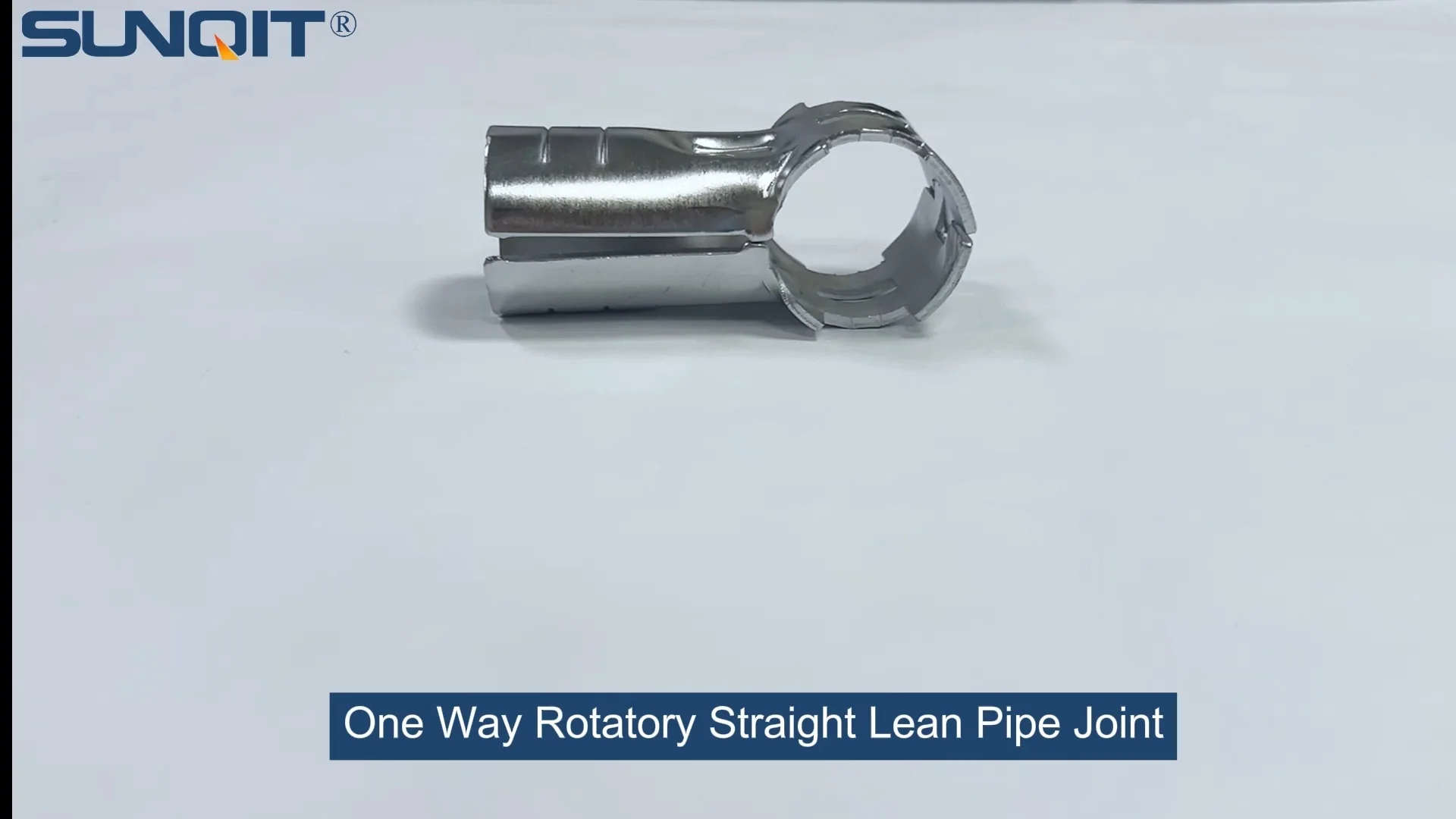
One Way Rotatory Straight Lean Pipe Joint Chrome
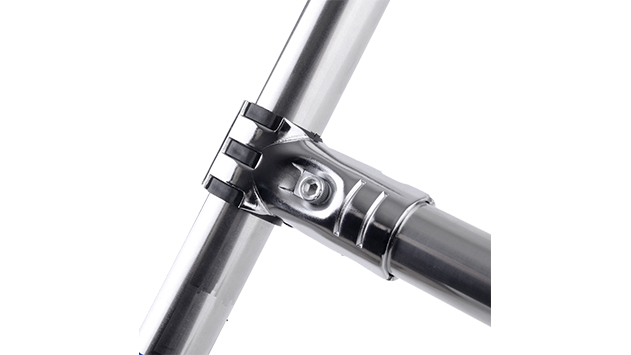
Two way lean pipe joint for 2 pcs 28MM lean pipe connection in straight angle with rotatory fucntion, which used widely in workbench, flow rack, hand trolley frame connection.
It's a Tuesday morning on the factory floor, and Maria, the production supervisor at a mid-sized electronics assembly plant, is staring at a halted conveyor line. The culprit? A failed one way rotatory straight lean pipe joint that connects the aluminum lean pipes feeding components to the assembly station. Last month, it was the same issue—this time, the plastic joint cracked under the constant weight of circuit board trays. "We need to fix this for good," she mutters, flipping through a catalog of lean pipe and accessories. "Chrome or plastic? Which one will actually keep the line moving?"
If you've ever managed a production floor, warehouse, or logistics hub, Maria's dilemma might sound familiar. Lean pipe joints are the unsung heroes of efficient material flow—small in size but critical in keeping everything from flow racks to workbenches running smoothly. But when it comes to choosing between chrome-plated and plastic one way rotatory straight lean pipe joints, the decision isn't just about cost. It's about durability, environment, load, and the unique demands of your industry. Let's dive into the details to help you make the call.
First Things First: What Even Is a One Way Rotatory Straight Lean Pipe Joint?
Before we compare materials, let's clarify what this component actually does. A one way rotatory straight lean pipe joint is a specialized connector designed to link lean pipes (think aluminum, steel, or even stainless steel pipe series) while allowing controlled, one-directional rotation. Picture this: on a flow rack, these joints let trays glide forward as workers unload components, ensuring a steady, gravity-fed stream of materials. On a conveyor, they keep roller tracks aligned, preventing jams when items shift direction. In short, they're the "hinges" of lean systems—quietly ensuring that everything moves where it needs to, when it needs to.
These joints are part of a broader ecosystem of lean pipe and accessories, working alongside components like caster wheels, roller track connectors, and workbench frames. Their design is deceptively simple: a cylindrical body with internal threading or clamping mechanisms to attach to pipes, and a rotating sleeve that allows movement in one direction (clockwise or counterclockwise, depending on the model). But that simplicity belies their importance—choose the wrong material, and you're looking at frequent replacements, downtime, and frustrated teams.
The Showdown: Chrome-Plated vs. Plastic Joints
Now, let's get to the heart of the matter: chrome-plated and plastic one way rotatory straight lean pipe joints. Both do the same basic job, but their materials give them distinct personalities—like two tools in a toolbox, each suited for different tasks. Let's break down their strengths, weaknesses, and ideal use cases.
Material Matters: What Are They Made Of?
Chrome-Plated Joints: These are typically built with a steel core (often carbon steel) coated in a thin layer of chromium via electroplating. The steel provides structural strength, while the chrome adds a hard, smooth finish. Think of it as a tough, armor-plated version of the joint—designed to withstand rough handling and heavy loads.
Plastic Joints: Most plastic one way rotatory joints are crafted from high-density polyethylene (HDPE), nylon, or polypropylene. Some even use reinforced plastics mixed with glass fiber for added toughness. These materials are lightweight, corrosion-resistant, and often injection-molded for consistency—making them a budget-friendly alternative to metal.
Durability: When "Tough Enough" Isn't Enough
Let's start with the big one: how long will these joints actually last? For high-traffic, high-load environments, chrome-plated joints are the heavyweights. The steel core resists bending, and the chrome plating minimizes wear from friction—critical if you're moving heavy items like automotive parts or metal components. In testing, chrome joints have been shown to handle continuous loads of up to 50kg per joint without deforming, even after 10,000+ rotations. That's why automotive plants and heavy machinery facilities often swear by them—downtime from a broken joint can cost thousands per hour, and chrome minimizes that risk.
Plastic joints, on the other hand, are better suited for lighter loads (think 10–30kg per joint) and less frequent use. Nylon, in particular, has good impact resistance—meaning it can handle occasional bumps from forklifts or dropped tools—but it's not immune to fatigue. Over time, constant pressure or exposure to high temperatures (above 60°C) can cause plastic to warp or crack, as Maria discovered with her circuit board trays. However, in low-stress environments—like a small workshop using aluminum lean pipe for lightweight material racks—plastic joints can last for years without issue.
Environment: Corrosion, Chemicals, and Cleanliness
If your workspace is damp, dusty, or exposed to chemicals, material choice becomes even more critical. Chrome plating is naturally corrosion-resistant, but it's not impervious. In humid environments (like coastal warehouses) or areas with frequent water exposure (think food processing plants), chrome joints can develop rust if the plating is scratched—exposing the steel core. For these cases, some manufacturers offer stainless steel pipe series joints, but they come with a higher price tag.
Plastic joints, by contrast, laugh in the face of moisture. HDPE and polypropylene don't rust, corrode, or react with most chemicals (acids are a rare exception). This makes them ideal for industries like pharmaceuticals, where cleanrooms require frequent sanitization, or seafood processing, where saltwater spray is constant. Plastic also doesn't conduct electricity, which is a bonus in electronics manufacturing—no risk of static shocks frying sensitive components (though for ESD workbench setups, look for ESD-rated plastic joints specifically).
Compatibility: Do They Play Well With Other Lean Pipe Components?
Both chrome and plastic joints are designed to work with standard lean pipes (typically 28mm or 30mm in diameter), including aluminum lean pipe, steel pipe, and even stainless steel pipe series. But there's a catch: weight. Aluminum lean pipe is lighter than steel, so pairing it with plastic joints reduces the overall weight of structures like flow racks or turnover trolleys. This is a big deal in facilities where workers need to move mobile workbenches or hand trolleys—plastic joints keep things maneuverable.
Chrome joints, being heavier, are better suited for fixed structures like permanent flow racks or heavy-duty conveyor systems. If you're using thick-walled steel pipes to support 20kg+ bins, a plastic joint might not provide the clamping force needed to keep the pipe secure over time—leading to wobbling or even detachment.
Cost: Short-Term Savings vs. Long-Term Gains
Let's talk numbers. Plastic one way rotatory joints are almost always cheaper upfront—sometimes by 30–50% compared to chrome-plated versions. For small businesses or startups on a tight budget, this can be tempting. But here's the catch: if you're using them in a high-load environment, you'll likely replace them 2–3 times more often than chrome joints. Maria's plant, for example, was replacing plastic joints every 6 months at $15 each. Switching to chrome joints ($30 each) that last 2+ years would save them $150 per joint over the same period.
For low-load, low-frequency use (e.g., a storage room with occasional material movement), plastic joints are the smarter financial choice. The upfront savings outweigh the need for frequent replacements. But for 24/7 production lines or busy warehouses, chrome joints are an investment that pays off in reduced downtime and fewer replacements.
Maintenance: Grease, Grime, and Cleaning
Chrome-plated joints require a little TLC to keep their rotation smooth. Over time, dust and debris can build up in the rotating sleeve, causing friction. A quick spray of lubricating oil (like 3-in-One) every 3–6 months usually does the trick. If the chrome plating scratches, a dab of rust-resistant paint on the exposed steel can prevent corrosion. Simple enough, but it's an extra step in your maintenance checklist.
Plastic joints are practically maintenance-free. Their smooth, non-porous surface doesn't trap dust, and most plastic materials are self-lubricating (nylon, in particular, has low friction). Cleaning them is as easy as wiping with a damp cloth—no grease required. For industries with strict hygiene standards (like food or pharmaceuticals), this is a game-changer: no risk of lubricant leaking onto products or harboring bacteria in crevices.
Side-by-Side: The Comparison Table
| Factor | Chrome-Plated One Way Rotatory Joints | Plastic One Way Rotatory Joints |
|---|---|---|
| Material | Steel core with chrome plating | HDPE, nylon, or polypropylene (sometimes glass-reinforced) |
| Max Load Capacity | 30–50kg per joint | 10–30kg per joint |
| Corrosion Resistance | Good (chrome plating); risk of rust if scratched | Excellent (no rust; resistant to most chemicals) |
| Temperature Range | -20°C to 120°C (can withstand high heat) | -10°C to 60°C (may warp in extreme heat) |
| Initial Cost | Higher ($25–$40 per joint) | Lower ($10–$20 per joint) |
| Long-Term Cost | Lower (lasts 2–5 years; fewer replacements) | Higher (lasts 6–18 months in high-load use) |
| Best For Industries | Automotive, heavy machinery, 24/7 manufacturing | Electronics (ESD-safe options), food processing, pharmaceuticals, small warehouses |
| Maintenance Needs | Occasional lubrication; rust prevention if scratched | Minimal (wipe clean; no lubrication needed) |

Industry Spotlight: Which Joint Works Where?
To make this concrete, let's look at how different industries lean (pun intended) into one material over the other.
Automotive and Heavy Machinery Manufacturing
In automotive plants, where assembly lines run 24/7 and components like engine parts can weigh 30kg+ per bin, chrome-plated joints are the gold standard. Their high load capacity and durability mean they can handle the constant stress of bins sliding down flow racks. For example, a Tier 1 auto supplier in Michigan switched from plastic to chrome joints on their transmission component line and reduced joint failures by 80%—saving $40,000 in downtime annually.
Electronics and ESD-Sensitive Environments
Electronics manufacturing facilities (think circuit boards, semiconductors) often use ESD workbench setups to prevent static damage. Here, plastic joints shine—especially if they're ESD-rated (treated with additives to dissipate static electricity). Plastic also won't scratch delicate components if there's accidental contact. A semiconductor plant in Taiwan, for instance, uses ESD-safe plastic joints on their component flow racks to protect $500+ microchips from static and physical damage.
Food Processing and Pharmaceuticals
In industries where cleanliness and corrosion resistance are non-negotiable, plastic joints are a no-brainer. Food processing plants use them on conveyor lines for fruits, vegetables, or meat—since they won't rust from water or cleaning chemicals (like bleach). Pharmaceuticals, too, prefer plastic for its easy sterilization; a vaccine manufacturer in Germany replaced all metal joints with HDPE versions to meet strict EU hygiene standards, cutting cleaning time by 40%.
Small Warehouses and Startups
For small businesses with low to moderate material flow (e.g., a local e-commerce fulfillment center), plastic joints are the budget-friendly choice. They're easy to install (no need for heavy tools), lightweight (so workers can assemble flow racks without help), and cheap enough to replace if needed. A startup in Colorado using aluminum lean pipe and plastic joints built a custom order-picking system for under $2,000—half the cost of a metal-only setup.
The Verdict: How to Choose
So, back to Maria. After weighing her options, she realized her electronics plant's assembly line handles light loads (15kg bins) but runs 12 hours a day. The plastic joints were failing due to constant use, not weight. She opted for chrome-plated joints—paying more upfront but expecting them to last 2+ years instead of 6 months. "Downtime costs us $2,000 an hour," she said. "A $30 joint is worth it to avoid even one hour of delays."
Your turn: To decide between chrome and plastic one way rotatory straight lean pipe joints, ask yourself these questions:
- What's the maximum load per joint? If it's over 20kg, go chrome. Under 20kg, plastic might work.
- How often will they be used? 24/7 operation needs chrome; occasional use can handle plastic.
- Is corrosion a risk? Humid, wet, or chemical-heavy environments need plastic.
- What's your budget? If upfront cost is critical and loads are light, plastic wins. If long-term durability matters more, chrome is better.
- Do you need ESD protection? Look for ESD-safe plastic joints for electronics.
At the end of the day, there's no "better" material—only the right one for your industry. Both chrome and plastic one way rotatory straight lean pipe joints have their place in the world of lean systems. The key is to match their strengths to your needs, ensuring that your material flow stays smooth, your team stays productive, and your joints stay… well, jointed.
So, will you go with the tough, long-lasting chrome? Or the lightweight, budget-friendly plastic? The answer lies in your workflow, your load, and the unique rhythm of your industry. Choose wisely—and keep the line moving.