- Company Articles
- Products and Technology
- Product knowledge
- One Way Rotatory Straight Lean Pipe Joint Compatibility with Lean Tubes

One Way Rotatory Straight Lean Pipe Joint Compatibility with Lean Tubes
Related Product
One Way Rotatory Straight Lean Pipe Joint
Two way lean pipe joint for 2 pcs 28MM lean pipe connection in straight angle with rotatory fucntion, which used widely in workbench, flow rack, hand trolley frame connection.
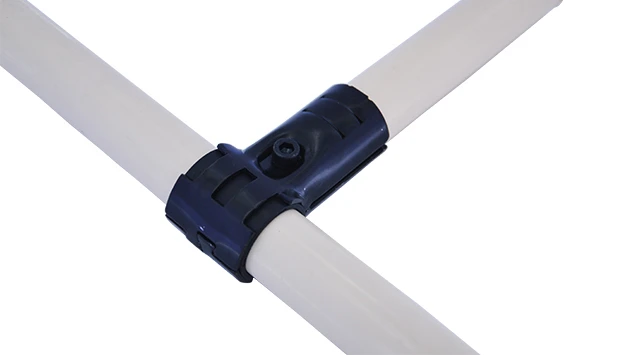
Introduction: The Backbone of Lean Manufacturing
In the fast-paced world of manufacturing, efficiency isn't just a buzzword—it's the difference between meeting deadlines, reducing waste, and staying competitive. At the heart of this efficiency lies the concept of
lean manufacturing
, a philosophy built on minimizing waste while maximizing value. And when it comes to bringing lean principles to life on the factory floor, few tools are as indispensable as modular
lean pipe
systems. These systems, made up of tubes and connectors, allow teams to build everything from workbenches and flow racks to assembly lines and material carts—all with the flexibility to adapt as needs change. But for these systems to truly shine, every component must work in harmony. Today, we're diving deep into a critical piece of this puzzle: the compatibility between the
one way rotatory straight lean pipe joint
and the lean tubes it connects. Because when these two elements work well together, they don't just hold a structure up—they create a foundation for smoother workflows, faster adjustments, and a more resilient production environment.
Understanding Lean Tubes: More Than Just Metal (or Plastic)
Before we can talk about compatibility, let's get to know the star of the show: lean tubes. These aren't your average pipes. Designed specifically for modular systems, lean tubes come in a variety of materials, sizes, and coatings, each tailored to different environments and needs. Let's break down the most common types you'll encounter:
PE Coated Lean Pipe : Perhaps the most recognizable, PE coated lean pipes are typically made of a steel core wrapped in a durable polyethylene (PE) coating. The steel provides strength, while the PE layer adds protection against scratches, corrosion, and even static electricity (in some ESD-rated variants). They're lightweight, easy to handle, and cost-effective—making them a go-to for general manufacturing settings, like automotive assembly lines or electronics workshops.
Stainless Steel Pipe Series : When hygiene and durability are non-negotiable—think food processing plants, pharmaceutical labs, or cleanrooms—stainless steel lean tubes take center stage. Resistant to rust, chemicals, and high temperatures, these tubes are built to withstand harsh environments without compromising on strength. They're a bit heavier than PE coated options, but their longevity makes them worth the investment in settings where cleanliness is critical.
Aluminum Lean Pipe : For applications where weight is a concern—like mobile carts or temporary workstations—aluminum lean tubes are a game-changer. Lightweight yet surprisingly strong, aluminum tubes are also resistant to corrosion, making them ideal for outdoor use or environments with high humidity. They're often paired with aluminum joints for a sleek, modern look, and their smooth surface makes them easy to clean.
No matter the type, all lean tubes share a common goal: to provide a sturdy, adaptable base for modular structures. But their differences—material, thickness, coating—mean that not every joint will work seamlessly with every tube. That's where the one way rotatory straight lean pipe joint comes in.
PE Coated Lean Pipe : Perhaps the most recognizable, PE coated lean pipes are typically made of a steel core wrapped in a durable polyethylene (PE) coating. The steel provides strength, while the PE layer adds protection against scratches, corrosion, and even static electricity (in some ESD-rated variants). They're lightweight, easy to handle, and cost-effective—making them a go-to for general manufacturing settings, like automotive assembly lines or electronics workshops.
Stainless Steel Pipe Series : When hygiene and durability are non-negotiable—think food processing plants, pharmaceutical labs, or cleanrooms—stainless steel lean tubes take center stage. Resistant to rust, chemicals, and high temperatures, these tubes are built to withstand harsh environments without compromising on strength. They're a bit heavier than PE coated options, but their longevity makes them worth the investment in settings where cleanliness is critical.
Aluminum Lean Pipe : For applications where weight is a concern—like mobile carts or temporary workstations—aluminum lean tubes are a game-changer. Lightweight yet surprisingly strong, aluminum tubes are also resistant to corrosion, making them ideal for outdoor use or environments with high humidity. They're often paired with aluminum joints for a sleek, modern look, and their smooth surface makes them easy to clean.
No matter the type, all lean tubes share a common goal: to provide a sturdy, adaptable base for modular structures. But their differences—material, thickness, coating—mean that not every joint will work seamlessly with every tube. That's where the one way rotatory straight lean pipe joint comes in.

Meet the Connector: The One Way Rotatory Straight Lean Pipe Joint
If lean tubes are the bones of a modular system, then joints are the joints—literally. They're the pieces that hold everything together, allowing tubes to connect at angles, extend lengths, or pivot as needed. The
one way rotatory straight lean pipe joint
is a specialized connector designed for a specific job: creating straight-line connections with a twist (pun intended). Unlike fixed joints that lock tubes in place, this joint allows for rotation in one direction, making it easier to adjust the angle of connected components without disassembling the entire structure. Imagine needing to tilt a flow rack slightly to improve material flow, or adjust the height of a workbench shelf to fit a taller component—this joint lets you do that with a simple turn, saving time and reducing frustration.
But what makes this joint tick? Most are made of die-cast aluminum or steel, with a internal mechanism that allows for controlled rotation. They feature a hollow center to fit over the lean tube, and a clamping system (often a setscrew or lever) to secure the connection. Some variants even come with rubber or plastic liners to protect the tube's coating and prevent slipping. And while their primary job is to connect tubes, they also play a role in distributing weight evenly, ensuring the structure can handle the load without bending or breaking.
But what makes this joint tick? Most are made of die-cast aluminum or steel, with a internal mechanism that allows for controlled rotation. They feature a hollow center to fit over the lean tube, and a clamping system (often a setscrew or lever) to secure the connection. Some variants even come with rubber or plastic liners to protect the tube's coating and prevent slipping. And while their primary job is to connect tubes, they also play a role in distributing weight evenly, ensuring the structure can handle the load without bending or breaking.

Compatibility 101: What Makes a Joint and Tube "Click"?
Compatibility between a one way rotatory straight lean pipe joint and a lean tube isn't just about "does it fit?" It's about whether they work together to create a connection that's secure, durable, and functional. Let's break down the key factors that determine this compatibility:
Size Matters (A Lot) : The most basic check is diameter. Lean tubes typically come in standard sizes—19mm (3/4 inch) and 28mm (1-1/8 inch) are the most common. The joint's inner diameter must match the tube's outer diameter exactly. A joint that's too loose will wobble, leading to instability; one that's too tight might crack the tube's coating (or the tube itself) when clamped. Always check the manufacturer's specs for both the joint and the tube to ensure a snug, but not forced, fit.
Material Compatibility : The materials of the joint and tube should play well together. For example, a steel joint with a rough clamping surface might scratch the PE coating on a PE coated lean pipe over time, weakening the tube and creating a potential snag point for materials. On the flip side, a joint with a plastic liner is gentler on coated tubes, preserving their integrity. For stainless steel tubes, look for joints made of compatible metals (like stainless steel or aluminum) to avoid galvanic corrosion—a process where dissimilar metals react in the presence of moisture, leading to rust.
Load Capacity Alignment : Every lean tube and joint has a maximum load it can safely support. A lightweight aluminum joint might work great with a thin-walled aluminum tube for a small parts cart, but pair that same joint with a heavy stainless steel tube holding a stack of metal sheets, and you're asking for trouble. Always ensure the joint's load rating matches (or exceeds) the tube's, and consider the total weight of the structure and its contents.
Environmental Factors : Where will the system live? In a dry, indoor workshop, most combinations will work. But in a humid factory or a cleanroom with strict chemical protocols, you need to think about corrosion resistance. A PE coated tube with a zinc-plated joint might corrode in a moist environment, whereas a stainless steel tube with a stainless steel joint will hold up. Similarly, in ESD-sensitive areas (like electronics manufacturing), both the tube (ESD PE coated) and joint (conductive materials) should be rated to dissipate static.
Size Matters (A Lot) : The most basic check is diameter. Lean tubes typically come in standard sizes—19mm (3/4 inch) and 28mm (1-1/8 inch) are the most common. The joint's inner diameter must match the tube's outer diameter exactly. A joint that's too loose will wobble, leading to instability; one that's too tight might crack the tube's coating (or the tube itself) when clamped. Always check the manufacturer's specs for both the joint and the tube to ensure a snug, but not forced, fit.
Material Compatibility : The materials of the joint and tube should play well together. For example, a steel joint with a rough clamping surface might scratch the PE coating on a PE coated lean pipe over time, weakening the tube and creating a potential snag point for materials. On the flip side, a joint with a plastic liner is gentler on coated tubes, preserving their integrity. For stainless steel tubes, look for joints made of compatible metals (like stainless steel or aluminum) to avoid galvanic corrosion—a process where dissimilar metals react in the presence of moisture, leading to rust.
Load Capacity Alignment : Every lean tube and joint has a maximum load it can safely support. A lightweight aluminum joint might work great with a thin-walled aluminum tube for a small parts cart, but pair that same joint with a heavy stainless steel tube holding a stack of metal sheets, and you're asking for trouble. Always ensure the joint's load rating matches (or exceeds) the tube's, and consider the total weight of the structure and its contents.
Environmental Factors : Where will the system live? In a dry, indoor workshop, most combinations will work. But in a humid factory or a cleanroom with strict chemical protocols, you need to think about corrosion resistance. A PE coated tube with a zinc-plated joint might corrode in a moist environment, whereas a stainless steel tube with a stainless steel joint will hold up. Similarly, in ESD-sensitive areas (like electronics manufacturing), both the tube (ESD PE coated) and joint (conductive materials) should be rated to dissipate static.
Compatibility in Action: How the One Way Rotatory Joint Works with Common Lean Tubes
To make this more concrete, let's put theory into practice. Below is a breakdown of how the one way rotatory straight lean pipe joint performs with some of the most popular lean tube types. We'll focus on real-world scenarios, so you can get a sense of what works, what to watch for, and why it matters.
As you can see, the best results come when the joint's material and design complement the tube's properties. For example, pairing a plastic-lined aluminum joint with PE coated tube protects the coating and ensures a snug fit, while stainless steel joints with stainless steel tubes are a no-brainer for harsh environments. The key is to match the joint to the tube's intended use—don't skimp on a steel joint for a heavy stainless steel tube, and don't over-engineer with a stainless joint if you're just building a light cart with PE coated pipe.
| Lean Tube Type | Joint Material | Fit Quality | Best For | Potential Challenges |
|---|---|---|---|---|
| 19mm PE Coated Lean Pipe (1.5mm steel core) | Aluminum with plastic liner | Excellent. The liner protects the PE coating, and the joint's clamping force distributes evenly. | Assembly workbenches, light-duty flow racks, material carts. | Avoid over-tightening the setscrew—this can dent the PE coating or crack the liner. |
| 28mm Stainless Steel Pipe (2.0mm wall) | Stainless Steel | Very Good. Metal-on-metal connection provides high strength; no risk of corrosion. | Cleanrooms, food processing lines, heavy tool storage racks. | Heavier than PE coated systems—ensure the joint's rotation mechanism can handle the weight without sticking. |
| 20mm Aluminum Lean Pipe (Anodized) | Aluminum (Anodized) | Good. Lightweight and corrosion-resistant, but aluminum is softer than steel—joint may loosen over time with frequent rotation. | Mobile workstations, temporary assembly lines, outdoor use (covered). | Use thread-locking fluid on setscrews to prevent loosening; avoid high-impact environments. |
| 19mm ESD PE Coated Lean Pipe | Conductive Aluminum | Excellent. Conductive joint ensures static dissipates through the tube to the ground. | Electronics manufacturing, semiconductor labs, ESD-sensitive assembly. | Check that both joint and tube have ESD certification—mixing non-conductive parts can create static hotspots. |
Installation Tips: Getting the Most Out of Your Joint-Tube Pair
Even the most compatible joint and tube can underperform if installed incorrectly. Here are some pro tips to ensure your connection is secure, functional, and long-lasting:
Prep the Tube First : Before sliding the joint on, make sure the tube's end is clean and free of burrs. A rough edge can damage the joint's internal mechanism or scratch the liner (if using a PE coated tube). A quick pass with a deburring tool or fine sandpaper does wonders.
Align Before Tightening : The one way rotatory joint is designed to rotate, but you still need to set its initial position correctly. Slide the joint onto the tube, rotate it to the desired angle, then hand-tighten the setscrew or lever until it's snug. Only then use a wrench (if needed) to give it a final 1/4 turn—over-tightening is the number one cause of joint or tube damage.
Test the Rotation : After installation, give the joint a gentle twist in its allowed direction. It should move smoothly, with slight resistance—no jamming, grinding, or excessive play. If it sticks, check for debris in the rotation mechanism or a misaligned tube.
Inspect Regularly : Over time, vibration from machinery or frequent rotation can loosen joints. Make it a habit to check connections weekly (or monthly, depending on use). Tighten any loose setscrews, and replace joints with cracked liners or worn rotation parts—don't wait for a failure to act.
Prep the Tube First : Before sliding the joint on, make sure the tube's end is clean and free of burrs. A rough edge can damage the joint's internal mechanism or scratch the liner (if using a PE coated tube). A quick pass with a deburring tool or fine sandpaper does wonders.
Align Before Tightening : The one way rotatory joint is designed to rotate, but you still need to set its initial position correctly. Slide the joint onto the tube, rotate it to the desired angle, then hand-tighten the setscrew or lever until it's snug. Only then use a wrench (if needed) to give it a final 1/4 turn—over-tightening is the number one cause of joint or tube damage.
Test the Rotation : After installation, give the joint a gentle twist in its allowed direction. It should move smoothly, with slight resistance—no jamming, grinding, or excessive play. If it sticks, check for debris in the rotation mechanism or a misaligned tube.
Inspect Regularly : Over time, vibration from machinery or frequent rotation can loosen joints. Make it a habit to check connections weekly (or monthly, depending on use). Tighten any loose setscrews, and replace joints with cracked liners or worn rotation parts—don't wait for a failure to act.
Real-World Impact: How Compatibility Drives Efficiency
Let's step out of the technical details for a moment and talk about why this compatibility matters in the day-to-day. Picture a small electronics manufacturer that recently switched from fixed steel workbenches to a modular lean pipe system. Their old setup took hours to reconfigure whenever a new product line was introduced—now, with one way rotatory straight lean pipe joints and PE coated tubes, they can adjust shelf heights, add tool holders, or even reposition the entire workbench in minutes. But this speed didn't happen by accident. By choosing joints that worked seamlessly with their PE coated tubes, they avoided common headaches: no more scratched tubes from metal joints, no more stuck rotation mechanisms from mismatched sizes, and no more wobbly shelves from loose connections. The result? Their team spends less time fixing structures and more time assembling products.
Or consider a food packaging plant using stainless steel lean tubes and joints. In this environment, downtime for cleaning or repairs is costly. Because their stainless steel joints are fully compatible with their stainless steel tubes, they can quickly disassemble sections of their flow racks for deep cleaning, then reassemble them just as fast—without worrying about rust forming at the connection points. The joint's smooth rotation also lets them adjust the angle of product chutes to reduce jams, cutting down on waste and keeping the line moving.
These stories highlight a simple truth: when the one way rotatory straight lean pipe joint and lean tubes are compatible, they don't just build structures—they build confidence. Teams know their tools will adapt when needed, and managers know they're getting the most out of their modular system investment.
Or consider a food packaging plant using stainless steel lean tubes and joints. In this environment, downtime for cleaning or repairs is costly. Because their stainless steel joints are fully compatible with their stainless steel tubes, they can quickly disassemble sections of their flow racks for deep cleaning, then reassemble them just as fast—without worrying about rust forming at the connection points. The joint's smooth rotation also lets them adjust the angle of product chutes to reduce jams, cutting down on waste and keeping the line moving.
These stories highlight a simple truth: when the one way rotatory straight lean pipe joint and lean tubes are compatible, they don't just build structures—they build confidence. Teams know their tools will adapt when needed, and managers know they're getting the most out of their modular system investment.
Troubleshooting Compatibility Issues: When Things Don't Go Smoothly
Even with careful planning, compatibility issues can pop up. Here are some common problems and how to fix them:
Problem: The joint slides on the tube, even when tight.
Cause: Either the tube is too small for the joint (e.g., using a 19mm joint on a 16mm tube) or the tube's outer diameter is inconsistent (common with low-quality PE coated pipes).
Solution: Check the tube and joint specs to confirm size matching. If the tube is the correct size but still slips, wrap a thin layer of electrical tape around the tube (under the joint) to add grip—just don't overdo it, as this can throw off the fit. For chronic issues, switch to a joint with a rubberized clamping surface, which provides better friction.
Problem: The joint won't rotate smoothly, or gets stuck.
Cause: Debris in the rotation mechanism, a bent tube, or a joint that's too tight on the tube (restricting movement).
Solution: Disassemble the joint, clean the rotation parts with a dry cloth, and apply a small amount of silicone lubricant (avoid oil-based lubricants, which attract dust). If the tube is bent, replace it—even a slight kink can bind the joint.
Problem: The PE coating on the tube is cracking or peeling near the joint.
Cause: Metal-on-metal contact (joint without a liner), over-tightening, or frequent rotation wearing through the coating.
Solution: Switch to a joint with a plastic or rubber liner. Loosen the setscrew slightly—you need enough tension to hold the tube, not to crush it. If rotation is frequent, consider adding a plastic sleeve over the tube where it contacts the joint.
Problem: The joint slides on the tube, even when tight.
Cause: Either the tube is too small for the joint (e.g., using a 19mm joint on a 16mm tube) or the tube's outer diameter is inconsistent (common with low-quality PE coated pipes).
Solution: Check the tube and joint specs to confirm size matching. If the tube is the correct size but still slips, wrap a thin layer of electrical tape around the tube (under the joint) to add grip—just don't overdo it, as this can throw off the fit. For chronic issues, switch to a joint with a rubberized clamping surface, which provides better friction.
Problem: The joint won't rotate smoothly, or gets stuck.
Cause: Debris in the rotation mechanism, a bent tube, or a joint that's too tight on the tube (restricting movement).
Solution: Disassemble the joint, clean the rotation parts with a dry cloth, and apply a small amount of silicone lubricant (avoid oil-based lubricants, which attract dust). If the tube is bent, replace it—even a slight kink can bind the joint.
Problem: The PE coating on the tube is cracking or peeling near the joint.
Cause: Metal-on-metal contact (joint without a liner), over-tightening, or frequent rotation wearing through the coating.
Solution: Switch to a joint with a plastic or rubber liner. Loosen the setscrew slightly—you need enough tension to hold the tube, not to crush it. If rotation is frequent, consider adding a plastic sleeve over the tube where it contacts the joint.
Conclusion: Compatibility as a Foundation for Lean Success
The one way rotatory straight lean pipe joint might seem like a small part of the lean manufacturing puzzle, but its compatibility with lean tubes is anything but minor. It's the difference between a system that adapts effortlessly and one that frustrates teams with stuck joints, loose connections, or frequent repairs. By understanding the types of lean tubes available, the design of the joint, and the factors that drive compatibility, manufacturers can build modular systems that truly live up to the promise of lean: flexible, efficient, and ready to evolve.
So the next time you're planning a lean pipe project, take a moment to think about the connection between your tubes and joints. Ask: Do they fit snugly? Do their materials complement each other? Can they handle the load and environment? The answers to these questions won't just help you build a better structure—they'll help you build a better workflow. And in lean manufacturing, that's the ultimate goal.
So the next time you're planning a lean pipe project, take a moment to think about the connection between your tubes and joints. Ask: Do they fit snugly? Do their materials complement each other? Can they handle the load and environment? The answers to these questions won't just help you build a better structure—they'll help you build a better workflow. And in lean manufacturing, that's the ultimate goal.