- Company Articles
- Products and Technology
- Installation And Maintenance
- One Way Rotatory Straight Lean Pipe Joint Maintenance Tips for Longevity

One Way Rotatory Straight Lean Pipe Joint Maintenance Tips for Longevity
Related Product
One Way Rotatory Straight Lean Pipe Joint
Two way lean pipe joint for 2 pcs 28MM lean pipe connection in straight angle with rotatory fucntion, which used widely in workbench, flow rack, hand trolley frame connection.
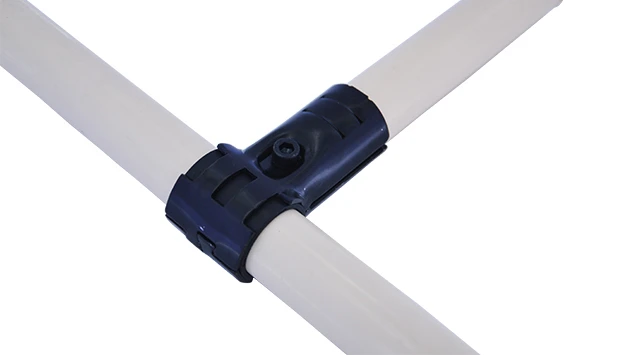
In the world of lean manufacturing and assembly systems, it's often the smallest components that keep the entire operation running smoothly. Take the one way rotatory straight lean pipe joint , for example. This unassuming part—usually no bigger than your palm—plays a critical role in connecting lean pipe structures, enabling controlled movement in conveyor lines, flow racks, and turnover trolleys. Yet, because it's so, it's easy to overlook until it jams, breaks, or causes a bottleneck. The truth is, neglecting maintenance on this tiny joint can lead to costly downtime, safety risks, and inefficient workflows. In this guide, we'll walk through practical, actionable tips to keep your one way rotatory straight lean pipe joints in top shape, ensuring your lean system stays productive for years to come.
Understanding the One Way Rotatory Straight Lean Pipe Joint
Before diving into maintenance, let's make sure we're all on the same page about what this joint does. As the name suggests, it's designed to connect two sections of lean pipe while allowing rotation in one direction only . Think of it as a one-way valve for movement: it lets parts or materials glide forward smoothly but prevents backward slippage, which is crucial in assembly lines or material handling setups where precision flow is key.
Most one way rotatory straight lean pipe joints are made from durable materials like galvanized steel or aluminum, with internal components that include a bearing system (for smooth rotation), a locking mechanism (to stop reverse movement), and a threaded or clamp-style connection to attach to lean pipes. You'll find these joints in places like roller tracks (guiding materials along a conveyor), workbench extensions (adjusting angles for ergonomic access), or even turnover trolleys (where controlled movement prevents spills). Simply put, without this joint working properly, the "lean" in your lean system starts to break down.
Daily Inspection: Catch Issues Before They Escalate
The first rule of maintenance? Don't wait for something to break. A 2-minute daily inspection of your one way rotatory straight lean pipe joints can save hours of downtime later. Here's what to look for:
Visual Checks: The "Eyes On" Test
Start by examining the joint's exterior. Look for signs of physical damage: cracks in the metal body, rust or corrosion (especially if your facility is humid or uses water-based cleaning), or dents that might warp the internal mechanism. Pay extra attention to the connection points where the joint attaches to the lean pipe—loose bolts or stripped threads here can cause the joint to wobble, putting stress on the entire structure.
Movement Test: Feel for Resistance
Next, manually rotate the joint in its intended direction (the "free" direction) and then try to rotate it backward (the "locked" direction). It should spin smoothly forward with minimal effort—no grinding, sticking, or jerking. When rotated backward, it should lock firmly without slipping. If it feels "sticky" going forward, or if it gives way backward, that's a red flag. Also, listen for unusual noises: a squeak or rattle might mean the internal bearing is dry or damaged.
Debris Check: Keep It Clean
Lean systems often operate in environments with dust, grease, or small debris (think metal shavings in a machining shop or plastic particles in a packaging line). Over time, these can build up in the joint's gaps, gumming up the works. Use a dry cloth or a small brush (a toothbrush works great) to wipe away any visible debris around the bearing area and connection points. Even a tiny piece of grit can wear down the locking mechanism over time.

Lubrication: The Secret to Smooth Operation
If daily inspection is the "prevention," lubrication is the "prescription" for keeping your one way rotatory straight lean pipe joint moving like new. The internal bearing and locking mechanism rely on proper lubrication to reduce friction, prevent wear, and repel moisture (which causes rust). But not all lubricants are created equal—and over-lubricating can be just as bad as under-lubricating.
Choosing the Right Lubricant
Stick to lightweight machine oils or silicone-based lubricants for these joints. Avoid heavy greases, which can attract dust and create a thick sludge that clogs the mechanism. For metal joints, a few drops of 3-in-One Multi-Purpose Oil or lithium-based spray lubricant (like WD-40 Specialist White Lithium Grease) works well. If your joint is aluminum (common in food-grade or cleanroom environments), opt for a food-safe lubricant to avoid contamination risks.
How and When to Lubricate
Frequency depends on usage: joints in high-traffic areas (like a conveyor running 8+ hours a day) need lubrication every 3–5 days. For lower-usage setups (e.g., a workbench adjusted once a shift), monthly lubrication is usually enough. To apply:
- Wipe the joint clean of debris first (you don't want to trap dirt under the lubricant).
- Apply 2–3 drops of oil directly to the bearing area (look for small gaps or openings in the joint body where the rotation happens).
- Rotate the joint back and forth (forward and locked direction) 5–10 times to distribute the lubricant evenly.
- Wipe away any excess oil with a clean cloth—this prevents dust buildup.

Tightening and Fastening: Keep It Secure
One way rotatory straight lean pipe joints are only as strong as their connections to the lean pipe. Over time, vibration from daily use can loosen bolts, clamps, or set screws, leading to wobbling or even detachment. Here's how to keep them tight:
Tools You'll Need
Most joints use standard tools: a hex key (Allen wrench) for set screws, a adjustable wrench for nuts, or a Phillips-head screwdriver for clamp-style connections. Keep a small toolkit near your lean system so operators can tighten loose parts on the spot—don't wait for maintenance staff to arrive.
The "Snug, Not Stripped" Rule
When tightening, aim for "snug" rather than "as tight as possible." Over-tightening can strip threads, warp the joint body, or crack the lean pipe (especially if it's aluminum). A good rule of thumb: tighten until you feel resistance, then give it a quarter-turn more. For set screws, use a torque wrench if you have one (most manufacturers recommend 10–15 Nm for steel joints, 8–12 Nm for aluminum).
Troubleshooting Common Issues: A Quick Reference Guide
Even with regular maintenance, issues can pop up. Use the table below to diagnose and fix common problems with one way rotatory straight lean pipe joints:
| Issue | Probable Cause | Solution |
|---|---|---|
| Joint sticks when rotating forward | Dry bearing, debris buildup, or misalignment with lean pipe | Clean with a brush, lubricate, and check pipe alignment (ensure pipes are straight and not bent) |
| Joint slips when rotated backward (fails to lock) | Worn locking mechanism (e.g., a broken spring or pawl) | replace the joint—internal locking parts are rarely repairable |
| Excessive noise during rotation | Dry bearing, loose connection, or damaged internal parts | Lubricate first; if noise persists, check for loose bolts or replace the joint |
| Rust on the joint body | Moisture exposure or lack of protective coating | Remove rust with a wire brush, apply anti-rust spray (e.g., WD-40 Rust Inhibitor), and consider replacing with a stainless steel joint if rusting is chronic |
| Joint wobbles on the lean pipe | Loose clamp/bolt, stripped threads, or mismatched pipe size | Tighten clamp/bolt; if stripped, replace the joint or use a thread repair kit; ensure pipe diameter matches joint specs (most are 28mm or 30mm) |
Seasonal Maintenance: Adjust for Environmental Changes
Your joint's needs can change with the seasons. In summer, high temperatures can thin lubricants, making them less effective—you may need to lubricate more often. In winter, cold temperatures can thicken oil, causing stiffness; switch to a lighter lubricant (e.g., 5W-30 machine oil) if rotation becomes sluggish. If your facility is in a humid area (like a coastal region), add a monthly rust check to your routine, and consider applying a protective wax coating to steel joints to repel moisture.
When to replace: Knowing When It's Time to Let Go
Even with perfect maintenance, all parts wear out eventually. Here are signs it's time to replace your one way rotatory straight lean pipe joint:
- Persistent issues after cleaning/lubrication: If sticking, slipping, or noise continues despite your best efforts, the internal components (like bearings or locking mechanisms) are likely worn beyond repair.
- Visible cracks: A cracked joint body is a safety hazard—metal fatigue can cause it to snap under load, risking injury or damage to materials.
- Stripped threads or connections: If the joint won't stay tight on the lean pipe, even with new bolts, it's time for a replacement.
When replacing, always use genuine parts from a reputable lean pipe supplier. Off-brand joints may not match the size or load capacity of your existing system, leading to more problems down the line.
Final Thoughts: Small Part, Big Impact
The one way rotatory straight lean pipe joint might not be the star of your lean system, but it's the unsung hero that keeps things moving. By incorporating daily inspections, regular lubrication, and proactive troubleshooting into your routine, you'll extend its life, reduce downtime, and keep your operation running lean—just as it should. Remember: maintenance isn't just about fixing problems; it's about creating a system where small parts like this joint work together seamlessly, so your team can focus on what they do best: building, assembling, and innovating.