- Company Articles
- Products and Technology
- Product knowledge
- One Way Rotatory Straight Lean Pipe Joint Materials: Aluminum vs Stainless Steel

One Way Rotatory Straight Lean Pipe Joint Materials: Aluminum vs Stainless Steel
Related Product
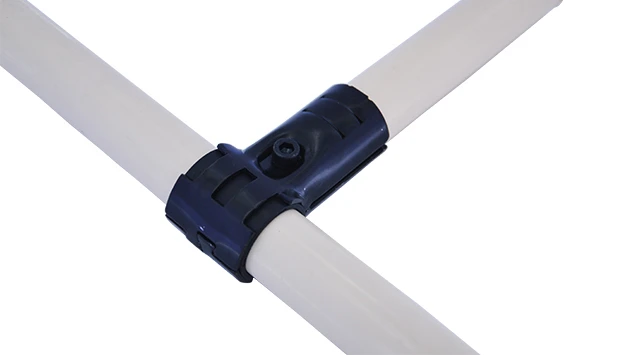
One Way Rotatory Straight Lean Pipe Joint
Two way lean pipe joint for 2 pcs 28MM lean pipe connection in straight angle with rotatory fucntion, which used widely in workbench, flow rack, hand trolley frame connection.
The Backbone of Lean Manufacturing: Why Lean Pipe Joints Matter
In the world of manufacturing, where efficiency and flexibility can make or break a production line, lean systems have become the gold standard. At the heart of these systems lies a humble yet critical component: the lean pipe joint. These unassuming connectors are the glue that holds together workbenches, flow racks, conveyors, and turnover trolleys—everyday tools that keep factories, warehouses, and assembly lines running like well-oiled machines. Among the many types of lean pipe joints, the one way rotatory straight lean pipe joint stands out for its unique ability to enable controlled, directional movement, a feature that transforms static structures into dynamic, workflow-enhancing assets.
But not all lean pipe joints are created equal. The material from which they're made—whether aluminum, stainless steel, or another alloy—dictates everything from how much weight they can support to how long they'll last in harsh environments, and even how easy they are to install and reconfigure. For manufacturers and facility managers, choosing between aluminum and stainless steel for one way rotatory straight lean pipe joints isn't just a matter of cost; it's a decision that ripples through productivity, maintenance budgets, and long-term operational efficiency. Let's dive into what makes these two materials unique, and how to decide which one is right for your needs.
Understanding the One Way Rotatory Straight Lean Pipe Joint
Before we compare materials, let's first unpack what a one way rotatory straight lean pipe joint actually does. Unlike fixed joints that lock pipes into rigid angles, this type of joint is designed to rotate in a single direction while staying fixed in a straight line. Picture a conveyor belt where parts need to glide smoothly from one workstation to the next without sliding backward, or a flow rack where boxes must move forward but not reverse—this is where the one way rotatory function shines. It acts like a one-way valve for physical movement, ensuring that materials, components, or products follow the intended path, reducing errors, minimizing bottlenecks, and keeping workers focused on value-adding tasks instead of corralling wayward items.
To achieve this, the joint typically features internal mechanisms like springs, ratchets, or friction pads that allow rotation in one direction (say, clockwise) but resist or lock when turned the other way. This simple yet ingenious design makes it indispensable in lean setups where standardized workflow is key. Whether you're assembling electronics on an ESD workbench, organizing parts in a material rack, or moving heavy loads on a turnover trolley, the one way rotatory straight lean pipe joint ensures that every movement has a purpose.

Aluminum Lean Pipe Joints: Lightweight, Agile, and Corrosion-Resistant
Material Properties That Drive Performance
Aluminum has long been a favorite in manufacturing for its winning combination of light weight and strength. When it comes to one way rotatory straight lean pipe joints, aluminum lean pipe and its accessories take these benefits to the next level. Pure aluminum is soft, so manufacturers often blend it with other metals like magnesium or silicon to create alloys that are both durable and malleable. This means aluminum joints can be precision-engineered with intricate internal components (like the rotatory mechanisms) without sacrificing structural integrity.
One of aluminum's most standout features is its natural resistance to corrosion. When exposed to air, aluminum forms a thin, invisible layer of aluminum oxide that acts as a shield, preventing rust and degradation. This makes aluminum joints ideal for environments where moisture, humidity, or mild chemicals are present—think food processing facilities, pharmaceutical labs, or electronics plants where cleanliness is paramount. Unlike steel, which can rust if not coated, aluminum requires no additional treatments to stay corrosion-free, saving time and money on maintenance.
Another advantage of aluminum is its conductivity, both thermal and electrical. While this might not seem relevant for a pipe joint, it becomes crucial in specialized settings like ESD workstations, where static electricity can damage sensitive components. Aluminum's ability to dissipate static charges helps protect products, making it a safer choice in electronics manufacturing or other static-sensitive industries.
Installation and Flexibility: A Lean Manager's Dream
Lean manufacturing thrives on adaptability—production lines that can be reconfigured in hours, not days, to meet changing demand. Aluminum one way rotatory straight lean pipe joints excel here. Weighing roughly one-third as much as stainless steel, aluminum joints are easy to handle, even for a single worker. This reduces installation time, cuts down on labor costs, and makes on-the-fly adjustments a breeze. Imagine needing to reposition a flow rack to accommodate a new product line: with aluminum joints, your team can disassemble, move, and reassemble the structure without heavy lifting equipment or excessive manpower.
Aluminum's malleability also plays a role in its flexibility. While the joints themselves are rigid enough to support heavy loads, the aluminum lean pipe and accessories they connect are lightweight and easy to cut, drill, or modify. This means you can customize your lean system to fit unique space constraints or workflow requirements without investing in custom-made parts. For small to medium-sized businesses with limited budgets, this flexibility is a game-changer, allowing them to scale up or retool without overspending.

Stainless Steel Pipe Series: The Heavy-Duty Contender
Strength and Durability: Built to Last
If aluminum is the agile sprinter of lean pipe materials, stainless steel is the marathon runner. Part of the stainless steel pipe series, these joints are crafted from iron alloys infused with chromium (at least 10.5%), which gives them their signature resistance to rust and staining. But chromium isn't just for looks—it forms a passive film on the surface that repairs itself when damaged, ensuring long-term durability even in harsh conditions. This makes stainless steel joints the go-to choice for heavy-duty applications where strength and longevity are non-negotiable.
Stainless steel one way rotatory straight lean pipe joints boast impressive load-bearing capacities. Thanks to their high tensile strength, they can support heavier weights than aluminum joints of the same size, making them ideal for industrial settings where bulky components, heavy machinery, or large batches of products are moved regularly. For example, in automotive manufacturing, where engines or transmission parts are transported along assembly lines, stainless steel joints provide the stability needed to prevent sagging or structural failure over time.
Stainless steel also shines in extreme temperatures. Unlike aluminum, which can weaken or warp under high heat, stainless steel maintains its strength in both hot and cold environments. This makes it suitable for use in foundries, bakeries, or cold storage facilities, where temperature fluctuations would degrade other materials. Additionally, stainless steel is highly resistant to chemical corrosion, making it a staple in industries like oil and gas, chemical processing, or wastewater treatment, where exposure to acids, alkalis, or solvents is common.
Hygiene and Cleanliness: A Must for Sensitive Industries
In sectors where hygiene is critical—such as food and beverage, pharmaceuticals, or medical device manufacturing—stainless steel one way rotatory straight lean pipe joints are often the only choice. Stainless steel's non-porous surface prevents the growth of bacteria, mold, or mildew, and it can withstand frequent cleaning with harsh disinfectants or high-pressure washers without degradation. This is a stark contrast to aluminum, which, while corrosion-resistant, can develop tiny pits over time if not cleaned properly, creating hiding spots for contaminants.
For example, in a commercial kitchen or a brewery, where equipment is sanitized daily, stainless steel joints ensure that no harmful pathogens linger in hard-to-reach crevices. Similarly, in pharmaceutical labs, where even a single particle can compromise a batch of medication, stainless steel's smooth, easy-to-clean surface helps maintain compliance with strict regulatory standards like FDA guidelines or ISO certifications.
Aluminum vs Stainless Steel: A Head-to-Head Comparison
To help you weigh the pros and cons, let's break down the key differences between aluminum and stainless steel one way rotatory straight lean pipe joints in a side-by-side comparison:
| Feature | Aluminum Lean Pipe Joints | Stainless Steel Pipe Series Joints |
|---|---|---|
| Weight | Lightweight (1/3 the weight of stainless steel) | Heavyweight (denser, requires more manpower to handle) |
| Corrosion Resistance | Excellent (natural oxide layer; ideal for mild moisture/humidity) | Superior (resistant to rust, chemicals, and extreme weather) |
| Load Capacity | Moderate (best for light to medium loads) | High (supports heavy loads and frequent use) |
| Installation & Flexibility | Easy to install/reconfigure; ideal for dynamic workspaces | More labor-intensive; better for static, long-term setups |
| Cost | Lower upfront cost; affordable for small to medium applications | Higher upfront cost; better long-term value for heavy-duty use |
| Maintenance | Low maintenance; occasional cleaning to preserve appearance | Minimal maintenance; resistant to wear, but heavier to replace |
| Best For | ESD workstations, electronics assembly, light manufacturing, clean rooms with mild conditions | Heavy machinery, chemical processing, food/beverage production, high-temperature environments |
As the table shows, the choice between aluminum and stainless steel hinges on your specific needs. Aluminum is the practical option for businesses prioritizing agility, cost savings, and lightweight setups, while stainless steel is the workhorse for heavy loads, harsh environments, and industries where durability and hygiene are non-negotiable.
Real-World Applications: When to Choose Aluminum or Stainless Steel
Aluminum Lean Pipe Joints in Action
Let's take a look at a scenario where aluminum one way rotatory straight lean pipe joints shine. Imagine a small electronics manufacturer that assembles smartphones. Their production line consists of ESD workstations, lightweight flow racks for circuit boards, and turnover trolleys for transporting delicate components. For this business, weight and static control are critical—heavy steel joints would make reconfiguring the line (to accommodate new phone models) time-consuming, and non-ESD materials could damage sensitive microchips.
Aluminum joints solve both problems. Their lightweight design allows the team to rearrange workstations in hours, and their conductivity helps dissipate static charges, protecting the electronics. Additionally, the manufacturer operates in a climate-controlled facility with low humidity, so aluminum's corrosion resistance is more than sufficient. Over time, the lower upfront cost of aluminum joints frees up budget for other tools, like advanced testing equipment, giving the business a competitive edge.
Stainless Steel Pipe Series in the Spotlight
Now, consider a large-scale brewery that produces thousands of bottles of beer daily. The brewery's production line includes conveyors that move glass bottles (filled with liquid) from the filling station to the labeling machine, then to the packaging area. The environment is wet (from cleaning sprays and occasional spills), and the conveyors must support the weight of hundreds of bottles at once. Here, stainless steel one way rotatory straight lean pipe joints are the clear choice.
Stainless steel's corrosion resistance ensures the joints won't rust despite constant exposure to water and cleaning chemicals. Its high load capacity prevents the conveyor from sagging under the weight of the bottles, reducing the risk of jams or breakages. And because the brewery runs 24/7, the durability of stainless steel means fewer breakdowns and less downtime for maintenance—critical for meeting tight production deadlines.
Cost and Long-Term Value: Looking Beyond the Price Tag
When comparing aluminum and stainless steel, upfront cost is often the first consideration. Aluminum lean pipe joints are generally less expensive than their stainless steel counterparts, making them appealing for businesses with tight budgets or short-term projects. However, it's important to look at the total cost of ownership (TCO), which includes maintenance, replacement, and operational efficiency over time.
Aluminum joints may have lower upfront costs, but they may need to be replaced more frequently in high-stress environments. For example, in a warehouse with heavy daily use, aluminum joints might wear out in 3–5 years, whereas stainless steel joints could last 10–15 years with minimal maintenance. In this case, the higher initial cost of stainless steel pays off in the long run by reducing replacement expenses and downtime.
On the flip side, if your operation involves frequent reconfigurations (like a small workshop that switches between custom projects), aluminum's lightweight design and lower cost make it more economical. You won't be overinvesting in durability you don't need, and the savings on labor (from easier installations) will add up over time.
Choosing the Right Lean Pipe Supplier: A Critical Partner in Success
No matter which material you choose, the quality of your one way rotatory straight lean pipe joints depends largely on your lean pipe supplier. A reputable supplier will offer high-quality aluminum and stainless steel joints that meet industry standards, provide detailed specifications (like load capacity and corrosion resistance), and offer guidance on material selection based on your unique needs.
When vetting suppliers, look for those with a track record of serving your industry. For example, a supplier specializing in ESD workbenches and electronics manufacturing will have deeper expertise in aluminum joints, while one focused on heavy industry may be better suited for stainless steel pipe series products. Additionally, ask about customization options—can they modify joint designs to fit your specific rotatory needs? Do they offer bulk discounts or long-term contracts that can lower costs?
Finally, don't overlook customer support. A good supplier will stand behind their products with warranties and responsive service, helping you troubleshoot issues like joint misalignment or premature wear. After all, your lean system is only as strong as its weakest link—and with the right supplier, that link will be anything but weak.
Conclusion: Matching Material to Mission
The debate between aluminum and stainless steel one way rotatory straight lean pipe joints isn't about which material is "better"—it's about which one aligns with your operational goals. Aluminum is the lightweight, flexible, and cost-effective choice for dynamic workspaces, light to medium loads, and environments with mild conditions. Stainless steel, on the other hand, is the heavy-duty, long-lasting option for heavy loads, harsh environments, and industries where hygiene and durability are paramount.
By considering factors like load capacity, environment, installation needs, and long-term cost, you can make an informed decision that enhances your lean system's efficiency and longevity. And remember, the best choice often isn't black and white—some operations may benefit from a hybrid approach, using aluminum joints in low-stress areas and stainless steel in high-demand zones. Whatever you choose, partnering with a trusted lean pipe supplier will ensure you get the quality and support you need to keep your production line moving forward—one rotatory joint at a time.