- Company Articles
- Products and Technology
- Product knowledge
- One Way Rotatory Straight Lean Pipe Joints: Cost Savings in Long-Term Use

One Way Rotatory Straight Lean Pipe Joints: Cost Savings in Long-Term Use
Related Product
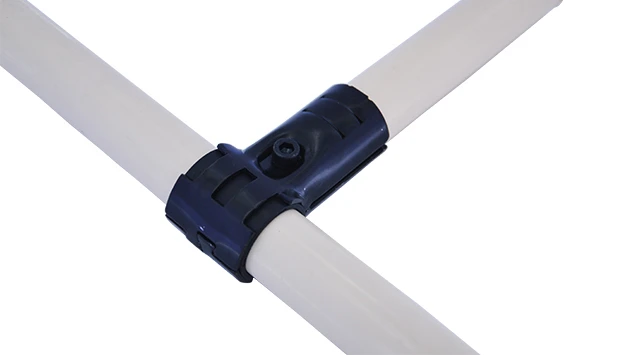
One Way Rotatory Straight Lean Pipe Joint
Two way lean pipe joint for 2 pcs 28MM lean pipe connection in straight angle with rotatory fucntion, which used widely in workbench, flow rack, hand trolley frame connection.
On a typical factory floor, where every second counts, delays in production can ripple through the entire supply chain. A loose joint here, a misaligned workbench there—these small hiccups might seem insignificant at first, but over weeks and months, they add up to wasted time, labor, and money. For manufacturers and facility managers, the quest to eliminate such inefficiencies is never-ending. Enter the world of lean manufacturing, where the goal is to trim waste, streamline processes, and maximize value. At the heart of many lean systems lies a humble yet powerful component: the one way rotatory straight lean pipe joint. Often overlooked, this unassuming part plays a critical role in keeping operations running smoothly. But what makes it so special? And how does it deliver cost savings over the long haul? Let's dive in.
What Are One Way Rotatory Straight Lean Pipe Joints?
Before we explore their cost-saving benefits, let's clarify what one way rotatory straight lean pipe joints are. In simple terms, these are connectors designed to join lean pipes—hollow tubes commonly used in industrial workbenches, material racks, conveyors, and production lines. What sets the "one way rotatory" variant apart is its unique ability to rotate in a single direction while locking firmly in place when turned the other way. This design allows for precise alignment during assembly and reconfiguration, ensuring that structures like workbenches or flow racks stay stable even under heavy loads.
Crafted from durable materials like high-grade steel or aluminum, these joints are built to withstand the rigors of daily industrial use. They typically feature a threaded core, a rotating sleeve, and a locking mechanism that engages when force is applied in the non-rotational direction. This combination of flexibility and stability makes them ideal for lean systems, where adaptability is key. Unlike fixed joints, which require tools and time to adjust, one way rotatory joints can be repositioned quickly by hand, reducing downtime during line changes or upgrades.
The Lean System Connection: Aligning with Lean Principles
To understand the value of these joints, it's important to revisit the core principles of lean manufacturing. Lean systems aim to minimize seven types of waste: overproduction, waiting, transportation, defects, inventory, motion, and overprocessing. One way rotatory straight lean pipe joints directly address several of these. For example, their ease of reconfiguration reduces "motion waste" by eliminating the need for workers to hunt for tools or spend hours disassembling and reassembling structures. Their durability minimizes "defects" by reducing joint failures that could lead to production stops. And their compatibility with standard lean pipes means facilities can avoid "overprocessing" by reusing existing components instead of investing in entirely new systems.
Consider a scenario where a manufacturer needs to adjust a production line to accommodate a new product. With traditional fixed joints, this might involve unbolting pipes, cutting new lengths, and reattaching components—all of which takes time and labor. With one way rotatory joints, the process is simplified: loosen the joint, rotate the pipe to the desired angle, and let the locking mechanism secure it in place. What once took hours now takes minutes, allowing the team to focus on more value-adding tasks. This alignment with lean principles isn't just about speed; it's about creating a more responsive, agile operation that can adapt to changing demands without breaking the bank.

Durability: The Foundation of Long-Term Savings
When it comes to industrial components, durability is non-negotiable. A joint that fails after a few months of use isn't just an inconvenience—it's a hidden cost. Replacing broken parts, repairing damaged structures, and dealing with production delays all eat into profits. One way rotatory straight lean pipe joints excel here, thanks to their robust construction. Many are made from stainless steel or aluminum, materials known for their resistance to corrosion, wear, and impact. Unlike plastic joints, which can crack under heavy loads, or cheap steel joints that rust in humid environments, these high-quality joints stand the test of time.
Take, for example, a food processing facility where moisture and frequent cleaning are part of daily operations. A standard steel joint might start to rust within a year, weakening its grip and increasing the risk of structural failure. A stainless steel one way rotatory joint, however, resists rust and maintains its integrity, reducing the need for replacement. Over five years, the savings from avoiding premature joint failures can add up to thousands of dollars—especially when multiplied across dozens or hundreds of joints in a single facility.
Cost Comparison: Traditional Joints vs. One Way Rotatory Straight Lean Pipe Joints (5-Year Lifespan)
| Metric | Traditional Fixed Joints | One Way Rotatory Straight Lean Pipe Joints | 5-Year Savings with Rotatory Joints |
|---|---|---|---|
| Initial Cost per Joint | $8 | $12 | -$4 (Higher upfront cost) |
| Annual Maintenance Cost | $3 per joint (lubrication, tightening) | $0.50 per joint (minimal upkeep) | $12.50 |
| Replacement Frequency | Every 2 years | Every 5+ years | $16 (Avoided replacement costs) |
| Production Downtime (hours/year) | 10 hours (due to joint issues) | 2 hours (minimal disruptions) | $1,600* (Assuming $200/hour production cost) |
| Total 5-Year Cost per Joint | $53 | $14.50 | $38.50 |
*Based on average manufacturing labor and equipment costs; varies by industry.

Flexibility and Adaptability: Reducing the Need for New Investments
In today's fast-paced manufacturing landscape, adaptability is a competitive advantage. Products change, demand fluctuates, and new technologies emerge—all requiring production lines to evolve. One way rotatory straight lean pipe joints shine here, thanks to their ease of reconfiguration. Unlike fixed joints, which are permanently set at a specific angle, these rotatory joints allow workers to adjust the position of lean pipes quickly and without tools. Need to raise a workbench by a few inches? Rotate the joint, slide the pipe, and lock it in place. Want to reconfigure a material rack to hold larger components? Simply loosen the joints, rearrange the pipes, and tighten—done.
This flexibility eliminates the need to purchase new structures every time production needs change. For instance, a electronics manufacturer that previously used a 3-foot-wide workbench might need to switch to a 4-foot model to accommodate larger circuit boards. With traditional fixed joints, the old workbench would likely be discarded, and a new one built from scratch—costing hundreds of dollars. With rotatory joints, the existing lean pipes and joints can be reused; only a few additional pipes are needed. Over time, this reuse translates to significant savings on materials and labor.
Case Study: How a Automotive Supplier Cut Costs by 28% with Rotatory Joints
Consider the example of Precision Auto Parts, a mid-sized supplier of engine components. Three years ago, their production floor relied on traditional fixed joints for their lean pipe workbenches and material racks. According to Maria Gonzalez, the facility's operations manager, "We were constantly replacing joints that had stripped threads or broken locks. Every time we needed to reconfigure a line for a new part, it took a full day of downtime—costing us around $5,000 per day in lost production."
In 2022, Precision Auto Parts switched to one way rotatory straight lean pipe joints from a trusted lean pipe supplier. The results were immediate. "The first time we reconfigured a workbench, it took two workers just 2 hours instead of a full day," Gonzalez recalls. "We haven't replaced a single joint since the switch—they're still as tight and reliable as day one." Over three years, the company estimates it has saved $120,000 in downtime, maintenance, and replacement costs. "The higher upfront cost of the rotatory joints was a no-brainer once we saw the long-term savings," Gonzalez adds.
Compatibility with Lean Pipes and Aluminum Lean Pipe Systems
Another key advantage of one way rotatory straight lean pipe joints is their compatibility with a wide range of lean pipes, including traditional steel lean pipes, aluminum lean pipes, and even stainless steel variants. This versatility means facilities don't have to overhaul their entire lean system to adopt these joints—they can simply upgrade the connectors while reusing existing pipes. For example, a facility with older steel lean pipes can replace fixed joints with rotatory ones without buying new pipes, reducing upfront costs and minimizing waste.
Aluminum lean pipes, in particular, pair well with these joints. Lightweight yet strong, aluminum pipes are corrosion-resistant and ideal for cleanroom environments or applications where weight matters (e.g., mobile workbenches or turnover trolleys). One way rotatory joints designed for aluminum pipes feature a precision fit that prevents slippage, ensuring the structure remains stable even when moved. This compatibility also extends to accessories like casters, roller tracks, and workbench surfaces, making it easy to build custom solutions tailored to specific needs.
Ease of Installation: Saving Time and Labor
Time is money, especially in manufacturing. The faster a new production line or workbench can be assembled, the sooner it starts generating value. One way rotatory straight lean pipe joints simplify installation, reducing the time and labor required to build or modify structures. Unlike fixed joints, which often require wrenches, screws, or adhesives, these rotatory joints can be tightened by hand. The one-way rotation allows for (fine adjustment) during assembly, ensuring pipes are perfectly aligned without guesswork. This not only speeds up the initial build but also reduces errors—no more crooked workbenches or wobbly racks that need to be torn down and rebuilt.
For new hires or temporary workers, this ease of use is a game-changer. Training someone to assemble a lean system with rotatory joints takes hours, not days. In contrast, fixed joints require knowledge of torque settings, tool use, and alignment techniques—skills that take time to develop. By reducing the learning curve, facilities can deploy workers more quickly, boosting productivity and reducing labor costs.
The Role of the Lean Pipe Supplier: Ensuring Quality and Support
Of course, not all one way rotatory straight lean pipe joints are created equal. The quality of the joint depends largely on the lean pipe supplier. Reputable suppliers invest in engineering and testing to ensure their joints meet strict durability and performance standards. They use high-grade materials, precision machining, and rigorous quality control checks to avoid defects. Additionally, top suppliers offer technical support, helping customers choose the right joints for their specific application (e.g., heavy-duty joints for material racks vs. lightweight ones for workbenches) and providing guidance on installation and maintenance.
Choosing a reliable supplier also means access to a full range of compatible components. For example, a supplier that offers lean pipes, joints, casters, and workbench accessories can ensure all parts work seamlessly together, reducing the risk of compatibility issues. This one-stop shopping saves time and eliminates the hassle of coordinating with multiple vendors.
Conclusion: The Long-Term Value of a Small Component
In the grand scheme of manufacturing, one way rotatory straight lean pipe joints might seem like a minor detail. But as we've explored, their impact on long-term cost savings is anything but small. From reducing maintenance and replacement costs to minimizing downtime and labor expenses, these unassuming connectors deliver value at every turn. They align perfectly with lean system principles, enabling facilities to adapt quickly, eliminate waste, and stay competitive in a rapidly changing market.
For manufacturers and facility managers considering an upgrade, the message is clear: don't overlook the joints. Investing in high-quality one way rotatory straight lean pipe joints may cost a bit more upfront, but the returns—measured in durability, flexibility, and long-term savings—are well worth it. As Sarah, the production supervisor we mentioned earlier, put it: "These joints aren't just parts—they're an investment in our team's efficiency and our company's bottom line." And in the world of lean manufacturing, that's an investment that pays dividends for years to come.