- Company Articles
- Products and Technology
- Product knowledge
- One Way Rotatory Straight Lean Pipe Joints for Mobile Workstations & Carts

One Way Rotatory Straight Lean Pipe Joints for Mobile Workstations & Carts
Related Product
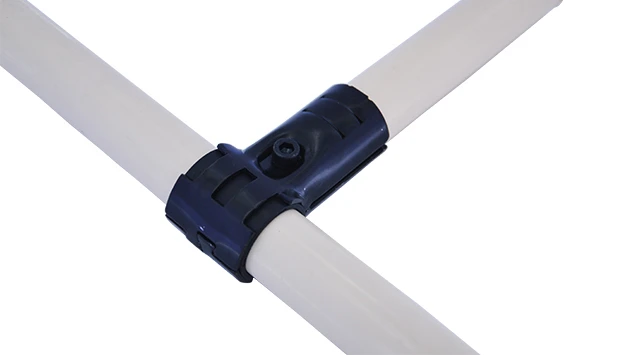
One Way Rotatory Straight Lean Pipe Joint
Two way lean pipe joint for 2 pcs 28MM lean pipe connection in straight angle with rotatory fucntion, which used widely in workbench, flow rack, hand trolley frame connection.
Walk into any modern manufacturing facility, warehouse, or assembly line, and you'll notice a quiet revolution happening on the factory floor. It's not just the robots or high-tech machinery—it's the smaller, often overlooked components that keep operations flowing smoothly. Think about the last time you watched a team of workers move materials from one station to another, or reconfigure a workstation to adapt to a new product line. Chances are, behind that flexibility and efficiency lies a system built on lean principles, and at the heart of that system? Lean pipe and its unsung heroes: joints. Today, we're shining a spotlight on one such hero: the one way rotatory straight lean pipe joint. These unassuming components might seem simple, but they're the difference between a rigid, frustrating workspace and a dynamic, adaptable environment where mobile workstations and carts move with purpose and precision.
What Are Lean Pipe Systems, and Why Do They Matter?
Before diving into the specifics of one way rotatory straight joints, let's take a step back and understand the bigger picture: lean pipe systems. Born from the principles of lean manufacturing—focused on minimizing waste, maximizing efficiency, and continuous improvement—lean pipe systems are modular frameworks built using lightweight pipes (often steel, aluminum, or plastic-coated) and a variety of joints, connectors, and accessories. They're the building blocks of everything from workbenches and material racks to flow racks and mobile carts. What makes them so powerful is their simplicity: no welding, no complex tools, just pipes and joints that snap, bolt, or twist together to create custom solutions. Need a taller workbench? Add a few extra pipes. Want to reconfigure a cart to hold larger parts? Swap out a joint. It's flexibility personified, and it's why lean pipe has become a cornerstone of modern production environments.
At the core of any lean pipe system are the joints. These small but critical components determine how pipes connect, move, and support weight. Fixed joints lock pipes in place for stability, while swivel joints allow for rotation. But what if you need something in between? Enter the one way rotatory straight lean pipe joint—a component designed to offer controlled movement in one direction while maintaining rigidity in others. It's the sweet spot between flexibility and stability, and it's particularly game-changing for mobile workstations and carts, where precision movement can make or break workflow efficiency.
Meet the One Way Rotatory Straight Lean Pipe Joint: Design, Features, and Function
Let's start with the basics: what exactly is a one way rotatory straight lean pipe joint? In simple terms, it's a connector that joins two lean pipes in a straight line but allows one pipe to rotate relative to the other in a single, controlled direction. Imagine a mobile cart with a flow rack attachment—you want the materials on the flow rack to glide forward toward the worker, but you don't want them sliding backward or wobbling side to side. That's where the one way rotation comes in: it ensures movement in the direction you need, when you need it, without the chaos of unrestricted motion.
Design-wise, these joints are engineered with precision. Most are made from durable materials like zinc-plated steel or aluminum, chosen for their strength, resistance to corrosion, and ability to withstand the daily wear and tear of industrial environments. The "straight" aspect means they align pipes along a linear axis, avoiding the angles of elbow joints, while the "one way rotatory" mechanism typically involves a ratchet-like system, a spring-loaded pin, or a friction-based design that allows rotation in one direction (say, clockwise) but locks when turned the opposite way (counterclockwise). This controlled movement is crucial for applications where materials need to flow in a specific path—like on a roller track or a tilted flow rack.
But what really sets these joints apart is their adaptability. They're designed to work seamlessly with standard lean pipe sizes (often 28mm or 30mm in diameter, though compatibility varies by manufacturer) and a range of accessories, from caster wheels to roller track guides. Whether you're building a lightweight picking cart for a warehouse or a heavy-duty assembly workstation for automotive parts, there's a one way rotatory straight joint built to handle the load and the task at hand.
Key Features to Look For
Not all one way rotatory straight lean pipe joints are created equal. When selecting joints for your mobile workstations or carts, keep an eye out for these critical features:
- Load Capacity: This is non-negotiable. A joint rated for 50kg won't cut it if your cart needs to carry 150kg of materials. Look for clear load ratings (often listed in kilograms or pounds) and choose joints that exceed your expected needs to account for unexpected stress.
- Rotation Angle: How far can the joint rotate before locking? Some joints allow a full 360° rotation in one direction, while others are limited to 180° or less. For flow racks, a full rotation might not be necessary, but for adjustable workstations, more rotation could mean greater flexibility.
- Locking Mechanism: The lock should be firm but smooth. A joint that slips or locks unpredictably can disrupt workflow or even cause accidents. Test if possible, or look for reviews mentioning "secure locking" or "smooth rotation."
- Material Compatibility: If you're using aluminum lean pipe (a lighter, corrosion-resistant alternative to steel), ensure the joint is designed to work with aluminum profiles. Some joints are coated to prevent galvanic corrosion when mixed with different metals.
- Ease of Assembly: Remember, lean systems are all about reducing waste—including time wasted on complicated setup. Look for joints that can be installed without specialized tools (think hand-tightened bolts or snap-on designs) to speed up assembly and reconfiguration.

Why One Way Rotatory Joints Are a Game-Changer for Mobile Workstations & Carts
Now, let's get practical: how do these joints actually improve mobile workstations and carts? Let's break it down with real-world scenarios that highlight their impact.
Scenario 1: The Assembly Line Cart That Adapts
Imagine a small electronics manufacturer that produces both smartphones and tablets. One week, they're assembling phone cases, requiring a low, wide workstation with bins for small components. The next week, they switch to tablet screens, which are larger and need to be positioned at a slight angle to prevent damage. With fixed joints, reconfiguring the cart would mean disassembling and rebuilding—wasting valuable time. But with one way rotatory straight joints, the worker can simply rotate the upper frame of the cart to tilt the work surface, lock it in place, and get back to work. The joint's one-way rotation ensures the surface stays tilted (no slipping!) even when materials are placed on it, keeping the workflow uninterrupted.
Scenario 2: The Warehouse Picking Cart That Flows
In a busy warehouse, order pickers spend hours pushing carts up and down aisles, collecting items for shipment. A typical cart might have shelves, but shelves require bending, reaching, and lifting—all of which slow workers down and increase the risk of injury. Enter a cart equipped with flow racks built using one way rotatory joints. The flow rack is tilted slightly forward, with roller tracks that allow bins of items to glide toward the picker as the front bin is emptied. The one way rotatory joints ensure the roller track stays tilted (no accidental flattening when the cart hits a bump!) and that bins only move forward, preventing backflow. The result? Pickers spend less time bending, more time picking, and the cart adapts to different bin sizes by adjusting the tilt angle via the joints.
Scenario 3: The Heavy-Duty Material Transport Cart That Stays Stable
For factories moving heavy parts—like engine blocks or large machinery components—stability is key. A cart with fixed joints might handle the weight, but loading and unloading often require tilting the cart to slide parts on or off. With one way rotatory joints, the cart's bed can be tilted backward (using the joint's rotation) to create a gentle slope, making it easier to slide heavy items onto the cart. Once loaded, the joint locks, preventing the bed from tilting during transport. When unloading, a quick release allows the bed to tilt forward again, letting gravity assist in moving the part to the next station. It's a simple solution that reduces strain on workers and speeds up material handling.

How One Way Rotatory Joints Work with Other Lean Components
A lean pipe system is only as strong as its weakest link, and the best one way rotatory straight joints shine when paired with compatible components. Let's explore how they interact with some common lean accessories to create cohesive, efficient systems.
Casters and Mobile Base Systems
What good is a mobile workstation if it doesn't move smoothly? One way rotatory joints work hand-in-hand with casters (those swiveling wheels at the bottom of carts) to balance mobility and stability. For example, a cart with four casters (two fixed, two swivel with brakes) might use one way rotatory joints on its upper frame to allow tilting for material flow, while the casters keep it steady during transport. When the cart needs to stay in place, the brakes lock the casters, and the joints lock the tilt—creating a rock-solid workstation. It's a partnership that ensures the cart is both mobile and stationary when needed.
Flow Racks and Roller Tracks
Flow racks are all about gravity-fed material flow—think of a shelf where bins slide forward as the front one is removed. To create that gentle incline, flow racks rely on tilted roller tracks, and one way rotatory joints are the secret to setting (and maintaining) that angle. By attaching roller tracks to the rack frame using these joints, workers can adjust the tilt to match the weight of the materials (heavier items need a shallower angle, lighter ones a steeper slope) and lock it in place. No more bins getting stuck halfway or sliding too fast—just consistent, controlled flow.
Aluminum Profiles and Lightweight Systems
While traditional lean pipe is often steel, many modern systems use aluminum lean pipe for its lighter weight and resistance to rust (ideal for cleanrooms or food processing environments). One way rotatory joints designed for aluminum profiles are lighter but just as strong, making them perfect for mobile workstations that need to be moved frequently (like in hospitals or labs). Aluminum's sleek finish also pairs well with the joint's design, creating a clean, professional look that's as functional as it is aesthetically pleasing.
Specifications at a Glance: A Closer Look at One Way Rotatory Joint Models
To help you visualize the variety of one way rotatory straight lean pipe joints available, here's a table comparing common models from leading suppliers. Note that specifications can vary by manufacturer, so always check with your supplier for exact details.
| Model Number | Material | Max Load Capacity (kg) | Rotation Angle (°) | Compatible Pipe Diameter (mm) | Finish |
|---|---|---|---|---|---|
| OW-RJ-28-S | Zinc-Plated Steel | 120 | 360 (one-way) | 28 | Chrome |
| AL-OW-RJ-30 | Aluminum Alloy | 80 | 180 (one-way) | 30 | Anodized Silver |
| HD-OW-RJ-28 | Stainless Steel | 200 | 360 (one-way) | 28 | Brushed Stainless |
| PL-OW-RJ-30 | Polypropylene (Reinforced) | 50 | 90 (one-way) | 30 | Black (ESD-Safe) |
As you can see, there's a joint for every need: heavy-duty stainless steel for industrial settings, lightweight aluminum for cleanrooms, even ESD-safe polypropylene for electronics manufacturing (where static electricity is a risk). The key is matching the joint to the application—no need to overspend on a 200kg-capacity joint if you're only moving 30kg bins!
Maintenance Tips: Keeping Your Joints (and Systems) Running Smoothly
Like any component, one way rotatory straight lean pipe joints need a little TLC to perform their best over time. Here are some simple maintenance tips to extend their lifespan and keep your mobile workstations and carts in top shape:
- Clean Regularly: Dust, grease, and debris can gum up the rotation mechanism. Wipe joints with a dry cloth weekly, and use a mild detergent (avoid harsh chemicals) for stubborn grime. For hard-to-reach crevices, a soft-bristled brush works wonders.
- Lubricate Moving Parts: The rotation mechanism (whether it's a pin, spring, or bearing) needs occasional lubrication to stay smooth. Use a light machine oil or silicone spray (check the manufacturer's recommendations—some plastic joints don't react well to oil) and apply a drop or two every 3–6 months, depending on usage.
- Check for Wear and Tear: Inspect joints monthly for signs of damage: cracks in the housing, bent pins, or excessive play (wobbling) between connected pipes. If a joint feels loose or doesn't lock properly, replace it immediately—don't risk a failure that could damage materials or injure workers.
- Tighten Bolts and Fasteners: Over time, vibrations from moving carts can loosen bolts. A quick check with a wrench (or even by hand) to tighten any loose fasteners will prevent joints from slipping or failing.
- Store Spare Parts: Keep a few extra joints, bolts, and pins on hand. When a joint does wear out, you won't have to halt production while waiting for a replacement—just swap it out and keep moving.
The Bottom Line: Small Joints, Big Impact
In the world of lean manufacturing, efficiency is measured in seconds saved, steps eliminated, and frustrations avoided. One way rotatory straight lean pipe joints might not grab headlines like the latest automation tech, but they deliver tangible results: a warehouse picker who can grab items without bending, an assembly line worker who can reconfigure their station in minutes, a team that adapts to new products without overhauling their entire setup. These joints are more than just connectors—they're enablers of the lean mindset, turning static workspaces into dynamic ecosystems where change is not just possible, but easy.
So, the next time you walk through a factory or warehouse and marvel at how smoothly everything runs, take a closer look at the carts, workstations, and flow racks. Chances are, you'll spot a one way rotatory straight lean pipe joint hard at work, quietly keeping the world of production moving forward—one controlled rotation at a time.