- Company Articles
- Products and Technology
- Product knowledge
- One Way Rotatory Straight Lean Pipe Joints in Automated Warehouse Systems

One Way Rotatory Straight Lean Pipe Joints in Automated Warehouse Systems
Related Product
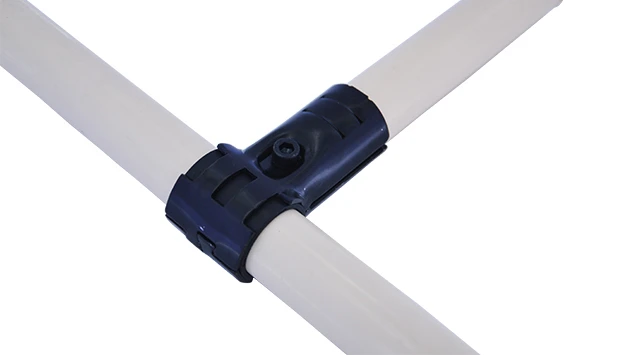
One Way Rotatory Straight Lean Pipe Joint
Two way lean pipe joint for 2 pcs 28MM lean pipe connection in straight angle with rotatory fucntion, which used widely in workbench, flow rack, hand trolley frame connection.
The Evolution of Automated Warehouses and the Need for Lean Systems
Walk into any modern warehouse today, and you'll likely be met with the hum of conveyor belts, the precise movement of robotic arms, and teams of workers coordinating seamlessly to keep products flowing. But behind this efficiency lies a critical truth: even the most advanced automated systems rely on foundational components that balance rigidity with adaptability. This is where lean systems come into play—a philosophy that's less about cutting corners and more about crafting workflows that are both efficient and flexible enough to keep up with shifting demands.
Automated warehouses have come a long way from static storage facilities. Today, they're dynamic hubs where speed, accuracy, and scalability are non-negotiable. Whether it's fulfilling e-commerce orders that spike during holiday seasons or adapting to new product lines, warehouses need systems that can evolve without causing costly downtime. Enter lean manufacturing principles, which prioritize minimizing waste, optimizing space, and enhancing material flow. And at the heart of these lean systems? Components like lean pipe and accessories, which form the building blocks of everything from workbenches to material racks.
Understanding Lean Systems in Modern Warehousing
At its core, a lean system is about creating value with fewer resources. In warehousing, this translates to designing layouts that reduce unnecessary movement, using components that can be reconfigured quickly, and ensuring every part of the operation serves a clear purpose. Unlike traditional fixed infrastructure—think heavy steel racks or permanent conveyor lines—lean systems are modular. They're built to be adjusted, expanded, or repurposed as needs change, which is why they've become indispensable in industries ranging from automotive manufacturing to electronics assembly.
Imagine a warehouse that needs to shift from storing small electronics to larger appliances overnight. A rigid system would require weeks of renovation, new equipment, and lost productivity. A lean system, however, uses components like lean pipes, joints, and roller tracks to reconfigure workstations and material flow paths in days—sometimes even hours. This flexibility isn't just convenient; it's a competitive advantage in a market where customer demands can pivot overnight.

The Backbone of Lean Systems: Lean Pipe and Accessories
If lean systems are the body of efficient warehousing, lean pipe and accessories are the bones and muscles. These components—ranging from basic aluminum tubes to specialized joints and connectors—are designed to work together in endless combinations. What makes them unique is their simplicity: most lean pipes are lightweight yet durable, with standardized diameters that allow for easy assembly without welding or complex tools. This means even a small team can build, modify, or dismantle structures like workbenches, material racks, or turnover trolleys with minimal training.
But not all lean pipe components are created equal. While basic joints and pipes handle static loads well, dynamic environments—like automated warehouses where materials are constantly moving—require more specialized parts. This is where components like the one way rotatory straight lean pipe joint shine. Unlike fixed joints that lock pipes into place, these rotatory joints add a layer of movement, enabling smoother transitions between workstations, better alignment with roller tracks, and more intuitive material handling.

Spotlight on One Way Rotatory Straight Lean Pipe Joints: Design and Functionality
What is a One Way Rotatory Straight Lean Pipe Joint?
At first glance, a one way rotatory straight lean pipe joint might seem like a simple piece of hardware. But its design is a masterclass in functional engineering. Picture a cylindrical connector that attaches two lean pipes end-to-end, but with a crucial twist: it allows rotation in one direction while locking in the other. This "one way" mechanism ensures that materials can flow smoothly along a predetermined path—say, from a roller track onto a workstation—without slipping backward or getting jammed.
Unlike multi-directional joints that offer 360-degree movement (and can sometimes lead to instability), one way rotatory joints are purpose-built for linear workflows. They're the unsung heroes of assembly lines and picking stations, where controlling the direction of material flow is critical to preventing bottlenecks. For example, in an electronics manufacturing facility, small components might travel along a roller track guided by these joints, ensuring they always move forward to the next worker—no more chasing runaway parts or reorienting misaligned items.
Key Features and Mechanisms
So, how does a one way rotatory joint work? Let's break it down. Most models consist of an outer casing, an inner sleeve with a ratchet-like mechanism, and a spring-loaded pin that engages with notches in the sleeve. When force is applied in the "forward" direction, the pin slides over the notches, allowing the joint to rotate smoothly. When force is applied backward, the pin locks into a notch, preventing rotation. This simple yet effective design ensures controlled movement without the need for external power sources—no motors, no sensors, just mechanical precision.
Another key feature is adjustability. Many one way rotatory joints let users fine-tune the tension of the spring, making it possible to handle different load weights. A heavier item, like a crate of automotive parts, might require stiffer tension to prevent accidental backward movement, while lighter items, such as small electronic components, can glide with minimal resistance. This adaptability makes the joints versatile enough to be used across multiple areas of a warehouse, from high-speed conveyor lines to slow-moving assembly stations.
Material Choices: Durability Meets Flexibility
When it comes to materials, one way rotatory joints are typically made from either high-grade plastic, aluminum, or stainless steel. Plastic joints are lightweight and cost-effective, ideal for low-load applications like moving small packages. Aluminum joints strike a balance between weight and strength, making them popular for medium-duty tasks, such as assembling workbenches or lightweight roller tracks. Stainless steel joints, on the other hand, are built for heavy loads and harsh environments—think warehouses that handle chemicals or operate in extreme temperatures—where corrosion resistance is a must.
A reputable lean pipe supplier will often offer joints in multiple materials, ensuring customers can choose the right fit for their needs. For example, a food processing warehouse might opt for stainless steel joints to meet hygiene standards, while a fulfillment center could use aluminum joints to keep costs low without sacrificing durability.
Integration with Roller Track: Enhancing Material Flow
How One Way Rotatory Joints Optimize Roller Track Performance
Roller tracks are the arteries of automated warehouses, carrying everything from boxes to pallets between stations. But their efficiency depends on how well they connect to other components. This is where one way rotatory straight lean pipe joints become game-changers. By attaching roller tracks to workstations or conveyor lines with these joints, warehouses can create seamless, one-directional flow paths that reduce friction and minimize jams.
Consider a typical scenario: a roller tracking products from a storage rack to a packing workbench. Without a rotatory joint, the transition between the track and the workbench might be jarring—items could get stuck at the corner, requiring workers to manually nudge them forward. With a one way rotatory joint, the roller track can "follow" the workbench as it's adjusted (yes, workbenches in lean systems are often mobile!), maintaining alignment and ensuring a smooth handoff. The joint's one-way rotation prevents items from rolling back onto the track, keeping the workflow uninterrupted.
Real-World Impact: A mid-sized automotive parts warehouse in Michigan recently upgraded its roller track systems with one way rotatory joints. Within three months, they reported a 28% reduction in material jams and a 15% increase in throughput on their assembly lines. Workers noted that the smoother flow reduced physical strain, leading to fewer breaks and higher overall productivity.
Real-World Applications: From Assembly Lines to Distribution Centers
One way rotatory joints aren't limited to roller tracks—their versatility makes them invaluable across warehouse setups. In assembly lines, they're used to connect adjustable workbenches, allowing workers to reposition tools and materials without disrupting the flow of parts. In distribution centers, they're paired with turnover trolleys to create mobile picking stations that can be moved alongside conveyor lines, reducing the distance workers need to walk.
Even in static setups, like material rack B (3 row and 3 floor) systems, these joints add value. By attaching roller tracks to the racks with one way rotatory joints, warehouses can transform static shelves into dynamic flow racks, where products automatically slide forward as items are removed—no more reaching to the back of the shelf or reorganizing stock manually.
Building Efficient Workbenches with One Way Rotatory Joints
Customization Possibilities
Workbenches are the workhorses of any warehouse, and in lean systems, they're rarely "one-size-fits-all." A workbench E (single deck-without caster), for example, might need to be adjusted in height or width to accommodate different tasks or worker preferences. One way rotatory straight lean pipe joints make this customization easier than ever. By using these joints to connect the bench's frame pipes, workers can pivot sections of the bench, adjust the angle of tool holders, or even reconfigure the entire structure to fit new equipment—all without disassembling the entire setup.
For instance, a workstation handling small electronics might start with a flat surface, but as tasks evolve, workers could add a tilted section using rotatory joints to reduce eye strain. The one-way rotation ensures the tilted section stays in place once adjusted, preventing accidental movement during use. This level of adaptability means workbenches can grow with the warehouse, rather than being replaced every time processes change.
Ergonomics and Worker Productivity
Beyond efficiency, one way rotatory joints also contribute to better ergonomics—a critical factor in reducing workplace injuries and boosting morale. When workbenches and material handling systems are rigid, workers often have to bend, reach, or twist to access tools or materials, leading to fatigue and long-term strain. With rotatory joints, however, components can be positioned at optimal angles, reducing unnecessary movement.
A study by the National Institute for Occupational Safety and Health (NIOSH) found that workplaces with adjustable, ergonomic workstations reported 32% fewer musculoskeletal injuries. By integrating one way rotatory joints into these setups, warehouses can create environments that prioritize worker health while maintaining productivity—a win-win for both employees and bottom lines.
Why Choosing the Right Lean Pipe Supplier Matters
With so many components on the market, it's tempting to prioritize cost when selecting lean pipe and accessories. But in the long run, partnering with a reliable lean pipe supplier is far more valuable. A reputable supplier doesn't just sell parts—they offer expertise, quality assurance, and support that can make or break a warehouse's efficiency.
For example, a trusted lean pipe supplier will ensure that one way rotatory joints are tested for durability, with consistent tension in their spring mechanisms and precise machining to prevent jamming. They'll also provide guidance on which materials (aluminum, stainless steel, plastic) are best for specific applications, helping warehouses avoid costly mistakes. In contrast, a low-quality supplier might offer joints with inconsistent tolerances, leading to frequent breakdowns and frustrated workers.
Collaboration with a Trusted Lean Pipe Supplier: Case Studies
A large retail distribution center in Texas learned this lesson the hard way. Initially, they sourced lean pipe components from a budget supplier to cut costs. Within six months, their one way rotatory joints began failing—some locked up, others rotated freely in both directions, causing material flow chaos. After switching to a reputable lean pipe supplier, they invested in higher-quality joints and received on-site training on proper installation and maintenance. The result? A 50% reduction in joint failures and a 20% improvement in system uptime.
The takeaway? Your lean system is only as strong as its weakest component. Choosing a supplier that prioritizes quality and customer support ensures that components like one way rotatory joints deliver on their promise of durability and flexibility.
Future Trends: Innovations in Lean Pipe Technology
As automated warehouses become more advanced, so too will the components that power them. One emerging trend is the integration of smart sensors into lean pipe joints, allowing warehouses to monitor tension, rotation, and wear in real time. Imagine a one way rotatory joint that sends an alert to maintenance when its spring tension weakens, preventing unexpected failures. This predictive maintenance could further reduce downtime and extend the lifespan of lean systems.
Another trend is the development of eco-friendly materials, such as recycled aluminum and biodegradable plastics, for lean pipe and accessories. As sustainability becomes a priority for businesses worldwide, suppliers are exploring ways to reduce the environmental impact of their products without compromising performance. For example, some manufacturers are now offering aluminum lean pipes made from 80% recycled materials, with joints that use plant-based lubricants instead of petroleum-based ones.
Conclusion: The Unsung Hero of Automated Warehouse Efficiency
In the grand scheme of automated warehouses, one way rotatory straight lean pipe joints might seem small. But their impact is undeniable. By enabling smooth, one-directional movement, enhancing roller track performance, and making workbenches more adaptable, these humble components play a crucial role in keeping lean systems efficient and flexible.
As warehouses continue to evolve, the demand for smarter, more durable lean pipe components will only grow. Whether it's through innovations like sensor-integrated joints or a renewed focus on sustainability, the future of lean systems is bright. And at the center of it all? Components like the one way rotatory straight lean pipe joint—quietly working behind the scenes to turn chaos into order, one rotation at a time.
So the next time you walk through an automated warehouse, take a moment to appreciate the little things—the joints, the pipes, the roller tracks. They might not grab headlines, but they're the reason those products reach your doorstep on time.
Comparing Traditional Fixed Joints vs. One Way Rotatory Straight Lean Pipe Joints
| Feature | Traditional Fixed Joints | One Way Rotatory Straight Lean Pipe Joints |
|---|---|---|
| Movement | No rotation; fixed in place | One-directional rotation; locks in reverse | Material Flow | Prone to jams at transitions | Smooth, one-way flow; reduces jams |
| Flexibility | Static; requires disassembly to reconfigure | Dynamic; allows for on-the-fly adjustments |
| Durability | High for static loads | High for dynamic loads; tested for repeated rotation |
| Best For | Static structures (e.g., fixed shelving) | Dynamic environments (e.g., roller tracks, adjustable workbenches) |