- Company Articles
- Products and Technology
- Product knowledge
- One Way Rotatory Straight Lean Pipe Joints in Telecommunication Equipment Production

One Way Rotatory Straight Lean Pipe Joints in Telecommunication Equipment Production
Related Product
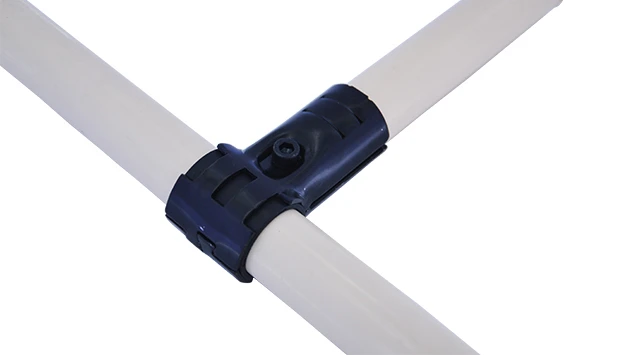
One Way Rotatory Straight Lean Pipe Joint
Two way lean pipe joint for 2 pcs 28MM lean pipe connection in straight angle with rotatory fucntion, which used widely in workbench, flow rack, hand trolley frame connection.
Walk into any modern telecommunication equipment production facility, and you'll notice a symphony of precision: circuit boards gliding along conveyors, workers assembling 5G modules with microscopic focus, and robots transferring sensitive components between stations. But behind this harmony lies a hidden challenge—balancing the need for speed, flexibility, and durability in an industry where technology evolves faster than production lines can be rebuilt. This is where lean manufacturing systems step in, and at the heart of many of these systems is a deceptively simple component: the one way rotatory straight lean pipe joint chrome. Far more than just a connector, this small but mighty part is redefining how telecom manufacturers design workspaces, optimize material flow, and adapt to changing demands.
The Telecommunication Production Puzzle: Why Flexibility Matters
Telecommunication equipment production isn't just about making gadgets—it's about keeping up with a world that demands faster, smaller, and more powerful devices. From routers and switches to fiber optic transceivers, each product iteration brings new dimensions, new components, and new assembly requirements. Traditional manufacturing setups, with their rigid workbenches and fixed material racks, struggle to keep pace. A workstation built for a 4G router might be too large for a compact 5G model, or a flow rack designed for plastic housings might not accommodate heavier metal chassis. The result? Downtime, wasted resources, and missed deadlines.
This is where lean manufacturing principles shine. Lean systems prioritize minimizing waste—whether it's time, space, or materials—by creating modular, adaptable workspaces. And at the core of these modular systems are lean pipes and their connectors. Unlike fixed metal frames, lean pipes (often made of steel or aluminum) can be easily assembled, disassembled, and reconfigured using joints. But not all joints are created equal. Enter the one way rotatory straight lean pipe joint chrome: a component designed to add a new level of flexibility to lean setups, making it a game-changer for telecom production floors.
Meet the Star: One Way Rotatory Straight Lean Pipe Joint Chrome
At first glance, a lean pipe joint might seem unremarkable—a small, metallic piece that connects two pipes. But the one way rotatory straight lean pipe joint chrome stands out for a reason. Let's break down what makes it unique:
Design That Prioritizes Movement (Without Compromise)
Traditional fixed joints lock pipes into a static angle, which is fine for permanent structures but limiting for dynamic environments. The one way rotatory joint, as the name suggests, allows for controlled rotation in one direction. Imagine a lean pipe workbench where the height of a shelf needs to be adjusted to fit taller components. With a fixed joint, you'd need to loosen bolts, realign the pipes, and retighten—wasting precious minutes. With a one way rotatory joint, you simply rotate the pipe to the desired angle, and the joint locks into place, secure and stable. It's like having a hinge that knows exactly when to stay put.
The "straight" in its name refers to its ability to connect pipes in a linear path while still allowing rotation, making it ideal for structures where alignment matters. Whether you're building a flow rack, a roller track, or a custom workstation, this joint ensures pipes stay straight when needed but can pivot when required.
Chrome Finish: Durability Meets Cleanliness
Telecom production environments are unforgiving. Dust, oils, and occasional spills are part of daily life, and components must withstand constant use. The chrome plating on these joints isn't just for aesthetics—it's a protective barrier. Chrome resists corrosion, prevents rust, and is easy to clean, ensuring the joint maintains its functionality even in busy workshops. For telecom manufacturers, where precision is non-negotiable, a rusted or stuck joint could disrupt the entire assembly line. The chrome finish adds a layer of reliability that's hard to overstate.
Compatibility: Playing Well With Others
A great component is only as good as its ability to work with existing systems. The one way rotatory straight lean pipe joint chrome is designed to fit standard lean pipes (often 28mm in diameter), making it compatible with most lean manufacturing setups. This means manufacturers don't have to overhaul their entire infrastructure to adopt it—they can simply swap out old joints for these rotatory ones and start reaping the benefits immediately. Whether paired with aluminum profiles, roller tracks, or lean pipe workbenches, this joint integrates seamlessly, turning rigid structures into flexible, adaptable workspaces.

Integration in Action: Building a Telecom-Ready Workspace
To understand the impact of the one way rotatory straight lean pipe joint chrome, let's look at how it integrates with three key components of telecom production: lean pipe workbenches, flow racks, and roller tracks. These are the backbone of any assembly line, and their efficiency directly affects output quality and speed.
Lean Pipe Workbenches: From Static to Dynamic
The lean pipe workbench is where the magic happens—this is where workers assemble circuit boards, test components, and package finished products. In telecom, workbenches need to accommodate a range of tasks: soldering delicate wires one hour, testing large routers the next. Fixed-height workbenches force workers into uncomfortable positions or require multiple benches for different tasks, wasting space and time.
With one way rotatory joints, workbenches become adjustable on the fly. Need to lower a shelf to fit a bulkier component? Rotate the joint, set the height, and lock it. Want to angle a tool holder for easier access? The joint allows for precise positioning without disassembling the entire bench. This adaptability reduces worker fatigue (a major cause of errors in precision tasks) and cuts down on the number of workbenches needed, freeing up floor space for other equipment.
Flow Racks: Smoother Material Movement
Flow racks are the arteries of a production line, transporting components from storage to assembly stations. In telecom, where components range from tiny resistors to large power supplies, flow racks must handle varying weights and sizes while maintaining a steady, jolt-free flow. Traditional flow racks use fixed-angle rails, which can cause jams if components are misaligned or if the rack isn't perfectly level.
By using one way rotatory joints to connect the rails of a flow rack, manufacturers can adjust the angle of the track to match the component's weight. Heavier items might need a steeper angle to glide smoothly, while lighter ones require a gentler slope to avoid sliding too fast. The rotatory joint makes these adjustments quick and easy, reducing jams and ensuring a consistent flow of materials. For example, a telecom plant producing fiber optic cables might use a flow rack with rotatory joints to adjust between spools of different diameters, ensuring each spool feeds into the assembly line at the optimal speed.
Roller Tracks: Precision in Motion
Roller tracks are essential for moving assembled subassemblies between stations—think of a partially built router moving from the circuit board station to the testing station. These tracks rely on perfectly aligned rollers to prevent jostling, which could damage sensitive telecom components. Traditional roller tracks are fixed, meaning any misalignment (due to floor unevenness or wear and tear) can cause components to get stuck or tip over.
One way rotatory joints solve this by allowing for micro-adjustments to the track's angle. If a section of the roller track starts to sag, workers can rotate the joint to realign it, ensuring the track remains level. This precision is critical for telecom equipment, where even a small bump could loosen a connection or scratch a circuit board. The rotatory joint turns a rigid track into a self-correcting system, minimizing disruptions and protecting delicate components.

Traditional vs. Rotatory: A Comparison
| Feature | Traditional Fixed Joints | One Way Rotatory Straight Lean Pipe Joint Chrome |
|---|---|---|
| Adjustability | Limited—requires disassembly to change angles/height | High—rotates in one direction, locks in place; no disassembly needed |
| Durability | Basic steel; prone to rust in humid environments | Chrome-plated; corrosion-resistant, easy to clean |
| Installation Time | Longer—requires precise alignment and tightening | Shorter—snaps into place, adjustable on the go |
| Compatibility | Works with standard pipes but limited to fixed setups | Compatible with standard pipes; integrates with lean workbenches, flow racks, roller tracks |
| Cost Over Time | Higher—needs replacement if structure is reconfigured | Lower—reusable across reconfigurations; reduces need for new components |
Real-World Impact: A Telecom Manufacturer's Success Story
To put this in perspective, let's consider a fictional but realistic case study. Imagine a mid-sized telecom manufacturer, "SwiftCom," producing 5G routers and modems. Before adopting lean manufacturing, SwiftCom's production line was plagued by inefficiencies: fixed workbenches meant workers wasted 15 minutes per shift adjusting their positions, flow racks frequently jammed, and reconfiguring the line for new product models took 2-3 days. Error rates were high (3% of units failed testing), and employee turnover was increasing due to frustration with the cumbersome setup.
SwiftCom decided to invest in a lean system, starting with upgrading their joints to one way rotatory straight lean pipe joint chrome. The results were striking:
- Workbench Adjustments: What once took 15 minutes (disassembling and rebuilding shelves) now took 2 minutes (rotating the joint to the new height). Workers reported less fatigue, and error rates dropped to 1.2% within the first month.
- Flow Rack Efficiency: By adjusting the angle of flow rack rails with rotatory joints, jams decreased by 70%. Material delivery to assembly stations became consistent, reducing downtime by 12 hours per week.
- Line Reconfiguration: When SwiftCom launched a new modem model, reconfiguring the production line took just 4 hours instead of 3 days. This agility allowed them to meet a tight launch deadline, securing a major contract with a telecom provider.
- Durability: After 6 months of use, the chrome joints showed no signs of rust or wear, even in the oily, dusty workshop. Maintenance costs dropped by 30% compared to the old steel joints, which needed frequent cleaning and replacement.
For SwiftCom, the one way rotatory straight lean pipe joint chrome wasn't just a component upgrade—it was a catalyst for transformation. By making their workspace adaptable, they reduced waste, improved worker satisfaction, and positioned themselves to handle the fast-paced demands of the telecom industry.
Choosing the Right Supplier: What to Look For
Not all one way rotatory straight lean pipe joints are created equal. To maximize the benefits, manufacturers must choose a reliable lean pipe supplier. Here are key factors to consider:
Quality of Materials
The joint's core material (usually steel) should be high-grade, and the chrome plating should be thick enough to resist scratches and corrosion. Ask suppliers for material certifications—reputable suppliers will provide test reports on durability and plating thickness.
Compatibility Testing
Ensure the joint fits your existing lean pipes and components. A good supplier will offer samples for testing, allowing you to verify compatibility before placing a large order.
Technical Support
Even the best components can have learning curves. Look for suppliers that offer technical support, whether through installation guides, video tutorials, or customer service teams. This is especially important for manufacturers new to lean systems.
Pricing vs. Value
Cheaper joints might save money upfront, but they often skimp on chrome plating or use lower-quality steel, leading to frequent replacements. Invest in mid-to-high range joints—they'll pay for themselves in reduced maintenance and downtime.
Future Trends: Lean Manufacturing in Telecom
As telecom technology advances—with 6G on the horizon, smaller IoT devices, and more complex circuit designs—lean manufacturing will only grow in importance. The one way rotatory straight lean pipe joint chrome is just the beginning. Future innovations might include joints with built-in sensors to detect wear and tear, or lightweight aluminum versions for even greater flexibility. For telecom manufacturers, staying ahead means embracing these small but powerful components that turn rigid production lines into dynamic, future-ready workspaces.
Conclusion: Small Joints, Big Impact
In the world of telecommunication equipment production, where every second and every millimeter counts, the one way rotatory straight lean pipe joint chrome is a unsung hero. It's a reminder that sometimes, the smallest components have the biggest impact. By combining adjustability, durability, and compatibility, this joint transforms static workspaces into adaptable hubs of innovation, allowing manufacturers to keep pace with the ever-changing demands of the telecom industry. Whether you're building a lean pipe workbench, optimizing a flow rack, or fine-tuning a roller track, this joint is more than a connector—it's a tool for progress. And in telecom, progress is everything.