- Company Articles
- Products and Technology
- Product knowledge
- One Way Rotatory Straight Lean Pipe Joints: Supporting Flexible Workbench E Configurations

One Way Rotatory Straight Lean Pipe Joints: Supporting Flexible Workbench E Configurations
Related Product
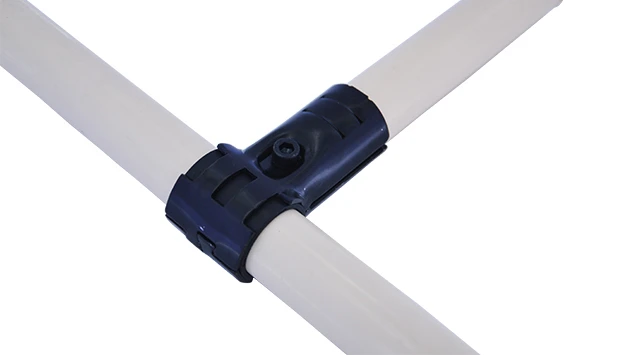
One Way Rotatory Straight Lean Pipe Joint
Two way lean pipe joint for 2 pcs 28MM lean pipe connection in straight angle with rotatory fucntion, which used widely in workbench, flow rack, hand trolley frame connection.
The Changing Face of Manufacturing Workspaces
In today's fast-paced manufacturing world, the ability to adapt is no longer a luxury—it's a necessity. Production lines shift between products, team sizes fluctuate, and new technologies demand reconfigured workspaces. At the heart of this adaptability lies a critical question: How can workbenches, the backbone of any manufacturing floor, keep up? Traditional fixed workbenches, once the industry standard, now feel like relics. Bolted to the floor, limited in adjustability, they force teams to work around
their
constraints rather than the other way around. Enter lean pipe systems—a modular, flexible solution that's redefining what a workspace can be. And at the center of this revolution? Components like the
one way rotatory straight lean pipe joint chrome
—small in size, but mighty in impact.
Lean Systems: Beyond Buzzwords, Building Better Workflows
Lean manufacturing isn't just about cutting costs—it's about creating systems that flow. It's about removing waste, yes, but more importantly, it's about empowering teams to work smarter. Workbenches are ground zero for this philosophy. A well-designed workbench reduces unnecessary movement, keeps tools within reach, and adapts as tasks change. This is where lean pipe systems shine. Composed of pipes, joints, and accessories, they're like industrial Legos for adults—strong enough to support heavy loads, yet flexible enough to be reconfigured in minutes. Unlike rigid metal or wooden workbenches, lean pipe systems grow with your needs. Need to add a shelf? Snap on a joint. Reposition a tool rack? Twist a pipe. And when your production line pivots to a new product? Disassemble, rearrange, and rebuild—no saws, no welding, no headaches.

Lean Pipe Systems 101: The Building Blocks of Flexibility
At their core, lean pipe systems are simple: pipes (often steel or aluminum, coated in durable plastic or chrome) connected by joints. But it's the joints that make the magic happen. Fixed joints hold pipes at rigid angles, swivel joints allow rotation, and specialized joints—like the one way rotatory straight lean pipe joint—add precision to movement. These systems aren't just for workbenches, either. They're used in flow racks, conveyors, turnover trolleys, and more. But today, we're zeroing in on a configuration that's become a favorite for manufacturers prioritizing stability and adaptability:
Workbench E (Single Deck-without Caster)
. As the name suggests, it's a single-deck workbench without wheels—designed for stationary tasks where stability is key, but flexibility still matters. And the one way rotatory joint? It's the secret sauce that lets this "stationary" workbench stay anything but static.

Spotlight: The One Way Rotatory Straight Lean Pipe Joint Chrome
Let's get up close with the star of the show: the one way rotatory straight lean pipe joint chrome. At first glance, it's a small, unassuming component—chrome-plated, with a cylindrical body and a threaded mechanism. But don't let its size fool you. This joint is engineered for a specific, powerful purpose: controlled rotation in one direction. Unlike a full-swivel joint that spins 360 degrees (which can be overkill for many tasks), the one way rotatory joint allows pipes to rotate in a single arc—typically 180 degrees—before locking into place. Why does this matter? Imagine you're assembling electronics on Workbench E. One minute, you need a tool rack positioned at a 45-degree angle for easy access. The next, you're switching to a larger component and need that rack flipped out of the way. With a fixed joint, you'd need to loosen bolts, adjust, retighten—a process that takes time and disrupts workflow. With the one way rotatory joint? A quick twist, a click, and it's locked. No tools, no hassle, no downtime. The chrome finish isn't just for looks, either. It adds corrosion resistance, ensuring the joint holds up in dusty, humid, or oil-prone manufacturing environments. And because it's compatible with standard lean pipes (often 28mm in diameter), it plays well with other components—meaning you can mix and match with existing systems without starting from scratch.
Workbench E: Stability Meets Customization
Now, let's pair this joint with Workbench E. Why choose a workbench without casters? For tasks like precision assembly, quality inspection, or heavy material handling, wheels can introduce unwanted movement. Workbench E's single deck (usually made of plywood, MDF, or aluminum) sits on a sturdy frame of lean pipes, anchored to the floor or a heavy base. But here's the twist: "stationary" doesn't mean "fixed." Thanks to components like the one way rotatory joint, the
accessories
on Workbench E are anything but static. Let's break down a typical configuration. The base frame is built with straight pipes and fixed 90-degree joints for stability. Then, along the sides or back, you add vertical pipes connected to one way rotatory joints. These vertical pipes can support:
- Tool hooks for screwdrivers, pliers, or tape measures
- Shelves for bins of small parts
- Monitor arms for digital work instructions
- Lighting fixtures to brighten the workspace
Why This Combo Works: Benefits for Modern Manufacturers
You might be thinking: "Is a specialized joint really worth the investment?" Let's break down the benefits—because they add up fast.
1. Time Savings That Add Up : Traditional workbench adjustments take time. Loosening bolts, repositioning components, retightening—this can take 15-20 minutes per changeover. With the one way rotatory joint, it's 30 seconds. Multiply that by 5 changeovers a week, and you're saving hours of labor annually.
2. Ergonomics First : Workers come in all shapes and sizes, and so do tasks. A one way rotatory joint lets each operator adjust their workspace to their height and reach. No more hunching over a shelf that's too low or stretching for a tool that's too high. Happier workers = fewer injuries = higher productivity.
3. Durability That Lasts : Chrome plating isn't just about shine—it's about resistance. This joint stands up to oil, grease, and daily wear and tear. Unlike plastic joints that crack or unplated steel that rusts, the chrome finish ensures longevity, even in tough manufacturing environments.
4. Compatibility with Existing Systems : If you already have a lean pipe setup, the one way rotatory joint plays well with others. It fits standard 28mm lean pipes, so you don't need to replace your entire system to upgrade.
5. Cost-Effective Flexibility : Investing in a modular system like Workbench E with one way rotatory joints costs more upfront than a basic wooden workbench. But over time, it pays for itself. You won't need to buy a new workbench when your needs change—just reconfigure the one you have. And because it's compatible with lean pipe and accessories from most suppliers, you can expand incrementally.
1. Time Savings That Add Up : Traditional workbench adjustments take time. Loosening bolts, repositioning components, retightening—this can take 15-20 minutes per changeover. With the one way rotatory joint, it's 30 seconds. Multiply that by 5 changeovers a week, and you're saving hours of labor annually.
2. Ergonomics First : Workers come in all shapes and sizes, and so do tasks. A one way rotatory joint lets each operator adjust their workspace to their height and reach. No more hunching over a shelf that's too low or stretching for a tool that's too high. Happier workers = fewer injuries = higher productivity.
3. Durability That Lasts : Chrome plating isn't just about shine—it's about resistance. This joint stands up to oil, grease, and daily wear and tear. Unlike plastic joints that crack or unplated steel that rusts, the chrome finish ensures longevity, even in tough manufacturing environments.
4. Compatibility with Existing Systems : If you already have a lean pipe setup, the one way rotatory joint plays well with others. It fits standard 28mm lean pipes, so you don't need to replace your entire system to upgrade.
5. Cost-Effective Flexibility : Investing in a modular system like Workbench E with one way rotatory joints costs more upfront than a basic wooden workbench. But over time, it pays for itself. You won't need to buy a new workbench when your needs change—just reconfigure the one you have. And because it's compatible with lean pipe and accessories from most suppliers, you can expand incrementally.
| Traditional Workbench | Workbench E + One Way Rotatory Joint |
|---|---|
| Fixed accessories; no rotation | Tool shelves/racks rotate in one direction |
| Changeover time: 15-20 minutes | Changeover time: 30 seconds |
| Limited to initial configuration | Reconfigurable for new tasks/products |
| Prone to wear from frequent disassembly | Chrome finish resists corrosion and wear |
Choosing the Right Partner: The Role of a Lean Pipe Workbench Supplier
Not all lean pipe components are created equal. The quality of your one way rotatory joint, Workbench E frame, and accessories will directly impact performance and longevity. That's why choosing the right
lean pipe workbench supplier
is critical. Here's what to look for:
Quality Materials : The one way rotatory joint should be made from high-grade steel with a thick chrome plating to prevent chipping. Workbench E's deck should be moisture-resistant and able to support at least 200kg (440 lbs) without sagging.
Range of Components : A good supplier won't just sell you a joint and a workbench—they'll offer the full ecosystem. Need matching lean pipe and accessories? Flow rack components? Casters for when you do need mobility? They should have it all, ensuring compatibility across your system.
Technical Support : Even the most modular systems can benefit from expert guidance. Look for a supplier that offers design support—helping you plan your Workbench E configuration to maximize efficiency. Do you need to add a specific tool holder? They should have the expertise to suggest the right joint and pipe combination.
Customization Options : Every manufacturing floor is unique. A supplier that offers custom lengths, colors (for ESD-safe environments, for example), or specialized joints will help you build a workspace that's truly yours.
Quality Materials : The one way rotatory joint should be made from high-grade steel with a thick chrome plating to prevent chipping. Workbench E's deck should be moisture-resistant and able to support at least 200kg (440 lbs) without sagging.
Range of Components : A good supplier won't just sell you a joint and a workbench—they'll offer the full ecosystem. Need matching lean pipe and accessories? Flow rack components? Casters for when you do need mobility? They should have it all, ensuring compatibility across your system.
Technical Support : Even the most modular systems can benefit from expert guidance. Look for a supplier that offers design support—helping you plan your Workbench E configuration to maximize efficiency. Do you need to add a specific tool holder? They should have the expertise to suggest the right joint and pipe combination.
Customization Options : Every manufacturing floor is unique. A supplier that offers custom lengths, colors (for ESD-safe environments, for example), or specialized joints will help you build a workspace that's truly yours.
Case Study: How a Electronics Manufacturer Boosted Efficiency by 25%
The Challenge: Stagnant Workbenches, Stagnant Productivity
A mid-sized electronics manufacturer in the Midwest was struggling with changeovers. Their production line switched between three product models weekly, each requiring different tool layouts on their workbenches. Their old wooden workbenches had fixed shelves and hooks, so the team spent 2 hours per changeover repositioning tools—time that could have been spent assembling products. Morale was low, and errors were creeping in as workers adjusted to cramped, inefficient setups.
The Solution: Workbench E + One Way Rotatory Joints
They partnered with a lean pipe workbench supplier to upgrade to Workbench E (Single Deck-without Caster) systems, equipped with one way rotatory straight lean pipe joints. The new workbenches kept the stability they needed for precision electronics assembly, but added rotating tool shelves and hooks.
The Results: Time Saved, Errors Reduced
Changeover time dropped from 2 hours to 15 minutes. Workers could now rotate tool shelves into place in seconds, and the clear deck space reduced clutter-related errors. Within three months, the manufacturer saw a 25% increase in assembly line efficiency and a 15% drop in product defects. As one supervisor put it: "We're no longer working around our workbenches—our workbenches work around us."
Conclusion: Adaptability Isn't the Future—It's Now
In a world where manufacturing demands are constantly shifting, flexibility isn't a trend—it's survival. The one way rotatory straight lean pipe joint chrome and Workbench E configuration embody this reality: small, intentional design choices that add up to big results. They're not just tools—they're investments in your team's ability to adapt, innovate, and thrive. So, if your workbenches are holding you back, it might be time to rethink what "fixed" really means. With the right lean pipe system, your workspace can be both stable and dynamic—strong enough to support today's tasks, flexible enough to meet tomorrow's challenges. After all, the best workbenches aren't the ones that stay the same. They're the ones that grow with you.