- Company Articles
- Products and Technology
- Solution
- Optimizing Warehouse Logistics with Single Side Aluminum Pipe Conveyors

Optimizing Warehouse Logistics with Single Side Aluminum Pipe Conveyors
Related Product
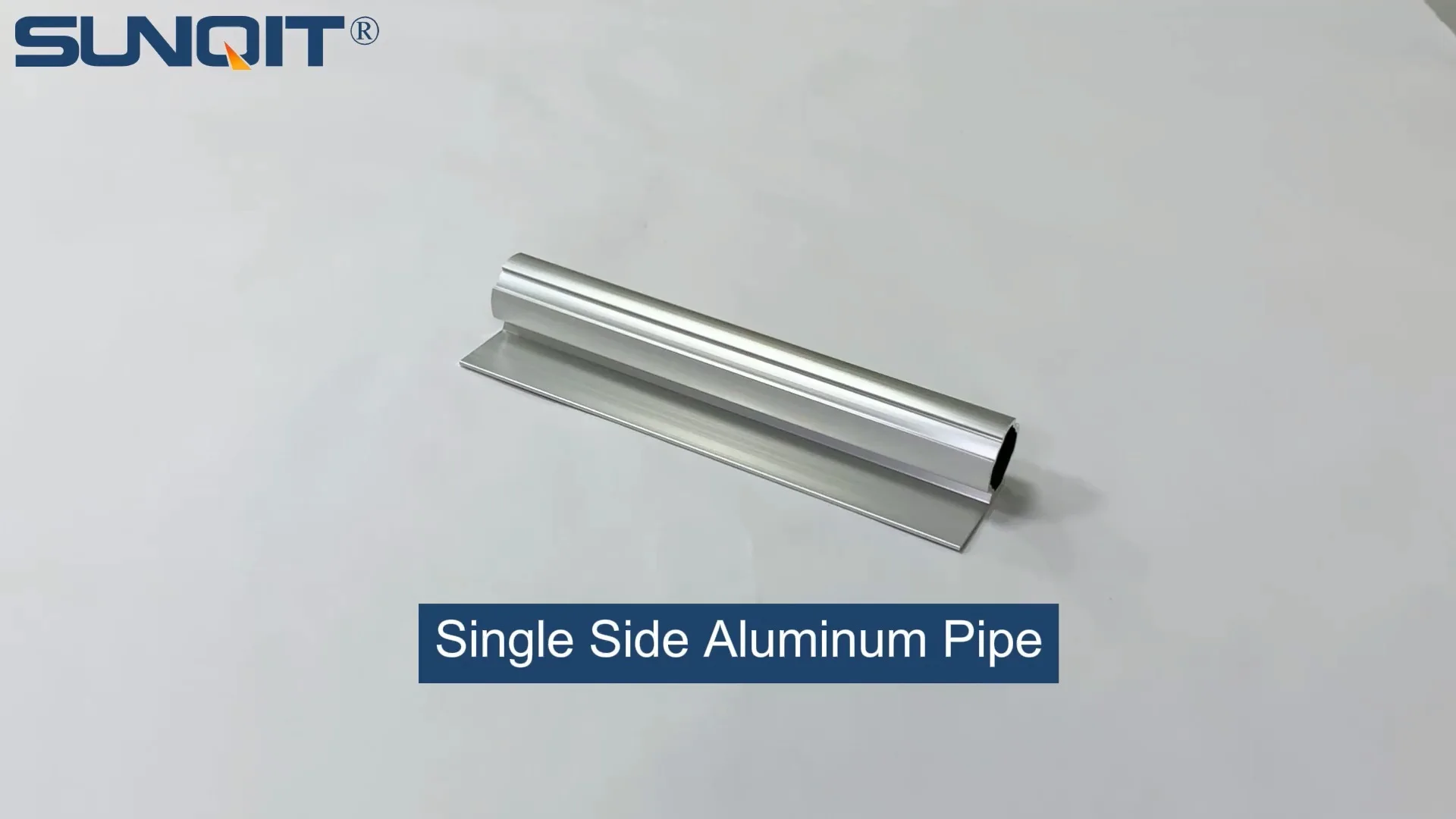
Single Side Aluminum Pipe
The single-sided plane can be installed with a back-mounted material box, and can also be used as a sidewall or partition.
The Backbone of Modern Warehousing: Why Logistics Efficiency Matters
In the fast-paced world of e-commerce, manufacturing, and distribution, warehouse logistics isn't just a behind-the-scenes operation—it's the heartbeat that keeps businesses alive. Imagine a scenario where a customer places an order online, expecting it to arrive within 48 hours. Behind that simple click lies a complex dance of moving materials, organizing inventory, and ensuring products flow seamlessly from storage to shipping. When this dance falters—whether due to clunky equipment, inefficient workflows, or outdated systems—everyone feels the impact: customers wait longer, employees grow frustrated, and businesses lose revenue.
For warehouse managers and operations teams, the pressure to optimize is constant. They're tasked with doing more with less: maximizing space, reducing labor costs, and increasing throughput without sacrificing accuracy. Traditional solutions, like heavy steel conveyors or rigid shelving units, often fall short. They're expensive to install, hard to reconfigure, and can weigh down operations with their inflexibility. In a landscape where consumer demands shift overnight and supply chains face unexpected disruptions, rigidity is the enemy of progress.
This is where modern material handling solutions step in—and among them, single side aluminum pipe conveyors have emerged as a game-changer. Lightweight yet durable, modular yet robust, these systems are designed to adapt to the unique needs of today's warehouses. But what exactly makes them so effective? And how do they transform the way goods move from point A to point B? Let's dive in.
The Challenges of Traditional Warehouse Logistics
Before we explore the benefits of single side aluminum pipe conveyors, let's take a closer look at the problems they solve. Walk into any warehouse still relying on outdated logistics setups, and you'll likely encounter a few common pain points:
- Manual Handling and Labor Fatigue: Without efficient material flow systems, employees spend hours pushing heavy carts, lifting bulky items, or manually sorting products. This not only slows down operations but also increases the risk of injuries and burnout.
- Bottlenecks at Key Stations: Assembly lines or packing areas often become logjams when materials don't arrive on time. A delay in one section can ripple through the entire warehouse, causing missed deadlines and backlogs.
- Wasted Space: Rigid steel conveyors or fixed shelving units take up valuable floor space and leave little room for adjustment. As inventory needs change—say, during peak seasons—these systems can't expand or contract, leading to overcrowding or underutilized areas.
- High Maintenance Costs: Traditional conveyors, with their complex motors and moving parts, require frequent repairs. Steel components rust over time, and replacing worn-out parts can drain budgets and halt operations.
- Lack of Adaptability: When a business introduces a new product line or shifts to a different storage strategy, rigid systems can't keep up. Retrofitting a steel conveyor to accommodate a new layout often costs as much as installing a new one, making innovation a costly endeavor.
These challenges aren't just inconveniences—they're barriers to growth. For small to mid-sized businesses, in particular, they can mean the difference between staying competitive and falling behind. The need for a solution that's flexible, cost-effective, and easy to implement has never been clearer.

Enter Single Side Aluminum Pipe Conveyors: A Modern Solution
Single side aluminum pipe conveyors are part of a new generation of material handling systems designed with adaptability in mind. At their core, they're built around a simple yet powerful idea: use lightweight, modular components that can be easily assembled, disassembled, and reconfigured to fit changing needs. Unlike their steel counterparts, which are often custom-welded and permanent, these systems rely on single side aluminum pipe and a range of aluminum pipe accessories —think joints, connectors, and brackets—that snap together like building blocks.
But what exactly is a single side aluminum pipe? Picture a sleek, corrosion-resistant tube made from high-grade aluminum alloy. It's strong enough to support heavy loads (think boxes, components, or even small machinery) but light enough that two people can carry and install it without specialized equipment. The "single side" design refers to the way the pipe integrates with other components—typically featuring a T-slot or groove along one edge that allows accessories like roller track or workbench surfaces to attach securely. This design eliminates the need for drilling or welding, making setup a breeze.
What truly sets these conveyors apart, though, is their modularity. Let's say a warehouse needs to expand its packing line to handle a seasonal rush. With traditional steel conveyors, this might require hiring contractors, shutting down part of the warehouse for days, and spending tens of thousands of dollars. With single side aluminum pipe conveyors? The team can add new sections, adjust the angle of the roller track , or even reposition the entire system in a matter of hours—using basic hand tools and a few extra pipes and joints. It's logistics on demand, tailored to the ebb and flow of business.

Breaking Down the Components: What Makes These Conveyors Tick?
To understand why single side aluminum pipe conveyors work so well, let's break down their key components. Each part plays a role in creating a system that's both functional and flexible:
1. Single Side Aluminum Pipe: The Foundation
The star of the show is, of course, the single side aluminum pipe itself. Made from 6063-T5 aluminum alloy—a material known for its strength, corrosion resistance, and lightweight properties—these pipes come in various lengths (typically 1m, 2m, or 3m) and diameters (common sizes include 28mm and 30mm). The "single side" feature is critical: along one side of the pipe, there's a precision-machined T-slot that runs the entire length. This slot allows accessories like brackets, roller tracks, or workbench tops to slide in and lock into place, no drilling required. It's this T-slot that turns a simple pipe into a versatile building block.
2. Aluminum Pipe Accessories: The Connectors That Bring It All Together
Without the right accessories, even the best pipe is just a tube. Aluminum pipe accessories are the unsung heroes of these systems, enabling endless configurations. Here are a few essential ones:
- Internal Rotary Aluminum Joints: These allow pipes to connect at angles (90°, 45°, or even 135°) while still maintaining flexibility. Need to redirect a conveyor around a corner? A 90° internal rotary joint makes it possible, and it can be adjusted on the fly if the layout changes.
- Parallel Fixation Joints: Used to connect two pipes side by side, creating a wider surface for heavier loads or larger roller track installations.
- Caster Wheels and Brakes: Attach these to the base of a conveyor or workbench , and suddenly your fixed system becomes mobile. This is a game-changer for warehouses that need to move material handling stations to different areas of the facility.
- End Caps and Covers: Simple but essential, these protect the ends of pipes from dust and debris, while also preventing sharp edges that could pose safety risks to employees.
3. Roller Track: The Engine of Material Flow
At the heart of any conveyor system is the mechanism that moves goods—and for single side aluminum pipe conveyors, that mechanism is often roller track . Roller tracks consist of a series of small, rotating wheels mounted on a frame, designed to let products glide smoothly with minimal friction. When paired with aluminum pipes, these tracks become incredibly versatile:
Imagine a material rack in a manufacturing facility, where components need to flow from storage to an assembly line. By installing a downward-sloping roller track along the aluminum pipe frame, gravity does the work—components slide gently to the end of the rack, right where the assembly worker needs them. No more walking back and forth to fetch parts; the parts come to the worker.
Roller tracks for aluminum pipe systems are often made from durable plastic or aluminum, with wheels designed to handle different load sizes. Some are even ESD (electrostatic discharge) safe, making them ideal for electronics manufacturing, where static electricity can damage sensitive components.
4. Workbenches and Material Racks: Beyond Conveyance
Single side aluminum pipe systems aren't just about moving goods—they're about creating complete, integrated workspaces. Many suppliers offer pre-designed workbench kits that attach directly to aluminum pipes, turning a simple conveyor into a multi-functional station. These workbenches often feature adjustable heights, built-in tool holders, and even ESD-safe surfaces, making them perfect for assembly lines, packing stations, or quality control areas.
Similarly, material rack configurations—like the "Material Rack B (3 row and 3 floor)" often listed by suppliers—use aluminum pipes and roller tracks to create vertical storage solutions. These racks maximize vertical space, keeping inventory organized and accessible while freeing up floor area for other operations. And because they're modular, you can add or remove shelves as inventory needs change—no need to buy a whole new rack.

Traditional vs. Single Side Aluminum Pipe Conveyors: A Clear Advantage
Still not convinced that single side aluminum pipe conveyors are worth the switch? Let's put them head-to-head with traditional steel conveyors in a side-by-side comparison:
| Feature | Traditional Steel Conveyors | Single Side Aluminum Pipe Conveyors |
|---|---|---|
| Installation Time | Weeks (requires welding, heavy machinery, and specialized labor) | Hours (assembled with hand tools; no welding or heavy equipment needed) |
| Cost | High upfront costs (materials + labor); expensive to repair or modify | Lower upfront costs; affordable accessories; minimal repair expenses |
| Flexibility | Rigid (permanently fixed; difficult to reconfigure) | Modular (easily disassembled, extended, or repositioned) |
| Weight | Heavy (requires structural support; hard to move) | Lightweight (easily portable with casters; no structural reinforcement needed) |
| Maintenance | High (prone to rust; complex motor/gear systems need regular servicing) | Low (aluminum resists corrosion; simple roller tracks with few moving parts) |
| Adaptability to Change | Poor (retrofitting costs nearly as much as replacement) | Excellent (add/remove components as business needs evolve) |
The table tells a clear story: single side aluminum pipe conveyors excel in the areas that matter most to modern warehouses—cost, flexibility, and ease of use. They're not just a tool for moving goods; they're an investment in adaptability, designed to grow with your business.
Real-World Impact: How One Manufacturer Transformed Their Operations
To put this in perspective, let's look at a real-world example. Consider a mid-sized electronics manufacturer based in the Midwest, struggling with bottlenecks in their assembly line. Their old setup relied on manual cart transport between workstations, leading to delays, human error, and frequent worker fatigue. Orders were piling up, and overtime costs were skyrocketing.
The operations manager decided to invest in a single side aluminum pipe conveyor system, including roller tracks, a material rack, and a few workbench stations. The installation took just two days—far less than the two weeks they'd anticipated with steel conveyors. Within a month, the results were undeniable:
- Throughput Increased by 35%: Components now flowed automatically from the material rack to the assembly workbench via roller tracks, eliminating manual cart transport. Workers spent less time moving parts and more time assembling products.
- Space Usage Improved by 20%: The vertical material rack freed up floor space, allowing the company to add an additional assembly line without expanding their warehouse footprint.
- Overtime Costs Dropped by 40%: With fewer delays and more efficient workflows, the team could meet production targets during regular hours, reducing the need for overtime.
- Employee Satisfaction Rose: Workers reported less physical strain and frustration, leading to lower turnover and higher morale.
This isn't an isolated success story. From small distribution centers to large manufacturing plants, businesses across industries are discovering that single side aluminum pipe conveyors aren't just a tool—they're a strategic advantage.
Choosing the Right Supplier: What to Look For
Ready to make the switch? The next step is finding a reliable supplier. With so many options on the market, it's important to look for a partner that offers more than just parts—someone who can help you design a system tailored to your needs. Here are a few key qualities to consider:
- Range of Products: Look for suppliers that carry a full line of aluminum pipes, accessories, roller tracks, workbenches, and material racks. This ensures compatibility and simplifies ordering.
- Customization Support: A good supplier will work with you to design a system that fits your warehouse layout, load requirements, and workflow. Avoid "one-size-fits-all" providers who don't offer personalized guidance.
- Quality Materials: Ensure the aluminum pipes are made from high-grade alloys (like T5 or T6) and that accessories are durable (e.g., corrosion-resistant joints, heavy-duty casters).
- Customer Service: From initial to post-purchase support, responsive customer service is critical. Look for suppliers with positive reviews and a track record of helping clients troubleshoot issues.
Many suppliers also offer "lean pipe and accessories" bundles, which include everything you need to get started at a discounted price. These bundles are a great option for businesses new to modular conveyors, as they take the guesswork out of ordering individual components.
The Future of Warehouse Logistics: Adaptability as a Competitive Edge
As we look ahead, one thing is clear: the warehouses of tomorrow will be defined by adaptability. Consumer expectations for faster delivery, coupled with the rise of automation and AI-driven inventory management, will require logistics systems that can pivot at a moment's notice. Single side aluminum pipe conveyors aren't just a trend—they're a glimpse into this future.
Imagine a warehouse where, in response to a sudden surge in online orders, managers can reconfigure conveyors overnight to prioritize shipping lanes. Or a manufacturing plant that, when introducing a new product line, can add assembly stations in hours instead of weeks. These scenarios aren't just possible—they're already happening, thanks to modular systems like single side aluminum pipe conveyors.
For warehouse workers, the benefits are personal. No more struggling with heavy carts or bending to reach items on low shelves. Instead, they'll work in environments designed to support their productivity and well-being—environments where the tools and materials they need flow to them, not the other way around. For businesses, the payoff is clear: happier employees, faster operations, and a bottom line that's built to withstand whatever the market throws its way.
Conclusion: Your Warehouse Deserves Better—Start Optimizing Today
Warehouse logistics doesn't have to be a source of frustration. With single side aluminum pipe conveyors, you can transform your operations from a bottleneck into a competitive advantage. Lightweight, modular, and designed for real-world flexibility, these systems are more than just equipment—they're a investment in your business's ability to adapt, grow, and thrive.
Whether you're a small distribution center looking to streamline order fulfillment or a large manufacturer aiming to boost assembly line efficiency, the message is simple: don't let outdated logistics hold you back. Explore the world of single side aluminum pipe conveyors, talk to a trusted supplier, and take the first step toward a warehouse that works with you—not against you.
The future of warehousing is flexible. Is your logistics system ready?