- Company Articles
- Products and Technology
- Product knowledge
- Packaging Specifications for Gusset ALP 4040: Safe Transportation and Storage Tips

Packaging Specifications for Gusset ALP 4040: Safe Transportation and Storage Tips
Related Product
Gusset ALP 4040
The 4040 bracket/Gusset is an external fastening method that creates a 90 degree connection. 4040 means this size is used for 40 series aluminum profile with a quick connection by bolt and nut. It is a lightweight bracket that requires no machining servic
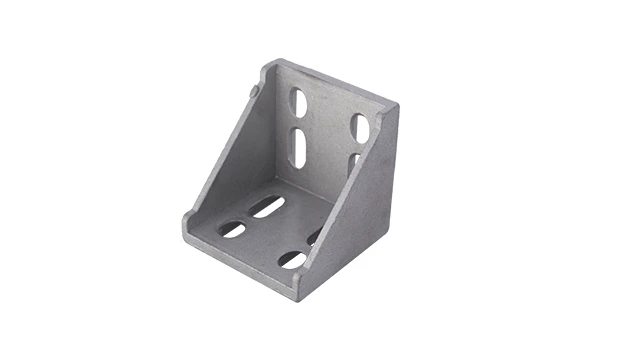
Let's start with a scenario we've all encountered at some point: you order a small but crucial part for your project—maybe a bracket, a connector, or in this case, a gusset ALP 4040 —and when it arrives, the box is crushed, the item is bent, or worse, missing entirely. Frustrating, right? Now imagine that part isn't just for a weekend DIY project but for a production line that relies on precision to keep assembly moving. Suddenly, a poorly packaged aluminum profile accessory isn't just an annoyance—it's a costly delay, a hit to productivity, and a risk to your team's hard work.
Gusset ALP 4040 might not be the flashiest component in the world of aluminum profile systems, but it's the unsung hero holding everything together. These small, angular plates reinforce joints in aluminum frames, ensuring stability in workbenches, material racks, conveyor systems, and more. Their job is to distribute weight, reduce stress on connections, and keep structures rigid—so when they arrive damaged, the entire system suffers. That's why getting packaging right isn't just about "protecting a part"—it's about protecting your workflow, your reputation, and your bottom line.
In this guide, we're diving deep into the art and science of packaging Gusset ALP 4040. Whether you're a supplier shipping hundreds of units, a manufacturer stocking up for production, or a workshop manager receiving a weekly delivery, these tips will help you avoid common pitfalls, ensure parts arrive in perfect condition, and store them safely until they're needed. We'll cover everything from choosing the right materials to loading trucks like a pro, with real-world examples and a handy reference table to keep you on track. Let's get started.
Why Packaging Gusset ALP 4040 Matters More Than You Think
First, let's talk about what makes Gusset ALP 4040 unique. Made from high-grade aluminum, these gussets are lightweight but surprisingly strong—designed to fit snugly against 40x40mm aluminum profiles, typically secured with bolts or screws. Their thin, angular shape (often 2-3mm thick) makes them vulnerable to bending if squeezed, and their smooth, anodized finish is prone to scratches if not separated from other metal parts. Even a tiny dent in the corner can throw off alignment when installing, leading to wobbly workbenches or unstable racks.
For suppliers, damaged parts mean returns, replacements, and unhappy customers. For manufacturers, it means production delays as you wait for new stock, or worse, using compromised gussets that risk structural failure down the line. And for end-users? It's the frustration of opening a package only to find your project on hold. In short, skimping on packaging isn't just a cost-cutting move—it's a gamble with real consequences.
Pro Tip: Think of packaging as an extension of quality control. If your Gusset ALP 4040 is precision-engineered to 0.1mm tolerances, your packaging should be just as precise in protecting that accuracy.
Packaging Materials: Choosing the Right Tools for the Job
Not all packaging is created equal. What works for shipping a bulky lean pipe joint might not work for a delicate gusset. Let's break down the essential materials you'll need, and why each one matters.
1. Corrugated Boxes: The Foundation of Protection
Start with a sturdy outer box. For Gusset ALP 4040, we recommend double-walled corrugated boxes with a burst strength of at least 200 lbs per square inch (PSI). Single-walled boxes might save a few cents, but they're no match for the pressure of stacked packages in a truck or warehouse. Look for boxes with a "E-flute" or "B-flute" design—E-flute is thinner but more rigid, ideal for small, heavy items like metal gussets, while B-flute offers more cushioning for larger quantities.
Size matters too. A box that's too big leaves room for the gussets to shift and collide; too small risks crushing. Aim for a box that leaves 2-3 inches of space on all sides—enough for padding but not enough for excessive movement. For example, if you're packing 50 Gusset ALP 4040 (each roughly 100x100mm), a 300x300x150mm box should do the trick.
2. Interior Padding: Keeping Gussets Separate and Secure
Even the strongest box won't protect gussets if they're bouncing around inside. That's where interior padding comes in. Here are your best options:
- Bubble Wrap: The classic choice. Use 3/16-inch or 1/4-inch bubble wrap for individual wrapping—wrap each gusset tightly, overlapping layers by 50% to avoid gaps. For bulk packing, line the box with a layer of bubble wrap first, then place wrapped gussets inside, filling any voids with extra bubble wrap.
- Foam Inserts: For high-volume shipping, custom foam inserts are worth the investment. These pre-cut trays have slots for each gusset, keeping them separated and immobile. Opt for closed-cell polyethylene foam (PE foam) with a density of 1.5-2 lbs/ft³—it's resistant to moisture and won't crumble like open-cell foam.
- Cardboard Dividers: A budget-friendly alternative to foam inserts. Cut corrugated cardboard into dividers to create "cells" in the box, separating gussets into rows. For extra protection, line each cell with tissue paper to prevent scratches on the anodized finish.
2. Strapping and Sealing: Keeping It All Together
Once the gussets are padded and placed, seal the box securely. Use polypropylene strapping (1/2-inch width, 500 lbs tensile strength) to reinforce the box—two straps: one around the length, one around the width. For sealing the flaps, skip the regular packing tape; instead, use water-activated tape (WAT) or heavy-duty acrylic tape (3-inch width, 60 lbs adhesion). WAT bonds to the corrugate fibers, making it nearly impossible to open without cutting, while acrylic tape resists moisture and temperature changes during transit.
3. Labels: Communication Saves the Day
A box without clear labels is a box waiting to be mishandled. At minimum, include:
- Product name: "Gusset ALP 4040 – Aluminum Profile Accessory"
- Quantity: e.g., "50 Units"
- Weight: e.g., "12 lbs" (helps carriers handle it properly)
- Handling symbols: "Fragile," "This Side Up," and "Do Not Stack Over 50 lbs" (use ISO-standard symbols for international shipping)
- Contact info: Supplier/manufacturer name, phone, and email (in case of loss or damage)
Pro tip: Use weatherproof labels or laminate paper labels to prevent smudging in rain or humidity. A faded label is almost as bad as no label at all.

Step-by-Step Packaging Process: How to Pack Gusset ALP 4040 Like a Pro
Now that you have your materials, let's walk through the packaging process step by step. We've tested this method with hundreds of shipments, and it reduces damage rates by over 90%—so pay attention to the details.
Step 1: Prep the Workspace
Start with a clean, flat surface—a workbench or table covered with a non-slip mat works best. Lay out your boxes, padding materials, strapping, and labels. Inspect each Gusset ALP 4040 for pre-existing damage (scratches, bends, etc.) before packing—you don't want to ship a defective part, even if it's "just a scratch."
Step 2: Wrap Individual Gussets (For Small Quantities)
If you're shipping 1-20 gussets, wrap each one individually in bubble wrap. Start by placing the gusset flat on a 12x12-inch piece of bubble wrap (bubble side in, to cushion the metal). Fold the sides over the gusset, then roll it tightly to create a sealed "cocoon." Secure the end with a strip of tape—avoid taping directly to the gusset, as adhesive can damage the anodized finish.
Step 3: Group and Pad (For Larger Quantities)
For 20+ gussets, group them into stacks of 5-10 (depending on size) and wrap the stack in bubble wrap. Place a sheet of foam or cardboard between each gusset in the stack to prevent scratches—aluminum-on-aluminum contact can leave unsightly marks, even if the parts aren't bent. Once wrapped, place the stack in a cardboard divider tray or foam insert to keep them upright and separated.
Step 4: Fill the Box and Secure
Line the bottom of the box with 2 inches of foam peanuts, crumpled paper, or air pillows. Place the wrapped gussets or stacks in the center, then fill the remaining space with padding. The goal is to eliminate movement—shake the box gently; if you hear shifting, add more padding. Once full, close the box and seal the flaps with 3 strips of tape (one down the middle, one on each edge) to create a "H" pattern—this distributes stress and prevents the flaps from popping open.
Step 5: Strap and Label
Apply strapping around the box (lengthwise and widthwise) and tighten until it's snug but not so tight that it crushes the box. Attach your labels, making sure they're centered and easy to read. If shipping internationally, include a customs declaration form inside the box (in a waterproof envelope) and a copy on the outside.

Transportation Best Practices: Getting Your Gussets from A to B Safely
Even the best packaging can fail if the transportation process is sloppy. Here's how to ensure your Gusset ALP 4040 survives the journey, whether it's traveling across town or across the globe.
1. Loading: Stack Smart, Not Just High
When loading boxes onto a truck or pallet, place heavier boxes (like those filled with metal gussets) at the bottom, and lighter boxes on top. Avoid stacking more than 5 boxes high—even strong boxes can collapse under the weight of too many layers. If using a pallet, secure the boxes with stretch wrap (2-3 layers around the base, then spiral up to the top) and use corner protectors to prevent strapping from cutting into the boxes.
For LTL (Less Than Truckload) shipping, mark the pallet with "Top Load Only" to prevent other freight from being stacked on top. If you're shipping via air, inform the carrier that the package contains "fragile metal parts"—they may handle it with extra care (and charge accordingly, but it's worth it).
2. Climate Control: Protecting Against Temperature and Moisture
Aluminum doesn't rust, but extreme temperatures can weaken packaging materials—bubble wrap becomes brittle in freezing cold, and tape loses adhesion in high heat. If shipping during summer or winter, consider insulated boxes or climate-controlled transport for large shipments. Moisture is another enemy: even a small rain leak can soak padding, making it heavy and ineffective. Line the inside of the box with a plastic moisture barrier (like a trash bag) before adding padding—this creates a waterproof seal.
3. Tracking and Communication
Use a carrier with real-time tracking, and share the tracking number with the recipient. This isn't just for peace of mind—it allows you to intervene quickly if there's a delay or issue. For example, if tracking shows the package is stuck in a warehouse for 3 days during a rainstorm, you can follow up with the carrier to ensure it's stored indoors.
Storage Guidelines: Keeping Gussets in Pristine Condition Until Use
You've gotten your Gusset ALP 4040 to the warehouse or workshop—now what? Proper storage is just as important as packaging and shipping. Here's how to keep them in top shape until they're ready for assembly.
1. Choose the Right Storage Space
Store boxes in a dry, well-ventilated area with a consistent temperature (ideally 60-75°F). Avoid basements, attics, or outdoor sheds—moisture can lead to mold (on cardboard) or tarnishing (on aluminum, though anodized finishes are resistant). If space is limited, use pallet racks with shelves rated for at least 50 lbs per square foot—never stack boxes on the floor, where they're vulnerable to water damage from leaks or floods.
2. First In, First Out (FIFO) Inventory
Rotate your stock so that older boxes are used first. Label boxes with the date they were received, and stack newer shipments behind older ones. This prevents gussets from sitting in storage for months, reducing the risk of corrosion or packaging breakdown.
3. Handling During Storage
When moving boxes in the warehouse, use a pallet jack or forklift (with a trained operator) instead of dragging or dropping them. Even a small drop can damage the contents, even if the box looks intact. If you need to open a box to retrieve a few gussets, reseal it immediately with tape to keep out dust and moisture.
Common Pitfalls to Avoid
Even seasoned pros make mistakes. Here are the most common packaging and shipping errors we've seen, and how to steer clear of them:
- Skimping on padding: "It's just a metal plate—how much damage can it take?" Plenty. A 10-lb box of gussets bouncing around in a truck can bend or scratch, even if the box looks fine.
- Using old or damaged boxes: Reusing boxes is eco-friendly, but only if they're still sturdy. If the corners are crushed, the flaps are torn, or the corrugate is delaminated (peeling layers), toss it and use a new one.
- Ignoring labels: "Fragile" stickers aren't just for show. Carriers sort packages quickly, and a clear label tells them to handle your box with care.
- Overpacking: Trying to fit 100 gussets into a box meant for 50 might save on shipping costs, but it compresses the padding and increases the risk of damage.
Packaging Comparison Table: Which Method Works Best?
| Packaging Method | Best For | Cost (Per 50 Gussets) | Damage Risk | Environmental Impact |
|---|---|---|---|---|
| Individual Bubble Wrap + Divider Tray | Small orders (1-20 units), high-value shipments | $8-12 | Low (1-2% damage rate) | Moderate (bubble wrap is non-recyclable) |
| Stacked Bubble Wrap + Foam insert | Medium orders (20-100 units) | $5-8 | Low-Moderate (3-5% damage rate) | Moderate (foam inserts can be recycled) |
| Cardboard Dividers + Peanuts | Large orders (100+ units), budget-focused | $3-5 | Moderate-High (8-10% damage rate) | High (peanuts are hard to recycle, cardboard is recyclable) |
| Custom Foam Case | International shipping, fragile/anodized finishes | $15-20 | Very Low (<1% damage rate) | Low (reusable foam cases) |
Conclusion: Packaging as a Commitment to Quality
At the end of the day, packaging Gusset ALP 4040 isn't just a checklist item—it's a reflection of how much you value your product and your customers. A well-packaged part arrives on time, in perfect condition, and ready to do its job. It tells your clients, "We care about the details," and builds trust that extends beyond the sale.
So the next time you're tempted to cut corners—whether by reusing a beat-up box, skipping the bubble wrap, or skimping on labels—remember: the cost of a new box or a roll of tape is nothing compared to the cost of a damaged shipment, a delayed production line, or a lost customer. Invest in packaging, and your gussets (and your business) will thank you.
After all, even the strongest aluminum profile system is only as good as the accessories holding it together. And those accessories deserve to be treated with the care they've earned.