- Company Articles
- Products and Technology
- Installation And Maintenance
- Packaging Tips for Shipping 3030 Aluminum Profile End Caps Without Damage

Packaging Tips for Shipping 3030 Aluminum Profile End Caps Without Damage
Related Product
3030 Aluminum Profile End Cap
The aluminum profile end cap adds a finishing touch to your project and closes off profile ends to limit dust and debris buildup, also it can avaid some scratch for material and labor during the assemble work.
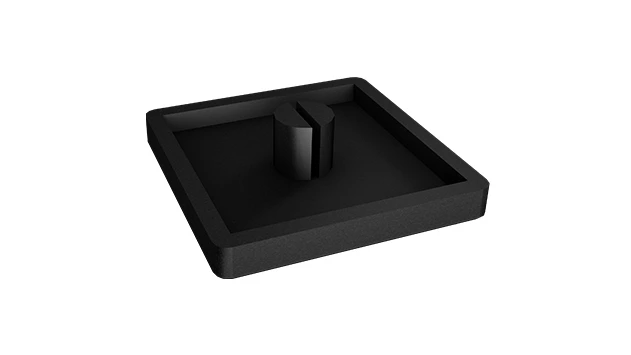
In the world of manufacturing and logistics, even the smallest components play a critical role in ensuring the success of a project. Take the 3030 aluminum profile end cap, for example—this unassuming piece of hardware is the final touch that protects the edges of aluminum profiles, prevents scratches during handling, and maintains the sleek, professional look of finished products like workbenches, material racks, or assembly lines. For aluminum profile suppliers and manufacturers, shipping these end caps without damage isn't just a matter of saving costs; it's about preserving customer trust and upholding the quality of the aluminum profile accessories that make their products stand out.
Yet, anyone who's worked in shipping knows that small, lightweight items like end caps are surprisingly vulnerable. A single jostle in transit, a poorly packed box, or even minor moisture can turn a batch of pristine end caps into a collection of dented, scratched, or broken parts. The result? Frustrated customers, costly returns, and a hit to your reputation as a reliable supplier. So, how do you ensure these essential aluminum profile accessories arrive at their destination in perfect condition? Let's dive into actionable, practical packaging tips that will help you ship 3030 aluminum profile end caps with confidence.
Why 3030 Aluminum Profile End Caps Deserve Special Attention
Before we jump into packaging techniques, let's take a moment to understand why these end caps matter. Aluminum profiles are the backbone of countless industrial and commercial applications—from factory workstations to retail displays, and from automated conveyor systems to modular storage racks. The 3030 aluminum profile, in particular, is a popular choice for its balance of strength, weight, and versatility. But without end caps, the exposed ends of these profiles can become sharp, posing safety risks to workers. They can also accumulate dust, debris, or moisture, which can compromise the profile's integrity over time. Worse, during assembly, unprotected ends can scratch other components or the surfaces they're mounted on, ruining the finished product's appearance.
For customers, receiving damaged end caps means delays. They might have to pause production to wait for replacements, or worse, use damaged parts that affect the final product's quality. For aluminum profile suppliers, this translates to wasted time, money, and trust. That's why mastering the art of packaging 3030 aluminum profile end caps isn't just a "nice-to-have"—it's a core part of delivering exceptional service.
Common Damage Risks During Shipping: What You're Up Against
To protect end caps effectively, you first need to know what threats they face in transit. Let's break down the most common culprits:
1. Impact and Compression
Shipping boxes are often stacked, tossed, or dropped during handling. Even a short fall can cause end caps to shift inside the box, colliding with each other or the box walls. This is especially risky if end caps are made of rigid materials like hard plastic or thin aluminum—they can crack, chip, or bend under pressure. Compression from heavier boxes stacked on top can also crush poorly supported packages, flattening end caps or warping their shape.
2. Abrasion and Scratching
End caps are often smooth and shiny, which makes them prone to scratches. When they rub against each other or against rough surfaces inside the box (like unlined cardboard), their finish can become marred. For customers who prioritize aesthetics—say, a manufacturer building retail displays—scratched end caps are unacceptable, even if the functionality isn't affected.
3. Moisture and Corrosion
Aluminum end caps are resistant to rust, but they're not immune to moisture damage. If boxes get wet during transit (from rain, snow, or high humidity), moisture can seep in, causing discoloration or weakening adhesive-backed end caps (if applicable). Even plastic end caps can absorb moisture, leading to warping over time.
4. Poor Handling Practices
Let's face it: Not all shipping carriers or warehouse staff handle packages with the same care. A box labeled "fragile" might still be treated roughly, especially if it's small and looks "unimportant." Without clear labeling or robust packaging, end caps are at the mercy of busy handlers.

Essential Packaging Materials: Building Your Defense Kit
The right materials are the foundation of damage-free shipping. Here's a breakdown of what you'll need, along with their pros and cons for protecting 3030 aluminum profile end caps:
| Material Type | Pros | Cons | Best For |
|---|---|---|---|
| Anti-Static Bubble Wrap | Lightweight, provides cushioning, resists static (important for ESD-sensitive environments) | Can tear if overstretched, not eco-friendly | Individual end cap wrapping |
| Foam Inserts (Pre-Cut or Custom) | Customizable to fit end cap shapes, excellent shock absorption | More expensive than bubble wrap, bulkier | Bulk shipments or high-value end caps |
| Corrugated Cardboard Dividers | Affordable, recyclable, separates end caps to prevent rubbing | Less cushioning than foam, can crush under heavy weight | Group packaging of small to medium end cap quantities |
| Heavy-Duty Corrugated Boxes | Sturdy, widely available, comes in various strengths (e.g., 32 ECT for lightweight items) | May need additional padding for fragile end caps | Outer packaging for all end cap shipments |
| Water-Resistant Packing Tape | Seals boxes tightly, resists moisture, prevents accidental opening | Can be hard to remove if over-applied | Sealing boxes and reinforcing edges |
| Kraft Paper (Crinkled) | Eco-friendly, lightweight, fills voids to prevent shifting | Less protective than bubble wrap or foam | Secondary cushioning or void filling |
Pro tip: For most aluminum profile suppliers, a combination of bubble wrap (for individual protection) and corrugated dividers (for group separation) works best. If you're shipping end caps in bulk, invest in custom foam inserts that snugly hold each end cap in place—this minimizes movement and reduces the risk of impact damage.

Step-by-Step Packaging Process: How to Pack End Caps Like a Pro
Now that you have your materials, let's walk through the packaging process step by step. Follow these steps to ensure every end cap is protected from start to finish.
Step 1: Pre-Packaging Inspection – Start with Quality
Before you even touch a box, inspect your 3030 aluminum profile end caps. Remove any end caps that are already damaged (scratched, dented, or cracked) to avoid shipping defective products. Wipe each end cap with a clean, dry cloth to remove dust or debris—this prevents particles from scratching the surface during transit. If your end caps have adhesive backing, check that the adhesive is intact and sealed (use a small piece of tape to cover the backing if needed to prevent dust buildup).
Step 2: Individual Wrapping – The First Line of Defense
Each end cap should be wrapped individually to prevent scratches and dents. For most end caps, a 2-3 layer wrap of anti-static bubble wrap works well. Here's how to do it:
1. Lay a sheet of bubble wrap flat, bubble side up.
2. Place the end cap in the center, ensuring the fragile edges (like the lip that fits into the aluminum profile) are facing the bubbles.
3. Fold the bubble wrap over the end cap, pressing gently to let the bubbles conform to the shape. Overlap the edges by at least 1 inch to ensure full coverage.
4. Secure the wrap with a small piece of packing tape—avoid using too much tape, as it can leave residue on the end cap.
For extra protection (e.g., for high-gloss or painted end caps), add a layer of tissue paper between the end cap and the bubble wrap. The tissue acts as a barrier, preventing the bubble wrap's texture from leaving marks.
Step 3: Grouping and Dividing – Keep End Caps Apart
Once individually wrapped, it's time to group end caps into boxes. Never toss loose, wrapped end caps into a box—they'll shift during transit and collide. Instead, use corrugated dividers or foam inserts to separate them.
If using dividers: Cut cardboard dividers to fit the inside of your box, creating small compartments (each about 1.5 times the size of a wrapped end cap). Place one wrapped end cap per compartment. For larger boxes, use a grid of dividers to create rows and columns—this works especially well for standard-sized 3030 end caps.
If using foam inserts: Opt for pre-cut foam trays (available from packaging suppliers) or carve custom slots into a sheet of polyethylene foam. The goal is to hold each end cap firmly in place so it doesn't move when the box is shaken.
Step 4: Box Selection and Void Filling – Size Matters
Choose a box that's slightly larger than the grouped end caps—ideally, leaving 2-3 inches of space on all sides for cushioning. A box that's too small will cram end caps together; one that's too large will let them shift. For most 3030 end caps, a 12x12x6 inch box works for small quantities (20-50 end caps), while a 18x18x12 inch box is better for bulk shipments (100+ end caps).
Once the end caps are in the box, fill any empty spaces with crinkled kraft paper, packing peanuts, or air pillows. The box should feel firm when closed—if you can shake it and hear movement, add more filler. Avoid overstuffing, though, as this can put pressure on the end caps and cause bulging (which makes the box harder to stack and more likely to tear).
Step 5: Sealing and Labeling – The Final Touches
Seal the box with 2-3 strips of water-resistant packing tape along the top and bottom seams. For added strength, reinforce the edges (where the flaps meet) with an extra strip of tape. Then, label the box clearly with:
– The word "FRAGILE" in large, bold letters (use a red marker or pre-printed labels).
– "This Side Up" arrows to indicate the correct orientation (end caps are less likely to shift if kept upright).
– The recipient's address and your return address (including contact information in case of delays).
For bulk shipments on pallets, label each box with a pallet number (e.g., "Pallet 1 of 3") to help the recipient count and organize deliveries.
Step 6: Palletizing (For Bulk Shipments) – Secure the Stack
If you're shipping multiple boxes of end caps, palletizing is the way to go. Here's how to do it safely:
1. Use a sturdy wooden or plastic pallet (preferably 40x48 inches, the standard size for most carriers).
2. Stack boxes evenly, placing heavier boxes on the bottom and lighter ones on top. Avoid overhang—all boxes should fit within the pallet's edges to prevent tipping.
3. Wrap the pallet with 2-3 layers of stretch wrap (start at the bottom and work your way up, overlapping by 50% each time). For extra security, add a layer of shrink wrap or band the pallet with plastic straps.
4. Label the pallet with a "FRAGILE" sign and attach a packing list detailing the contents of each box.
Supplier Best Practices: Going Beyond the Basics
For aluminum profile suppliers, packaging is part of a larger commitment to quality. Here are some extra steps to ensure your end caps (and your reputation) stay intact:
1. Train Your Team on Proper Packaging
Even the best materials won't help if your staff doesn't know how to use them. Hold regular training sessions to demonstrate wrapping techniques, box selection, and labeling. Create a simple checklist (e.g., "1. Inspect end caps, 2. Wrap individually, 3. Use dividers, 4. Fill voids") to keep everyone on the same page. Consider incentivizing quality—reward teams with zero damage reports for a month!
2. Test Your Packaging Before Full-Scale Shipping
Before sending out a large order, run a test shipment. Pack a sample box of end caps, then simulate shipping conditions: drop it from waist height (to mimic a fall), shake it vigorously (to test for shifting), and stack weights on top (to check compression resistance). Open the box and inspect the end caps—if any are damaged, adjust your packaging (e.g., add more bubble wrap or switch to foam inserts).
3. Partner with Reliable Carriers
Not all shipping carriers handle packages the same way. Research carriers with a reputation for careful handling (look for reviews from other aluminum profile suppliers). Consider adding insurance for high-value shipments—while it adds cost, it protects you from losses if damage does occur.
4. Store End Caps Properly Before Shipping
Damage can happen before shipping, too. Store end caps in a dry, climate-controlled area away from heavy machinery or foot traffic. Use turnover trolleys and racks to keep boxes off the floor (preventing moisture damage) and label storage bins clearly to avoid rough handling during retrieval.
Case Study: How One Supplier Cut Damage Rates by 90%
Consider the example of XYZ Aluminum Profiles, a mid-sized supplier that was struggling with a 15% damage rate on 3030 end cap shipments. Customers were complaining about scratched and bent end caps, and returns were costing the company $2,000 per month. XYZ's team decided to revamp their packaging process:
– They switched from loose bubble wrap to custom foam inserts that fit each end cap's shape.
– They added corrugated dividers between layers of end caps in boxes.
– They started labeling boxes with "FRAGILE" and "This Side Up" stickers, and partnered with a carrier that specialized in industrial parts.
Within three months, XYZ's damage rate dropped to 1.5%. Customer complaints vanished, and repeat orders increased by 20%. The investment in foam inserts and better labeling paid for itself in six months.
FAQ: Answering Your Most Pressing Packaging Questions
Q: Can I reuse packaging materials for end caps?
A: It depends on the material. Bubble wrap and foam inserts can be reused if they're still intact (no tears or popped bubbles). However, corrugated boxes should be replaced if they're crushed, wet, or have weak seams—reusing damaged boxes increases the risk of end cap damage.
Q: How many 3030 aluminum profile end caps can I fit in a standard box?
A: For a 12x12x6 inch box (with dividers and bubble wrap), you can typically fit 20-30 end caps. For a 18x18x12 inch box, 100-120 end caps is safe. Always prioritize protection over quantity—cramming too many end caps into a box will lead to damage.
Q: Are there eco-friendly packaging options for end caps?
A: Absolutely! Use recyclable corrugated boxes, kraft paper filler, and biodegradable bubble wrap (made from plant-based materials). Some suppliers also offer mushroom-based foam inserts, which are compostable. Just ensure eco-friendly materials still provide enough cushioning—don't sacrifice protection for sustainability.
Q: Should I include a packing slip inside the box?
A: Yes! A packing slip with the quantity of end caps, part numbers, and your contact information helps the recipient verify the order quickly. Place it in a clear plastic pouch on the outside of the box or inside the top layer for easy access.
Conclusion: Packaging as a Promise of Quality
Shipping 3030 aluminum profile end caps without damage is more than a logistical task—it's a promise to your customers that you care about every detail of their order. By investing in the right materials, following a step-by-step packaging process, and training your team to prioritize care, you can turn a potential pain point into a competitive advantage. Remember: A customer who receives a box of flawless end caps isn't just satisfied—they're likely to become a repeat buyer and a champion for your brand.
So, the next time you pack a box of end caps, think of it as wrapping up a piece of your reputation. With these tips, you'll ensure that reputation arrives at its destination as strong and polished as the aluminum profile accessories inside.