- Company Articles
- Products and Technology
- Product knowledge
- Pairing 3030 Aluminum Profile End Caps with Inner Rotational Aluminum Joints

Pairing 3030 Aluminum Profile End Caps with Inner Rotational Aluminum Joints
Related Product
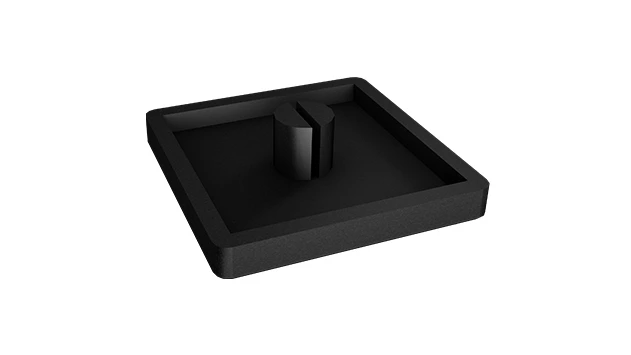
3030 Aluminum Profile End Cap
The aluminum profile end cap adds a finishing touch to your project and closes off profile ends to limit dust and debris buildup, also it can avaid some scratch for material and labor during the assemble work.
Pairing 3030 Aluminum Profile End Caps with Inner Rotational Aluminum Joints: The Small Components That Transform Your Workspace
Walk into any modern factory, workshop, or assembly line, and you'll likely spot a common sight: sleek, modular structures—workbenches cluttered with tools, material racks stacked with components, conveyor systems gliding smoothly. What you might not notice at first glance are the unsung heroes holding these setups together: the aluminum profiles, their end caps, and the joints that let them twist, turn, and lock into place. Today, we're zooming in on two such stars: the 3030 aluminum profile end cap and the inner rotational aluminum joint . These small, unassuming parts might seem trivial, but when paired correctly, they turn basic aluminum frames into (efficient), durable, and flexible workhorses that power lean systems and streamline production.
Whether you're building a custom workbench, setting up a lean manufacturing cell, or designing a material rack that needs to adapt to changing workflows, understanding how these two components work together can save you time, reduce frustration, and ensure your setup lasts for years. Let's dive in.
First Things First: What Are 3030 Aluminum Profiles, Anyway?
Before we talk about end caps and joints, let's get familiar with the foundation they attach to: the 3030 aluminum profile. If aluminum profiles were a family, the 3030 would be the reliable, all-purpose sibling. Named for its dimensions—30mm by 30mm (about 1.18 inches square)—this profile is a staple in industries from automotive to electronics. Why? Because it strikes the perfect balance between strength and versatility.
Imagine a hollow, rectangular tube with T-shaped grooves running along its length (those are the "T-slots"). These grooves are like built-in highways for bolts, nuts, and accessories, letting you attach shelves, panels, or tools without drilling holes. That's why 3030 profiles are everywhere: they're the backbone of workbenches (think workbench E (single deck-without caster) from factory catalogs), the frames of material racks (like material rack B (3 row and 3 floor) ), and even the supports for conveyor systems. They're lightweight enough to move around but sturdy enough to hold heavy loads—perfect for lean systems that prioritize adaptability and efficiency.
But here's the thing: a raw 3030 profile, with its sharp edges and exposed ends, isn't ready for prime time. That's where end caps come in.

The 3030 Aluminum Profile End Cap: More Than Just a "Cap"
Let's be honest: when you think of "end caps," you might picture little plastic plugs that just… cover the ends of tubes. And sure, that's part of their job. But the 3030 aluminum profile end cap does so much more. It's like the finishing touch on a painting—small, but it ties everything together and protects the work underneath.
Why Bother with End Caps?
First, safety. Raw aluminum profile ends are sharp. Run your hand along an uncovered 3030 profile, and you might walk away with a cut. End caps smooth those edges, turning a potential hazard into a harmless surface—critical in busy workplaces where employees are constantly moving around workbenches and racks.
Second, protection. Dust, debris, and moisture love to sneak into hollow spaces. Over time, that gunk can corrode the inside of the profile or jam the T-slots, making it hard to attach accessories later. End caps seal off those openings, keeping the profile clean and extending its lifespan.
Third, aesthetics. Let's face it: a rack or workbench with exposed, jagged ends looks unprofessional. End caps give your setup a polished, finished look—like trimming the edges of a tablecloth. In customer-facing areas or even just to boost team morale, that little touch of neatness goes a long way.
Types of 3030 End Caps: One Size Doesn't Fit All
Not all end caps are created equal. The 3030 profile, with its specific dimensions, has end caps designed to fit snugly. The most common types are:
- Snap-on end caps : These are the "pop and go" option. Made of durable plastic (usually nylon or polypropylene), they flex slightly to slide over the profile's end and snap into place. No tools needed—perfect for quick setups or temporary structures.
- Screw-on end caps : For heavier-duty applications, these end caps have small holes that let you secure them to the profile with tiny screws. They're sturdier than snap-ons and won't pop off if the profile gets bumped or jostled—ideal for workbenches or material racks that see daily use.
- ESD-safe end caps : In electronics manufacturing, static electricity is the enemy. These end caps are made with conductive materials to dissipate static, protecting sensitive components from damage. They're a small detail, but in industries like semiconductor production, they're non-negotiable.
When choosing an end cap, think about your environment. A light-duty workbench in a workshop might do fine with snap-ons, but a material rack holding heavy parts in a busy warehouse? Go for screw-ons. And if you're in a cleanroom or handling electronics, ESD-safe is the way to go.

Inner Rotational Aluminum Joints: The "Flexibility Hack" for Modular Setups
Now, let's shift gears to the other half of our dynamic duo: the inner rotational aluminum joint . If end caps are about protection and polish, joints are about movement and adaptability. Think of them as the "elbows" and "knees" of your aluminum frame—they let you connect profiles at angles, pivot sections, and adjust your setup without rebuilding it from scratch.
What Makes Inner Rotational Joints Special?
Traditional fixed joints lock profiles into rigid angles (90 degrees, 45 degrees, etc.). But inner rotational joints? They're the rebels of the joint world. These clever little devices fit inside the T-slots of aluminum profiles and let one profile rotate relative to another—sometimes 180 degrees, sometimes even 360. Picture a workbench shelf that can tilt up when you need extra space, or a material rack arm that swivels to reach components from different angles. That's the magic of rotational joints.
How do they work? Most inner rotational joints have a cylindrical body with a rotating core. You slide the body into the T-slot of one profile, then attach the rotating part to another profile using bolts or screws. Tighten a knob or set screw, and the joint locks into place; loosen it, and you can twist the profiles to your desired angle. It's like having a built-in hinge that's strong enough to hold weight but easy enough to adjust with one hand.
Common Uses for Inner Rotational Joints
These joints shine in setups where flexibility is key. For example:
- Adjustable workbenches : Imagine a workbench with a side shelf that can swing out when you need extra surface area and tuck away when you don't. Inner rotational joints make that possible.
- Lean manufacturing cells : In lean systems, workflows change. A conveyor arm that needs to pivot to feed parts to different stations? Rotational joints let you reposition it in minutes, not hours.
- Mobile carts : Some turnover trolleys have fold-down sides for easy loading. Rotational joints let those sides swing up and lock securely when moving, then fold down when unloading.
One popular variant you might see in catalogs is the internal rotatary aluminum joint —a compact, low-profile option designed specifically for 3030 and similar profiles. It's small enough to hide inside the T-slot, so it doesn't add bulk, but strong enough to handle the daily wear and tear of a busy factory.
Why Pair 3030 End Caps with Inner Rotational Joints? Synergy in Action
Okay, so we know end caps protect and polish, and rotational joints add flexibility. But why pair them together? Because when you combine a well-capped profile with a smooth-rotating joint, you get a setup that's not just functional—it's smart . Let's break down the benefits:
1. Durability That Lasts
Aluminum profiles are tough, but they're not indestructible. End caps keep debris out, preventing internal corrosion that could weaken the profile over time. Meanwhile, inner rotational joints, when properly installed, distribute weight evenly across the profile's T-slots, reducing stress points. Together, they create a structure that can handle heavy loads, frequent adjustments, and the bumps and knocks of daily use without bending or breaking.
2. Safety First, Always
We touched on this earlier, but it's worth repeating: sharp profile ends are dangerous. End caps eliminate that risk. But rotational joints add another layer of safety too. A loose or poorly fitting joint can cause sections of your setup to wobble or even collapse. When paired with a secure end cap (which keeps the profile stable), the joint locks more reliably, reducing the chance of accidents. It's like wearing a seatbelt and airbag—two layers of protection that work better together.
3. Flexibility Without Compromise
Lean systems thrive on adaptability. You might need to reconfigure a workbench next month, or adjust a material rack to hold new parts. Inner rotational joints let you do that quickly, but only if the profiles they're attached to are in good shape. End caps ensure the profiles stay clean and structurally sound, so when you need to pivot a shelf or swivel a conveyor arm, the joint moves smoothly, and the profile holds steady.
4. A Polished Look That Boosts Morale
It's not just about function—appearance matters too. A workspace with neat, capped profiles and cleanly connected joints looks organized and professional. Employees notice that. A cluttered, janky setup can make work feel chaotic; a sleek, well-maintained one? It sends a message that the company cares about efficiency and safety, which can boost pride and productivity. It's the same reason you'd organize your desk before a big project—small touches make a big difference in how you feel about the work.
How to Pair Them: Step-by-Step Installation
Okay, you're sold—now how do you actually pair 3030 end caps with inner rotational joints? It's easier than you might think, but there are a few tricks to get it right. Let's walk through the process, using a simple workbench frame as an example.
What You'll Need
- 3030 aluminum profiles (cut to your desired length)
- 3030 aluminum profile end caps (snap-on or screw-on, depending on your needs)
- Inner rotational aluminum joints (make sure they're compatible with 3030 profiles)
- A rubber mallet (for snap-on end caps) or screwdriver (for screw-on)
- Hex keys (to tighten joint set screws)
- A level (to ensure your frame is straight)
- Optional: ESD-safe gloves (if working with sensitive components)
Step 1: Prepare the Profiles
Start by cutting your 3030 profiles to the correct length. If you're not comfortable cutting aluminum, most suppliers will do this for you—just provide the measurements. Once cut, deburr the ends with a file or sandpaper to remove any sharp edges (this helps the end cap fit snugly and prevents damage to the cap itself).
Step 2: Install the End Caps
For snap-on caps: Align the cap with the end of the profile, making sure any tabs or prongs fit into the T-slots. Gently tap the cap with a rubber mallet until it snaps into place—you'll hear a satisfying "click." Don't use a metal hammer; you might crack the cap.
For screw-on caps: Place the cap on the end of the profile. Use a screwdriver to drive the included screws through the cap's holes and into the profile's T-slots. Tighten until the cap is secure, but don't over-tighten—you could strip the plastic or damage the profile.
Step 3: Attach the Inner Rotational Joints
Slide the base of the rotational joint into the T-slot of one profile. Position it where you want the rotation to occur (e.g., 10cm from the end for a 90-degree angle). Tighten the joint's set screw using a hex key—this locks it into the T-slot. Now, attach the rotating part of the joint to the second profile in the same way. Once both parts are secure, test the rotation: it should move smoothly but not feel loose. If it wobbles, tighten the set screws a bit more.
Step 4: Assemble and Adjust
Connect your capped, jointed profiles to build your structure (workbench, rack, etc.). Use a level to ensure everything is straight, and adjust the joints as needed. Once assembled, give the structure a gentle shake—if it feels sturdy, you're good to go. If not, check the end caps (make sure they're fully seated) and the joint screws (tighten any that feel loose).
Pro tip: If you're working with multiple joints, label the profiles and joints before assembly—this saves time when trying to match parts later!
Real-World Example: Building a Lean Workbench with 3030 Profiles, End Caps, and Rotational Joints
Let's put this into context with a real scenario. Imagine you run a small electronics assembly shop, and you need a workbench that can adapt to different tasks: some days, you're assembling circuit boards (needing ESD protection and a flat surface), other days, you're testing larger components (needing extra space). Here's how 3030 end caps and inner rotational joints would come into play:
Your base frame is built with 3030 profiles, capped with ESD-safe end caps to protect workers and components from static. On one side, you attach a fold-down shelf using inner rotational joints. When you're assembling boards, the shelf stays folded up, keeping the workspace clear. When testing larger parts, you pivot the shelf down, securing it with the joint's lock. Under the workbench, you add a material rack using fixed joints, but use rotational joints on the front panel—so you can swing it open to access tools stored inside.
Over time, you realize you need more vertical storage. Instead of buying a new workbench, you loosen the rotational joints on the side shelf, pivot it to a vertical position, and lock it—suddenly, you have a vertical rack for tools. The end caps keep the shelf's edges safe, and the joints hold it steady even when loaded with screwdrivers and pliers. That's the power of pairing these components: adaptability without the cost of rebuilding.
Troubleshooting Common Issues (and How to Avoid Them)
Even the best components can run into problems. Here are a few common issues you might face when pairing 3030 end caps and inner rotational joints—and how to fix them:
Issue 1: End Caps Keep Popping Off
Why it happens : The cap isn't seated properly, or the profile ends are still rough (even after deburring). Fix : Remove the cap, re-deburr the profile end, and try again—tap more firmly with the rubber mallet. If it still pops off, consider switching to screw-on caps for a more secure fit.
Issue 2: Rotational Joints Are Stiff or Won't Rotate
Why it happens : The set screws are over-tightened, or debris is stuck in the joint. Fix : Loosen the set screws slightly, then spray a small amount of lubricant (like silicone spray) into the joint. Wipe away excess lubricant to avoid attracting dust.
Issue 3: Profile Feels Wobbly at the Joint
Why it happens : The joint isn't centered in the T-slot, or the set screws are loose. Fix : Loosen the joint, reposition it so it's centered, then retighten the set screws evenly (alternate between screws to avoid uneven pressure).
Issue 4: End Cap Cracks or Breaks
Why it happens : Using a metal hammer to install snap-on caps, or over-tightening screw-on caps. Fix : replace the cap, and use a rubber mallet or hand pressure for snap-ons. For screw-ons, tighten until snug, but stop if you feel resistance.
Comparing Your Options: End Caps and Joints at a Glance
With so many end caps and joints on the market, it can be hard to choose. Here's a quick comparison table to help you pick the right ones for your project:
| Feature | 3030 Snap-On End Caps | 3030 Screw-On End Caps | Inner Rotational Aluminum Joints |
|---|---|---|---|
| Best For | Light-duty setups, quick assembly, temporary structures | Heavy loads, high-traffic areas, permanent setups | Adjustable angles, pivoting sections, flexible workflows |
| Installation Time | Fast (seconds per cap) | Moderate (1-2 minutes per cap) | Moderate (2-3 minutes per joint) |
| Reusability | High (can be removed and reused) | Medium (screws may strip if removed often) | High (can be adjusted and repositioned repeatedly) |
| Cost | Lower | Slightly higher (due to screws) | Higher than fixed joints, but worth it for flexibility |
| Safety | Good (smooths edges) | Excellent (secure fit prevents) | Good (locks securely when tightened) |
The Future of Aluminum Profile Accessories: What's Next?
As manufacturing gets smarter and lean systems become more advanced, the humble end cap and rotational joint are evolving too. Suppliers are experimenting with new materials—like recycled plastics for end caps to boost sustainability—and smarter designs, like joints with built-in sensors that alert you when they're loose (no more guesswork!). We're also seeing more modular accessories that work seamlessly with 3030 profiles and their components, like quick-release end caps that pop off with the push of a button, or rotational joints with memory settings that lock into your favorite angles automatically.
Another trend? Customization. Need an end cap with a logo for branding? Or a rotational joint in a specific color to match your company's palette? Suppliers are increasingly offering made-to-order options, turning these "boring" components into small but meaningful parts of your workspace identity.
Final Thoughts: It's the Little Things That Count
At the end of the day, 3030 aluminum profile end caps and inner rotational aluminum joints are more than just parts—they're the glue that holds your workspace together. They turn rigid frames into flexible systems, protect your team from harm, and keep your setup running smoothly for years. Whether you're building a single workbench or outfitting an entire factory, taking the time to choose the right end caps and joints (and pair them correctly) will pay off in efficiency, safety, and peace of mind.
So next time you walk past that workbench or material rack, take a second to appreciate the small components doing the heavy lifting. And when you're ready to build or upgrade your own setup? Remember: it's not just about the big profiles—it's about the caps that protect them and the joints that let them move. Pair them well, and watch your workspace transform.