- Company Articles
- Products and Technology
- Product knowledge
- Pairing End Support for Roller Track Placon Mount with Stop with Lean Pipe Workbenches

Pairing End Support for Roller Track Placon Mount with Stop with Lean Pipe Workbenches
Related Product
End Support for Roller Track Placon Mount with Stop
Roller track placon mount work as a connector for roller track and pipe or aluminum profile in rack syetem, it is a necessary parts in rack system which widely used in industrial plant and logistic,warehouse storage.
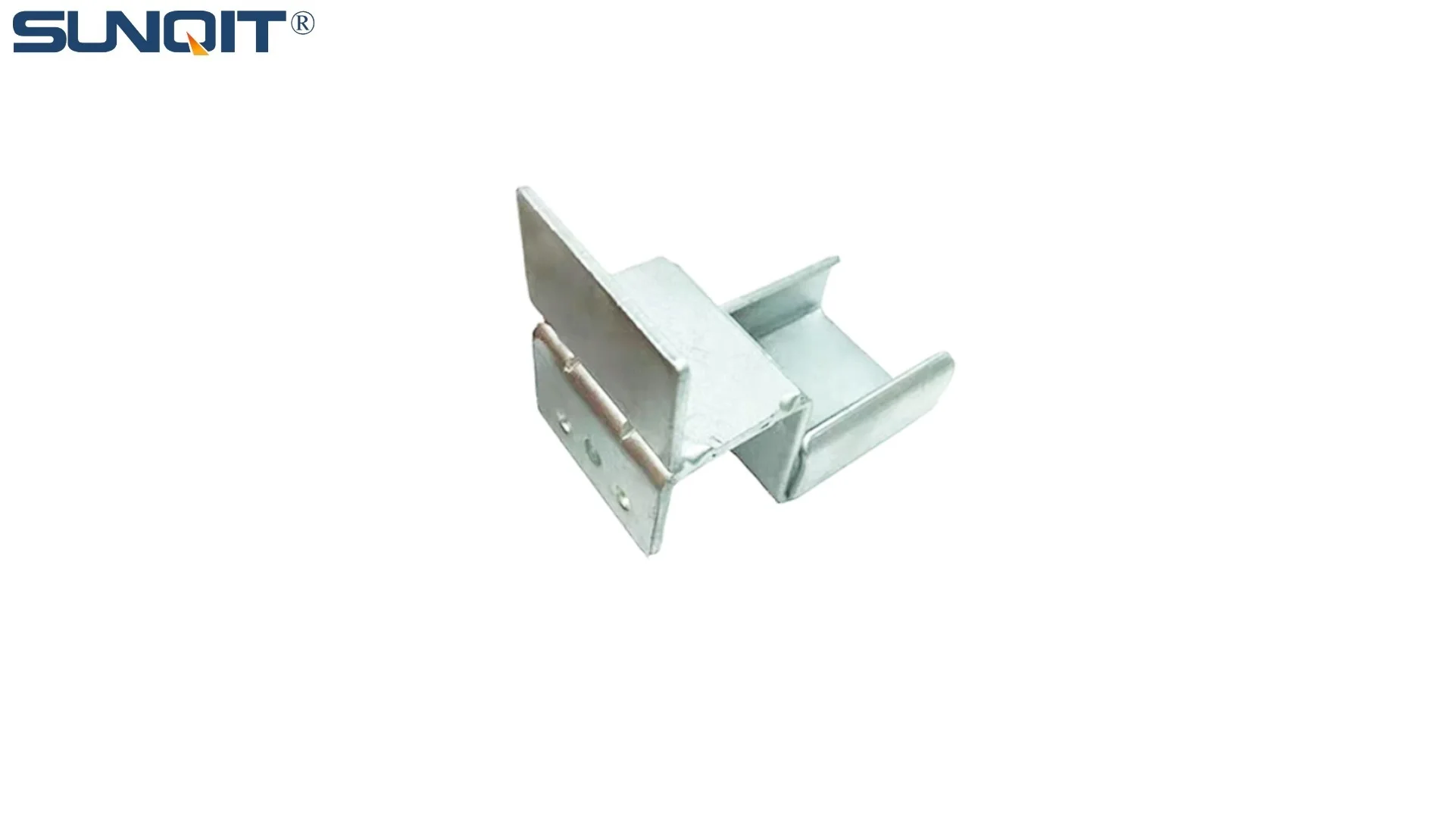
In the fast-paced world of manufacturing, every second counts. From the moment raw materials enter the factory to the final product rolling off the line, efficiency isn't just a goal—it's the backbone of profitability and competitiveness. Yet, for many production managers and factory floor supervisors, the daily reality often involves navigating bottlenecks:,,. small but persistent issues eat into productivity, create frustration among teams, and ultimately hinder the ability to adapt to changing market demands. The good news? The solution might lie in two components working together: the lean pipe workbench and the end support for roller track placon mount with stop . Let's dive into how this dynamic duo is transforming factory floors across industries, from 3C assembly lines to medical device manufacturing.
Why This Pair Matters: Lean pipe workbenches are celebrated for their flexibility and modularity, but their true potential is unlocked when paired with precision-engineered roller track components. The end support with stop isn't just an accessory—it's the unsung hero that ensures,,and turns a static workbench into a hub of seamless productivity. Whether you're assembling smartphones, packaging medical supplies, or organizing warehouse inventory, this combination brings lean principles to life, one workstation at a time.
The Foundation: What Makes Lean Pipe Workbenches Indispensable?
Before we explore the critical role of end supports, let's first understand why lean pipe workbenches have become a staple in modern manufacturing. At their core, these workbenches are built on the principles of lean manufacturing—eliminate waste, optimize flow, and empower continuous improvement. But what sets them apart from traditional fixed workstations? It starts with the materials: high-quality aluminum pipe and aluminum joints that balance strength with lightweight design. Unlike rigid steel workbenches that require welding or heavy tools to modify, lean pipe workbenches use modular components like internal rotatary aluminum joints, allowing teams to reconfigure the setup in minutes, not days.
Take the Workbench E (single deck-without caster) , a popular model in many 3C assembly plants. Its single-deck design provides a spacious, stable surface for intricate tasks like circuit board assembly, while the absence of casters ensures it stays anchored during precision work. But what truly makes it lean is its adaptability. Need to add a shelf for tool storage? Just attach a few aluminum pipes and joints. Want to lower the height to reduce worker fatigue? Adjust the legs with anti-slip adjustable leveling feet. This isn't just a workstation—it's a platform that grows and evolves with your production needs, eliminating the waste of replacing entire setups when processes change.
Key Benefits of Lean Pipe Workbenches
- Sustainability by Design: Aluminum pipes and joints are reusable and recyclable, aligning with eco-friendly manufacturing goals. Unlike disposable plastic or wood components, these materials withstand years of use and can be repurposed for new projects, reducing both costs and environmental impact.
- Ergonomic Excellence: Adjustable heights, customizable layouts, and options like ESD (Electrostatic Discharge) surfaces make these workbenches comfortable for workers of all sizes, reducing strain and lowering the risk of workplace injuries. In medical device manufacturing, where precision is critical, an ESD workstation paired with a well-positioned lean pipe setup ensures both worker safety and product integrity.
- Cost-Effective Scalability: Whether you're a small workshop or a large-scale factory, lean pipe workbenches grow with your business. Start with a single Workbench E and expand to a full by adding conveyor systems, flow racks, and turnover trolleys—all using compatible components.
But here's the thing: even the most well-designed lean pipe workbench can fall short without the right system. Imagine a scenario where parts are stored on a flow rack adjacent to the workbench., roller track,.,,,. end support for roller track placon mount with stop ——'s the missing link that transforms a good workstation into a great one.
The Critical Role of End Support for Roller Track Placon Mount with Stop
At first glance, an end support might seem like a simple piece of hardware. After all, its primary job is to hold the end of a roller track in place, right? But in reality, the end support with stop is a feat of engineering precision, designed to address three critical challenges in handling: stability, safety, and control. Let's break down why each matters and how this component delivers on all three.
Stability: Keeping Roller Tracks Secure, Even Under Heavy Loads
Roller tracks—whether they're plastic guide rails, aluminum guide rails, or steel wheel tracks—are designed to carry of varying weights, from small electronic components to heavy mechanical parts. Over time, the constant movement of and the stress of gravity can cause unsupported track ends to sag or shift, leading to uneven flow or even track failure. The end support for roller track placon mount with stop eliminates this risk by providing a rigid anchor point. Made from high-grade aluminum, these supports are built to withstand the rigors of daily use, withstanding loads up to 50kg or more depending on the model. The "placon mount" design ensures a secure fit to aluminum profiles, whether you're using a flat or drop-high track configuration, so you can trust that your roller track will stay aligned, day in and day out.
Safety: Preventing Costly Slips and Spills
In any manufacturing environment, safety is non-negotiable. A single dropped component—especially in industries like aerospace or medical device manufacturing—can lead to costly rework, delays, or even regulatory issues. The "stop" feature in these end supports is a game-changer. Unlike open-ended tracks that let slide off freely, the integrated stop mechanism acts as a gentle but firm barrier, ensuring comes to a complete halt at the workstation. This not only prevents damage to parts but also reduces the risk of workers tripping over fallen items or straining to reach that's rolled too far. In busy 3C assembly lines, where tiny screws and circuit boards are in constant motion, this feature alone can save hours of cleanup and rework.
Control: Precision in Material Flow
Lean manufacturing isn't just about speed—it's about predictable, consistent flow. The end support with stop gives workers control over when and where arrives. For example, in a smartphone assembly line, each station is responsible for a specific task: attaching the screen, installing the battery, testing the camera. With the end support, trays glide down the roller track and stop exactly at the worker's fingertips, eliminating the need to search for parts or wait for a conveyor to be manually adjusted. This level of precision reduces cycle times, minimizes idle time, and allows teams to scale production up or down without sacrificing quality.

A Closer Look: The Engineering Behind End Supports
Not all end supports are created equal. The best ones are designed with the same attention to detail as the lean pipe workbenches they complement. Let's take a closer look at the key features that set high-quality end supports apart, using the "end support for roller track placon mount with stop" as an example.
Material: Aluminum—The Ideal Choice
Aluminum isn't just lightweight; it's also resistant to corrosion and wear, making it perfect for factory environments where dust, moisture, or chemicals might be present. Unlike steel, which can rust over time, aluminum end supports maintain their structural integrity even in harsh conditions, ensuring a longer lifespan and lower maintenance costs. This is especially important in industries like food processing or pharmaceutical manufacturing, where cleanliness is paramount.
Design Flexibility: Placon Mount Compatibility
The term "placon mount" refers to the way the end support attaches to the roller track and aluminum profile of the workbench. This modular design allows for quick installation and adjustment—no welding or drilling required. Whether you're using a 40mm flat roller track or an 85mm staggered steel roller track, the placon mount system ensures a snug, secure fit. Need to reposition the track to accommodate a taller worker? Simply loosen the bolts, slide the end support to the new position, and tighten—done in under five minutes.
Stop Mechanism: Balancing Firmness and Gentleness
The stop feature itself is a study in balance. Too rigid, and it might damage delicate components; too weak, and could slide past it. High-quality end supports use a rubberized or plastic stop pad that absorbs impact, protecting while ensuring a secure hold. For example, the stainless steel swivel roller balls 1 inch often used in roller tracks work seamlessly with these stops, allowing for smooth rolling until the very end, where the stop takes over. This combination is particularly effective in electronics manufacturing, where components like circuit boards are sensitive to shock.
| End Support Type | Key Features | Best For | Load Capacity |
|---|---|---|---|
| End Support with Stop | Aluminum construction, placon mount design, rubberized stop pad, compatible with most roller tracks | Precision assembly lines (3C, medical devices), ESD workstations | Up to 50kg per unit |
| End Support with Wheel | Integrated swivel wheel for material redirection, aluminum frame, placon mount | Warehouse logistics, material transfer stations, high-volume distribution | Up to 30kg per unit |
| End Support with Adjustable Stop | Height-adjustable stop pad, corrosion-resistant coating, heavy-duty bolts | Heavy machinery manufacturing, automotive parts handling | Up to 80kg per unit |

Real-World Impact: Case Studies of Lean Pipe Workbenches with End Supports
Theory is one thing, but real-world results speak volumes. Let's explore how pairing lean pipe workbenches with end supports has transformed operations in two key industries: 3C assembly and medical device manufacturing.
Case Study 1: 3C Assembly Line (Smartphone Manufacturing)
A leading smartphone manufacturer was struggling with bottlenecks in its final assembly line. Workers reported spending up to 20% of their time retrieving parts from overflowing bins or chasing that had slid off the conveyor. The production team decided to upgrade to lean pipe workbenches (specifically Workbench E models) paired with flow racks equipped with roller tracks and end supports with stop. Within three months, the results were striking:
- 25% Reduction in Cycle Time: now stopped exactly at each workstation, eliminating search time and reducing the average assembly time per unit from 4.5 minutes to 3.4 minutes.
- 50% drop in Material Waste: Fewer parts were damaged or lost, cutting rework costs by half and improving overall product quality.
- Higher Worker Satisfaction: Exit surveys showed a 30% increase in team morale, with workers citing "less frustration" and "more control over my work" as key reasons.
Case Study 2: Medical Device Packaging
A medical device company specializing in surgical tools faced strict regulatory requirements for cleanliness and precision. Their old workstations were fixed steel tables with manual handling, leading to frequent delays and compliance risks. They switched to ESD workbenches with aluminum pipe frames and installed roller tracks with end supports to transport sterile packaging materials. The outcome?
- 100% Compliance with FDA Standards: The ESD surfaces and enclosed roller tracks prevented contamination, while the end supports ensured sterile packages weren't dropped or mishandled.
- 40% Faster Packaging Speed: Automated delivery to the workbench reduced manual labor, allowing the team to meet increased demand without hiring additional staff.
- Lower Maintenance Costs: The aluminum end supports and roller tracks required minimal cleaning and upkeep, freeing up maintenance teams to focus on other critical tasks.

Beyond the Basics: Custom Lean Solutions for Unique Challenges
While off-the-shelf lean pipe workbenches and end supports work for many applications, some industries have unique needs that demand tailored solutions. This is where lean solution providers shine—by combining modular components with custom design, they create systems that address specific pain points, from limited floor space to ultra-precise handling requirements.
Example: Automotive Parts Manufacturing
An automotive parts supplier needed a way to transport heavy engine components (up to 100kg) from the warehouse to the assembly line without using forklifts, which posed safety risks in tight spaces. The solution? A custom lean system featuring extra-strong aluminum pipe workbenches, reinforced roller tracks, and heavy-duty end supports with adjustable stops. The tracks were inclined at a precise angle to use gravity for movement, while the end supports included shock-absorbing pads to handle the weight of the components. The result: a safer, more efficient workflow that reduced forklift traffic by 70% and cut transport time by 50%.
Example: Laboratory Equipment Assembly
A lab equipment manufacturer required workstations that could be easily reconfigured for different product sizes (from small centrifuges to large incubators) while maintaining strict ESD and cleanliness standards. The solution included modular lean pipe workbenches with interchangeable aluminum honeycomb panels (for lightweight strength), adjustable roller tracks with end supports that could be moved in seconds, and integrated tool holders made from aluminum pipe with tray holders. This setup allowed the team to switch between product lines in under 30 minutes, compared to the previous 2-hour reconfiguration time.
Choosing the Right Partner: What to Look for in a Lean Solution Provider
Investing in lean pipe workbenches and roller track components is only as effective as the provider behind them. To ensure you're getting the best value and support, keep an eye out for these key qualities:
- Industry Expertise: Look for providers with experience in your specific sector. A company that understands the nuances of 3C assembly won't approach your project the same way as one focused solely on—and that specialization matters.
- Commitment to Quality: Ask about material sourcing, manufacturing standards, and testing processes. The best providers use high-grade aluminum, conduct load tests on components, and offer warranties on their products.
- Collaborative Design Process: A good lean solution isn't just sold—it's co-created. Your provider should take the time to understand your workflow, pain points, and goals before recommending a system.
- After-Sales Support: Installation, training, and maintenance are critical to long-term success, especially if you're new to lean manufacturing. Choose a provider that offers on-site training, replacement parts, and troubleshooting assistance.
Conclusion: Small Components, Big Impact
In the grand scheme of manufacturing, it's easy to overlook components like end supports or lean pipe workbenches. But as we've explored, these small, intentional choices have a ripple effect across the entire operation—boosting productivity, improving safety, and empowering teams to do their best work. The end support for roller track placon mount with stop isn't just a piece of hardware; it's a symbol of lean thinking:,,and never settling for "good enough."
Whether you're upgrading an existing line or building a new factory from the ground up, remember this: the most efficient systems are built on partnerships—between workers and equipment, between flexibility and precision, and between your team and a trusted lean solution provider. By pairing lean pipe workbenches with the right roller track components, you're not just investing in tools—you're investing in a culture of continuous improvement that will keep your business competitive for years to come.
So, the next time you walk your factory floor, take a closer look at your workstations and flow. Could a simple upgrade to end supports or a modular lean pipe setup be the key to unlocking your team's full potential? The answer might be closer than you think.