- Company Articles
- Products and Technology
- Product knowledge
- Parallel Fixation Aluminum Pipe Joints: Environmental Certifications & Compliance

Parallel Fixation Aluminum Pipe Joints: Environmental Certifications & Compliance
Related Product
Parallel Fixation Aluminum Pipe Joint
Aluminum parallel joint for two pcs 28mm aluminum pipe connected by parallel direction.
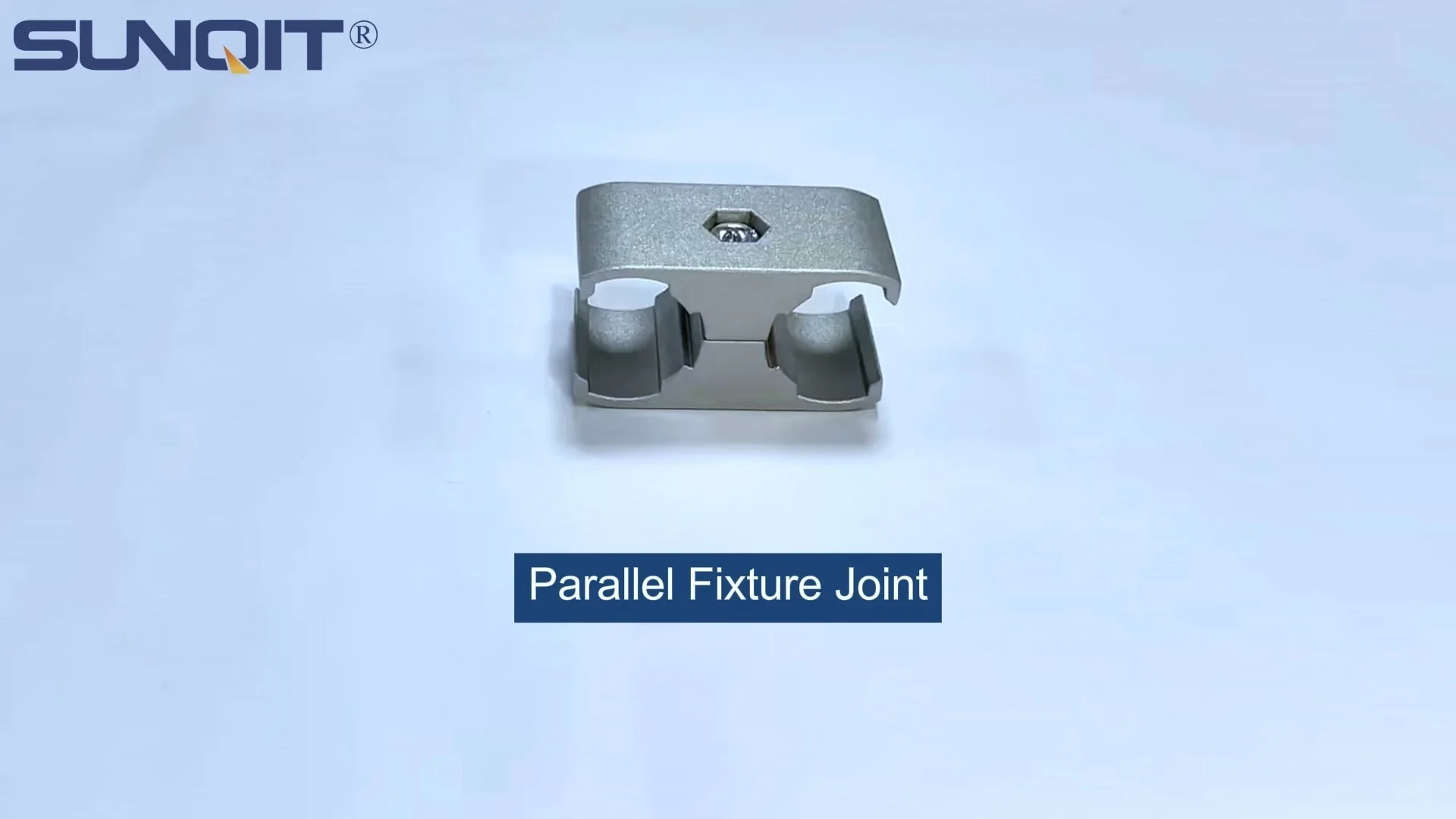
In the bustling heart of a modern manufacturing facility, where the hum of machinery blends with the rhythm of assembly lines, there's a quiet revolution unfolding. It's not about flashy new robots or cutting-edge AI—though those have their place. This revolution is about the unsung heroes of production: the components that hold everything together, quite literally. Enter parallel fixation aluminum pipe joints. These unassuming connectors, often overlooked in the grand scheme of industrial operations, are quietly reshaping how factories approach sustainability, efficiency, and compliance. For plant managers, sustainability officers, and procurement teams, understanding the environmental credentials of these joints isn't just a box-ticking exercise; it's a step toward building operations that are kinder to the planet, more resilient to regulation, and better positioned to thrive in an eco-conscious market.
The Role of Parallel Fixation Aluminum Pipe Joints in Modern Manufacturing
Before diving into certifications and compliance, let's ground ourselves in what parallel fixation aluminum pipe joints actually do. Imagine a production line where workbenches, material racks, and conveyor systems need to be reconfigured at a moment's notice to adapt to new product runs. Or a warehouse where space is at a premium, and every inch of storage must be optimized. These joints are the backbone of such flexibility. Designed to securely fasten aluminum pipes in parallel configurations, they enable the creation of modular, customizable structures—think workstations, flow racks, or turnover trolleys—that can be assembled, disassembled, and reconfigured with minimal tools and waste.
What sets them apart from traditional steel or plastic connectors? For starters, aluminum. Unlike steel, aluminum is inherently lightweight, which reduces the energy required to transport and install these joints. It's also naturally resistant to corrosion, meaning structures built with aluminum joints require less maintenance, fewer chemical treatments, and have longer lifespans. But perhaps most importantly, aluminum is infinitely recyclable. A parallel fixation aluminum pipe joint, at the end of its service life, can be melted down and reformed into a new joint (or any other aluminum product) with minimal loss of quality—a closed-loop cycle that aligns perfectly with circular economy goals.
This flexibility and sustainability make parallel fixation aluminum pipe joints a cornerstone of lean systems. Lean manufacturing, after all, is about eliminating waste—whether that's time, materials, or energy. By allowing teams to adapt structures on the fly, these joints reduce the need for new equipment purchases, cut down on excess inventory, and minimize construction waste. A well-designed lean system, built with these joints, doesn't just streamline production; it shrinks the facility's environmental footprint, one reconfigurable workstation at a time.
Materials Matter: The Environmental Edge of Aluminum Extrusion Profile
To truly appreciate the environmental benefits of parallel fixation aluminum pipe joints, we need to start at the source: the material itself. These joints are typically crafted from aluminum extrusion profile—a versatile material formed by pushing heated aluminum through a die to create specific cross-sectional shapes. This process isn't just efficient; it's inherently eco-friendly, and here's why.
First, aluminum extrusion requires significantly less energy than other metalworking processes like forging or casting. Modern extrusion facilities often run on renewable energy, further lowering the carbon footprint of each profile. But the real star here is recycled aluminum. Producing aluminum from recycled scrap uses just 5% of the energy required to make it from bauxite ore—a staggering reduction that translates directly to fewer greenhouse gas emissions. Many reputable suppliers prioritize recycled aluminum in their extrusion profiles, ensuring that even the raw material for parallel fixation joints is rooted in sustainability.
Then there are the aluminum profile accessories that complement these joints—things like end caps, clamps, and connectors. These small but essential components are often made from recycled plastics or secondary aluminum alloys, minimizing virgin material use. When paired with parallel fixation joints, they create a system where every part is designed with both function and the planet in mind. For example, a material rack built with aluminum extrusion profile and parallel fixation joints can support heavy loads with minimal material, thanks to the inherent strength of extruded aluminum. This "less is more" approach reduces waste during production and shipping, as lighter, more compact components require fewer trucks to transport and less storage space in warehouses.
Compare this to traditional steel joints, which are heavier, prone to rust (requiring toxic coatings), and far more energy-intensive to produce and recycle. Or plastic joints, which often rely on non-renewable fossil fuels and can leach harmful chemicals into the environment. Aluminum extrusion profile-based systems, by contrast, offer a middle ground of strength, durability, and sustainability that's hard to match. It's no wonder that industries from automotive to electronics are increasingly turning to these materials as they strive to meet their own sustainability targets.

Navigating Environmental Certifications: What Parallel Fixation Joints Need to Prove
Sustainability claims are only as credible as the certifications backing them up. For parallel fixation aluminum pipe joints, meeting rigorous environmental standards isn't just about doing good—it's about gaining the trust of customers, complying with regional regulations, and accessing markets that prioritize green products. Let's break down the key certifications that matter and how these joints measure up.
ISO 14001: The Gold Standard for Environmental Management
ISO 14001 is the most widely recognized environmental management system (EMS) certification globally. It sets out criteria for how organizations should manage their environmental impacts, from raw material sourcing to waste disposal. For a manufacturer of parallel fixation aluminum pipe joints, ISO 14001 certification means they've implemented processes to monitor and reduce their carbon footprint, minimize waste, and ensure responsible resource use.
What does this look like in practice? A certified supplier might track the energy consumption of their aluminum extrusion presses, set targets to switch to renewable energy, or implement a closed-loop recycling program for scrap aluminum from the production line. They'd also have protocols for handling waste materials like cutting fluids or packaging, ensuring they're disposed of safely or recycled. For buyers, ISO 14001 isn't just a badge—it's proof that the supplier takes environmental responsibility seriously, reducing the risk of partnering with a company that might cut corners on sustainability.
RoHS and REACH: Restricting Harmful Substances
In regions like the European union, two regulations loom large for manufacturers: RoHS (Restriction of Hazardous Substances) and REACH (Registration, Evaluation, Authorization, and Restriction of Chemicals). Both aim to protect human health and the environment by limiting the use of dangerous chemicals in products.
RoHS restricts six hazardous substances, including lead, mercury, and cadmium, in electrical and electronic equipment. While parallel fixation aluminum pipe joints aren't electrical, they're often used in electronics manufacturing (e.g., in ESD workstations or component racks), so compliance is still critical. REACH, on the other hand, applies to all chemical substances in products, requiring manufacturers to register and evaluate the safety of chemicals they use. For aluminum joints, this might involve testing the coatings or adhesives used in accessories to ensure they don't contain substances of very high concern (SVHCs).
Meeting RoHS and REACH isn't just about avoiding fines; it's about ensuring that the joints don't become a source of pollution when they're eventually recycled or disposed of. Aluminum itself is non-toxic, but if a joint's coating contains lead, that lead could leach into soil or water during disposal. By adhering to these regulations, manufacturers ensure their products are safe at every stage of their lifecycle.
LEED and BREEAM: Green Building Integration
While LEED (Leadership in Energy and Environmental Design) and BREEAM (Building Research Establishment Environmental Assessment Method) are best known for rating buildings, their influence extends to the products used within them. Facilities aiming for LEED certification, for example, earn points for using recycled or regionally sourced materials, as well as products with low embodied carbon.
Parallel fixation aluminum pipe joints, made from recycled aluminum extrusion profile, are a boon for such projects. A warehouse using these joints to build modular workstations or storage racks can claim credits for using recycled content, while the lightweight nature of aluminum reduces transportation emissions—another LEED point. Similarly, BREEAM rewards facilities that prioritize resource efficiency, making these joints an attractive choice for manufacturers looking to boost their green building credentials.
| Certification | Focus Area | Relevance to Parallel Fixation Aluminum Pipe Joints |
|---|---|---|
| ISO 14001 | Environmental management systems | Ensures suppliers have processes to reduce carbon footprint, minimize waste, and manage resources responsibly. |
| RoHS | Restriction of hazardous substances (e.g., lead, mercury) | Verifies joints and accessories are free from toxic materials, safe for recycling and disposal. |
| REACH | Chemical safety and registration | Ensures coatings, adhesives, and other chemicals in joints are non-hazardous and properly evaluated. |
| LEED/BREEAM | Green building and resource efficiency | Supports points for recycled content, low embodied carbon, and sustainable material use in facilities. |

Compliance in Action: How Manufacturers Ensure Their Joints Meet the Mark
Certifications don't just happen overnight. Behind every compliant parallel fixation aluminum pipe joint is a rigorous process of testing, documentation, and continuous improvement. Let's pull back the curtain and see what this looks like for a supplier committed to environmental excellence.
It starts with material sourcing. Reputable suppliers will trace their aluminum extrusion profile back to the smelter, ensuring it contains a high percentage of recycled content and is sourced from facilities with their own environmental certifications. They'll request certificates of analysis (CoAs) from their aluminum suppliers, verifying the alloy composition and absence of restricted substances. For aluminum profile accessories like end caps or clamps, they'll work with vendors who use recycled plastics or bio-based materials, again requiring proof of compliance with RoHS and REACH.
Next comes production. During the extrusion process, manufacturers monitor energy use in real time, adjusting parameters to minimize waste. Scrap aluminum from cutting or shaping joints is collected and sent back to recyclers, closing the loop. Even the lubricants and coolants used in extrusion are often biodegradable or recyclable, further reducing environmental impact. After production, joints undergo rigorous testing: tensile strength tests to ensure durability (so they last longer, reducing replacement needs), corrosion resistance tests (to avoid premature failure), and chemical analysis to confirm compliance with RoHS and REACH.
Third-party audits are another critical piece of the puzzle. ISO 14001, for example, requires regular audits by accredited bodies to ensure the EMS is functioning as intended. These audits dig into everything from waste management logs to employee training records, leaving no stone unturned. For buyers, requesting copies of these audit reports or certification certificates is a simple way to verify a supplier's claims.
Documentation is the final link. Compliant suppliers maintain detailed records of every batch of joints produced, including material sources, production dates, test results, and certification numbers. This "paper trail" is essential for traceability—if a regulatory issue arises, the supplier can quickly identify which batches might be affected and take corrective action. For customers, this documentation provides peace of mind, ensuring they can defend their own compliance if audited.

The Business Case for Sustainable Joints: Beyond Compliance
Let's be honest: sustainability and compliance often come with upfront costs. But for manufacturers and facility managers, investing in parallel fixation aluminum pipe joints with strong environmental credentials pays off in ways that go far beyond avoiding fines. It's about building a more resilient, efficient, and profitable operation.
Consider cost savings. Aluminum's durability means joints need to be replaced less frequently, reducing maintenance and replacement costs over time. Its lightweight nature cuts shipping costs, both for the joints themselves and for the structures they support. And because aluminum is recyclable, many suppliers offer take-back programs for old joints, turning waste into a potential revenue stream (or at least reducing disposal fees). For lean systems, the modularity of these joints means facilities can adapt to changing production needs without investing in entirely new infrastructure—a huge win for budget-conscious operations.
Then there's brand reputation. Today's consumers and business partners are increasingly choosing suppliers based on their environmental values. A manufacturer that uses sustainable aluminum joints in its production line can market itself as eco-friendly, appealing to customers who prioritize green products. This can open doors to new markets, such as government contracts or partnerships with companies that have strict sustainability criteria. In industries like automotive or aerospace, where environmental regulations are tightening, being ahead of the compliance curve can also give companies a competitive edge, as they're better prepared for future rule changes.
Employee morale shouldn't be overlooked, either. Workers in facilities with visible sustainability efforts—like modular, waste-reducing workstations—often report higher job satisfaction. A clean, efficient, and eco-conscious workplace signals that the company cares about more than just profits, fostering loyalty and productivity. It's a small detail, but one that adds up to a more positive organizational culture.
Future Trends: Where Parallel Fixation Joints and Sustainability Meet Next
The journey toward sustainability is never static, and parallel fixation aluminum pipe joints are poised to evolve right alongside it. What's on the horizon for these unassuming but impactful components?
One trend to watch is the rise of "digital product passports." As regulations like the EU's Digital Product Passport (DPP) come into force, manufacturers will need to provide detailed, digital records of a product's lifecycle—from material sourcing to disposal. For parallel fixation joints, this could mean QR codes or RFID tags that link to real-time data on recycled content, energy use during production, and recyclability instructions. This level of transparency will make it easier for buyers to verify sustainability claims and for regulators to enforce compliance.
Another area is the development of bio-based aluminum profile accessories. While aluminum itself is already sustainable, the plastics used in some accessories (like end caps or gaskets) could soon be replaced with materials derived from plants or fungi. These bio-plastics would biodegrade at the end of their life, further reducing environmental impact without sacrificing performance.
Finally, there's the integration of lean systems with circular economy principles. As more companies adopt "take-make-recycle" models, parallel fixation joints will play a key role in enabling closed-loop production. Imagine a scenario where a manufacturer sends old workstations back to the supplier, who disassembles them, recycles the aluminum joints, and uses the recycled material to make new joints. This not only reduces waste but also creates a steady supply of low-cost, sustainable raw materials.
Conclusion: Small Joints, Big Impact
Parallel fixation aluminum pipe joints may not grab headlines, but their role in building sustainable, compliant manufacturing operations is undeniable. From their recycled aluminum extrusion profile roots to their alignment with global certifications like ISO 14001 and RoHS, these joints are proof that sustainability can be built into the very fabric of production—one connection at a time.
For facility managers, the message is clear: choosing compliant, environmentally certified joints isn't just about following the rules. It's about investing in a future where efficiency and sustainability go hand in hand, where waste is minimized, and where every component contributes to a healthier planet and a stronger bottom line. As regulations tighten and consumers demand more from the brands they support, these small but mighty joints will continue to be a cornerstone of responsible manufacturing.
So the next time you walk through a factory or warehouse, take a moment to look at the structures around you—the workbenches, the material racks, the conveyor systems. Chances are, there's a parallel fixation aluminum pipe joint holding them together. And now, you'll know: that tiny connector is doing more than just keeping things in place. It's helping build a better, greener industry for all of us.