- Company Articles
- Products and Technology
- Application Cases
- Parallel Fixation Aluminum Pipe Joints in Medical Industry: Sterile Production Support

Parallel Fixation Aluminum Pipe Joints in Medical Industry: Sterile Production Support
Related Product
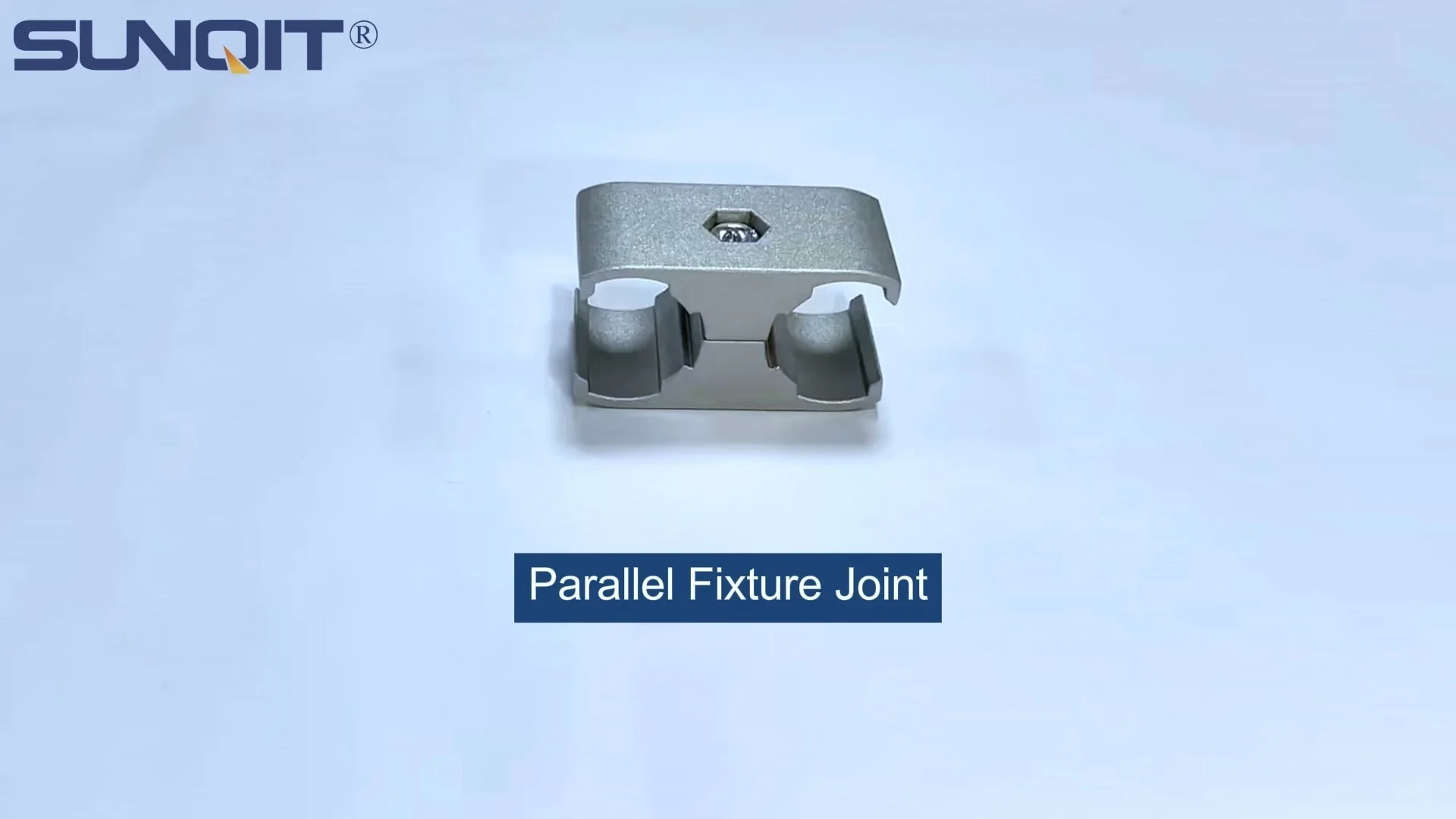
Parallel Fixation Aluminum Pipe Joint
Aluminum parallel joint for two pcs 28mm aluminum pipe connected by parallel direction.
The Critical Role of Sterile Production in Healthcare
In the world of healthcare, where the line between safe and unsafe can be measured in micrometers of contamination, sterile production isn't just a goal—it's a life-saving necessity. From surgical instruments that touch open wounds to implantable devices that reside in the human body for years, every product that leaves a medical manufacturing facility must meet uncompromising standards of cleanliness. Even the smallest speck of dust, a single bacteria cell, or a trace of chemical residue can lead to infections, product recalls, or worse: patient harm.
Yet, maintaining this level of sterility while keeping production lines efficient and adaptable is a constant balancing act. Medical manufacturers face unique challenges: workflows that demand precision, frequent reconfigurations to accommodate new product lines, and strict regulatory audits that leave no room for error. Traditional production setups—often rigid, hard-to-clean, or prone to harboring contaminants—struggle to keep up. This is where modern lean systems, built on innovative components like parallel fixation aluminum pipe joints, are transforming the way medical facilities operate.
Lean Systems: The Backbone of Modern Medical Manufacturing
At its core, lean manufacturing is about creating more value with less waste. For medical facilities, this translates to streamlining workflows to reduce unnecessary movement, minimizing downtime between production runs, and ensuring that every square inch of the facility contributes to safe, efficient output. But lean isn't just about cutting costs—it's about building systems that can evolve with changing demands, whether that's scaling up production of a critical device or pivoting to a new product to address a public health need.
Modularity is the heart of this adaptability. Unlike fixed, permanent workstations, modular lean systems use interchangeable components that can be assembled, disassembled, and reconfigured in hours, not weeks. This flexibility is especially vital in medical manufacturing, where product lines often shift to meet emerging healthcare needs—think of the rapid scaling of ventilator production during the COVID-19 pandemic, or the ongoing development of personalized medical devices.
But for modular systems to work in sterile environments, the materials and components themselves must meet the highest standards. This is where aluminum extrusion profiles and specialized joints take center stage.

Aluminum Extrusion Profiles: The Material Advantage in Sterile Environments
When it comes to building sterile workspaces, the choice of material matters as much as the design. Aluminum extrusion profiles have emerged as the gold standard in medical manufacturing, and for good reason. Unlike traditional steel, which is heavy and prone to rust if not properly treated, aluminum is naturally corrosion-resistant—a critical feature in environments where frequent cleaning with harsh disinfectants is routine. Its smooth, non-porous surface leaves nowhere for bacteria, dust, or residue to hide, making it far easier to sanitize than materials with seams, cracks, or textured finishes.
Lightweight yet surprisingly strong, aluminum also simplifies reconfiguration. A single technician can adjust a workstation or reposition a material rack without heavy lifting equipment, reducing the risk of workplace injuries and minimizing downtime during setup changes. Compare this to stainless steel, which offers similar corrosion resistance but at a significantly higher weight and cost, or plastic, which may warp under repeated exposure to high-temperature sterilization processes.
| Material | Sterility Support | Weight | Durability | Cost-Efficiency (Long-Term) |
|---|---|---|---|---|
| Aluminum Extrusion Profiles | Smooth, non-porous surface; easy to disinfect | Lightweight (30-50% lighter than steel) | High resistance to corrosion and wear | Lower maintenance costs; reusable across configurations |
| Traditional Steel | Prone to rust; seams trap contaminants | Heavy; requires equipment for reconfiguration | High tensile strength but poor corrosion resistance | High upfront and maintenance costs |
| Plastic | May develop micro-cracks over time; absorbs chemicals | Lightweight but less rigid | Prone to warping under heat; low impact resistance | Low upfront cost but frequent replacement needed |
Aluminum's versatility extends beyond its physical properties. With a range of profiles—from basic aluminum tubes to specialized T-slot aluminum pipes—and compatible accessories like aluminum profile rubber strips and end caps, manufacturers can customize every inch of their workspace to meet specific needs. This modularity is further enhanced by a key component: parallel fixation aluminum pipe joints.

Parallel Fixation Aluminum Pipe Joints: A Game-Changer for Modular Workspaces
At the intersection of adaptability and stability lies the parallel fixation aluminum pipe joint—a component that has quietly revolutionized how medical facilities build and reconfigure their production lines. Unlike traditional rigid joints that lock structures into fixed shapes, these joints are engineered to balance strength with flexibility, allowing for precise alignment of aluminum pipes while enabling quick adjustments.
So, what makes parallel fixation aluminum pipe joints unique? Their design focuses on two critical needs: secure connection and easy repositioning . Each joint features internal mechanisms that grip aluminum pipes firmly, preventing wobbling or shifting during use—essential for tasks that require steady work surfaces, like assembling delicate surgical tools. Yet, when a reconfiguration is needed, the joints can be loosened, adjusted, and retightened without specialized tools, turning hours of downtime into minutes.
Key Benefits for Sterile Medical Production
- No Hidden Contamination Risks: Unlike joints with crevices or threaded connections that trap debris, parallel fixation joints have smooth exteriors and minimal gaps, making them easy to wipe down or spray with disinfectants.
- Consistent Alignment: "Parallel fixation" ensures that connected pipes remain perfectly aligned, reducing stress on the structure and preventing materials from jamming or shifting during transport—critical for maintaining sterility in automated workflows.
- Compatibility with Lean Components: These joints work seamlessly with other aluminum profile accessories, from aluminum guide rails to roller tracks, creating integrated systems where every part works in harmony.
- Durability in Harsh Environments: Made from high-grade aluminum alloys, the joints resist degradation from frequent exposure to alcohol, bleach, and other sanitizing agents common in medical cleanrooms.
For example, consider a workbench used to assemble diagnostic test kits. The surface must remain level to prevent spills, and the height must be adjustable to accommodate technicians of different statures. With parallel fixation joints, the workbench's legs can be fine-tuned to the exact millimeter, and the frame can be disassembled entirely for deep cleaning—all without compromising stability during use.

Building Sterile Workspaces: Key Components and Applications
Parallel fixation aluminum pipe joints are powerful on their own, but their true impact shines when paired with complementary components designed for medical environments. Let's explore how these pieces come together to create sterile, efficient workspaces.
Workbenches: The Foundation of Precision Work
Workbenches are the heartbeat of medical production lines, where technicians spend hours assembling, inspecting, and packaging sensitive products. Models like Workbench E (single deck-without caster) exemplify the marriage of aluminum lean design and sterility. Its single, seamless aluminum deck eliminates seams where contaminants could accumulate, while the absence of casters reduces floor contact points—ideal for facilities that prioritize fixed, easy-to-clean workstations.
For added versatility, some workbenches integrate aluminum honeycomb panels, which reduce weight without sacrificing strength, or adjustable height mechanisms that use parallel fixation joints to lock in place. Accessories like T-slot rubber seal covers further enhance sterility by filling gaps in the workbench frame, ensuring no dust or liquids seep into hidden spaces.
Material Racks: Organizing Supplies Without Compromise
Efficient storage is another cornerstone of sterile production. Material Rack B (3 row and 3 floor) , a popular configuration in medical facilities, uses aluminum profiles and parallel fixation joints to create sturdy, adjustable shelving. Unlike wire racks that trap dust or wooden shelves that absorb moisture, its aluminum surfaces are non-reactive and simple to sanitize. The 3-row, 3-floor design maximizes vertical space, reducing clutter on the production floor while keeping frequently used supplies within easy reach—minimizing unnecessary movement and potential contamination risks.
For facilities handling small parts (e.g., screws, gaskets for pacemakers), racks can be paired with swivel roller balls 1 inch or 0.5 inch to create smooth-sliding storage bins. These roller balls, often made of stainless steel or high-grade plastic, allow bins to glide open without friction, reducing the risk of static buildup that could attract dust.
Roller Tracks and Guide Rails: Streamlining Material Flow
In automated or semi-automated lines, the movement of materials between workstations must be both smooth and contamination-free. Aluminum roller tracks, paired with plastic roller track guide rails (yellow or grey) and aluminum guide rails A/B , ensure that products like IV bags or syringe components glide from one step to the next without jamming or collecting debris. The guide rails keep items centered, while the roller tracks—often equipped with ESD (electrostatic discharge) wheels for sensitive electronics—prevent static that could damage components or attract particles.
Accessories like roller track placon mounts (designed for rail connections or aluminum profile mounting) further enhance sterility by elevating tracks off the floor, making it easier to clean underneath and reducing contact with potential contaminants.
Case Study: Transforming a Medical Device Production Line
The Challenge: A mid-sized manufacturer of orthopedic implants was struggling to meet rising demand while maintaining strict FDA sterility standards. Their existing production line relied on steel workbenches and wooden material racks, which were heavy, hard to clean, and required full disassembly for deep sanitization—leading to 8 hours of downtime every month for cleaning alone. Workflows were disjointed, with technicians wasting time retrieving supplies from disorganized racks, and minor contamination incidents (dust, fingerprints on components) had resulted in two small batch recalls in the past year.
The Solution: The manufacturer partnered with a lean system supplier specializing in aluminum extrusion profiles and parallel fixation components. The new setup included:
- 8 custom-configured Workbench E units with aluminum honeycomb decks, paired with parallel fixation joints for height adjustability.
- 4 Material Rack B units (3 row, 3 floor) equipped with swivel roller balls for bin storage.
- Aluminum roller tracks with ESD black wheels and plastic grey guide rails, connecting workstations to reduce manual material handling.
- Aluminum profile end caps and rubber strips to seal gaps and eliminate contamination hotspots.
The Results: Within three months, the changes yielded measurable improvements:
- Downtime Reduced by 75%: Cleaning time dropped from 8 hours/month to 2 hours, as aluminum surfaces could be sanitized in place and joints required no disassembly.
- Zero Contamination Incidents: The smooth, non-porous aluminum surfaces and sealed edges eliminated debris traps, leading to a perfect audit from FDA inspectors.
- 20% Increase in Throughput: Streamlined workflows and easy access to supplies reduced technician idle time, allowing the line to produce 200 more implants per week.
- Adaptable for New Products: When the manufacturer introduced a new implant model, the workbenches and racks were reconfigured in a single day using the same parallel fixation joints and aluminum pipes—no new equipment needed.
Compliance and Certification: Meeting Medical Industry Standards
In medical manufacturing, even the most innovative components are only valuable if they meet regulatory requirements. Parallel fixation aluminum pipe joints, aluminum profiles, and related accessories are designed with compliance in mind, adhering to standards set by organizations like the FDA, ISO (e.g., ISO 13485 for medical device quality management), and CE marking for European markets.
Key certifications to look for when selecting components include:
- Material Safety: Aluminum profiles should be certified as non-toxic and free from heavy metals, ensuring they don't leach chemicals into products during manufacturing.
- Cleanability Testing: Components should pass tests for resistance to common disinfectants (e.g., hydrogen peroxide, isopropyl alcohol) without degradation.
- ESD Protection: For electronics manufacturing (e.g., pacemakers, diagnostic equipment), ESD workbenches and roller tracks with conductive materials prevent static damage.
- Load-Bearing Ratings: Workbenches and racks must meet weight specifications to ensure stability during use—critical for preventing spills or collapses that could compromise sterility.
Reputable suppliers will provide documentation for these certifications, along with technical support to help manufacturers design systems that meet their specific regulatory needs.
Choosing the Right Supplier: A Partnership for Success
The success of a sterile production setup depends not just on the quality of components, but on the expertise of the supplier behind them. When selecting a lean system supplier for medical applications, look for partners who offer:
- Customization Capabilities: Every medical facility has unique needs—suppliers should offer tailored solutions, from custom workbench dimensions to specialized roller track configurations.
- Technical Expertise: A team that understands both lean manufacturing principles and medical regulatory requirements can guide you toward components that balance efficiency and compliance.
- Material Consistency: Suppliers who control their manufacturing process (e.g., in-house aluminum extrusion) ensure consistent quality across batches, reducing the risk of component mismatches or failures.
- After-Sales Support: From installation assistance to replacement parts, reliable support ensures minimal downtime if issues arise.
Whether you're a small startup producing diagnostic kits or a large enterprise manufacturing implantable devices, partnering with a supplier that specializes in medical-grade aluminum lean systems can make all the difference in achieving your sterility and efficiency goals.
Future Trends: Innovations in Aluminum Lean Systems for Healthcare
As medical manufacturing continues to evolve, so too will the tools that support it. The future of aluminum lean systems lies in integrating smart technology with modular design. Imagine workbenches equipped with embedded sensors that monitor surface cleanliness in real time, alerting technicians to contamination risks before they affect products. Or roller tracks with IoT-enabled wheels that track material flow, identifying bottlenecks and predicting maintenance needs.
Another emerging trend is the development of antimicrobial aluminum surfaces, treated with coatings that actively kill bacteria on contact—adding an extra layer of protection in high-risk environments. And as sustainability becomes a priority, suppliers are exploring recycled aluminum alloys that maintain the same strength and corrosion resistance as virgin materials, reducing the environmental footprint of medical production.
Conclusion: Investing in the Future of Sterile Production
In the high-stakes world of medical manufacturing, where sterility and efficiency are equally critical, parallel fixation aluminum pipe joints and aluminum lean systems are more than just tools—they're investments in patient safety and operational success. By combining lightweight, easy-to-clean materials with flexible, secure joints, these systems transform production lines from rigid, high-maintenance setups into adaptable, contamination-resistant workspaces.
Whether you're upgrading an existing facility or building a new cleanroom, the right components—from Workbench E and Material Rack B to roller tracks and parallel fixation joints—can turn compliance challenges into competitive advantages. As healthcare continues to advance, one thing is clear: the future of sterile production is built on aluminum, and it's more flexible, efficient, and safe than ever before.