- Company Articles
- Products and Technology
- Product knowledge
- Parallel Fixation Aluminum Pipe Joints: Sustainable Lean Manufacturing Tools

Parallel Fixation Aluminum Pipe Joints: Sustainable Lean Manufacturing Tools
Related Product
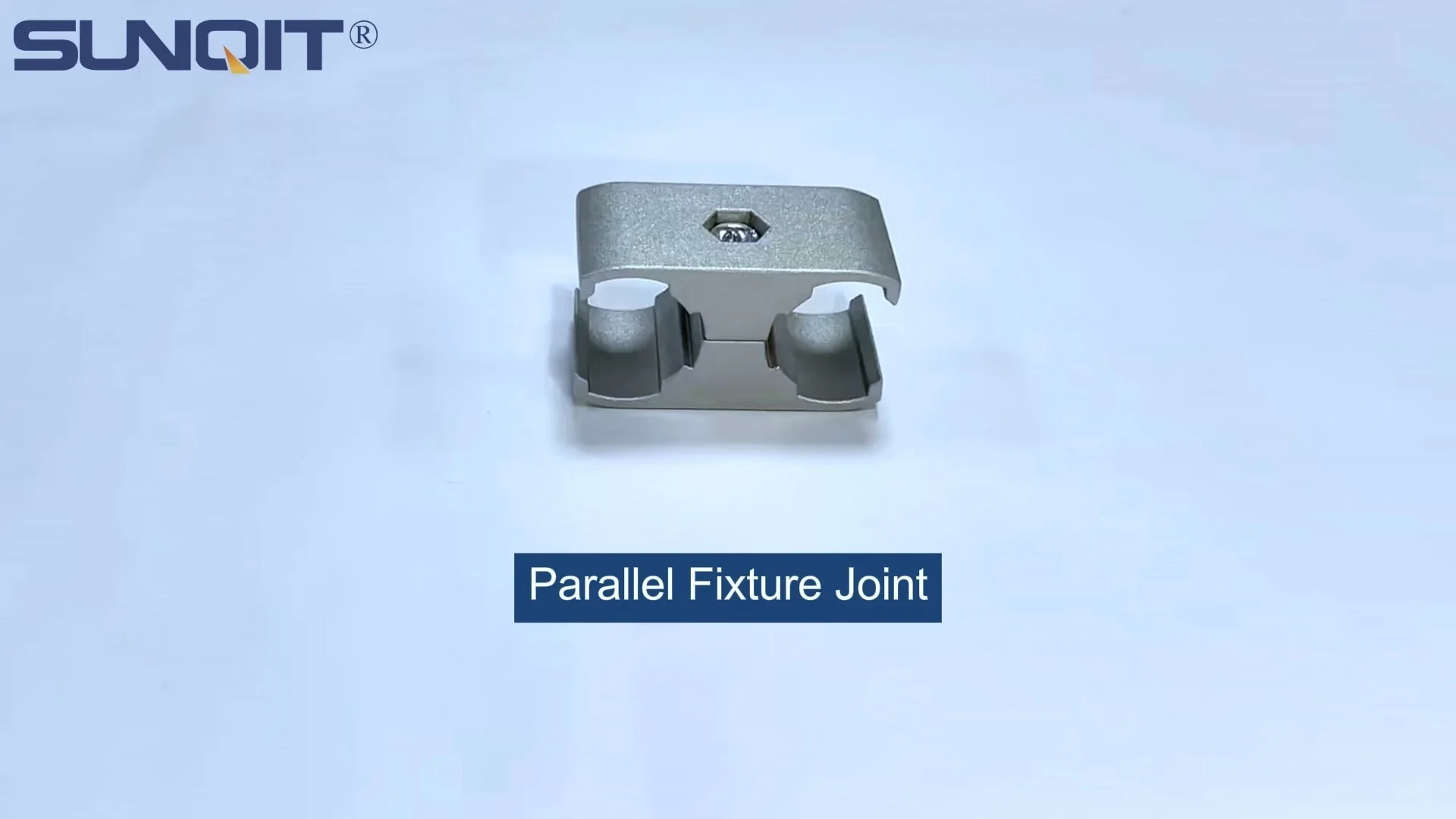
Parallel Fixation Aluminum Pipe Joint
Aluminum parallel joint for two pcs 28mm aluminum pipe connected by parallel direction.
Introduction: Lean Manufacturing and the Rise of Sustainable Tools
Walk into any modern manufacturing facility, and you'll likely hear the hum of efficiency—machines calibrated to minimize waste, workers moving in sync with production flows, and systems designed to squeeze every ounce of value from each process. This is the world of lean manufacturing, a philosophy born from the need to do more with less. But lean isn't just about cutting costs or speeding up production anymore. Today, it's evolving, and at its heart lies a new priority: sustainability. As companies grapple with climate goals, resource scarcity, and consumer demand for eco-friendly practices, the tools that power lean systems are being reimagined. Enter parallel fixation aluminum pipe joints—a quiet revolution in how we build, adapt, and sustain manufacturing infrastructure.
Lean manufacturing, at its core, is about eliminating waste—whether that's excess inventory, unnecessary movement, or idle time. For decades, manufacturers relied on rigid, one-size-fits-all equipment: steel workbenches bolted to the floor, fixed conveyor belts, and heavy shelving that couldn't adapt when production lines shifted. These tools got the job done, but they came with hidden costs: wasted space when layouts changed, discarded materials when equipment became obsolete, and the environmental toll of manufacturing and transporting heavy steel components. As the world wakes up to the urgency of sustainability, the question isn't just "How can we make this process leaner?" but "How can we make it leaner and greener?"
This is where parallel fixation aluminum pipe joints shine. They're not just tools for efficiency—they're tools for a future where lean and sustainable aren't competing ideals, but partners. Lightweight yet strong, infinitely adaptable, and inherently recyclable, these joints are redefining what it means to build a lean system. In this article, we'll dive into how they work, why they matter, and how they're transforming everything from automotive assembly lines to electronics manufacturing floors. Because in the end, the best lean tools aren't just about making production better—they're about making it better for the planet, too.
What Are Parallel Fixation Aluminum Pipe Joints?
Let's start with the basics: What exactly are parallel fixation aluminum pipe joints? Imagine a set of building blocks, but for adults—blocks that can be snapped together, taken apart, and reconfigured in endless ways to build workbenches, roller tracks, material racks, or just about any structure a factory needs. That's the idea, but with precision engineering. These joints are the connective tissue that holds aluminum pipes and profiles together, allowing for quick assembly without welding, drilling, or specialized tools. Unlike traditional steel joints, which are often heavy and fixed, parallel fixation aluminum joints are designed for flexibility: they clamp onto aluminum pipes with a secure, yet adjustable grip, making it easy to tweak a workbench height, add a shelf to a material rack, or re route a roller track in minutes.
The "parallel fixation" part refers to their unique design. Instead of relying on a single bolt or weld, these joints use parallel clamping mechanisms to distribute pressure evenly across the pipe. This not only makes them stronger than many plastic or steel alternatives but also ensures that the connection stays tight even with repeated use. And because they're made from aluminum, they bring a host of material benefits: aluminum is lightweight (about 1/3 the weight of steel), resistant to corrosion, and—crucially—100% recyclable. It's a material that checks both boxes for lean systems: it reduces the physical strain on workers assembling or moving equipment, and it aligns with sustainability goals by minimizing waste and maximizing resource efficiency.
To truly appreciate their value, let's compare them to the alternatives. Traditional steel joints are durable but; moving a steel workbench across the factory floor requires forklifts and extra labor, eating into lean efficiency. Plastic joints, while lightweight, often lack the strength for heavy-duty applications and degrade over time, leading to frequent replacements (and more waste). Parallel fixation aluminum joints strike a balance: they're strong enough to support heavy loads (think automotive parts or electronic components), light enough for a single worker to adjust, and built to last decades. It's no wonder they're becoming the go-to choice for manufacturers who refuse to compromise on either lean principles or sustainability.

The Role of Parallel Fixation Aluminum Joints in Lean Systems
Lean systems thrive on adaptability. A production line that can pivot from making 100 units a day to 500, or switch from assembling smartphones to tablets without a complete overhaul, is a lean system at its best. But adaptability requires tools that can keep up. This is where parallel fixation aluminum pipe joints prove their worth. They're not just static components—they're enablers of change, turning rigid infrastructure into a dynamic, responsive network that bends (but doesn't break) with shifting demands.
Take workbenches, for example. In a typical electronics factory, workbenches need to accommodate different tasks: soldering stations might require extra lighting and anti-static surfaces, while packaging stations need space for bins and conveyor access. With traditional steel workbenches, reconfiguring a station meant calling in maintenance to drill new holes or weld on additions—a process that could take hours, if not days. Downtime, in lean terms, is waste, and every minute the workbench is out of commission is a minute of lost production. Parallel fixation aluminum joints change this. A worker can loosen a few clamps, adjust the height, add a shelf, or swap out a surface in minutes. No tools, no downtime, no waste. It's lean in action: the workbench adapts to the worker, not the other way around.
Then there's the matter of roller tracks—those essential systems that move materials from one station to the next. In automotive manufacturing, for instance, roller tracks ferry parts like door panels or engine components along the assembly line. If a new car model requires a wider part, the roller track needs to widen too. With steel roller tracks, this would mean replacing entire sections, a costly and time-consuming process. With parallel fixation aluminum joints, it's a matter of unclamping the existing track, adding longer aluminum pipes, and reattaching the rollers. The track is back up and running in an hour, not a week. This isn't just efficient—it's revolutionary. It turns "downtime" into "adjustment time," and "waste" into "adaptability."
But the real magic is in how they reduce waste across the board. Lean manufacturing identifies eight types of waste, and parallel fixation aluminum joints tackle several at once. There's "motion waste" (less lifting and moving heavy equipment), "inventory waste" (no need to stockpile extra parts for rigid systems), and "defects" (aluminum's corrosion resistance means fewer faulty connections). Perhaps most importantly, they reduce "overprocessing" waste—the time and effort spent modifying or replacing fixed equipment. When your infrastructure can evolve with your needs, you stop wasting resources on building and rebuilding from scratch.

Sustainability: More Than Just a Buzzword
"Sustainability" is thrown around a lot in manufacturing circles, but what does it really mean for the tools we use? For parallel fixation aluminum pipe joints, it's not just a marketing tagline—it's baked into their DNA. Let's break it down: aluminum, the primary material, is one of the most recyclable metals on the planet. Unlike plastic, which degrades when recycled and often ends up in landfills, or steel, which loses quality with repeated recycling, aluminum can be melted down and reused indefinitely without losing strength. In fact, recycling aluminum uses just 5% of the energy required to produce new aluminum from raw bauxite ore. That's a staggering reduction in carbon footprint—one that adds up quickly when you consider how many joints, pipes, and profiles go into a single factory.
Then there's longevity. A well-made aluminum joint can last 30 years or more, even in harsh factory environments. Compare that to plastic joints, which might crack after 5 years, or steel joints that rust and weaken over time. When equipment lasts longer, fewer replacements are needed, which means less mining, manufacturing, and transportation of new materials. Think about it: if a factory replaces its steel workbenches every 10 years versus aluminum ones every 30, that's two fewer cycles of production, shipping, and disposal. Multiply that across thousands of factories worldwide, and the impact is enormous. It's sustainability through durability—keeping materials in use longer, and out of landfills.
Energy efficiency is another piece of the puzzle. Aluminum is lighter than steel, so transporting aluminum pipes and joints requires less fuel. Installing them? No need for heavy machinery or welding torches (which guzzle electricity). A single worker with a hex key can assemble a workbench or roller track, slashing the energy used in setup. And when it's time to reconfigure or decommission a system, aluminum components are easy to disassemble and sort for recycling—no cutting, grinding, or hazardous materials involved. It's a closed-loop system: build, use, adapt, recycle, repeat. That's the future of sustainable manufacturing, and parallel fixation aluminum joints are leading the way.

Practical Applications: From Workbenches to Roller Tracks
Enough theory—let's talk real-world impact. Parallel fixation aluminum pipe joints aren't just abstract concepts; they're transforming factories across industries, one workbench and roller track at a time. Let's take a closer look at two case studies that highlight their versatility and value.
Case Study 1: Automotive Assembly Line Workbench
A mid-sized automotive parts manufacturer in Michigan was facing a dilemma: their production line for electric vehicle (EV) batteries was growing, but their existing steel workbenches were slowing them down. The steel benches were heavy, so reconfiguring the line to accommodate new battery sizes took days (and forklifts). Worse, they were prone to rust in the humid factory environment, leading to costly replacements every 8–10 years. The company switched to parallel fixation aluminum pipe joints and aluminum profiles, building custom workbenches with adjustable heights, integrated tool racks, and anti-static surfaces (critical for EV components). The results? Reconfiguring the line now takes hours, not days. Workers can adjust bench heights on the fly to reduce ergonomic strain (cutting down on injuries). And because aluminum resists rust, the company expects the benches to last 25+ years. Best of all, when the time comes to upgrade, the aluminum will be recycled—no waste, no guilt.
Case Study 2: Electronics Manufacturing Roller Track System
A consumer electronics plant in Vietnam specializes in assembling smartwatches, a product line that changes frequently (new models, new features, new packaging). Their old steel roller tracks were a bottleneck: when a new watch model required wider trays, the tracks had to be completely replaced. This led to weeks of downtime and piles of discarded steel. The solution? A roller track system built with parallel fixation aluminum joints and aluminum guide rails. Now, when a new model comes in, workers simply unclamp the existing rails, add longer aluminum pipes, and reattach the rollers. The entire process takes a single shift. The lightweight aluminum also reduced the load on the factory's floor, allowing the company to add more tracks without reinforcing the concrete. And because the aluminum roller track guide rails are recyclable, the plant has cut its waste disposal costs by 40%—a win for both lean efficiency and sustainability.
These case studies share a common thread: parallel fixation aluminum pipe joints turn "fixed" infrastructure into "flexible" assets. Whether it's a workbench that adapts to workers or a roller track that keeps up with product changes, they're tools that grow with your business. And with a wide range of aluminum profile accessories—from caster wheels for mobile workbenches to swivel roller balls for smooth material flow—the customization possibilities are endless. It's no longer about building for today; it's about building for whatever tomorrow brings.
Traditional vs. Aluminum: A Comparison
Still not convinced? Let's put parallel fixation aluminum pipe joints head-to-head with traditional alternatives. The table below breaks down key factors like cost, durability, flexibility, and sustainability—so you can see exactly why aluminum is becoming the preferred choice.
| Factor | Traditional Steel Joints | Plastic Joints | Parallel Fixation Aluminum Joints |
|---|---|---|---|
| Initial Cost | Low (steel is cheap, but installation adds labor costs) | Very low (but requires frequent replacement) | Moderate (higher upfront, but lower long-term costs) |
| Durability | High (but prone to rust; lasts 8–12 years in humid environments) | Low (degrades in UV light/heat; lasts 3–5 years) | Very high (corrosion-resistant; lasts 25+ years) |
| Flexibility | Low (welded or bolted; hard to reconfigure) | Medium (lightweight but weak for heavy loads) | High (tool-free assembly; infinitely reconfigurable) |
| Weight | Heavy (requires machinery to move) | Light (but not sturdy for heavy use) | Lightweight (single worker can adjust) |
| Sustainability | Low (high energy to produce; recycling loses quality) | Very low (often non-recyclable; short lifespan) | Very high (100% recyclable; energy-efficient production) |
| Maintenance | High (rust removal, welding repairs) | High (frequent replacements) | Low (occasional tightening of clamps) |
The numbers speak for themselves. While aluminum joints may have a higher initial cost, their longevity, flexibility, and sustainability make them the smarter investment over time. It's the classic lean principle: pay a little more upfront to save a lot down the line—both in dollars and in environmental impact.
Choosing the Right Supplier: What to Look For
So, you're ready to make the switch—now what? Choosing the right supplier for parallel fixation aluminum pipe joints and aluminum profile accessories is critical. Not all aluminum products are created equal, and the wrong supplier can leave you with weak joints, mismatched parts, or poor customer support when you need it most. Here's what to keep in mind:
Quality of Materials : Look for suppliers who use high-grade aluminum (6063-T5 is a common standard for profiles) and precision-engineered joints. Ask about testing: do their joints undergo stress tests to ensure they can handle heavy loads? Are the aluminum profiles anodized or coated to resist scratches and corrosion? A reputable supplier will be happy to share material certifications and test results.
Range of Accessories : The beauty of parallel fixation aluminum joints is their versatility, but that depends on having the right accessories. Does the supplier offer a full lineup: caster wheels for mobility, roller track guide rails in different colors, workbench panels, and joint connectors for every angle? The more options, the more customized your system can be.
Technical Support : Even the most intuitive systems need guidance. Look for suppliers who provide design assistance, CAD drawings, or assembly tutorials. A good supplier won't just sell you parts—they'll help you build the perfect solution for your factory.
Sustainability Practices : If sustainability is a priority for you, ensure it's a priority for your supplier. Do they use recycled aluminum in their products? Do they minimize packaging waste? Are their manufacturing facilities energy-efficient? Your supplier's practices should align with your own sustainability goals.
Remember, this isn't just a purchase—it's a partnership. The right supplier will grow with you, adapting to your changing needs and helping you squeeze every bit of value from your parallel fixation aluminum system.
The Future: Where Lean and Sustainable Meet
What's next for parallel fixation aluminum pipe joints? The future looks bright—and busy. As Industry 4.0 takes hold, we're seeing smarter factories with connected systems, IoT sensors, and data-driven production. Parallel fixation aluminum joints are poised to play a key role here. Imagine a workbench with integrated sensors that track usage and alert maintenance when a joint needs tightening. Or roller tracks with aluminum profiles that power small motors (via built-in T-slots) to adjust speed based on production demand. The adaptability of aluminum makes it the perfect platform for these innovations.
We're also seeing advances in aluminum extrusion technology, leading to lighter, stronger profiles. New joint designs are emerging, with even faster assembly times and greater load capacities. And as recycling technology improves, the carbon footprint of aluminum production will shrink further, making parallel fixation joints an even greener choice.
But perhaps the most exciting trend is the democratization of lean manufacturing. Small and medium-sized enterprises (SMEs) have long been priced out of advanced lean tools, stuck with cheap but inefficient equipment. Parallel fixation aluminum pipe joints change that. They're affordable, scalable, and easy to use, putting the power of lean and sustainable manufacturing within reach of businesses of all sizes. This isn't just a tool for the big players—it's a tool for anyone who wants to build a better, greener future.
Conclusion: Building a Leaner, Greener Tomorrow
Parallel fixation aluminum pipe joints are more than just hardware. They're a statement—a commitment to building manufacturing systems that are efficient, adaptable, and kind to the planet. In a world where lean and sustainable are no longer optional, they bridge the gap between doing what's best for your business and doing what's best for the Earth. They're proof that we don't have to choose between profitability and sustainability; we can have both.
So, the next time you walk through a factory, take a closer look at the workbenches, the roller tracks, the material racks. If they're made with aluminum, if they're light enough to move, if they show signs of being reconfigured and reused—you're looking at the future. A future where waste is minimized, resources are respected, and manufacturing is a force for good.
Parallel fixation aluminum pipe joints aren't just changing how we build factories. They're changing how we think about progress. And that's a change worth celebrating.