- Company Articles
- Products and Technology
- Solution
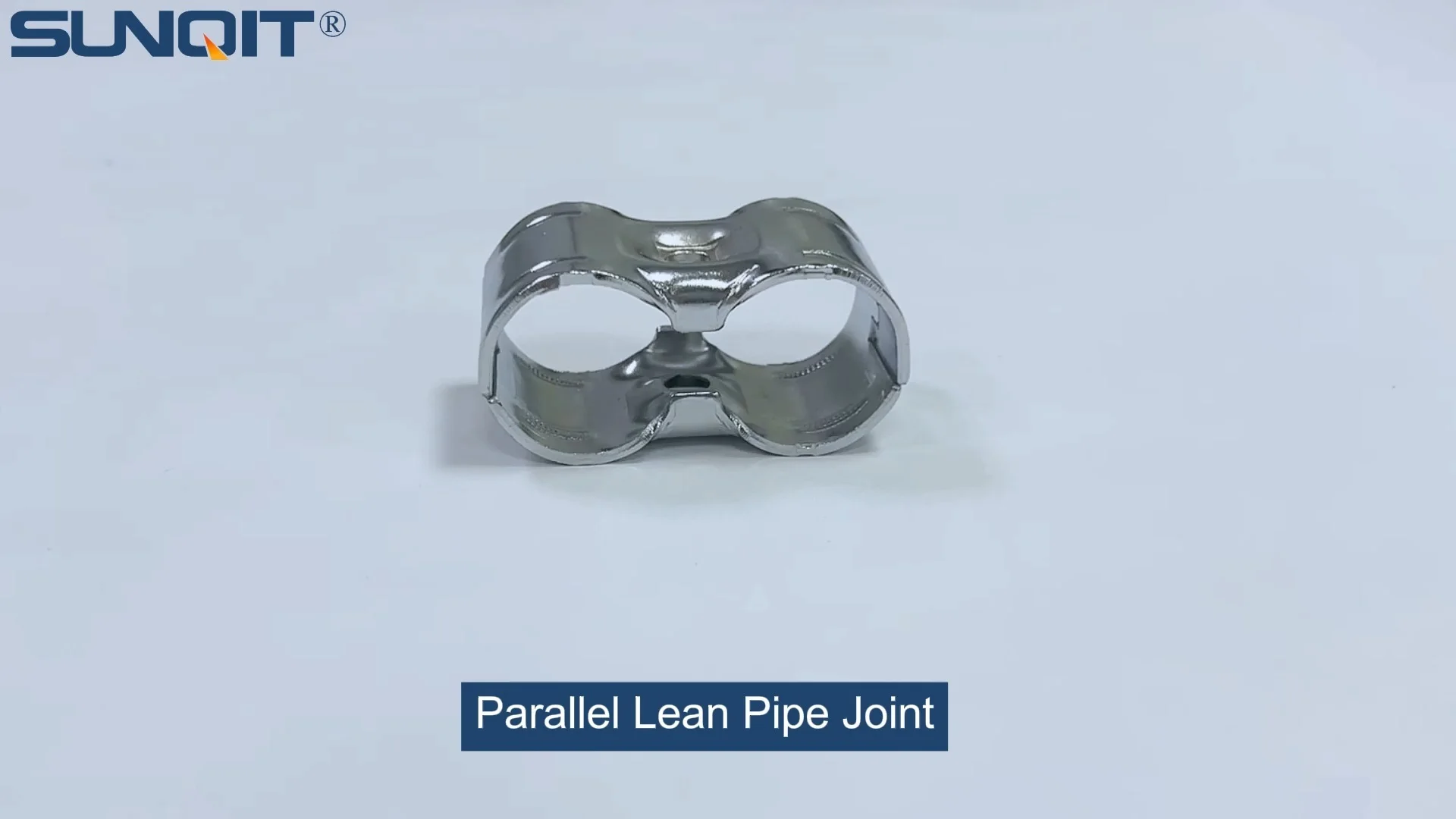
- Parallel Lean Pipe Joint Chrome: Cost-Effective Solution for Lean Production

Parallel Lean Pipe Joint Chrome: Cost-Effective Solution for Lean Production
Related Product
Parallel Lean Pipe Joint Chrome
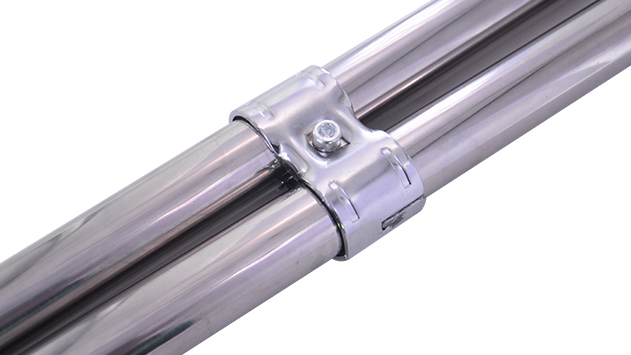
Parallel lean pipe joint used for 2 pcs 28MM lean pipe connection in parallel direction to enhance frame structure, usually for heavy payload requirement for workbench. flow rack, hand trolley.
In the fast-paced world of manufacturing, where every second and every dollar counts, lean production isn't just a buzzword—it's a lifeline. Factories and assembly lines worldwide strive to eliminate waste, streamline workflows, and boost efficiency, all while keeping costs in check. But here's the thing: even the best lean strategies can stumble if the tools and components supporting them are rigid, outdated, or prone to breaking down. That's where the unsung heroes of lean systems come into play—components like the parallel lean pipe joint chrome. It might sound like a small part, but in the grand scheme of a lean production setup, it's the glue that holds flexibility, durability, and cost-effectiveness together.
Think about a typical factory floor. You've got workbenches where operators assemble products, flow racks carrying materials to the line, and conveyors moving goods from one station to the next. Each of these relies on sturdy, adaptable structures to keep operations running smoothly. Traditional setups often use fixed metal brackets or welded joints, which are strong but inflexible. If your production needs change—say, you need to reconfigure a workbench for a new product or adjust a flow rack to accommodate larger parts—those fixed joints become a problem. You're looking at downtime, extra labor, and sometimes even replacing entire structures. That's waste, and waste is the enemy of lean.
Enter the parallel lean pipe joint chrome. Designed with the principles of lean manufacturing in mind, this unassuming component is a game-changer for businesses looking to build agile, cost-effective lean systems. In this article, we'll dive into what makes this joint so special, how it enhances everything from lean pipe workbenches to flow racks, and why it's become a go-to choice for manufacturers aiming to stay competitive in today's dynamic market.
What Exactly Is a Parallel Lean Pipe Joint Chrome?
Let's start with the basics. A parallel lean pipe joint chrome is a connecting component used to join lean pipes—hollow tubes commonly made of steel, aluminum, or plastic-coated steel—in lean production systems. As the name suggests, it's designed for parallel pipe configurations, where two pipes run alongside each other (think the legs of a workbench or the sides of a flow rack). The "chrome" part refers to its surface coating, which adds a layer of protection and durability.
But it's not just a simple connector. Unlike rigid brackets that require drilling or welding, these joints are engineered for quick, tool-free assembly. Most feature a clamp-style design with screws or levers that tighten around the lean pipes, creating a secure hold without damaging the pipe surface. This means you can assemble, disassemble, and reconfigure structures in minutes, not hours. And because the connection is strong but reversible, you can reuse the joints and pipes in new setups, reducing material waste and long-term costs.
At first glance, it might seem like just another hardware part, but the magic is in the details. The parallel design ensures that pipes stay aligned, preventing wobbling or misalignment that could disrupt workflows. The chrome coating resists rust, scratches, and corrosion—critical in factory environments where moisture, oil, or chemicals might be present. And because it's compatible with standard lean pipe sizes (often 28mm or 30mm in diameter), it works seamlessly with most lean pipe systems, making it easy to integrate into existing setups or build new ones from scratch.
Key Features That Make It Stand Out
To understand why the parallel lean pipe joint chrome is so valuable, let's break down its standout features:
- Tool-Free Assembly: Most models use hand-tightened screws or cam levers, so you don't need drills, welders, or specialized tools. This cuts down on assembly time and means even non-technical staff can reconfigure setups.
- Chrome-Plated Durability: The chrome coating isn't just for looks. It forms a hard, corrosion-resistant barrier that protects the underlying metal (usually steel or zinc alloy) from rust and wear. This extends the joint's lifespan, even in busy, high-moisture environments like automotive or food processing plants.
- Parallel Alignment: The joint's design ensures that connected pipes stay perfectly parallel, which is crucial for stability. A wobbly workbench or uneven flow rack can slow down operations and even cause accidents—this joint eliminates that risk.
- Reusability: Unlike welded joints or glued brackets, these joints can be loosened, removed, and reused on new projects. If you need to shrink a workbench or expand a flow rack, you won't have to buy new parts—just repurpose what you already have.
- Compatibility: Designed to fit standard lean pipe sizes, it works with both plastic-coated lean pipes and bare metal pipes. This flexibility means you can mix and match components from different suppliers without worrying about compatibility issues.
These features might seem small on their own, but together, they address some of the biggest pain points in lean production: downtime, inflexibility, and unnecessary costs.
Why It's a Cost-Effective Choice for Lean Systems
Lean manufacturing is all about maximizing value while minimizing waste—and the parallel lean pipe joint chrome delivers on both fronts. Let's break down the cost benefits:
1. Reduced Initial Setup Costs
Traditional rigid structures often require custom fabrication. You might need to hire a welder to build a workbench or order pre-made flow racks that fit your exact specs. That's expensive and time-consuming. With parallel lean pipe joints, you can build the same structures using off-the-shelf lean pipes and joints, assembled in-house by your own team. No need for specialized labor or custom orders—just pick up the parts from a lean pipe supplier and get to work. The savings add up fast, especially for small to medium-sized businesses.
2. Lower Maintenance and Replacement Costs
Chrome plating isn't just durable—it's low-maintenance. Unlike painted or uncoated joints, which can chip, rust, or corrode over time, chrome resists scratches and stands up to daily wear and tear. You won't need to repaint or replace joints as often, saving on maintenance costs. And if a joint does wear out (which is rare), it's cheap and easy to replace—no need to tear down the entire structure.
3. Adaptability = Long-Term Savings
Production needs change. Maybe you launch a new product line that requires a longer conveyor, or you downsize a workbench area to make space for a new machine. With fixed joints, adapting means buying new equipment. With parallel lean pipe joints, you can reconfigure existing structures in hours. For example, a lean pipe workbench used for assembling small electronics can be quickly adjusted to handle larger parts by adding extra pipes and joints. This adaptability extends the lifespan of your equipment, so you get more value out of every dollar spent.
4. Less Downtime, More Productivity
Downtime is one of the costliest wastes in manufacturing. Every minute a production line is idle eats into profits. Because parallel lean pipe joints allow for quick assembly and reconfiguration, you can make changes during scheduled breaks or off-hours, minimizing disruption. Compare that to traditional setups, where reconfiguring a flow rack might take a full day of welding and drilling—time that could have been spent producing goods.

Real-World Applications: Where It Shines
The parallel lean pipe joint chrome isn't a one-trick pony. It's versatile enough to enhance almost any lean system component. Let's look at some common applications:
Lean Pipe Workbenches
Workbenches are the heart of many assembly lines, and they need to be sturdy, adjustable, and easy to customize. Parallel lean pipe joints are ideal here because they connect the vertical legs and horizontal supports of the workbench, ensuring stability even when operators are applying pressure (e.g., tightening bolts or assembling parts). The joints also make it easy to add accessories like tool holders, shelves, or LED lights—just clamp them onto the pipes. And if an operator needs a taller or wider workbench, you can adjust the height or width in minutes by repositioning the joints.
For example, a electronics manufacturer might use a lean pipe workbench with parallel joints to assemble circuit boards. If they switch to larger boards, they can loosen the joints, add longer pipes to widen the bench, and tighten them back up—all without stopping production for long.
Flow Racks
Flow racks are used to store and transport materials, with gravity-fed roller tracks that let parts slide from the back to the front (first-in, first-out). The sides of these racks are typically made of parallel lean pipes, connected by—you guessed it—parallel lean pipe joints. The joints ensure the sides stay aligned, so the roller tracks (another key component) don't tilt or jam. This is critical for keeping materials flowing smoothly to the production line. If you need to adjust the rack's height to match a conveyor or fit taller bins, the joints make it easy to disassemble and rebuild the structure.
A warehouse handling automotive parts might use a flow rack with parallel joints to store small components like screws and washers. When they start stocking larger parts, they can raise the rack's height by adding longer vertical pipes, using the same joints to secure them.
Conveyor Systems
Conveyors move products between stations, and their frames need to be strong enough to support the weight of goods and the constant motion of belts or rollers. Parallel lean pipe joints are used to build the conveyor's frame, connecting the side rails and cross supports. Because conveyors often need to be extended or re-routed as production lines grow, the joints' reusability is a huge plus. Instead of buying a new conveyor, you can add sections using the same pipes and joints, saving time and money.
A food packaging plant might use a conveyor with a chrome-jointed frame to move packages from filling to sealing. If demand increases and they need a longer conveyor, they can simply add more pipe sections and joints, extending the line without replacing the entire system.
How It Stacks Up: Traditional Joints vs. Parallel Lean Pipe Joint Chrome
Still not convinced? Let's put it head-to-head with traditional fixed joints in a quick comparison:
| Feature | Traditional Fixed Joints (Welded/Bolted) | Parallel Lean Pipe Joint Chrome |
|---|---|---|
| Assembly Time | Hours (requires welding/drilling) | Minutes (tool-free, hand-tightened) |
| Reconfigurability | Difficult (often requires cutting/welding new parts) | Easy (loosen, adjust, retighten) |
| Durability | High, but prone to rust if uncoated | High (chrome coating resists rust/wear) |
| Cost Over Time | High (replacement costs for new setups) | Low (reusable, minimal maintenance) |
| Waste | High (scrapped parts when reconfiguring) | Low (reusable joints and pipes) |
The table speaks for itself: parallel lean pipe joint chrome outperforms traditional joints in almost every category that matters for lean production. It's faster to install, easier to adapt, and cheaper over the long run—all while being just as durable.
Why Chrome Coating? The Unsung Advantage
We've mentioned the chrome coating a few times, but it's worth diving deeper into why it matters. Chrome plating (also called chromium plating) is a process where a thin layer of chromium is electroplated onto a metal surface (usually steel or zinc alloy). This layer offers two big benefits for lean pipe joints:
- Corrosion Resistance: Factories are tough environments. There might be oil spills, humidity, or even cleaning chemicals that can eat away at uncoated metal. Chrome acts as a barrier, preventing moisture and chemicals from reaching the underlying metal and causing rust. This is especially important for facilities like food processing plants, where cleanliness and moisture resistance are critical.
- Scratch and Wear Resistance: Lean pipe joints are handled often—during assembly, reconfiguration, and daily use. Chrome is harder than most other coatings (like paint or powder coating), so it resists scratches from tools, parts, or accidental bumps. This keeps the joints looking new and functioning well for longer.
Some joints come in other finishes, like zinc plating or plastic coating, but chrome is the gold standard for durability in industrial settings. It's a small detail, but it makes a big difference in how long the joint lasts and how much maintenance it requires.
The Real-World Impact: A Case in Point
To put this all in perspective, let's look at a hypothetical (but realistic) example. Imagine a small electronics manufacturer with 50 employees. They currently use welded steel workbenches and fixed flow racks, and they're struggling to keep up with changing product demands. When they launch a new smartphone model, they need to reconfigure 10 workbenches to fit larger assembly jigs. With their current setup, this means hiring a welder for two days at $100/hour (total $1,600), plus buying new steel pipes ($500). That's $2,100 and two days of downtime—time they can't afford to lose.
Now, imagine they'd invested in lean pipe workbenches with parallel lean pipe joint chrome instead. To reconfigure the 10 workbenches, two employees spend 3 hours loosening joints, adding longer pipes, and retightening them. No welder needed, no new pipes (they reuse the old ones), and total cost: $0 (since the joints were already paid for). They save $2,100 and avoid downtime, keeping production on track. Over a year, with multiple product changes, those savings add up to tens of thousands of dollars—money that can be reinvested in new equipment or employee training.
This isn't just a hypothetical scenario. Many manufacturers that switch to lean systems with chrome joints report similar cost savings and efficiency gains. It's why lean pipe suppliers increasingly recommend these joints as a core component of any lean setup.
Why It's Time to Upgrade Your Lean System
Lean production isn't about cutting corners—it's about cutting waste. The parallel lean pipe joint chrome embodies this principle by offering a flexible, durable, and cost-effective way to build and maintain lean systems. Whether you're setting up a new production line or upgrading an existing one, these joints can help you:
- Reduce assembly and reconfiguration time
- Lower long-term costs (maintenance, replacement, labor)
- Adapt quickly to changing production needs
- Minimize waste (reusable parts, less downtime)
At the end of the day, manufacturing is about staying competitive. In a world where customer demands and product cycles change faster than ever, rigidity is a liability. The parallel lean pipe joint chrome gives you the agility to pivot, grow, and thrive—all while keeping costs in check. It's not just a joint; it's a tool for building a leaner, more profitable future.
So, if you're still using fixed, rigid joints in your lean pipe workbenches, flow racks, or conveyors, it might be time to make the switch. Talk to a lean pipe supplier today about how parallel lean pipe joint chrome can transform your operations. Your bottom line (and your production team) will thank you.