- Company Articles
- Products and Technology
- Product knowledge
- Parallel Lean Pipe Joint Chrome for Ergonomic Workbenches: Design Considerations

Parallel Lean Pipe Joint Chrome for Ergonomic Workbenches: Design Considerations
Related Product
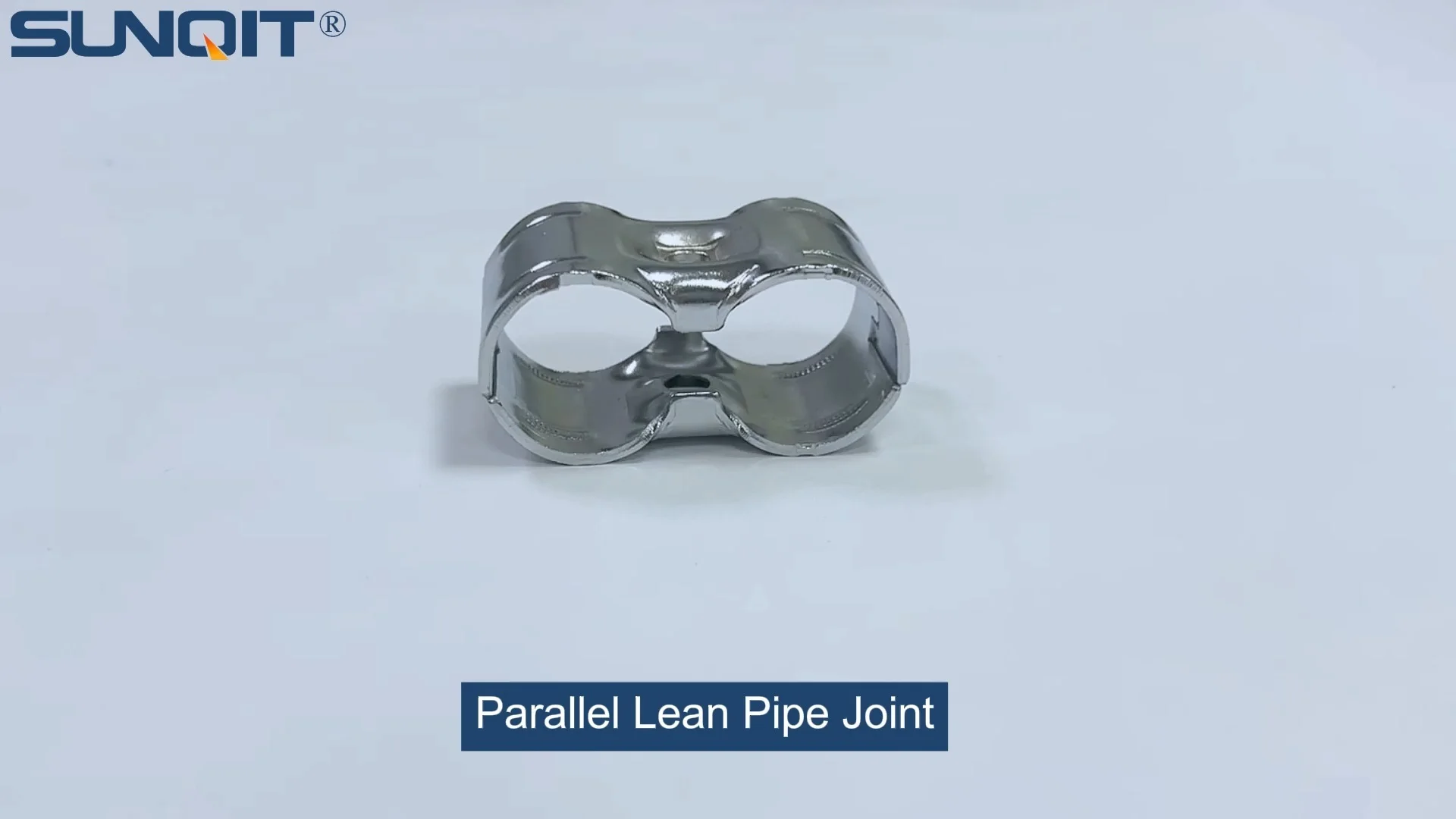
Parallel Lean Pipe Joint Chrome
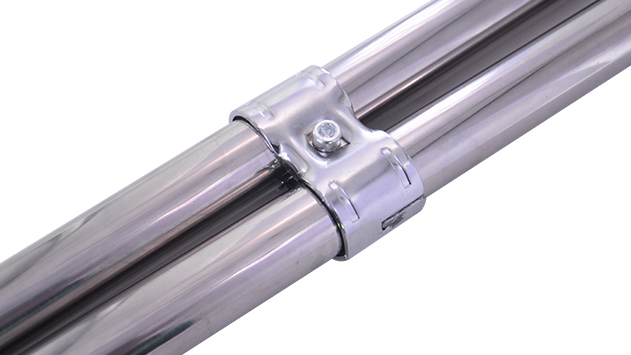
Parallel lean pipe joint used for 2 pcs 28MM lean pipe connection in parallel direction to enhance frame structure, usually for heavy payload requirement for workbench. flow rack, hand trolley.
Walk into any modern manufacturing facility, warehouse, or assembly line, and you'll notice a silent hero keeping operations running smoothly: the workbench. It's more than just a table— it's the command center where workers spend hours assembling products, sorting parts, or troubleshooting issues. But here's the thing: not all workbenches are created equal. A poorly designed one can lead to strained backs, fatigued shoulders, and plummeting productivity. On the flip side, an ergonomic workbench—built with precision, flexibility, and human comfort in mind—can transform a tedious shift into a (efficient) and pain-free experience. And at the heart of that transformation? Components like the parallel lean pipe joint chrome.
In this article, we'll dive deep into the world of ergonomic workbenches, focusing on how parallel lean pipe joint chrome shapes their design, functionality, and impact on workplace well-being. We'll explore key considerations like adjustability, durability, and compatibility with other lean pipe accessories, and why these small but mighty joints are non-negotiable for any facility aiming to blend efficiency with employee care.
Why Ergonomic Workbenches Matter More Than You Think
Let's start with the basics: ergonomics isn't just a buzzword. It's a science dedicated to designing tools and workspaces that fit the human body, not the other way around. According to the Bureau of Labor Statistics, over 30% of workplace injuries in manufacturing are due to overexertion or repetitive motion—many of which trace back to poorly designed workstations. Imagine spending 8 hours a day hunched over a workbench that's too low, reaching for tools on a shelf that's too high, or struggling to adjust the surface to your height. Over time, that takes a toll: chronic back pain, carpal tunnel syndrome, and even decreased focus as fatigue sets in.
An ergonomic workbench fixes this by prioritizing adjustability, accessibility, and comfort. It lets workers set the height to elbow level, position tools within easy reach, and customize the layout to their specific tasks. But to achieve that level of flexibility, you need a robust framework—one that can adapt without compromising stability. Enter lean pipe systems, and more specifically, the parallel lean pipe joint chrome.
Meet the Star Player: Parallel Lean Pipe Joint Chrome
If lean pipe workbenches are the backbone of a flexible workspace, then parallel lean pipe joint chrome are the vertebrae—small, strong, and critical for movement. These joints are the connectors that hold the aluminum or steel pipes of the workbench together, allowing for easy assembly, disassembly, and reconfiguration. But what makes the "chrome" version stand out?
First, the chrome coating. Unlike plain steel or plastic joints, chrome-plated ones offer superior corrosion resistance—essential in environments where spills, humidity, or chemicals are common. They're also smoother, making adjustments (like rotating or locking the joint) easier and reducing wear and tear over time. And let's not forget aesthetics: that sleek, metallic finish adds a professional look to the workbench, which might seem minor, but a clean, well-maintained workspace can boost morale too.
But the real magic is in the "parallel" design. These joints are engineered to connect pipes that run parallel to each other, creating stable horizontal or vertical supports. Think of the shelves under a workbench, the side rails that hold tools, or the crossbars that reinforce the frame. Parallel joints ensure these components stay aligned, even under heavy loads, preventing the workbench from wobbling or sagging.
| Joint Type | Adjustability | Load Capacity (kg) | Corrosion Resistance | Best For |
|---|---|---|---|---|
| Parallel Lean Pipe Joint Chrome | High (360° rotation, lockable) | Up to 150 | Excellent (chrome plating) | Heavy-duty workbenches, humid environments |
| Plastic Lean Pipe Joint | Medium (limited rotation) | Up to 50 | Good (chemical-resistant, but prone to UV damage) | Light-duty tasks, dry workspaces |
| Stainless Steel Non-Chrome Joint | High | Up to 200 | Excellent | Food processing, medical facilities (sanitary needs) |
Design Considerations: Building an Ergonomic Workbench with Parallel Lean Pipe Joint Chrome
Now that we know what parallel lean pipe joint chrome are, let's talk about how to use them effectively in ergonomic workbench design. It's not just about slapping joints and pipes together—you need to consider the human element, the tasks at hand, and the environment. Here are the key factors to keep in mind:
1. Adjustability: Let Workers "Fit" the Workbench
Ergonomics starts with adjustability, and parallel lean pipe joint chrome excel here. Their 360° rotation and easy-locking mechanisms let you tweak the workbench height, shelf angles, and tool placement on the fly. For example, a worker standing 5'4" might need the surface at 36 inches, while someone 6'2" prefers 42 inches. With chrome joints, you can loosen the bolts, adjust the pipes, and lock them back in seconds—no special tools required.
But adjustability isn't just about height. Think about the angle of the work surface: some tasks (like assembly) benefit from a slight incline to reduce neck strain. Parallel joints can connect to tiltable brackets, letting workers set the angle to their preference. Or consider side extensions—adding a temporary shelf for extra parts during a big project, then removing it when done. The joints make that flexibility possible without sacrificing stability.
2. Load Capacity: Don't Skimp on Strength
A workbench is only as good as its ability to hold tools, materials, and products without collapsing. That's where the load capacity of parallel lean pipe joint chrome comes into play. Most chrome joints can handle 100–150 kg per connection, which is more than enough for heavy power tools, metal parts, or stacked boxes. But it's important to calculate the total load your workbench will bear—adding up the weight of the surface, tools, and daily materials—and choose joints that exceed that number by a safety margin.
For example, if your workbench has a wooden top (20 kg), a drill press (30 kg), and a bin of steel parts (40 kg), the total is 90 kg. Using parallel chrome joints with a 150 kg capacity ensures you're well within safe limits, even if someone temporarily places a heavier item on it. Overloading weak joints can lead to bending, wobbling, or even collapse—putting workers at risk and disrupting operations.
3. Compatibility: Playing Well with Others
A lean pipe workbench isn't just pipes and joints—it's a system. You'll likely add accessories like aluminum profile shelves, roller tracks for material flow, or casters for mobility. Parallel lean pipe joint chrome need to play nice with all these components, which means they should be compatible with standard lean pipe sizes (often 28mm or 30mm diameter) and common accessories.
For instance, if you want to attach an aluminum profile shelf to your workbench, the joints should have holes or slots that align with the profile's T-slots, allowing you to secure it with bolts or clips. Similarly, roller tracks (used to slide parts from one station to another) need to connect to the workbench frame via brackets that fit the joint's design. Choosing a reputable supplier for your parallel chrome joints ensures they'll integrate seamlessly with other lean pipe accessories, saving you time and frustration during setup.
4. Durability: Built to Last (Even in Tough Environments)
Manufacturing floors are tough places. There's oil, coolant, dust, and the occasional bump from a forklift. Your workbench joints need to withstand all that and more. Chrome plating helps here by creating a barrier against rust and corrosion—unlike plain steel, which can start to rust after a single spill. It also resists scratches, so even if tools or parts bump against the joints, they won't chip or degrade easily.
But durability isn't just about the coating. The material of the joint itself matters too. High-quality parallel lean pipe joint chrome are made from cold-rolled steel, which is stronger and more resistant to bending than hot-rolled steel. The internal locking mechanism (often a hex bolt or cam lever) should also be robust—you don't want it slipping or stripping after repeated adjustments.

Real-World Impact: A Case Study
Let's put this all into perspective with a real example. A mid-sized electronics manufacturer was struggling with high employee turnover and frequent complaints about back pain. Their old workbenches were fixed-height, made of heavy wood, and couldn't be adjusted for different workers. The company decided to invest in lean pipe workbenches with parallel lean pipe joint chrome, and the results were striking.
First, adjustability: Workers could now set their workbench height to their elbow level, reducing hunching. The parallel joints allowed them to add side shelves at waist height, keeping tools within arm's reach instead of bending down to a lower shelf. Second, durability: The chrome joints held up to the occasional solder flux spills and daily cleaning, without rusting. Third, flexibility: When the production line switched to a new product, the workbenches were reconfigured in hours (not days) by adjusting the joints and adding new aluminum profile sections.
Within six months, the manufacturer reported a 25% drop in workplace injuries and a 15% increase in productivity. Workers were happier, and turnover slowed down. All because of small changes—powered by the right joints.
Maintenance Tips: Keeping Your Joints (and Workbench) in Top Shape
Even the best parallel lean pipe joint chrome need a little TLC to last. Here are simple maintenance steps to keep them working smoothly:
- Clean regularly: Wipe down joints with a damp cloth to remove dust, oil, or chemicals. For stubborn grime, use a mild detergent—avoid abrasive cleaners that can scratch the chrome.
- Lubricate moving parts: If the joint has a rotating mechanism, apply a drop of machine oil every few months to keep it turning smoothly.
- Check for wear: Inspect joints monthly for loose bolts, cracks, or chipped chrome. Tighten bolts as needed, and replace any damaged joints immediately—don't wait for them to fail.
- Avoid overloading: Stick to the recommended load capacity. If you need to support heavier items, add extra joints or reinforce the frame.
Conclusion: Small Joints, Big Impact
Ergonomic workbenches are a game-changer for modern manufacturing, but their success hinges on the details—like the parallel lean pipe joint chrome that hold them together. These small, unassuming components deliver adjustability for worker comfort, strength for heavy loads, and durability for tough environments. They're the reason a workbench can evolve with your needs, from a simple assembly station to a fully customized, efficient workspace.
When designing your next workbench, don't overlook the joints. Choose parallel lean pipe joint chrome for their versatility, compatibility with lean pipe accessories, and long-term reliability. Your workers will thank you—and your productivity will too. After all, in the world of manufacturing, the best solutions often come from the smallest, strongest parts.