- Company Articles
- Products and Technology
- Product knowledge
- Parallel Lean Pipe Joint Chrome for Mobile Carts: Stability & Maneuverability

Parallel Lean Pipe Joint Chrome for Mobile Carts: Stability & Maneuverability
Related Product
Parallel Lean Pipe Joint Chrome
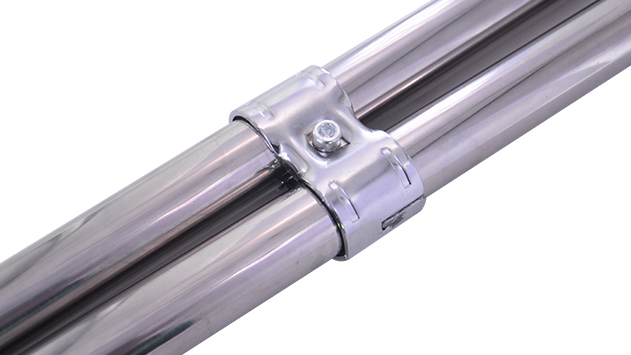
Parallel lean pipe joint used for 2 pcs 28MM lean pipe connection in parallel direction to enhance frame structure, usually for heavy payload requirement for workbench. flow rack, hand trolley.
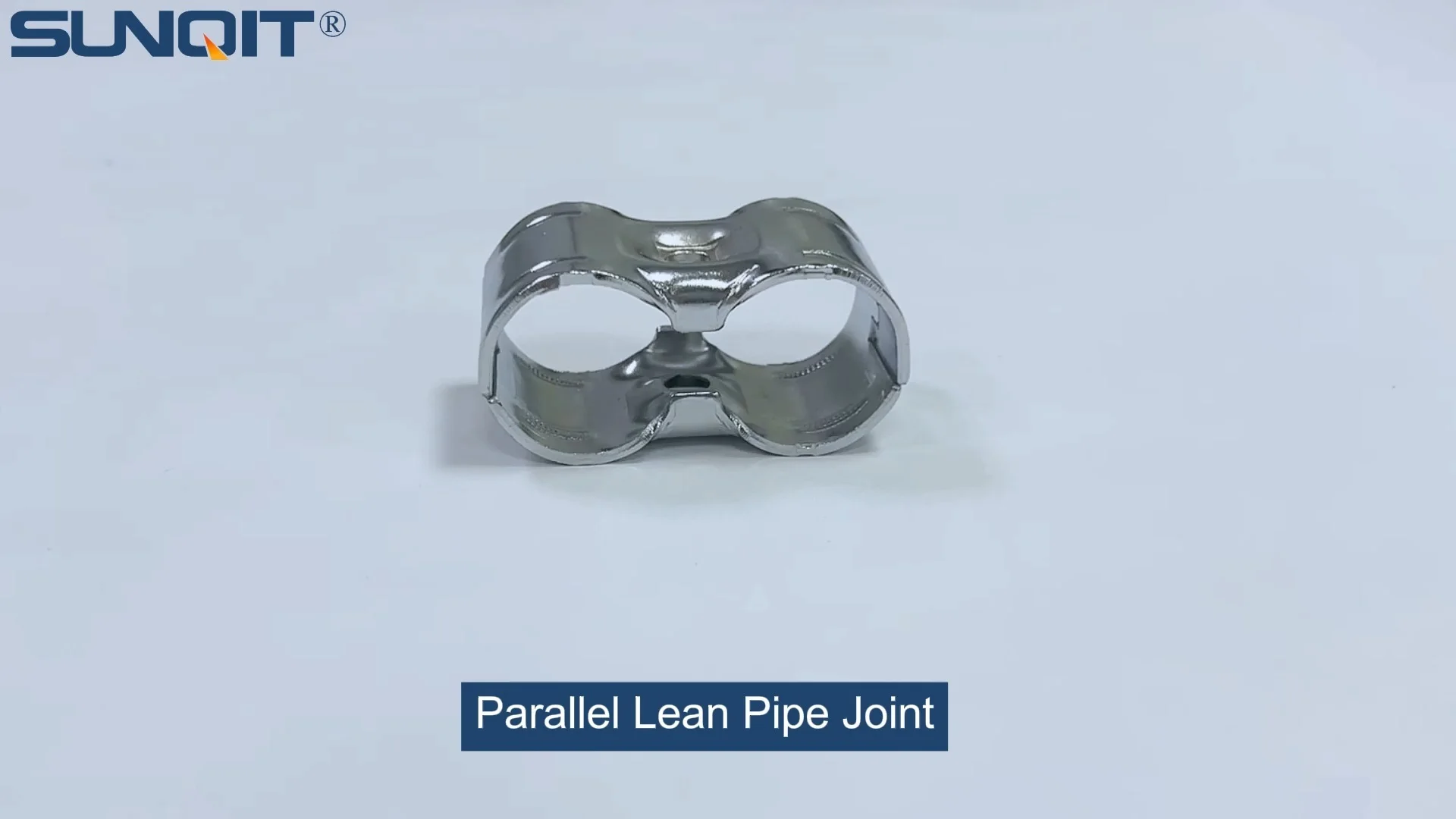
Walk into any busy warehouse, manufacturing plant, or distribution center, and you'll notice a silent workhorse keeping operations moving: mobile carts. These unassuming tools ferry parts between assembly lines, transport finished goods to shipping docks, and carry tools to where they're needed most. But here's the thing—not all mobile carts are created equal. A wobbly cart can slow down workflows, damage products, or even put workers at risk. On the flip side, a well-designed cart feels like an extension of the team: steady enough to trust with fragile items, nimble enough to glide around tight corners, and durable enough to handle daily wear and tear. So, what makes the difference between a frustrating cart and a game-changing one? Often, it comes down to the small but mighty components holding it all together—like the
parallel lean pipe joint chrome
.
The Unsung Hero of Mobile Cart Design: Parallel Lean Pipe Joint Chrome
Let's start with the basics. Mobile carts in industrial settings are typically built using
lean pipe
—a lightweight, versatile material that's become a staple in lean manufacturing. Lean pipe (sometimes called "flexible pipe" or "tube and joint systems") is known for its modularity: you can easily assemble, disassemble, and reconfigure carts, workbenches, and racks by connecting pipes with joints. But while the pipes provide the structure, the joints are the glue that holds everything steady. And when it comes to mobile carts, where stability and maneuverability are non-negotiable, the
parallel lean pipe joint chrome
stands out as a top choice.
So, what exactly is a parallel lean pipe joint chrome? At its core, it's a specialized connector designed to join two or more lean pipes in a parallel configuration—think the horizontal rails on a cart's frame or the supports under a workbench. What makes it unique is the chrome plating. Unlike standard steel joints (which can rust over time) or plastic joints (which lack durability), chrome-plated joints offer a winning combo: strength, corrosion resistance, and a smooth finish that resists scratches and wear. But the real magic is in its design. Parallel joints are engineered to distribute weight evenly across the pipes, preventing the frame from flexing or twisting when loaded. This might sound small, but when you're pushing a cart loaded with 200 pounds of electronic components or fragile parts, that rigidity is everything.
Stability: Why "Rock-Solid" Matters More Than You Think
Imagine (oops, scratch that—
think about
) pushing a cart down a warehouse aisle. The floor isn't perfectly smooth—there are small cracks, uneven concrete, maybe even a stray bolt. If the cart's frame is wobbly, every bump sends a jolt through the load. A box might slide off, a delicate part could shift and get damaged, or worst-case, the cart itself could tip. That's not just a productivity killer; it's a safety hazard. Stability isn't just about keeping the cart upright—it's about protecting your team, your products, and your bottom line.
This is where the parallel lean pipe joint chrome shines. Let's break down how it enhances stability:
1. Even Weight Distribution:
Parallel joints are shaped to cradle the lean pipes at equal angles, ensuring that the weight of the load is spread evenly across the frame. Unlike some generic joints that pinch pipes at odd angles (creating weak spots), parallel chrome joints act like a reinforced bridge between pipes. For example, on a mobile
workbench
—where workers might be assembling sensitive equipment—the joint keeps the tabletop steady, so tools and parts don't slide around mid-task.
2. Tight, Rattle-Free Connections:
Chrome plating isn't just for looks. The smooth, precise finish of these joints ensures a snug fit with lean pipes. When you tighten a parallel chrome joint, it grips the pipe without slipping, eliminating the "rattle" that plagues cheaper carts. That rattle isn't just annoying—it's a sign that the joint is loosening, which over time can lead to instability. With chrome joints, you get a connection that stays tight even after months of daily use.
3. Resistance to Wear and Tear:
Industrial environments are tough on equipment. Carts get bumped into walls, loaded beyond their "recommended capacity," and left out in humid or dusty conditions. Chrome plating acts as a shield, protecting the underlying steel from rust, corrosion, and scratches. A rusted joint weakens over time, but a chrome-plated one stays strong, ensuring the cart remains stable for years.
Pro Tip:
When shopping for parallel lean pipe joint chrome, check the thickness of the chrome plating. Thicker plating (usually 0.0005 inches or more) offers better durability. Some suppliers cut corners with thin plating that chips easily—ask for specs before buying!
Maneuverability: When "Nimble" Beats "Bulky"
Stability is critical, but what good is a rock-solid cart if it's impossible to push? Maneuverability—the ability to navigate tight spaces, turn smoothly, and stop on a dime—is just as important. And here's the surprise: the parallel lean pipe joint chrome plays a role here, too, working hand-in-hand with another key component:
caster wheels
.
Let's think about how a cart moves. The frame's rigidity (thanks to the parallel joints) ensures that when you push the handle, the entire cart responds as one unit. If the frame flexes, some of your pushing force is wasted—instead of moving forward, the cart twists, making it harder to steer. With a stable frame, every push translates directly to movement, making the cart feel lighter and easier to control.
But maneuverability also depends on balance. A cart that's top-heavy or unevenly weighted is hard to turn. Parallel lean pipe joint chrome helps here by keeping the cart's center of gravity low and consistent. For example, on a cart used to transport
flow rack
components (think small parts bins), the parallel joints ensure the shelves are evenly spaced, so weight is distributed from front to back and side to side. This balance makes the cart easier to pivot around corners or back up into tight loading areas.
And let's not forget about caster wheels. Even the best casters struggle if the cart frame is wobbly. When the frame flexes, the casters can "fight" each other—one wheel might lock up while another spins, making the cart veer off course. With a rigid frame (thanks to parallel chrome joints), the casters align properly, rolling in the same direction and responding smoothly to steering. It's like the difference between driving a car with a loose steering wheel and one with a tight, responsive one—night and day.

How Parallel Lean Pipe Joint Chrome Stacks Up Against the Competition
You might be wondering: Are there other joint options? Absolutely. Let's compare parallel lean pipe joint chrome to two common alternatives to see why it's often the best choice for mobile carts:
| Joint Type | Stability | Corrosion Resistance | Maneuverability Impact | Best For |
|---|---|---|---|---|
| Parallel Lean Pipe Joint Chrome | Excellent (even weight distribution, tight fit) | High (chrome plating resists rust) | High (rigid frame improves caster alignment) | Mobile carts, workbenches, and flow rack systems in humid/dusty environments |
| Standard Steel Joint (Unplated) | Good (but weakens with rust) | Low (prone to rust in damp areas) | Moderate (frame may flex over time) | Temporary setups or dry, indoor use only |
| Plastic Joint | Low (flexible material bends under heavy loads) | High (resists corrosion, but not impact) | Low (flexible frame causes caster instability) | Lightweight, non-industrial carts (e.g., office use) |
As the table shows, parallel lean pipe joint chrome outperforms alternatives in stability and corrosion resistance—two must-haves for industrial mobile carts. While plastic joints might be cheaper upfront, they lack the durability needed for daily heavy use. Unplated steel joints work in a pinch but won't last in harsh environments. For teams that rely on their carts to keep operations running, the chrome option is an investment that pays off in fewer replacements and less downtime.
Real-World Applications: Where Parallel Chrome Joints Make a Difference
Let's step out of the theory and into real life. Here are three scenarios where parallel lean pipe joint chrome transforms mobile carts from "meh" to "must-have":
1. Electronics Assembly Lines:
In electronics manufacturing, precision is everything. Workers assemble tiny components (think circuit boards, microchips) on mobile workbenches that move between stations. A wobbly cart could cause a worker to misplace a part, leading to defective products. With parallel chrome joints, the workbench stays steady, even when rolling over factory floor seams. The corrosion resistance is also key here—electronics plants often have strict humidity controls, and chrome joints won't rust, ensuring no metal particles contaminate sensitive parts.
2. Food and Beverage Warehouses:
Food warehouses are messy places—spills, condensation, and frequent washdowns are part of the daily grind. A rusted cart joint could flake off into food products, violating safety standards. Parallel lean pipe joint chrome stands up to moisture and cleaning chemicals, keeping carts stable and compliant. For example, a mobile
flow rack
used to transport produce needs to be both stable (to prevent bruising) and rust-free (to avoid contaminating food)—chrome joints deliver on both.
3. Automotive Repair Shops:
Mechanics rely on tool carts to carry heavy equipment (wrenches, drills, jacks) around vehicles. These carts need to be stable enough to hold 300+ pounds without tipping, yet maneuverable enough to squeeze between cars. Parallel chrome joints ensure the cart frame doesn't twist when loaded, while the rigid structure makes it easy to steer with one hand—even when fully loaded. No more wrestling with a cart that veers to the left!
Choosing the Right Supplier: Not All Chrome Joints Are Created Equal
Now that you're sold on parallel lean pipe joint chrome, the next step is finding a reliable
lean pipe supplier
. Here's what to look for:
1. Quality Materials:
The best suppliers use high-grade steel for the joint core (typically Q235 or Q345 steel, which is strong and ductile) and thick chrome plating. Avoid suppliers that use recycled or low-grade steel—these joints will bend or snap under heavy loads.
2. Precision Manufacturing:
A joint's stability depends on how well it's machined. Look for suppliers with CNC (computer numerical control) machines, which produce joints with consistent dimensions. A joint that's even 1mm off can create a loose fit with lean pipes.
3. Testing and Certifications:
Reputable suppliers test their joints for load capacity, corrosion resistance, and durability. Ask for test reports—for example, a good parallel chrome joint should handle at least 500 pounds of vertical load without bending.
4. Customer Support:
Even the best joints need proper installation. Look for suppliers that offer guides or videos on how to assemble carts with their joints. Bonus points if they have a technical team to answer questions (e.g., "What size joint do I need for 28mm lean pipe?").
Installation and Maintenance: Keeping Your Carts in Top Shape
You've bought your parallel lean pipe joint chrome—now what? Proper installation and maintenance will ensure your mobile carts stay stable and maneuverable for years. Here's how:
Installation Tips:
- Clean the Pipes First: Dirt or grease on lean pipes can prevent the joint from gripping properly. Wipe pipes with a dry cloth before assembly.
- Don't Over-Tighten: Use a torque wrench to tighten the joint bolts to the supplier's recommended setting (usually 25-30 Nm). Over-tightening can strip the threads or crack the joint.
- Check Alignment: Before finalizing the cart frame, use a level to ensure the parallel joints are straight. A crooked joint will throw off the cart's balance.
Maintenance Tips:
- Inspect Monthly: Check joints for looseness or rust. Tighten any bolts that have wiggled free (this is normal after the first few uses).
- Clean Chrome Regularly: Wipe joints with a damp cloth to remove dust and grime. For stubborn spots, use a mild soap (avoid abrasive cleaners—they'll scratch the chrome).
- Lubricate Casters, Not Joints: Chrome joints don't need lubrication, but the caster wheels do! A drop of oil on caster axles every 3 months will keep the cart rolling smoothly.
The Bottom Line: Stability + Maneuverability = Better Workflows
Mobile carts might seem like simple tools, but they're the backbone of efficient operations. And at the heart of a great cart is the parallel lean pipe joint chrome—a small component that delivers big results. By enhancing stability (protecting products and workers) and maneuverability (speeding up workflows), these joints turn frustrating, wobbly carts into reliable partners that keep your team moving forward.
So, the next time you're evaluating your facility's equipment, don't overlook the joints holding your carts together. Investing in parallel lean pipe joint chrome isn't just about buying a better cart—it's about investing in smoother workflows, happier workers, and a bottom line that benefits from fewer delays and less waste. After all, in lean manufacturing, every detail counts—and this is one detail that's worth getting right.