- Company Articles
- Products and Technology
- Product knowledge
- Parallel Lean Pipe Joint Chrome: Ideal for High-Moisture Production Environments

Parallel Lean Pipe Joint Chrome: Ideal for High-Moisture Production Environments
Related Product
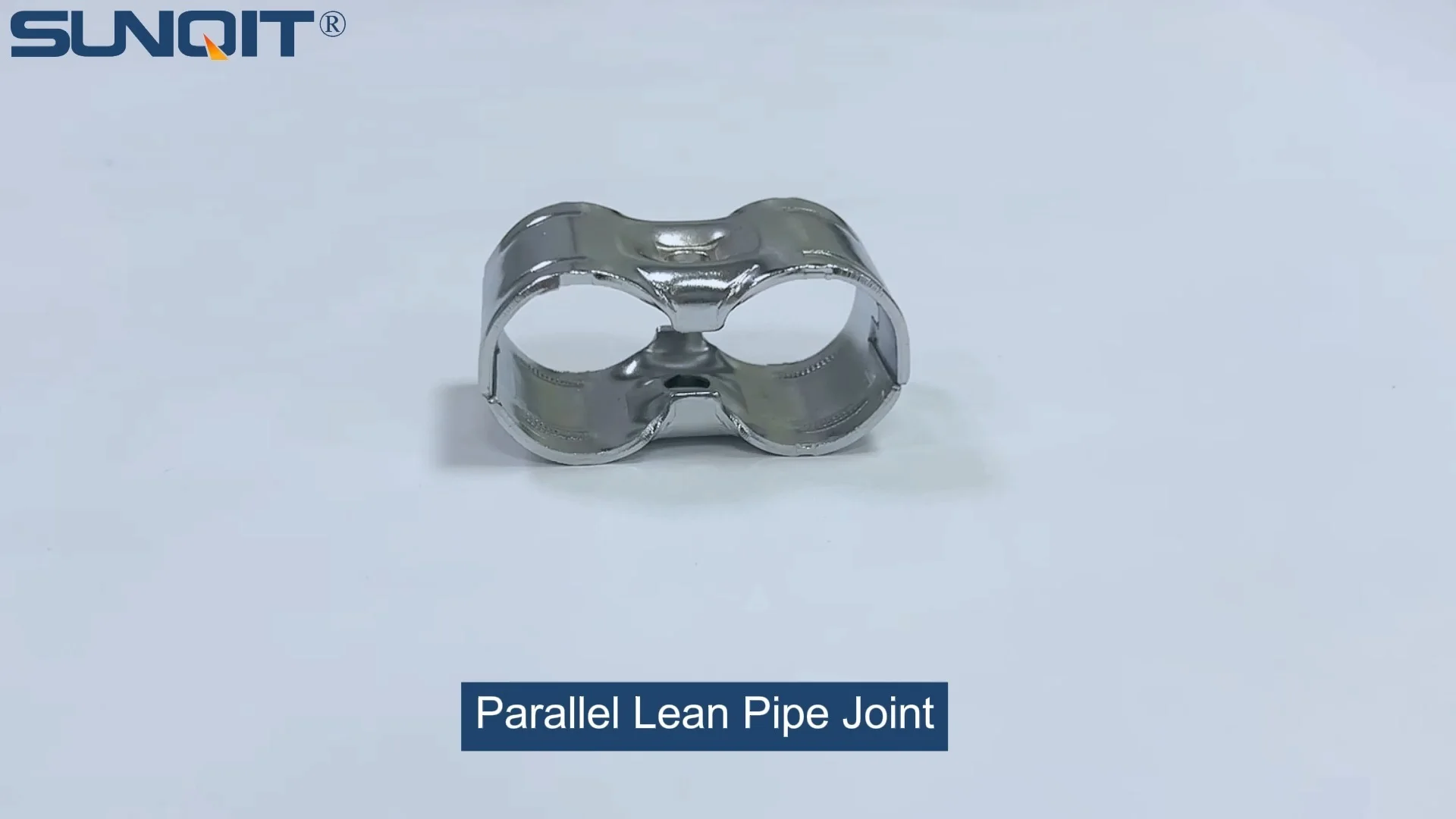
Parallel Lean Pipe Joint Chrome
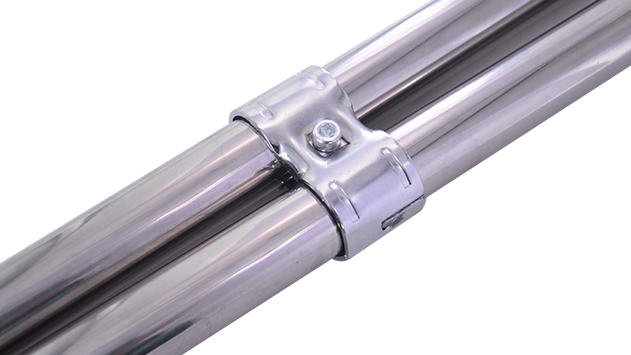
Parallel lean pipe joint used for 2 pcs 28MM lean pipe connection in parallel direction to enhance frame structure, usually for heavy payload requirement for workbench. flow rack, hand trolley.
Walk into any manufacturing facility, and you'll quickly notice the unsung heroes keeping operations running smoothly: the structures that hold tools, transport materials, and organize workspaces. From the workbench where assemblers piece together components to the roller tracks that move products down the line, these systems are the backbone of lean manufacturing. But in environments where moisture is a constant presence—think food processing plants, pharmaceutical cleanrooms, or automotive wash stations—these structures face a silent enemy: corrosion. Rust eats away at metal, joints seize up, and once-durable workbenches wobble under pressure. For plant managers and production teams, this isn't just a maintenance headache; it's a threat to efficiency, safety, and the bottom line. That's where the parallel lean pipe joint chrome comes in—a small but mighty component designed to turn high-moisture challenges into opportunities for stronger, longer-lasting lean systems.
The Hidden Cost of Moisture in Lean Manufacturing
Moisture in production environments isn't just about a little water here and there. It's about daily exposure to cleaning chemicals, steam, condensation, or even humidity that lingers in the air. In food processing, for example, work surfaces are sanitized multiple times a day with high-pressure hoses and caustic detergents. In pharmaceutical facilities, strict hygiene standards mean constant wiping and disinfection. In automotive plants, parts washing stations and coolant systems release moisture that settles on nearby racks and trolleys. Over time, this moisture attacks unprotected metal components, starting with the smallest parts: the joints that hold lean pipe systems together.
Traditional lean pipe joints, often made of plain steel or low-grade alloys, are particularly vulnerable. Without proper protection, they rust, their surfaces pitting and flaking. A rusted joint doesn't just look unprofessional—it weakens. What was once a tight, secure connection becomes loose, causing workbenches to (wobble) and material racks to sag. In worst cases, a corroded joint can fail entirely, leading to spills, damaged products, or even workplace injuries. The result? Unplanned downtime for repairs, increased replacement costs, and a system that no longer supports the "lean" principles of efficiency and waste reduction it was built to uphold.
And it's not just the joints themselves. When a joint corrodes, it can seize up, making it impossible to reconfigure the system—a key advantage of lean manufacturing. Need to adjust a workbench height to fit a new product line? If the joints are stuck, you'll need to replace the entire section, wasting time and money. For managers, this creates a frustrating cycle: investing in lean systems to boost productivity, only to watch them degrade prematurely in moist conditions. There had to be a better way.
Enter the Parallel Lean Pipe Joint Chrome: A Game-Changer
The parallel lean pipe joint chrome isn't just a "better" joint—it's a solution engineered specifically for the challenges of high-moisture environments. At first glance, it looks similar to standard lean pipe joints: a small, modular component designed to connect lean pipes, allowing for the creation of workbenches, racks, trolleys, and more. But look closer, and you'll see the difference: a smooth, shiny surface that's more than just aesthetic. That surface is a thin layer of chromium, applied through a process called chrome plating, which transforms the joint into a moisture-resistant powerhouse.
Chrome plating works by depositing a layer of chromium onto the joint's base metal (typically steel or aluminum). This layer acts as a barrier, preventing moisture, chemicals, and oxygen from reaching the underlying metal—effectively stopping rust before it starts. But it's not just about protection. Chrome-plated surfaces are also incredibly hard and smooth, reducing friction and making the joints resistant to scratches, dents, and wear. In high-moisture settings, where frequent cleaning is a must, this means the joints can withstand repeated exposure to water, detergents, and sanitizers without losing their integrity.
But what makes the "parallel" design stand out? Unlike standard T-joints or elbow joints, parallel lean pipe joints are designed to connect two pipes running side by side, creating stable, parallel structures—think the legs of a workbench or the rails of a material rack. This parallel connection distributes weight evenly, reducing stress on individual joints and making the entire structure more robust. When combined with chrome plating, this design becomes a force to be reckoned with: a joint that's not only corrosion-resistant but also built to handle heavy loads, even in the wettest conditions.
What Makes Chrome-Plated Parallel Joints Stand Out?
To truly appreciate the value of parallel lean pipe joint chrome, it helps to compare it to other common joint options. Let's break down the key features that make it the ideal choice for high-moisture environments:
| Feature | Standard Steel Joints | Plastic Joints | Stainless Steel Joints | Parallel Lean Pipe Joint Chrome |
|---|---|---|---|---|
| Corrosion Resistance | Poor—rusts quickly in moisture | Good—resists moisture but weakens over time | Excellent—highly resistant but costly | Excellent—chrome barrier prevents rust; budget-friendly |
| Load Capacity | High—until corrosion weakens the metal | Low—bends under heavy loads | High—maintains strength in moisture | High—parallel design distributes weight evenly |
| Flexibility/Reconfigurability | Good—until joints seize from rust | Fair—can crack when adjusted frequently | Excellent—smooth movement, no seizing | Excellent—chrome surface reduces friction; easy to reposition |
| Cost-Effectiveness | Low upfront, high long-term (replacement costs) | Low upfront, very high long-term (frequent replacement) | Very high upfront, low long-term | Moderate upfront, very low long-term (durable, low maintenance) |
| Compatibility with Lean Pipe and Accessories | Good, but limited by corrosion | Fair, but accessories may not fit securely | Excellent, but accessories are often costly | Excellent—works with standard lean pipe accessories; no special tools needed |
As the table shows, parallel lean pipe joint chrome strikes a rare balance: the corrosion resistance of stainless steel, the load capacity of standard steel, and the flexibility of modular lean systems—all at a price point that won't break the budget. But beyond these specs, there's a practical benefit that resonates with anyone who works on the factory floor: peace of mind. When you know your joints won't rust, seize, or fail, you can focus on what matters most—producing quality products efficiently.

Beyond the Joint: Building a Complete Lean System with Stainless Steel Pipe Series
Of course, a joint is only as strong as the system it's part of. To maximize durability in high-moisture environments, parallel lean pipe joint chrome works best when paired with complementary components—starting with the stainless steel pipe series . Stainless steel pipes are naturally resistant to corrosion, thanks to their chromium content (which forms a passive oxide layer on the surface). When combined with chrome-plated parallel joints, they create a "double barrier" against moisture, ensuring every part of the structure—from pipe to joint—is protected.
Take, for example, a material rack in a seafood processing plant. Traditional steel racks would rust within months, leaving metal flakes that could contaminate products. But a rack built with stainless steel pipes and parallel chrome joints? It stands up to daily hosing, saltwater exposure, and harsh sanitizers, maintaining its strength and cleanliness for years. The same goes for workbenches in pharmaceutical labs, where strict hygiene standards require frequent cleaning with alcohol or peroxide. Stainless steel pipes won't react with these chemicals, and chrome joints won't degrade, ensuring the workbench remains stable and safe for delicate operations.
But the beauty of lean manufacturing is modularity, and the parallel chrome joint doesn't just work with stainless steel—it's compatible with a wide range of lean pipe and accessories . Need to add a roller track to your workbench to move materials more efficiently? The joint connects seamlessly to roller track connectors. Want to attach a caster wheel to make the bench mobile? It pairs perfectly with caster accessories, even in wet conditions (no rusted caster mounts here). This flexibility means you're not locked into a single system; you can mix and match components to create a setup that fits your unique needs, all while keeping durability front and center.
Real-World Applications: Where Parallel Lean Pipe Joint Chrome Shines
To understand the impact of parallel lean pipe joint chrome, let's look at a few real-world scenarios where moisture was once a production nightmare—until these joints came to the rescue.
Case 1: Food Processing Plant Reduces Downtime by 40%
A mid-sized bakery specializing in frozen dough products was struggling with constant equipment failures. Their production line included workbenches where dough was shaped, and roller tracks that moved trays to the freezer. The problem? The plant's daily cleaning routine involved high-pressure hosing to prevent cross-contamination, and the standard steel joints on their workbenches and racks were rusting within 6–8 months. Loose joints led to wobbly workbenches, causing dough to spill, and seized roller track connectors made it impossible to adjust the line for new product sizes. The maintenance team was replacing joints weekly, and downtime was costing the plant $5,000 per month in lost production.
After switching to parallel lean pipe joint chrome and stainless steel pipes, the results were dramatic. Six months later, the joints showed no signs of rust, and the roller tracks still adjusted smoothly. The maintenance team went from replacing joints weekly to inspecting them monthly—a 90% reduction in maintenance time. Downtime dropped by 40%, and the plant was able to reallocate staff from repairs to production, boosting output by 15%. "It's like night and day," said the plant manager. "We no longer worry about the next joint failing. We just focus on making dough."
Case 2: Automotive Wash Station Upgrades to "Worry-Free" Trolleys
An automotive manufacturing plant's wash station was a high-moisture zone where car parts were cleaned before assembly. The station used turnover trolleys to move parts from the wash area to the assembly line, but the trolleys' steel joints and casters were rusting rapidly. Rusted caster wheels stuck, making the trolleys hard to push, and loose joints caused parts to shift, leading to scratches and defects. The plant was replacing trolleys every 3–4 months, at a cost of $200 per trolley (and with 15 trolleys in use, that added up).
The solution? Trolleys built with parallel lean pipe joint chrome, stainless steel pipes, and corrosion-resistant caster accessories. The chrome joints prevented rust, even with daily exposure to soapy water and moisture, and the smooth surface made the trolleys easy to push (no more stuck wheels). After a year, the trolleys still looked and performed like new, with zero replacements needed. The plant saved over $3,000 in trolley costs alone, not to mention the reduced defect rate from stable parts transport.
Choosing the Right Accessories: Lean Pipe and Accessories for Maximum Efficiency
While the parallel lean pipe joint chrome is the star of the show, it's the supporting cast of lean pipe and accessories that makes the system truly shine. Here are a few key accessories to consider when building your high-moisture lean system:
- Caster and Accessories : For mobile workbenches or trolleys, choose casters with stainless steel or chrome-plated frames and rubber wheels that resist moisture. Look for caster accessories like brake locks (to keep trolleys stable when in use) and corrosion-resistant mounting plates.
- Roller Track and Accessories : Roller tracks are essential for moving materials smoothly, but in wet environments, plastic or stainless steel rollers are a must. Pair them with roller track connectors made from rust-resistant materials to ensure the track stays aligned and functional.
- Workbench Tops : While the frame is critical, the workbench top itself needs to withstand moisture. Options like stainless steel or phenolic resin tops are water-resistant, easy to clean, and won't warp or crack.
- Joints and Connectors : Beyond parallel joints, consider other chrome-plated or stainless steel joints (like 90-degree elbows or T-joints) for corners and intersections. These ensure every connection point is protected, not just the parallel ones.
The key is to think holistically: every component, from pipe to caster, should be chosen with moisture resistance in mind. This doesn't mean sacrificing flexibility—in fact, the modular nature of lean systems means you can swap out accessories as your needs change, all while keeping the core structure (pipes and joints) intact and durable.
Maintenance Made Simple: Keeping Your Chrome Joints Performing Like New
One of the best things about parallel lean pipe joint chrome? It's low-maintenance. Unlike standard steel joints, which require frequent painting or coating to prevent rust, chrome joints need just a little care to stay in top shape. Here's how to keep them performing for years:
- Clean Regularly : Wipe down joints with a soft cloth and mild soap and water to remove dirt, grime, or chemical residues. Avoid abrasive cleaners or scouring pads, which can scratch the chrome surface (a scratched barrier is a vulnerable barrier).
- Inspect for Loose Connections : Check joints monthly to ensure they're tight. In high-moisture environments, even with chrome plating, vibrations from machinery can loosen connections over time. A quick tightening with a wrench is all it takes to keep the system stable.
- Lubricate Moving Parts (If Needed) : While chrome joints are naturally low-friction, if you notice a joint is sticking (uncommon, but possible in extremely humid conditions), apply a small amount of silicone-based lubricant. Avoid oil-based lubricants, which can attract dirt and degrade the chrome over time.
- Address Scratches Promptly : If a joint does get scratched (e.g., from a dropped tool), clean the area and apply a thin layer of clear nail polish or chrome touch-up paint to seal the scratch and prevent moisture from seeping in.
These simple steps take minutes per month but can extend the life of your lean system by years. For busy plant managers, this means less time spent on maintenance and more time focused on improving productivity.
Why Workbench Stability Matters in High-Moisture Settings
At the heart of many lean systems is the workbench—a central hub where assembly, inspection, and packaging happen. In high-moisture environments, a stable workbench isn't just a convenience; it's a safety requirement. A wobbly workbench can lead to spills, errors, or even injuries (imagine a worker trying to steady a sharp tool on an unstable surface). Parallel lean pipe joint chrome plays a critical role here, ensuring the workbench frame remains rigid and secure, even after years of exposure to moisture.
Consider a workbench in a car wash facility, where employees clean and detail vehicles. The bench holds cleaning supplies, tools, and rags, and it's hosed down daily to remove soap and dirt. A standard steel bench would rust, with joints loosening and the top warping. But a bench built with stainless steel pipes, parallel chrome joints, and a phenolic resin top? It stays stable, clean, and functional, even with constant moisture. Employees can focus on their work, not on balancing tools or avoiding spills, leading to faster, safer, and higher-quality results.
The same logic applies to medical device assembly, where precision is everything. A workbench that shifts even slightly can throw off measurements, leading to defective products. Chrome joints ensure the bench remains level and secure, day in and day out, supporting the meticulous work of assemblers and inspectors.
Conclusion: Investing in Durability, Investing in Success
In the world of lean manufacturing, every component matters. The parallel lean pipe joint chrome may seem small, but its impact is huge—turning high-moisture environments from a liability into an opportunity to build stronger, more resilient systems. By combining corrosion resistance, load capacity, flexibility, and cost-effectiveness, it addresses the core challenges of moist production settings, allowing teams to focus on efficiency, safety, and growth.
Whether you're running a food processing plant, a pharmaceutical lab, or an automotive facility, the message is clear: don't let moisture dictate the lifespan of your lean system. Invest in components that are built to last—starting with parallel lean pipe joint chrome, paired with stainless steel pipes, quality lean pipe and accessories, and a focus on holistic durability. The result? A system that supports your lean goals for years to come, reducing downtime, cutting replacement costs, and giving you the peace of mind that comes with knowing your infrastructure can handle whatever the environment throws at it.
At the end of the day, lean manufacturing is about more than just efficiency—it's about building systems that adapt, endure, and empower your team to do their best work. With parallel lean pipe joint chrome, you're not just building a structure; you're building a foundation for success, even in the wettest conditions.