- Company Articles
- Products and Technology
- Product knowledge
- Parallel Lean Pipe Joint Chrome in Aerospace Manufacturing: Precision & Reliability

Parallel Lean Pipe Joint Chrome in Aerospace Manufacturing: Precision & Reliability
Related Product
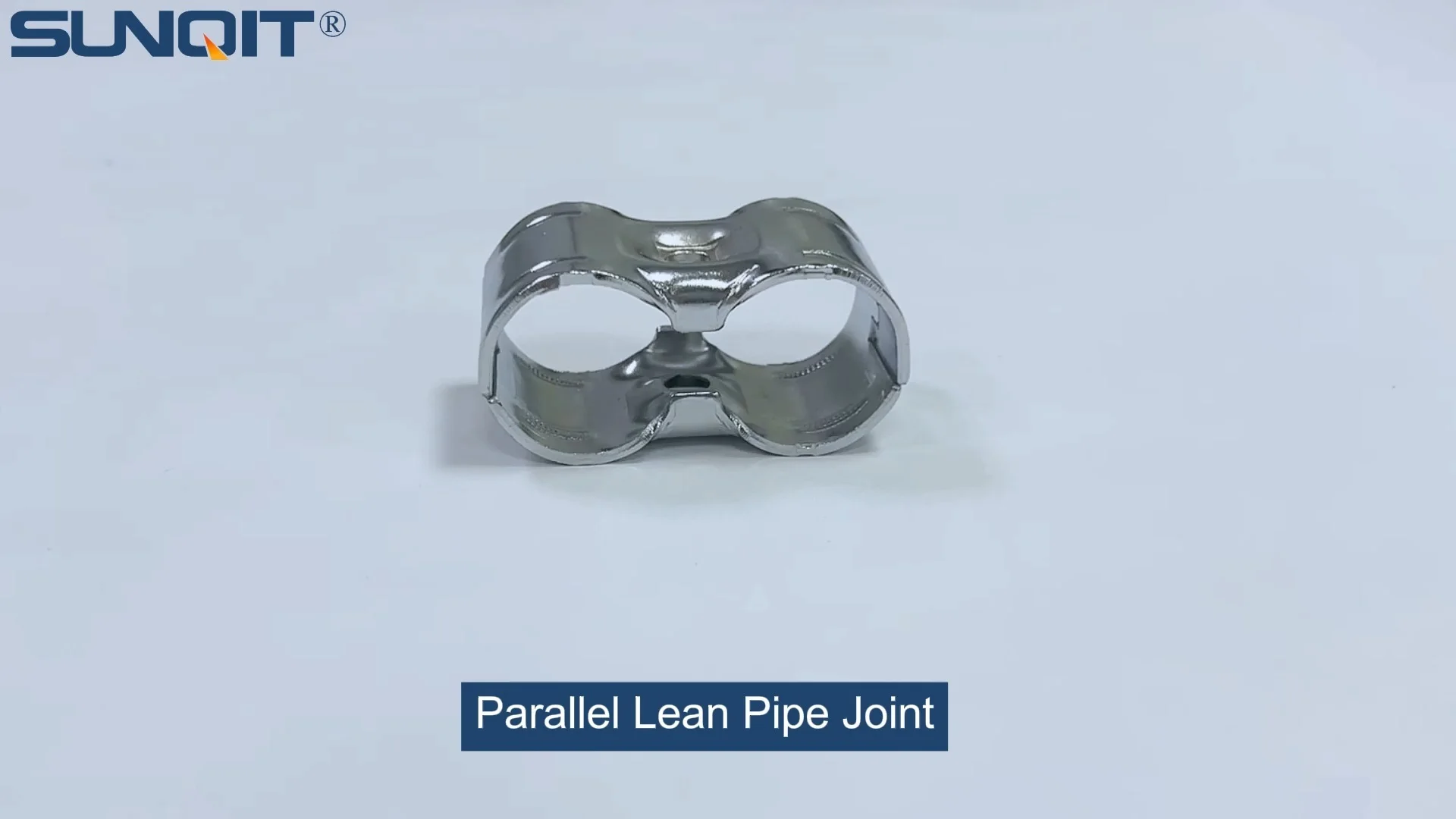
Parallel Lean Pipe Joint Chrome
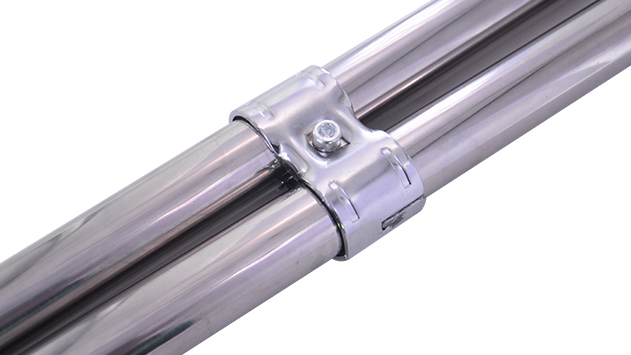
Parallel lean pipe joint used for 2 pcs 28MM lean pipe connection in parallel direction to enhance frame structure, usually for heavy payload requirement for workbench. flow rack, hand trolley.
In the high-stakes world of aerospace manufacturing, where a single micron of misalignment can compromise safety and a split-second delay can disrupt production timelines, every component—no matter how small—carries immense responsibility. From the turbine blades of jet engines to the avionics systems guiding flight paths, precision and reliability are not just goals; they are non-negotiable imperatives. Among the unsung heroes enabling these standards are the modular systems that form the backbone of manufacturing workflows. Enter the parallel lean pipe joint chrome : a seemingly modest component that plays a pivotal role in upholding the rigorous demands of aerospace production. In this article, we'll explore how this unassuming joint, when integrated into lean systems , elevates efficiency, precision, and adaptability—qualities that make it indispensable in crafting the next generation of aircraft.
The Critical Role of Lean Systems in Aerospace Manufacturing
Aerospace manufacturing is a masterclass in complexity. Production lines must juggle multiple aircraft models, each with unique specifications, while adhering to strict regulatory standards (such as FAA or EASA certifications) and tight deadlines. Here, waste—whether in time, materials, or space—is not just inefficient; it's costly and risky. This is where lean systems step in. Rooted in principles of continuous improvement and waste reduction, lean manufacturing has evolved from a philosophy to a practical toolkit for aerospace facilities, enabling them to streamline workflows, enhance flexibility, and maintain uncompromising quality.
At the heart of lean systems lie modular structures—assemblies built from interchangeable components that can be reconfigured quickly to adapt to changing production needs. Unlike rigid, fixed infrastructure, these systems thrive on adaptability: a workbench for engine component assembly can be repurposed into a testing station for avionics with minimal downtime; a material rack can be expanded to accommodate larger parts for a new aircraft model. This modularity is made possible by lean pipes (hollow tubes) and their connecting joints, which act as the "building blocks" of the system. Among these joints, the parallel lean pipe joint chrome stands out for its ability to balance strength, precision, and durability—three traits that are especially critical in aerospace.
Parallel Lean Pipe Joint Chrome: Engineering for Excellence
What Sets It Apart?
The parallel lean pipe joint chrome is a specialized connector designed to join lean pipes (typically steel, aluminum, or stainless steel) in parallel configurations—aligning them along a straight, linear axis. Its name gives away two key features: "parallel" refers to its ability to maintain consistent spacing and alignment between connected pipes, while "chrome" denotes its protective coating, which enhances both performance and longevity. Let's break down its components and design:
- Material & Coating : Most parallel lean pipe joints are constructed from high-grade steel, then electroplated with chromium. Chrome plating serves dual purposes: it creates a smooth, corrosion-resistant surface that withstands the harsh conditions of manufacturing environments (including exposure to coolants, lubricants, and humidity), and it reduces friction, making assembly and adjustments easier. For aerospace facilities with strict cleanroom requirements, some variants may use stainless steel or aluminum with chrome plating to minimize particle shedding.
- Design Geometry : The joint features a clamp-style mechanism, with two or more parallel sockets to hold lean pipes. Internally, it often includes rubber or plastic liners that grip the pipe securely without damaging its surface, ensuring a tight fit even under vibration. Externally, its compact, low-profile design reduces snag points, a critical safety feature in busy production areas where workers and machinery move constantly.
- Load-Bearing Capacity : Engineered to support heavy loads—often up to 500kg per joint—these connectors are built to withstand the weight of aerospace components, from small avionics circuit boards to large structural parts like wing spars. The parallel alignment distributes weight evenly across the connected pipes, preventing stress concentrations that could lead to bending or failure over time.
Why Chrome for Aerospace?
In aerospace manufacturing, where components must endure decades of service (commercial aircraft often have lifespans of 25+ years), durability is paramount. Chrome plating enhances the joint's lifespan by resisting wear and tear from repeated assembly/disassembly (a common occurrence in modular systems) and protecting against rust and chemical corrosion. Additionally, the reflective, smooth finish of chrome makes it easier to clean—a necessity in environments where contamination control is critical (e.g., when assembling parts for fuel systems or electronics).
Precision: The Micron-Level Difference
Aerospace manufacturing operates at the edge of precision. Jet engine turbines, for example, spin at speeds exceeding 10,000 RPM, requiring blade-to-housing clearances of just a few microns to avoid catastrophic failure. This level of precision extends beyond the final product to the tools and infrastructure used to build it. A misaligned workbench or a wobbly roller track can introduce errors into component assembly, leading to rework, delays, or even safety risks.
Here, the parallel lean pipe joint chrome shines. Its design ensures that connected pipes are aligned with a tolerance of ±0.05mm—about the width of a human hair. This precision minimizes cumulative errors in modular structures: a workbench built with these joints will sit perfectly level, ensuring that sensitive measurement tools (like coordinate measuring machines, or CMMs) provide accurate readings. Similarly, roller tracks assembled with parallel joints will move components in a straight line, preventing jams and ensuring parts arrive at assembly stations exactly where they need to be.
Consider the assembly of an aircraft's flight control system, which relies on intricate linkages and sensors. Even a slight tilt in the workbench could cause a technician to misalign a sensor bracket, leading to incorrect readings during flight tests. With parallel lean pipe joints, the workbench remains stable and level, day in and day out, reducing the risk of such errors. This consistency is why aerospace manufacturers often specify these joints for critical workstations and material handling systems.

Reliability Under Pressure: Real-World Applications
To understand the impact of parallel lean pipe joint chrome, let's examine its applications in three key areas of aerospace manufacturing: workbenches , roller tracks , and ESD workstations .
1. Assembly Workbenches: The Foundation of Precision
Workbenches are the "command centers" of aerospace assembly, where technicians spend hours fitting, testing, and inspecting components. A typical workbench might hold tools, blueprints, and a partially assembled part—all while needing to withstand the weight of heavy equipment (like torque wrenches or ultrasonic testers). Parallel lean pipe joint chrome ensures the workbench's frame remains rigid and stable, even when subjected to the repetitive motion of assembly tasks.
For example, a workbench used to assemble landing gear components must support loads of up to 300kg. By using parallel joints to connect aluminum or steel lean pipes, the frame can be customized with shelves, tool holders, and adjustable height settings—all while maintaining structural integrity. The chrome coating ensures that oil or grease from the landing gear components doesn't corrode the joints, extending the workbench's lifespan from years to decades.
2. Roller Tracks: Smooth Material Flow, Zero Compromise
In aerospace facilities, moving components from one station to another is a logistical challenge. Parts can weigh hundreds of kilograms, and any jolt or misalignment during transport could damage delicate surfaces or sensitive electronics. Roller tracks —systems of rotating rollers mounted on a frame—solve this by allowing parts to glide smoothly along a path. The frame of these tracks is often built using lean pipes and parallel joints, which ensure the track remains level and the rollers spin in perfect alignment.
Imagine a roller track transporting engine casings between machining and inspection stations. If the track is even slightly misaligned, the casing could bind, causing scratches or dents. Parallel lean pipe joint chrome prevents this by holding the track's support pipes in strict parallel alignment, ensuring the rollers are level across the entire length. The joints' tight grip also reduces vibration, which is critical for transporting components with sensitive internal parts (like circuit boards or sensors).
3. ESD Workstations: Protecting Sensitive Electronics
Aerospace avionics—from flight computers to radar systems—rely on microelectronics that are highly susceptible to electrostatic discharge (ESD). A single static shock (as small as 250 volts) can damage a circuit, leading to system failures mid-flight. ESD workstations are designed to dissipate static electricity, protecting these components during assembly. Parallel lean pipe joint chrome plays a subtle but vital role here: its conductive properties (thanks to the chrome plating) help ground the workstation, channeling static charges safely away from sensitive parts.
An ESD workstation typically includes a conductive work surface, grounded tools, and a frame built from ESD-safe lean pipes. The parallel joints, being metal and chrome-plated, act as part of the grounding path, ensuring the entire structure maintains a consistent electrical potential. This prevents static buildup, even in dry manufacturing environments where ESD risks are highest.
Comparing Joint Technologies: Why Chrome Parallel Joints Stand Out
To appreciate the value of parallel lean pipe joint chrome, it's helpful to compare it with other common joint types used in lean systems. The table below highlights key differences in precision, durability, and suitability for aerospace applications:
| Joint Type | Precision (Tolerance) | Durability (Lifespan) | Corrosion Resistance | Suitability for Aerospace |
|---|---|---|---|---|
| Parallel Lean Pipe Joint Chrome | ±0.05mm | 10–15 years | High (chrome plating) | Excellent (precision, durability, ESD compatibility) |
| Plastic Snap-Fit Joint | ±0.5mm | 2–3 years (prone to wear) | Medium (resistant to chemicals, but UV-sensitive) | Poor (low precision, short lifespan) |
| Unplated Steel Joint | ±0.1mm | 5–7 years (prone to rust) | Low (no corrosion protection) | Fair (precision, but high maintenance) |
| Aluminum Alloy Joint | ±0.1mm | 7–10 years | Medium (natural oxide layer, but scratches compromise it) | Good (lightweight, but less durable than chrome) |
The table makes clear: parallel lean pipe joint chrome outperforms alternatives in precision and durability, two factors that are non-negotiable in aerospace. While plastic or unplated steel joints may cost less upfront, their higher maintenance costs and shorter lifespans make them impractical for long-term use in critical manufacturing environments.
Case Study: Transforming Efficiency at Skyward Aerospace
To illustrate the real-world impact of parallel lean pipe joint chrome, let's look at a case study involving Skyward Aerospace, a manufacturer of commercial aircraft components. In 2022, Skyward faced two challenges: outdated, fixed workbenches that limited flexibility, and frequent jams in their roller track system, which slowed production of wing flaps.
The company's engineering team recommended transitioning to a lean system built with aluminum lean pipes and parallel lean pipe joint chrome. Over six months, they replaced 12 fixed workbenches with modular ones and upgraded three roller tracks. The results were striking:
- Flexibility : Reconfiguring a workbench for a new wing flap model, which previously took 2 weeks (involving welding and cutting), now took 2 days—thanks to the modular lean system and easy-to-adjust parallel joints.
- Efficiency : Roller track jams decreased by 90%, as the parallel joints ensured the tracks remained level. This reduced downtime by 15 hours per week and eliminated costly rework from damaged parts.
- Durability : After 18 months, the chrome joints showed no signs of corrosion or wear, despite daily exposure to hydraulic fluids and cleaning agents. Skyward estimates the new system will last 20+ years, compared to 5–7 years for the old fixed infrastructure.
"The parallel lean pipe joint chrome was a game-changer," said Maria Gonzalez, Skyward's Manufacturing Director. "We no longer worry about workbench stability or track alignment—we can focus on building better parts, faster."
Future Trends: Innovations in Lean Joint Technology
As aerospace manufacturing evolves—with trends like electric aircraft, additive manufacturing, and Industry 4.0—so too will the demand for advanced lean systems. Parallel lean pipe joint chrome is poised to adapt, with several innovations on the horizon:
- Smart Joints with Sensors : Integrating micro-sensors into joints to monitor load, vibration, and alignment in real time. This data could alert maintenance teams to potential issues before they cause downtime—critical for "lights-out" factories (fully automated facilities) where human oversight is limited.
- Lightweight Materials : Combining chrome plating with aluminum or titanium alloys to reduce weight without sacrificing strength. This is especially important for electric aircraft manufacturing, where reducing facility weight (e.g., movable workbenches or tracks) can lower energy costs.
- 3D-Printed Customization : Using 3D printing to create bespoke joint designs for unique aerospace components, then chrome-plating them for durability. This would allow manufacturers to build one-of-a-kind structures without compromising on precision.
Conclusion: Small Joints, Big Impact
In aerospace manufacturing, success lies in the details. A single loose bolt, a misaligned sensor, or a corroded joint can have far-reaching consequences—delays, cost overruns, or worse. Parallel lean pipe joint chrome may be small in size, but its role in ensuring precision, reliability, and efficiency is enormous. By enabling modular, adaptable lean systems, it helps manufacturers meet the industry's toughest challenges: reducing waste, improving workflow, and building components that can withstand the rigors of flight.
As aerospace pushes the boundaries of innovation—toward faster, safer, and more sustainable aircraft—the demand for components like parallel lean pipe joint chrome will only grow. For manufacturers, investing in these small but mighty connectors isn't just a choice; it's a commitment to excellence. After all, in the sky, there's no room for compromise—and on the factory floor, there's no substitute for precision.