- Company Articles
- Products and Technology
- Product knowledge
- Parallel Lean Pipe Joint Chrome in Automotive Parts Storage: Racks & Shelving

Parallel Lean Pipe Joint Chrome in Automotive Parts Storage: Racks & Shelving
Related Product
Parallel Lean Pipe Joint Chrome
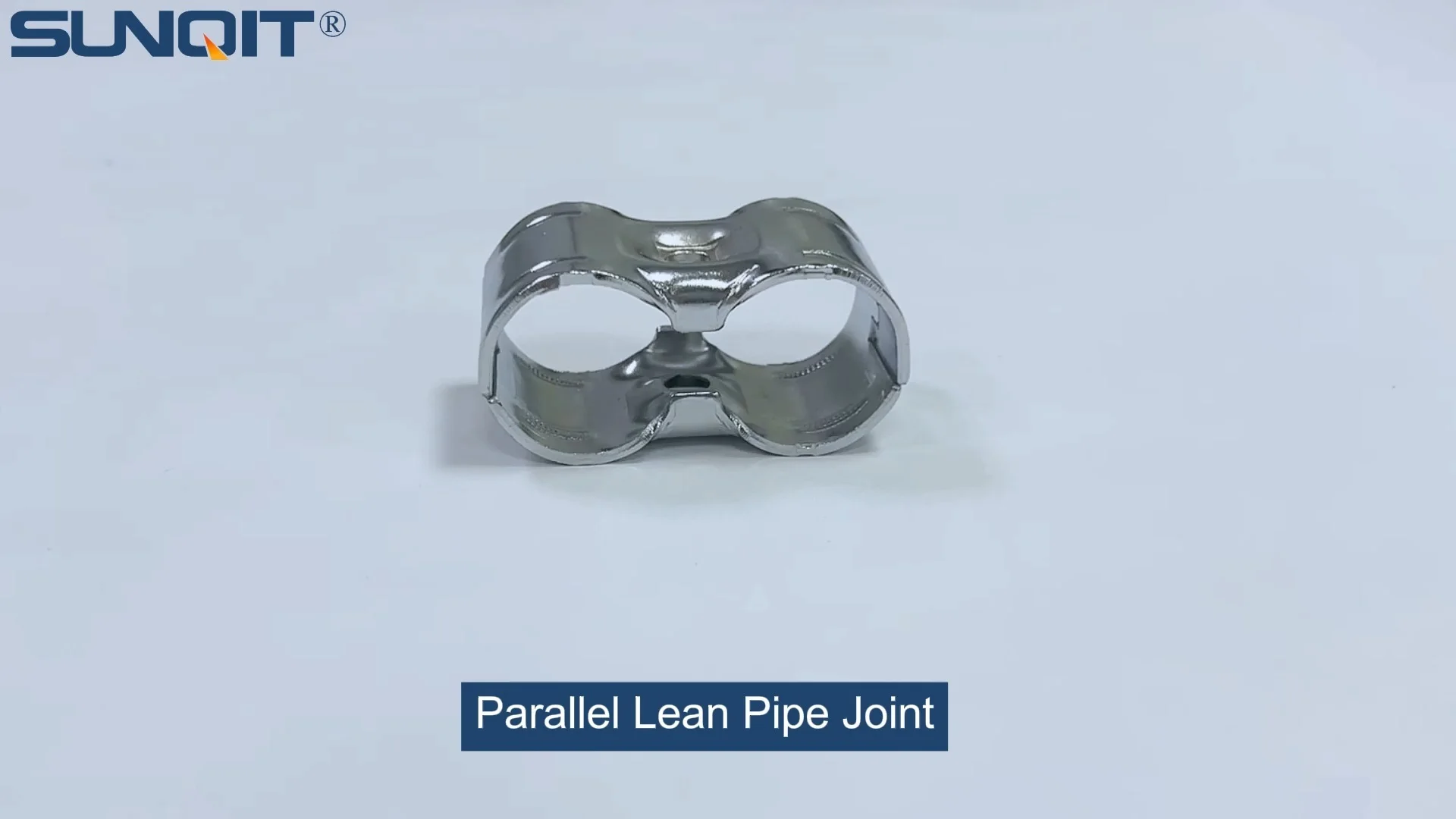
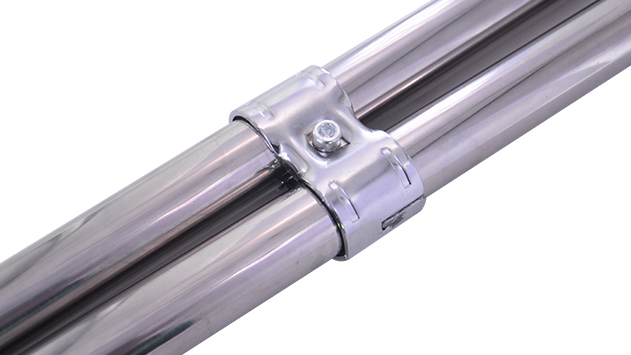
Parallel lean pipe joint used for 2 pcs 28MM lean pipe connection in parallel direction to enhance frame structure, usually for heavy payload requirement for workbench. flow rack, hand trolley.
Walk into any automotive manufacturing plant or parts warehouse, and you'll quickly realize: the backbone of efficient operations isn't just the assembly lines or high-tech machinery—it's how well you store and access the thousands of tiny, critical parts that keep cars rolling off the production floor. From nuts and bolts to complex engine components, every part has a place, and that place needs to be intuitive, flexible, and built to keep up with the relentless pace of automotive production. This is where lean storage solutions step in, and at the heart of many of these systems lies a yet game-changing component: the parallel lean pipe joint chrome .
In this article, we're diving deep into how parallel lean pipe joint chrome transforms automotive parts storage—from chaotic shelves to streamlined racks and shelving that adapt to your needs. We'll explore why this small but mighty joint matters, how it integrates with essential components like flow racks and roller tracks , and why automotive facilities worldwide are swapping rigid, one-size-fits-all storage for lean, modular systems. Whether you're a warehouse manager looking to cut down on retrieval time or an operations director aiming to boost assembly line efficiency, this is your guide to building a storage system that works as hard as your team does.
The Hidden Costs of Outdated Automotive Parts Storage
Before we talk solutions, let's talk about the problems plaguing traditional automotive storage. Walk into a facility still using old steel racks or generic shelving, and you'll spot the red flags immediately:
- Wasted Space: Fixed racks that can't adjust to part sizes—tall shelves for small parts leave vertical space unused, while short shelves cram larger components, risking damage.
- Slow Retrieval: Parts buried behind others, no clear flow, and shelves that require bending or stretching—costing precious minutes per pick, adding up to hours lost daily.
- Lack of Flexibility: When production lines change (and in automotive, they always do), rigid racks can't reconfigure. A new car model means new parts, and new parts often mean buying entirely new storage.
- Durability Issues: Rust from oil or coolant leaks, dents from forklift bumps, and joints that loosen over time—compromising safety and requiring frequent replacements.
- Poor Ergonomics: Workers straining to reach high shelves or kneel for low ones, leading to fatigue and higher injury rates—costing not just in workers' compensation, but in morale.
These aren't just inconveniences—they're bottom-line killers. A study by the Manufacturing Enterprise Solutions Association found that inefficient storage can add up to 20% in unnecessary labor costs for parts handling. For automotive facilities, where margins are tight and production targets are relentless, that's a gap that can't be ignored.
Parallel Lean Pipe Joint Chrome: The Unsung Hero of Modular Storage
Enter the parallel lean pipe joint chrome. At first glance, it's a small, unassuming component—a metal joint with a sleek chrome finish, designed to connect lean pipes (also called "lean tubes") at parallel angles. But don't let its size fool you: this joint is the reason lean storage systems are so adaptable, durable, and efficient. Let's break down why it matters in automotive storage:
Chrome-Plated Durability
Automotive environments are tough—oils, coolants, and constant humidity can corrode lesser materials. Chrome plating adds a hard, corrosion-resistant layer that stands up to spills and wear, ensuring joints don't rust or weaken over time. Unlike painted joints that chip, chrome stays smooth and functional, even in high-traffic areas.
Tool-Free Adjustability
Traditional steel racks require wrenches, bolts, and sometimes even welding to reconfigure. Parallel lean pipe joint chrome? Just twist and lock. Its design lets you adjust pipe angles or add new sections in minutes, so when a new part arrives or a production line shifts, your storage adapts without downtime.
Parallel Precision
In automotive storage, alignment is everything. Crooked racks mean parts slide off, while uneven shelves cause jams in flow systems. The parallel design of these joints ensures pipes stay perfectly aligned, creating level surfaces for roller tracks and flow racks—critical for smooth part movement from storage to assembly line.
But the real magic? How this joint ties together the entire lean storage ecosystem. Pair it with lean pipes (often aluminum or steel), and you've got a framework that can build anything from simple shelves to complex, multi-level flow racks. Add roller tracks, and suddenly parts glide from storage to pick stations with minimal effort. It's modularity at its finest—no more buying "one-size-fits-none" storage; instead, you build exactly what you need, and rebuild it when you don't.
Building Your System: Key Components for Automotive Storage
Parallel lean pipe joint chrome is the backbone, but it takes a team of components to create a fully functional storage system. Let's explore the stars of the show:
1. Flow Racks: Gravity-Powered Efficiency
If you've ever walked through a well-organized automotive parts room, you've seen flow racks in action. These are the sloped shelves where parts slide forward as the front ones are taken—no more reaching to the back. Here's why they're a must:
- FIFO (First-In, First-Out) Compliance: Critical for parts with expiration dates or shelf lives—older parts get used first, reducing waste.
- Ergonomic Picking: Parts rest at waist height, eliminating bending or stretching. Workers can pick with one hand, keeping the other free for scanners or tools.
- Space Maximization: Tightly packed yet accessible, flow racks use vertical space efficiently, holding more parts in the same footprint as traditional shelving.
And yes—parallel lean pipe joint chrome is what makes flow racks adaptable. Need to adjust the slope for heavier parts? Swap out a joint. Add a new lane for a new component? Just connect a few more pipes. No welding, no heavy tools—just quick, easy changes.
2. Roller Tracks: Smooth Sailing for Parts
Roller tracks are the unsung workhorses of lean storage. These tracks, lined with small wheels, let parts glide from storage to assembly lines or between workstations. They're especially valuable for:
- Heavy Parts Handling: Car batteries, brake assemblies, or transmission components—rollers reduce friction, so even 50-pound parts move with a gentle push.
- Assembly Line Integration: Mount roller tracks along the line, and parts arrive exactly where workers need them, when they need them—cutting down on walking time.
- Damage Prevention: No more dragging parts across rough surfaces; rollers protect delicate components like wiring harnesses or plastic trim.
Again, parallel lean pipe joint chrome ensures these tracks stay aligned. Misaligned rollers mean jams, and jams mean downtime. The chrome joints keep tracks straight and secure, even under constant use. Plus, with adjustable angles, you can create custom paths—around corners, up small inclines, or straight to the pick station.
3. Aluminum Profiles: Lightweight Strength
While lean pipes are often steel, many modern systems use aluminum profiles for their frames. Why aluminum? It's lightweight (easier to reconfigure), resistant to corrosion (perfect for damp automotive environments), and strong enough to hold heavy parts. When paired with parallel lean pipe joint chrome, aluminum profiles create a system that's both sturdy and flexible—ideal for workbenches, tool racks, or mobile carts that need to move with production lines.

Traditional vs. Lean: The Numbers Speak for Themselves
| Feature | Traditional Steel Racks | Lean System with Parallel Chrome Joints |
|---|---|---|
| Installation Time | 2-3 days (requires welding/bolting) | 4-6 hours (tool-free assembly) |
| Reconfiguration Cost | $1,000+ (new racks, labor) | $100-$200 (new joints/pipes) |
| Parts Retrieval Time | 3-5 minutes per part | 1-2 minutes per part |
| Durability (Lifespan) | 5-7 years (prone to rust/dents) | 10-15 years (chrome/aluminum resists wear) |
| Worker Satisfaction | Low (straining, inefficiency) | High (ergonomic, less frustration) |
*Based on industry averages for mid-sized automotive parts facilities.
The Bottom-Line Benefits of Lean Storage
At this point, you might be thinking, "This sounds great, but what's the ROI?" Let's break down how lean storage with parallel lean pipe joint chrome impacts your facility's most critical metrics:
Labor Cost Savings
With faster retrieval times (1-2 minutes vs. 3-5), a team of 10 parts pickers can save 15-20 hours per week. At $25/hour, that's $1,500-$2,000 in weekly savings—over $75,000 annually.
Reduced Part Damage
Roller tracks and flow racks cut part damage by up to 30%. For a facility losing $5,000/month to broken parts, that's $18,000 back in your pocket each year.
Flexibility for Change
When production lines retool, you won't need to buy new storage. Reconfiguring a lean system costs 10% of traditional racks, saving $10,000-$20,000 per line change.
Safer Work Environment
Ergonomic design reduces strains and injuries. Workers' compensation claims drop by 25-30%, saving an average of $30,000-$50,000 annually for mid-sized facilities.
Beyond the numbers, there's the intangible benefit of adaptability. In automotive, where consumer demand shifts overnight and new technologies (like electric vehicles) disrupt production, a storage system that can keep up isn't just a nice-to-have—it's a survival tool. With parallel lean pipe joint chrome, you're not just buying racks; you're building a storage infrastructure that grows, changes, and evolves with your business.
Getting Started: Tips for Installing Your Lean Storage System
Ready to make the switch? Here's how to ensure a smooth transition to lean storage:
- Map Your Current Workflow: Walk your facility and note where parts are stored, how they move to assembly lines, and where bottlenecks occur. This will help you design a system that addresses specific pain points.
- Start Small: Don't overhaul everything at once. Pick a high-traffic area (e.g., the brake parts section) and install a small flow rack with roller tracks. Measure performance, get worker feedback, then expand.
- Train Your Team: Even tool-free systems require basic training. Show workers how to adjust joints, reconfigure racks, and maintain roller tracks. Empower them to suggest tweaks—they're the ones using the system daily.
- Partner with a Reputable Supplier: Not all lean pipe joints are created equal. Look for suppliers who specialize in automotive solutions—they'll understand your needs for durability, ESD protection (for electronics), and compliance with safety standards.
- Plan for Growth: Leave extra space in your design. When you add new parts or increase production, you'll want to expand your system without starting from scratch.
Remember: the goal isn't perfection on day one. Lean storage is about continuous improvement. Start with the basics, gather data, and refine as you go. Your first flow rack might not be perfect, but it will be better than what you had—and that's a win.
The Future of Automotive Storage Is Lean
In an industry driven by innovation, your storage system shouldn't be stuck in the past. Parallel lean pipe joint chrome, paired with flow racks, roller tracks, and aluminum profiles, offers a flexible, durable, and cost-effective solution to the chaos of automotive parts storage. It's not just about racks and shelves—it's about building a facility that works smarter, adapts faster, and puts your team's needs first.
So, take a look at your current storage. Is it holding you back, or propelling you forward? If it's the former, it's time to lean in. The joints are small, but the impact? That's enormous.
Your parts deserve better storage. Your team deserves better tools. And your bottom line? It deserves the savings.