- Company Articles
- Products and Technology
- Application Cases
- Parallel Lean Pipe Joint Chrome in Computer Peripheral Manufacturing: Assembly Efficiency

Parallel Lean Pipe Joint Chrome in Computer Peripheral Manufacturing: Assembly Efficiency
Related Product
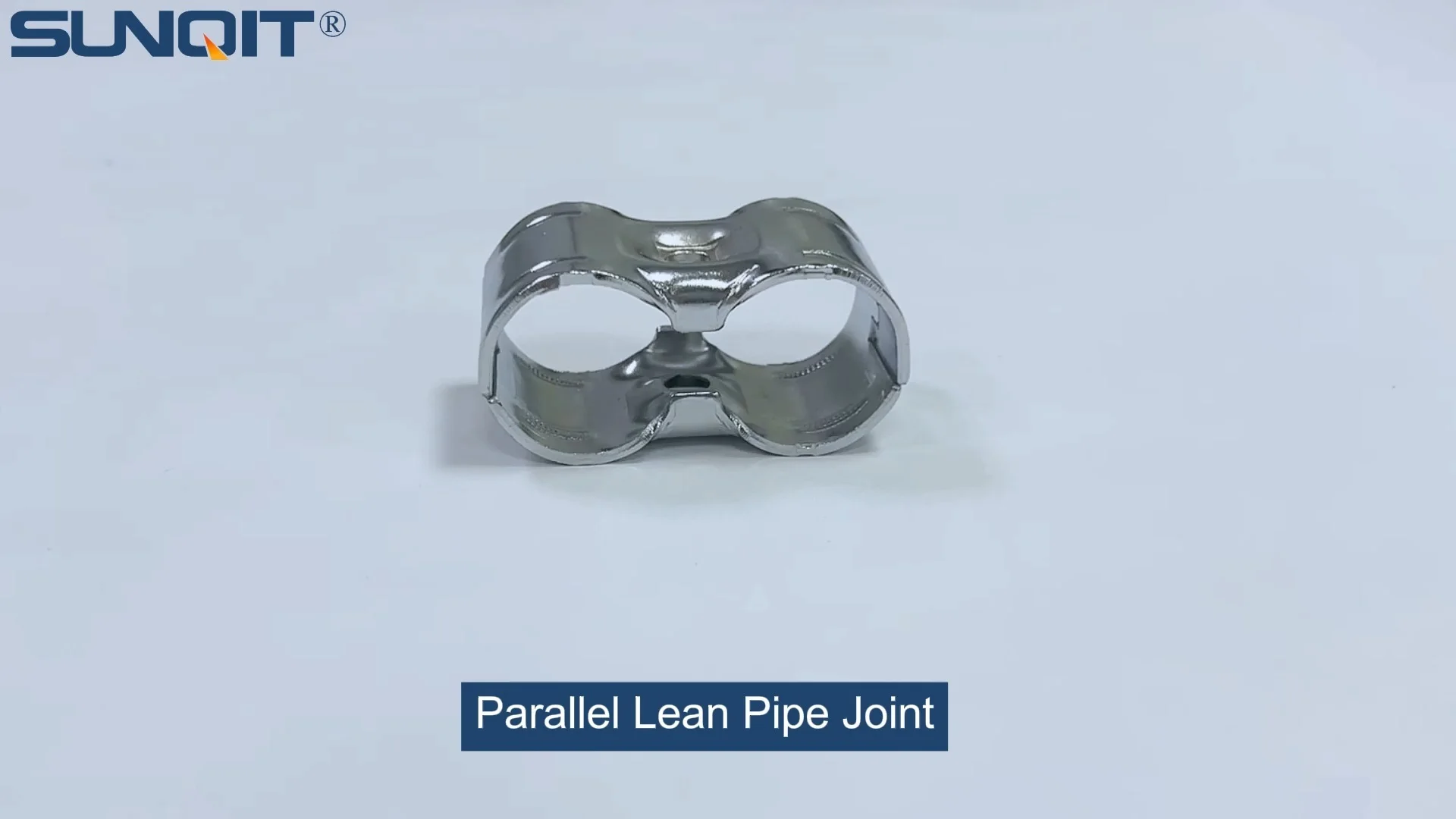
Parallel Lean Pipe Joint Chrome
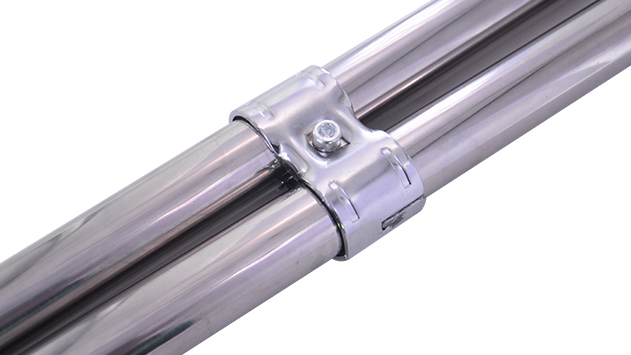
Parallel lean pipe joint used for 2 pcs 28MM lean pipe connection in parallel direction to enhance frame structure, usually for heavy payload requirement for workbench. flow rack, hand trolley.
The Unsung Heroes of Your Desk: Behind the Scenes of Computer Peripheral Manufacturing
Take a quick glance at your desk right now. Chances are, you're surrounded by them: a sleek keyboard clicking under your fingers, a mouse gliding across a pad, a monitor displaying this very article, maybe a printer humming in the corner. These are the unsung workhorses of the digital age—computer peripherals. We rely on them daily, yet few of us stop to wonder: How do these seemingly simple devices come to life? The answer lies in the bustling, intricate world of manufacturing plants, where precision, speed, and organization collide to turn raw materials into the tools we can't live without.
Computer peripheral manufacturing is a high-stakes game. With consumer demands for faster, more durable, and more affordable devices growing by the day, factories face relentless pressure to ramp up production without sacrificing quality. Imagine a facility churning out thousands of wireless mice daily or assembling delicate keyboard switches that must register every keystroke with pinpoint accuracy. Every second counts here. A bottleneck in the assembly line, a disorganized workspace, or a flimsy tool setup can throw off timelines, inflate costs, and leave customers waiting. For workers on the floor, this means navigating crowded workbenches, bending awkwardly to reach materials, or wasting precious minutes adjusting unstable racks—frustrations that add up, affecting both morale and output.
Enter lean manufacturing: a philosophy built on eliminating waste, streamlining workflows, and empowering workers with the right tools. At the heart of this philosophy are flexible, adaptable systems that grow and change with the needs of the line. And among the most critical tools in this toolkit? The humble yet mighty lean pipe system. But not just any lean pipe system—today, we're shining a spotlight on a component that quietly revolutionizes assembly lines: the parallel lean pipe joint chrome. This unassuming connector, with its shiny chrome finish and robust design, is a linchpin in creating the efficient, ergonomic workspaces that make modern manufacturing possible. Let's dive into how it transforms the chaos of production into a symphony of efficiency, one joint at a time.
The Hidden Hurdles: Why Traditional Assembly Lines Struggle
Before we celebrate the solutions, let's first understand the problems. Traditional assembly lines for computer peripherals often feel like relics of a bygone era—rigid, one-size-fits-all setups that resist change. Picture this: A worker assembling keyboard PCBs (printed circuit boards) is hunched over a fixed wooden workbench. The components they need—tiny resistors, capacitors, and switches—are stored in a metal rack across the room, requiring multiple trips each hour. Nearby, a conveyor belt clatters along, its rollers jamming whenever a slightly misaligned part passes through. Up ahead, a material rack sags under the weight of plastic casings, its shelves bowing dangerously. Sound familiar? These are the daily realities of factories stuck in outdated systems, and they're costing time, money, and even employee well-being.
One of the biggest culprits is inflexibility. Computer peripherals come in endless variations—ergonomic keyboards with split designs, gaming mice with customizable buttons, monitors with ultra-thin bezels. Each new model demands tweaks to the assembly process: a taller workbench here, a wider flow rack there, a steeper angle for a conveyor. Traditional setups, built with welded metal or heavy wooden structures, can't keep up. Modifying them means calling in contractors, shutting down the line for days, and spending thousands on custom adjustments. By the time the changes are done, the product design might have shifted again, leaving the factory back at square one.
Then there's the issue of organization. In a typical plant, materials are often scattered: screws in one bin, plastic shells in another, wires tangled in a corner. Workers waste up to 20% of their shift just searching for tools or moving materials—a statistic that would make any operations manager wince. Add to this the risk of damage: delicate components like ESD-sensitive (electrostatic discharge) circuit boards can't just be tossed on a regular shelf. They need specialized workspaces that prevent static buildup, or a single spark could render an entire batch useless. Traditional workbenches rarely account for this, forcing workers to improvise with makeshift static mats or risky workarounds.
Ergonomics, too, is a silent adversary. Many assembly tasks require repetitive motions—inserting keys into a keyboard frame, attaching mouse sensors, or packaging finished products. A workbench that's too high or too low forces workers to strain their backs or wrists, leading to fatigue, injuries, and high turnover. When employees are uncomfortable, they're less focused, slower, and more prone to mistakes. For a factory producing precision devices, even a small error—a misaligned switch, a loose screw—can lead to returns, negative reviews, and lost customers.
These hurdles aren't just inconveniences; they're roadblocks to success. In an industry where margins are tight and competition is fierce, factories can't afford to bleed time or money. What they need is a system that bends without breaking, organizes without chaos, and supports workers without strain. That's where lean pipe systems, and specifically the parallel lean pipe joint chrome, step in.
Lean Pipe Systems: The Backbone of Modern Manufacturing
Lean manufacturing isn't just a buzzword—it's a mindset that puts efficiency and adaptability at the forefront. At its core is the idea that every process, tool, and workspace should serve a purpose; if it doesn't add value, it's waste. Lean pipe systems embody this philosophy perfectly. These systems use lightweight, modular pipes and joints to build everything from workbenches and flow racks to conveyors and trolleys, all designed to be reconfigured in minutes, not days. Think of them as the ultimate building blocks for factories: sturdy enough to handle heavy loads, flexible enough to evolve with production needs, and simple enough for anyone on the floor to adjust.
So, what makes lean pipe systems so special? Let's start with the basics. The pipes themselves are typically made of steel or aluminum, coated in a durable plastic or chrome finish to resist corrosion and wear. They come in standard lengths, but can be easily cut to size for custom setups. The real magic, though, is in the joints—the connectors that hold the pipes together. These joints are the unsung heroes, allowing pipes to be connected at any angle, creating structures that are both strong and supremely adjustable. And among these joints, one stands out for its versatility in parallel setups: the parallel lean pipe joint chrome.
Before we dive into the specifics of this joint, let's zoom out and see how lean pipe systems solve the problems we outlined earlier. Rigidity? Gone. A lean pipe workbench, for example, can be adjusted in height with a few twists of a joint, allowing workers of different sizes to customize their space. Need to add a shelf for extra materials? Just clip on a few more pipes and joints. Waste? Minimized. By organizing materials directly at the point of use—think flow racks that feed components to the assembly line or conveyors that move finished products to packaging—workers spend less time walking and more time building. Ergonomics? Prioritized. Adjustable workbenches, tilting surfaces, and height-specific flow racks reduce strain, keeping workers comfortable and productive.
But lean pipe systems aren't just about hardware—they're about empowering people. In traditional setups, workers are often treated as cogs in a machine, expected to adapt to the line rather than the line adapting to them. With lean systems, the opposite is true. A worker assembling wireless keyboards might notice that a flow rack is too far away, so they grab a few pipes and joints and reposition it themselves—no need to call maintenance or file a request. This sense of ownership boosts morale: when employees feel their input matters, they're more engaged, more creative, and more invested in the quality of their work.
For computer peripheral manufacturing, where products are constantly evolving, this flexibility is a game-changer. Imagine a factory switching from assembling wired mice to wireless models. With a traditional setup, this might require new workbenches, custom racks, and days of downtime. With a lean pipe system? Workers can reconfigure their existing lean pipe workbench in an hour, adjusting the height to accommodate smaller circuit boards, adding a static-dissipative surface for ESD protection, and attaching a mini conveyor to move finished mice to testing. The line is back up and running by lunch, and production targets stay on track.
Now, let's zoom in on the star of the show: the parallel lean pipe joint chrome. This small but mighty connector is what makes much of this flexibility possible. Its design allows for secure, parallel connections between pipes, creating stable structures that can support heavy loads without wobbling. The chrome finish adds durability, resisting rust and wear even in busy factories. But what truly sets it apart is its simplicity: no tools required, no complicated assembly, just a quick twist to lock pipes in place. For workers on the floor, this means they can adjust their setup on the fly, turning a static workspace into a dynamic, ever-evolving environment that keeps pace with the demands of the line.

Meet the Parallel Lean Pipe Joint Chrome: A Connector That Connects the Dots
Let's get up close and personal with the parallel lean pipe joint chrome. At first glance, it might seem like just another metal connector—but looks can be deceiving. This small, unassuming piece is engineered with a purpose: to make lean pipe systems stronger, more flexible, and easier to use than ever before. Let's break down what makes it tick, and why it's become a staple in computer peripheral factories worldwide.
First, the basics: the parallel lean pipe joint chrome is designed to connect two or more lean pipes in parallel, creating stable, horizontal or vertical structures. Unlike traditional welded joints or flimsy plastic connectors, this joint is built to last. Made from high-grade steel with a smooth chrome plating, it resists corrosion, scratches, and the daily wear and tear of a busy factory. Run your finger along its surface, and you'll feel the quality—no rough edges, no loose parts, just a solid, precision-crafted tool that feels like it can handle whatever the line throws at it.
But its real genius lies in its design. The joint features a unique clamping mechanism that grips pipes tightly without damaging them. To assemble, you simply slide the joint onto the end of a lean pipe, position it where you need it, and twist the locking screw. The internal jaws bite into the pipe, creating a connection that's both secure and adjustable. Need to move the joint a few inches to the left? Loosen the screw, reposition, and tighten—done. No welding, no drilling, no waiting for glue to dry. This "tool-less" design is a game-changer for workers, who can reconfigure their setups in minutes instead of hours.
Let's talk about versatility. The parallel lean pipe joint chrome isn't a one-trick pony. It works with a range of pipe sizes, from standard 28mm lean pipes to aluminum or stainless steel variants, making it compatible with most lean systems. Want to build a low-profile flow rack for small keyboard components? Use shorter pipes and parallel joints to create sturdy shelves. Need a tall material rack for storing bulky monitor boxes? Stack pipes vertically with parallel joints to add height without sacrificing stability. The joint adapts to the task, not the other way around.
Strength is another key selling point. Computer peripheral manufacturing involves moving heavy materials—think pallets of plastic keyboard frames or boxes of metal monitor stands. A flimsy joint could mean collapsed racks, damaged goods, or worse, injuries. The parallel lean pipe joint chrome is tested to withstand loads of up to 50kg per connection, making it ideal for everything from lightweight workbenches to heavy-duty storage racks. In one factory we visited, a flow rack built with these joints had been in use for over three years, supporting daily loads of circuit boards and components, with no signs of wear or loosening.
Then there's the chrome finish. Beyond its sleek appearance, chrome plating adds a layer of protection against the elements. Factories are dusty, humid environments, and metal parts can rust over time. The chrome coating acts as a barrier, preventing moisture and debris from corroding the joint. This not only extends the life of the system but also keeps it looking clean—a small detail that matters for worker morale. A shiny, well-maintained workspace feels more professional, and workers take more pride in their environment, leading to better care of tools and materials.
Perhaps the most underrated benefit of the parallel lean pipe joint chrome is its impact on collaboration. In many factories, the assembly line is a team sport: workers pass components to one another, share tools, and problem-solve together. A rigid setup can isolate workers, making it hard to coordinate. With parallel joints, teams can build shared workspaces—like a long lean pipe workbench where two workers can assemble keyboard halves side by side, or a collaborative flow rack that feeds materials to multiple stations. The joint's flexibility fosters communication, turning individual workstations into a cohesive unit.
To put this in perspective, let's compare it to a traditional alternative: the fixed metal bracket. To attach two pipes with a bracket, you need screws, a drill, and possibly a second person to hold the pipes steady. If you make a mistake, you're stuck with a misaligned bracket, or you have to drill new holes, weakening the pipe. With the parallel lean pipe joint chrome, even a new employee can assemble a basic structure in 10 minutes. It's intuitive, forgiving, and designed for real-world use—where time is short and precision is non-negotiable.
Building Better Workspaces: How the Joint Integrates with Key Manufacturing Tools
A single joint is powerful, but its true potential shines when it's part of a larger ecosystem. In computer peripheral manufacturing, the parallel lean pipe joint chrome doesn't work alone—it teams up with other lean tools to create seamless, efficient workflows. Let's explore how it integrates with four essential components: lean pipe workbenches, flow racks, conveyors, and ESD workstations. Together, they form the backbone of a modern assembly line.
Lean Pipe Workbenches: Where Precision Meets Comfort
The workbench is the heart of any assembly station—the place where workers spend most of their shift, piecing together components with steady hands. A well-designed workbench can boost productivity by 30%, while a poorly designed one can grind progress to a halt. Enter the lean pipe workbench, built with parallel lean pipe joints chrome to balance flexibility, ergonomics, and durability.
Imagine a workbench for assembling wireless mice. The surface needs to be large enough to hold the mouse shell, circuit board, battery compartment, and tools, but not so large that materials get lost. With parallel joints, workers can customize the size: add a few extra pipes to widen the surface for bulk assembly days, or shrink it for tight spaces. The height is adjustable, too—crank it up for a tall worker, lower it for someone shorter, ensuring no one strains their back. The joint's secure connection means the workbench won't wobble, even when workers press down to snap components into place.
But it's the little details that make the difference. Attach a small shelf above the workbench using parallel joints to hold instruction manuals or a magnifying glass. Add a pegboard on the side for hanging screwdrivers and pliers, keeping tools within arm's reach. Even the surface can be swapped out: a wooden top for general assembly, a static-dissipative mat for ESD-sensitive work, or a metal grid for attaching bins. The parallel joints make swapping surfaces a breeze—no need to disassemble the entire bench, just loosen a few screws and replace the top.
In one factory we visited, workers had taken customization a step further: they'd added a small conveyor belt (powered by a battery pack) to the end of their lean pipe workbench, using parallel joints to attach it securely. Finished mice rolled off the conveyor and into a testing bin, eliminating the need to bend down and pick up each one. "It used to take me 10 minutes to move a batch of 50 mice to testing," said Maria, an assembly line worker. "Now it takes 30 seconds. I can focus on building, not carrying."
Flow Racks: Keeping Materials Moving, Not Waiting
Materials are the lifeblood of the assembly line, and flow racks are the veins that carry them. A flow rack uses gravity to feed components from the back to the front, ensuring workers always have access to the next part—no more reaching, stretching, or searching. The parallel lean pipe joint chrome is critical here, creating the angled shelves that make gravity work for, not against, the line.
Let's take a keyboard assembly line. The line needs a steady supply of keycaps—small, colorful plastic pieces that snap onto the keyboard frame. A traditional shelf might hold keycaps in a bin, requiring workers to dig through to find the right color or size. A flow rack built with parallel joints, however, can have separate channels for each keycap type: red keys in one lane, blue in another, numbers in a third. The shelves are angled slightly downward, so when the front bin is empty, the next bin slides forward automatically. Workers just reach for the front, and the rack refills itself.
The parallel joints ensure the shelves are angled precisely—too steep, and keycaps might slide out too fast and scatter; too shallow, and they won't move at all. Workers can adjust the angle by loosening the joints, tilting the shelf, and retightening, fine-tuning until the flow is just right. The joints also allow for easy expansion: add a new lane when a new keycap color is introduced, or remove a lane when a model is discontinued. In one factory, a flow rack built with these joints had been modified 12 times in two years, adapting to new products without ever needing replacement.
Conveyors: Bridging the Gaps in Production
Once components are assembled into finished products, they need to move to the next stage—testing, packaging, or shipping. Conveyors are the bridges that connect these stages, and the parallel lean pipe joint chrome plays a key role in building lightweight, customizable conveyor systems.
Not all conveyors are created equal. A heavy-duty industrial conveyor might be overkill for moving small computer mice, while a flimsy plastic conveyor could jam or break. Lean pipe conveyors, built with parallel joints, strike the perfect balance. They're lightweight enough to move around the factory but strong enough to handle daily use. For example, a small roller conveyor built with lean pipes and parallel joints can carry finished keyboards from the assembly workbench to the packaging station. The joints hold the roller tracks in place, ensuring they're aligned smoothly—no more jamming or uneven movement.
What's more, these conveyors are modular. Need to extend the line by 5 feet? Add a few more pipes and joints. Need to curve around a corner? Use swivel joints (paired with parallel joints for stability) to create a gentle bend. In one facility, workers had built a "mini conveyor network" using these joints, with branches leading to different testing stations. If a station got backed up, they simply redirected the flow by adjusting the conveyor's path—all without stopping production.
ESD Workstations: Protecting the Delicate Heart of Peripherals
Many computer peripherals contain ESD-sensitive components, like the microchips in wireless mice or the sensors in touchpads. A single static discharge can fry these components, turning a perfectly good device into scrap. ESD workstations are designed to prevent this, and the parallel lean pipe joint chrome ensures these workstations are both safe and adaptable.
An ESD workstation typically includes a static-dissipative work surface, grounding straps for workers, and storage for ESD-safe tools. With parallel joints, the frame of the workstation can be customized to fit the space: a compact station for a single worker, or a long bench for a team assembling circuit boards. The joints hold the static-dissipative surface securely, and grounding wires can be routed through the pipes, keeping them out of the way but ensuring everything stays grounded.
Perhaps most importantly, ESD workstations built with parallel joints are easy to reconfigure when needs change. If a factory starts producing larger circuit boards for monitors, workers can widen the workstation by adding a few pipes and joints, ensuring there's enough space to work without risking static buildup. "Before, we had a fixed ESD bench that was too small for our new boards," said Raj, a production supervisor. "We had to either buy a new bench or work off the edge, which was risky. With the lean system, we just added two more pipes and parallel joints. The bench was wider in 20 minutes, and we didn't waste a single component."
From Chaos to Order: A Day in the Life of a Transformed Assembly Line
6:00 AM: The Factory Wakes Up
The morning shift at Precision Peripherals, a mid-sized factory outside Austin, Texas, starts at 6:30 AM, but the floor is already buzzing by 6. Maria, a 10-year veteran of the keyboard assembly line, arrives early to set up her station. Two years ago, this would have meant hauling a heavy wooden workbench into place, wrestling with a wobbly material shelf, and crossing her fingers that the static mat was still grounded. Today, she smiles as she approaches her lean pipe workbench—a custom setup she helped design with parallel lean pipe joints chrome. She adjusts the height with a quick twist of a handle, lowering it to her preferred level, then checks the flow rack attached to the side. It's stocked with keycaps, springs, and switches, each in its own labeled bin, angled perfectly so the next bin slides forward as she takes parts. "I used to spend 15 minutes just organizing my station," she says, grabbing a handful of red keycaps. "Now I'm ready to go in 5."
By 6:30, the line is fully operational. The first task of the day is assembling the "Streamline X" wireless keyboard—a new model with slim keycaps and a rechargeable battery. The line has 12 stations, each focused on a specific task: attaching the PCB, inserting key switches, adding keycaps, testing, and packaging. What strikes a first-time visitor is how quiet it is. No clanging metal shelves, no workers shouting over the noise of clunky conveyors. Instead, there's a steady hum of productivity: the soft click of keycaps snapping into place, the gentle roll of components on flow racks, and the occasional laugh as workers pass tools to one another.
At Station 3, where key switches are inserted into the keyboard frame, Javier is in his element. His lean pipe workbench is equipped with a small conveyor, built with parallel joints and roller tracks, that carries empty keyboard frames to him from Station 2. He grabs a frame, positions it under a simple jig (also built with lean pipes), and begins pressing switches into place. "Before, the frames were on a shelf across the line," he says, not looking up from his work. "I'd walk back and forth 20 times an hour. Now the conveyor brings them right to me. I can do 50 more frames a day." The parallel joints holding the conveyor in place are sturdy but unobtrusive, blending into the setup like they've always been there.
By 10 AM, the first wave of Streamline X keyboards reaches the testing station, run by Priya. Her workstation is an ESD-safe zone, with a static-dissipative surface and grounding straps. The workbench, built with parallel lean pipe joints chrome, is wide enough to hold two keyboards at once, and a small flow rack above holds testing tools: a multimeter, a USB tester, and a software loaded laptop. "Static used to be a nightmare," Priya recalls. "We'd lose 5% of boards to ESD damage. Now, with this setup, I haven't had a single fried board in six months. The joints keep everything grounded, and the surface is easy to clean—no more dust buildup that causes static."
Lunch break at 12:30 brings a chance to chat with the team. Over sandwiches, they talk about the recent reconfiguration of the line. Last month, the factory started producing a gaming keyboard with mechanical switches—a bulkier model that required more space. In the old days, this would have meant shutting down the line for a week to install new workbenches. This time, the team spent a single afternoon reconfiguring their existing lean pipe workbenches and flow racks. "We moved the parallel joints to widen the workbenches, added a second level to the flow racks for the bigger switches, and adjusted the conveyors to handle the heavier frames," says Mike, the line supervisor. "By the next morning, we were running the new model. No downtime, no extra cost—just a few hours of teamwork."
The afternoon shift focuses on packaging, and here, the flow racks truly shine. Finished keyboards are placed on a roller conveyor built with parallel joints, which carries them to the packaging station. The conveyor is angled slightly downward, so gravity does the work, and the parallel joints ensure the rollers are aligned perfectly—no jams, no stuck keyboards. At packaging, workers load the keyboards into boxes, which then slide into a larger flow rack for shipping. "Before, we'd stack boxes on the floor, and they'd topple over," says Lina, who runs packaging. "Now the flow rack holds them upright, and the parallel joints keep the shelves from sagging. It's like night and day."
As the shift ends at 3 PM, the team gathers to tally the day's output: 1,200 Streamline X keyboards, 300 gaming keyboards, and zero defects. Two years ago, the daily goal was 800 keyboards, with a defect rate of 3%. "It's not just the numbers," Mike says, looking around at the smiling faces. "It's how we got here. The workers own their stations now. They built these setups with their own hands, using those parallel joints, and they take pride in keeping them running smoothly. When people feel like they're part of the solution, they don't just work harder—they work smarter."
The Bottom Line: How Parallel Lean Pipe Joint Chrome Boosts the Metrics That Matter
At the end of the day, manufacturing is a numbers game. Did we meet production targets? Did we stay within budget? Are our customers happy? The parallel lean pipe joint chrome might seem like a small component, but its impact ripples through every metric that matters. Let's break down the hard data, using Precision Peripherals as a case study, to see how this simple joint transforms the bottom line.
Productivity: More Output, Less Effort
Before implementing lean pipe systems with parallel joints, Precision Peripherals averaged 800 keyboards per day. Two years later, that number has jumped to 1,200—a 50% increase. How? By eliminating waste. Workers spend less time moving materials (down from 20% to 5% of their shift), less time adjusting setups (down from 15 minutes per day to 2), and less time fixing mistakes (defect rates dropped from 3% to 0.5%). The parallel joints make reconfiguration fast, so the line can switch between models without losing momentum. For a factory with a profit margin of $10 per keyboard, that's an extra $4,000 per day—over $1 million per year—straight to the bottom line.
Cost Savings: Less Spending, More Value
Traditional workbenches and racks at Precision cost around $500 each and needed replacement every 2–3 years. Lean pipe workbenches built with parallel joints cost $300 upfront and, thanks to their modular design, can be repaired or reconfigured instead of replaced. Over three years, the factory saved $45,000 on workbench costs alone. Add in savings from reduced material waste (fewer damaged components due to better flow racks), lower energy bills (lean conveyors use less power than traditional models), and reduced labor costs (fewer hours spent on setup), and the total savings top $200,000 annually. "We thought lean was just about productivity," says the plant manager, Sarah. "We didn't realize how much it would save us in the long run."
Worker Satisfaction: Happier Teams, Lower Turnover
High turnover is a plague in manufacturing, with average rates hovering around 30%. At Precision, turnover has dropped to 12% since implementing lean systems. Why? Workers feel empowered. They're no longer stuck with uncomfortable, outdated tools—they help design their workspaces. The ergonomic benefits of adjustable lean pipe workbenches have reduced injuries, with workers' compensation claims dropping by 60%. "When you stop treating people like they're replaceable and start giving them tools that make their jobs easier, they stay," Sarah says. "And experienced workers are more efficient, more careful, and better at training new hires."
| Metric | Before Lean Pipe Systems | After Lean Pipe Systems (with Parallel Joints) | Improvement |
|---|---|---|---|
| Daily Production (Keyboards) | 800 | 1,200 | 50% |
| Defect Rate | 3% | 0.5% | 83% reduction |
| Worker Turnover | 30% | 12% | 60% reduction |
| Setup Time per Shift | 15 minutes | 2 minutes | 87% reduction |
| Annual Cost Savings | N/A | $200,000+ | N/A |
Adaptability: Staying Ahead in a Fast-Changing Market
Computer peripheral trends shift faster than ever—foldable keyboards, RGB-lit mice, eco-friendly packaging. Factories that can't adapt get left behind. Precision's ability to reconfigure lines in hours instead of days has let them capitalize on trends. When wireless charging became a must-have feature, they added a new assembly station in an afternoon, using parallel joints to build a custom workbench and flow rack. Their competitors, stuck with rigid setups, took six weeks to launch a similar product. "We used to be reactive," Sarah says. "Now we're proactive. We can test new models, adjust quickly, and get to market faster. That's the real competitive edge."
Conclusion: The Joint That Connects People, Processes, and Progress
As we've journeyed through the world of computer peripheral manufacturing, one thing has become clear: the parallel lean pipe joint chrome is more than just a tool. It's a symbol of a larger shift in manufacturing—a move away from rigid, top-down systems and toward flexible, people-centered workflows. It's a reminder that the best innovations aren't always the flashiest or the most high-tech; sometimes, they're the ones that empower workers to do their jobs better, faster, and with more pride.
At its core, the parallel lean pipe joint chrome solves a fundamental problem: it bridges the gap between what a factory needs and what its workers need. Factories need efficiency, adaptability, and cost savings. Workers need comfort, organization, and respect. This joint delivers on all fronts, creating workspaces that are both productive and human. It turns assembly lines from places of drudgery into places of collaboration, where workers aren't just cogs in a machine but architects of their own success.
For computer peripheral manufacturers, the message is clear: in a market driven by speed and innovation, flexibility isn't optional—it's survival. The parallel lean pipe joint chrome, paired with lean pipe workbenches, flow racks, and conveyors, provides that flexibility. It lets factories pivot quickly, reduce waste, and build better products. But more than that, it builds better workplaces—where workers are engaged, satisfied, and invested in the outcome. And in the end, that's the greatest metric of all: a factory where people want to work, and where products are made with care.
So the next time you type on your keyboard or click your mouse, take a moment to appreciate the invisible hands that built it—and the tools that helped those hands thrive. The parallel lean pipe joint chrome might not have a spot in the spotlight, but it's there, holding everything together, quietly revolutionizing the way we make the tools that make our digital lives possible. And that, in the end, is the true power of lean manufacturing: it's not just about building better products. It's about building better futures—one joint, one workbench, one satisfied worker at a time.