- Company Articles
- Products and Technology
- Product knowledge
- Parallel Lean Pipe Joint Chrome in Food Processing: Sanitary Design & Applications

Parallel Lean Pipe Joint Chrome in Food Processing: Sanitary Design & Applications
Related Product
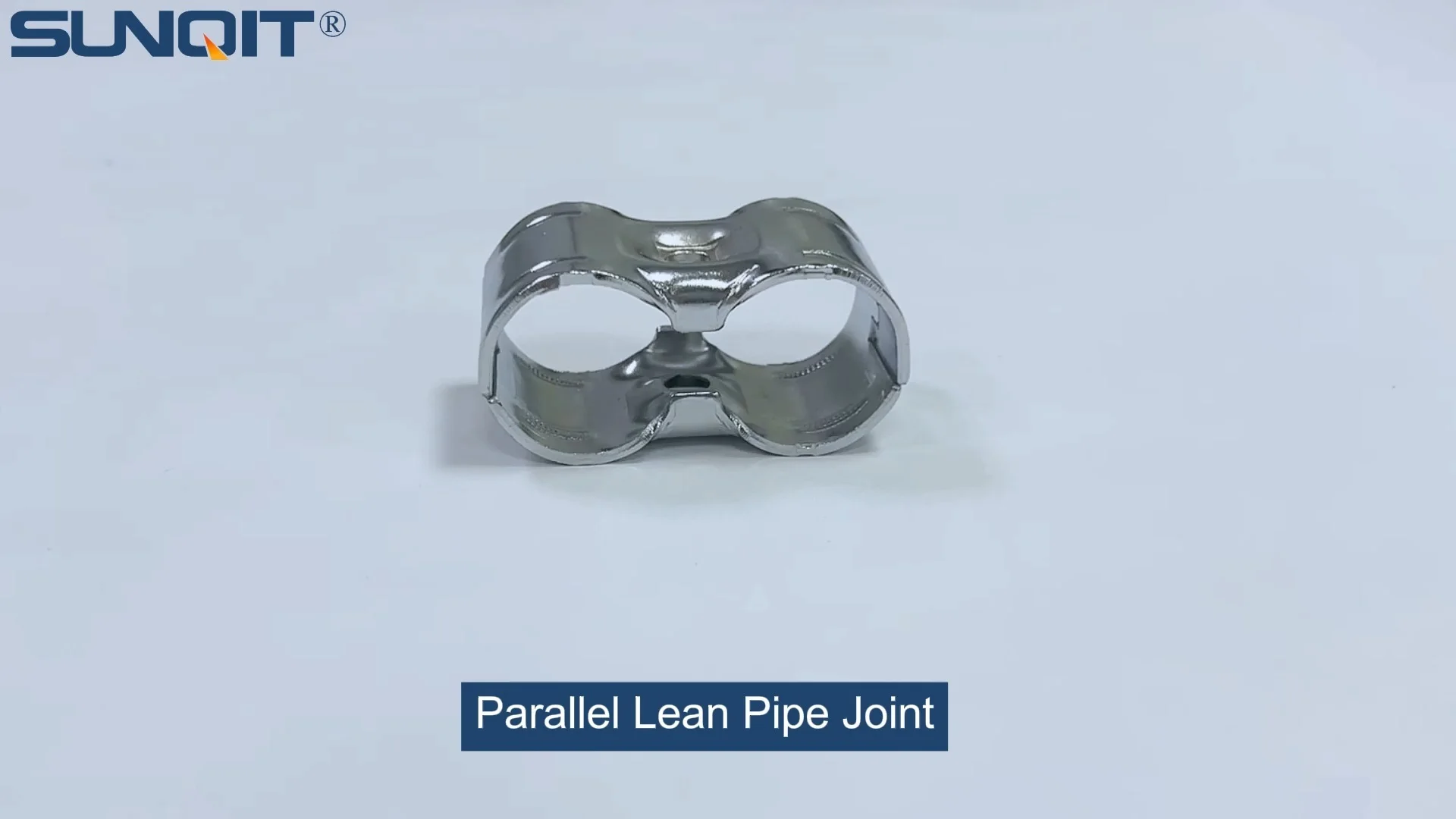
Parallel Lean Pipe Joint Chrome
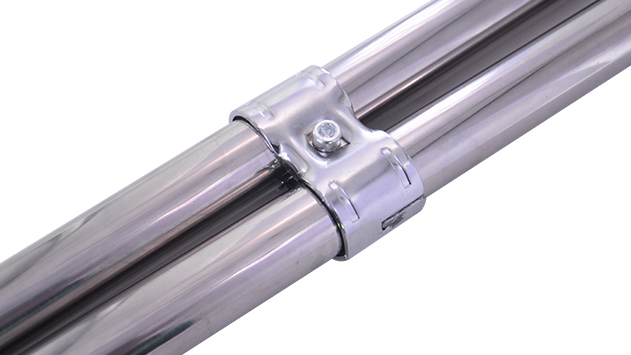
Parallel lean pipe joint used for 2 pcs 28MM lean pipe connection in parallel direction to enhance frame structure, usually for heavy payload requirement for workbench. flow rack, hand trolley.
In the fast-paced world of food processing, where every second counts and cleanliness is non-negotiable, the equipment that forms the backbone of production lines often goes unnoticed—until it fails. From the moment raw ingredients roll in to the final packaging of ready-to-eat products, facilities must juggle two critical priorities: maintaining (strict) sanitation standards to meet FDA and USDA regulations, and keeping operations agile enough to adapt to shifting consumer demands. Enter the parallel lean pipe joint chrome: a seemingly small component that's quietly revolutionizing how food processors build, maintain, and optimize their workspaces. This unassuming joint, paired with durable materials like stainless steel pipe series, is proving to be a game-changer in creating environments that are both hygienic and highly efficient.
The Unique Challenges of Food Processing Facilities
Food processing isn't just about mixing ingredients or cooking—it's a high-stakes dance with regulations, deadlines, and the ever-present risk of contamination. Let's break down the key challenges that make facility design so critical:
- Sanitation Above All: Bacteria, allergens, and cross-contamination are constant threats. Surfaces must withstand daily deep cleaning with high-pressure hoses, caustic sanitizers, and even steam—all while remaining smooth and crevice-free to prevent microbial hideouts.
- Flexibility in Flux: Consumer trends shift fast. A facility might produce 10,000 units of a gluten-free snack one month and switch to a limited-edition holiday flavor the next. Fixed, rigid equipment that can't adapt becomes a liability, wasting time and resources.
- Durability Under Pressure: Production lines run for hours on end, with heavy loads (think 50-pound bags of flour or cases of bottled sauces) moving across workbenches and flow racks. Equipment must stand up to constant use without bending, rusting, or breaking down.
- Cost Efficiency: Tight margins mean every dollar counts. Investing in equipment that's cheap upfront but requires frequent replacement or costly repairs is a losing strategy. Facilities need solutions that balance initial cost with long-term reliability.
Traditional setups—think welded steel workbenches or bolted-down conveyor systems—often fall short here. They're hard to clean, impossible to reconfigure without major overhauls, and prone to rust or damage from harsh cleaning chemicals. This is where modular systems built with parallel lean pipe joint chrome step in, addressing each of these challenges head-on.
What Is a Parallel Lean Pipe Joint Chrome?
At its core, a parallel lean pipe joint chrome is a connecting component designed to link lean pipes (hollow tubes typically made of steel, stainless steel, or aluminum) into modular structures. What sets it apart is its chrome plating—a thin layer of chromium applied to the joint's surface—and its parallel design, which allows for stable, secure connections between pipes at precise angles (often 90 degrees or parallel). But why does this matter for food processing?
Chrome plating isn't just for shine; it's a functional choice. Chromium creates a hard, non-porous surface that resists corrosion, scratches, and chemical damage—perfect for environments where daily sanitizing is the norm. Unlike painted or uncoated steel joints, chrome-plated versions don't chip or peel, ensuring there are no cracks for bacteria to colonize. The parallel design, meanwhile, ensures that pipes align perfectly, reducing gaps where debris could accumulate and making assembly (and disassembly) a breeze—no welding or specialized tools required.
When paired with stainless steel pipe series, these joints form the building blocks of a modular system. Stainless steel, already prized for its corrosion resistance and ease of cleaning, complements the chrome joint's strengths, creating structures that are both robust and inherently sanitary. Together, they offer a level of versatility that traditional materials simply can't match.
Sanitary Design Features of Parallel Lean Pipe Joint Chrome
For food processors, "sanitary design" isn't just a buzzword—it's a legal requirement. The parallel lean pipe joint chrome checks all the boxes, thanks to features engineered with cleanliness in mind:
1. Smooth, Crevice-Free Surfaces
Bacteria love hiding in tiny cracks, and traditional joints—with their welded seams, threaded edges, or rough coatings—are like five-star hotels for microbes. Parallel lean pipe joint chrome, by contrast, is precision-machined to have smooth, rounded edges and a uniform chrome finish. There are no sharp corners, gaps, or recesses where water, food particles, or cleaning solutions can get trapped. Run a gloved hand over one, and you'll feel nothing but a seamless surface—easy to wipe down, easy to sanitize, and impossible for bacteria to call home.
2. Corrosion Resistance That Lasts
Food processing facilities are wet, chemical-intensive environments. Sodium hypochlorite (bleach), quaternary ammonium compounds, and acidic detergents are daily necessities—and they're brutal on metal. Chrome plating acts as a barrier, preventing the underlying steel from reacting with these chemicals. When combined with stainless steel pipe series, which contains chromium and nickel to resist rust, the result is a system that can withstand years of harsh cleaning without degradation. Unlike aluminum, which can pit or corrode when exposed to certain sanitizers, or painted steel, which flakes off, chrome and stainless steel stand strong.
3. Tool-Free Assembly (and Disassembly)
Welded structures are great for permanence, but permanence is the enemy of sanitation. When a welded workbench develops a crack or a joint starts to rust, the entire structure may need to be replaced. Parallel lean pipe joint chrome, however, uses a simple friction-fit or bolt-on design that allows workers to assemble, disassemble, or reconfigure structures in minutes—no welding torches or grinders required. This means if a joint gets damaged, it can be swapped out on the spot, minimizing downtime. It also makes deep cleaning easier: take apart a flow rack, sanitize each pipe and joint individually, then put it back together—no more struggling to clean around fixed corners.
4. Compatibility with Food-Grade Materials
Not all chrome is created equal. Reputable manufacturers ensure their parallel lean pipe joint chrome meets FDA standards for food contact, using plating processes that don't leach harmful chemicals into the environment. When paired with stainless steel pipe series (which is also FDA-approved), the system becomes fully compliant with regulations like the Food Safety Modernization Act (FSMA), giving processors peace of mind during audits.

Materials Matter: Why Chrome Plating and Stainless Steel Pipe Series Are a Winning Combo
A joint is only as good as the pipes it connects. That's why parallel lean pipe joint chrome is often paired with stainless steel pipe series—a combination that amplifies both components' strengths. Let's dive into why this pairing works so well:
Stainless Steel Pipe Series: The Foundation of Sanitary Design Stainless steel is a no-brainer for food processing. Its alloy composition (typically iron, chromium, and nickel) forms a passive oxide layer on the surface, which self-heals when scratched, preventing rust and corrosion. It's also non-porous, so it doesn't absorb food odors or flavors, and it's compatible with all major sanitizers. For example, 304 stainless steel—the most common grade in food processing—resists acids, alkalis, and high temperatures, making it ideal for everything from workbench frames to conveyor rails.
Chrome Joints: The Icing on the Cake While stainless steel pipes provide the structural backbone, chrome-plated joints add an extra layer of protection. Chrome is harder than stainless steel, so it's more resistant to dents and scratches—critical in high-traffic areas where carts, pallets, or heavy equipment might bump into structures. This hardness also means the joint's surface stays smooth over time, maintaining its sanitary properties even after years of use. Plus, chrome's bright, reflective finish makes it easy to spot dirt or residue during visual inspections—no more missing a smudge in a dark corner.
Together, chrome joints and stainless steel pipes create a system that's greater than the sum of its parts: strong enough to support heavy loads, easy to clean, and flexible enough to adapt to any production need.
Real-World Applications in Food Processing
Enough theory—let's talk about how parallel lean pipe joint chrome and stainless steel pipe series are making a difference on the factory floor. Here are three key applications where these components shine:
1. Workbenches: The Heart of Production
Workbenches are where the magic happens—whether it's assembling snack packs, inspecting produce, or labeling jars. Traditional wooden or welded steel benches often have seams, bolts, or rough edges that trap crumbs and moisture. Modular workbenches built with parallel lean pipe joint chrome and stainless steel pipes, however, are a revelation:
- Customizable Heights and Layouts: Need a bench that's 36 inches high for packaging and 42 inches for quality control? No problem. Chrome joints let you adjust leg lengths in minutes, ensuring workers can stand comfortably (reducing fatigue and errors).
- Tool-Free Reconfiguration: Adding a shelf for scales? Attaching a side rail to hold label rolls? Chrome joints snap into place, so you can modify the bench without stopping production.
- Sanitary Surfaces: Top the stainless steel frame with a food-grade cutting board or a smooth plastic laminate, and you've got a surface that wipes clean in seconds. No more scrubbing grout lines or chiseling dried sauce out of cracks.
One dairy processor in Wisconsin recently replaced their old wooden workbenches with these modular setups and reported a 25% reduction in cleaning time—time that's now spent on actually producing cheese instead of scrubbing.
2. Flow Racks: Organizing with Gravity
Flow racks are essential for keeping ingredients and finished products moving efficiently. They use gravity to feed items from the back (where they're stocked) to the front (where workers access them), reducing the need for manual lifting. But traditional bolted racks are fixed in place—if you switch from 10-pound bags to 25-pound buckets, you're out of luck. Modular flow racks built with parallel lean pipe joint chrome solve this:
- Adjustable Shelf Angles and Heights: Chrome joints let you tilt shelves to control how fast items flow (steeper for lightweight packages, gentler for fragile goods). You can also raise or lower shelves to fit taller boxes or stackable crates.
- Easy to Expand: Adding a new lane for a seasonal product? Just snap in a few more stainless steel pipes and joints—no drilling or welding required. One bakery in Texas expanded their flow rack system by 50% in a single afternoon to accommodate holiday cookie tins.
- Sanitary by Design: With no hidden crevices, these racks are a breeze to clean. A quick spray with sanitizer and a wipe-down is all it takes to prevent cross-contamination between batches.
3. Conveyors: Keeping Products Moving
Conveyors are the arteries of a food processing plant, moving everything from raw dough to bottled beverages. Traditional conveyor systems are often permanent, expensive to modify, and hard to clean (think belt conveyors with tight gaps that trap crumbs). Modular conveyors built with parallel lean pipe joint chrome and roller tracks (another key component in lean systems) offer a better way:
- Flexible Paths: Chrome joints connect roller tracks at angles, allowing you to create straight lines, curves, or even U-turns to navigate around equipment. Need to reroute a conveyor to make space for a new mixer? Disassemble the old path and rebuild it in hours, not days.
- Easy Maintenance: If a roller gets stuck, just pop out the chrome joint, replace the roller, and snap the joint back in. No need to shut down the entire line for repairs.
- Sanitary Rollers: Many roller tracks designed for food processing are made of stainless steel or food-grade plastic, and when paired with chrome joints, the entire system is resistant to rust and chemical damage. A snack food manufacturer in California reported a 40% drop in conveyor-related downtime after switching to this setup.
Comparing Traditional vs. Chrome Lean Pipe Joint Systems
| Feature | Traditional Welded Steel Joints | Chrome-Plated Lean Pipe Joints | Aluminum Joints |
|---|---|---|---|
| Sanitation | High risk of crevices; hard to clean around welds | Smooth, crevice-free; resistant to chemicals and bacteria | Smooth but prone to pitting with harsh sanitizers |
| Flexibility | Permanent; cannot be reconfigured | Tool-free assembly; reconfigurable in minutes | Reconfigurable but less durable for heavy loads |
| Durability | Strong but prone to rust if paint chips | Chrome plating resists scratches; stainless steel pipes add longevity | Lightweight but bends under heavy use |
| Maintenance | Costly repairs; requires welding | Easy to replace individual joints; minimal upkeep | Low maintenance but may need frequent tightening |
| Cost (Lifetime) | Low upfront, high long-term (replacement/repairs) | Moderate upfront, low long-term (durable and adaptable) | High upfront, moderate long-term (limited lifespan) |
Case Study: A Bakery's Transformation with Parallel Lean Pipe Joint Chrome
"We used to spend two hours every night scrubbing our old wooden workbenches—now it takes 45 minutes, and we're producing 10% more croissants." That's what Maria Gonzalez, plant manager at Sweet Haven Bakery in Colorado, told us after switching to modular systems built with parallel lean pipe joint chrome and stainless steel pipe series.
Sweet Haven had been struggling with two major issues: their fixed wooden workbenches were impossible to clean thoroughly (leading to frequent mold issues in humid summer months), and their bolted flow racks couldn't be adjusted to fit the taller boxes of organic flour they'd started using. After researching options, they partnered with a lean pipe supplier to install modular workbenches and flow racks.
The results were immediate: Cleaning time dropped by 62.5%, and the bakery could now reconfigure their flow racks in 30 minutes to accommodate different ingredient sizes. During the busy holiday season, they added three extra workbenches in a day to keep up with demand—something that would have taken a week with traditional setups. "The FDA inspector even commented on how clean our lines looked," Gonzalez said. "These joints might seem small, but they've made a huge difference for us."
Maintenance and Longevity: Keeping Chrome Joints in Top Shape
Parallel lean pipe joint chrome is durable, but it's not indestructible. With proper care, these joints can last 10+ years—here's how to keep them performing at their best:
- Stick to Mild Detergents: Avoid abrasive scouring pads or harsh chemicals like muriatic acid, which can strip the chrome plating. Instead, use a soft cloth and a mild, pH-neutral detergent (like dish soap) for daily cleaning.
- Rinse Thoroughly: After sanitizing with bleach or quaternary ammonium, rinse the joints with clean water to prevent chemical buildup, which can dull the chrome over time.
- Check for Loose Joints: During routine inspections, give each joint a gentle tug to ensure it's tight. Loose joints can create gaps where debris collects—plus, they weaken the structure.
- Lubricate Moving Parts (If Applicable): Some chrome joints have rotating components (like swivel connectors). Use a food-grade lubricant (approved by the FDA) to keep these moving smoothly—just a drop or two every few months will do.
- replace Damaged Joints Promptly: If a joint gets a deep scratch or the chrome starts to peel, swap it out immediately. A damaged joint is a sanitation risk and can compromise the entire structure.
Why Choose a Reputable Lean Pipe Supplier?
Not all parallel lean pipe joint chrome products are created equal. Cheap, low-quality joints might have uneven plating, rough edges, or subpar steel cores—all of which can undermine your sanitation efforts. That's why partnering with a trusted lean pipe supplier is critical. Look for suppliers who:
- Provide Material Certifications: Ask for documentation proving the chrome plating meets FDA standards for food contact and that the stainless steel pipe series is 304 or 316 grade (the most corrosion-resistant).
- Offer Samples: A good supplier will send you a sample joint so you can test its smoothness, strength, and resistance to cleaning chemicals before committing.
- Have Experience in Food Processing: Suppliers who specialize in food industry solutions will understand your unique needs (like USDA compliance) and can help you design systems that work for your facility.
Remember: This is an investment in your facility's efficiency and compliance. Cutting corners on joint quality could cost you far more in the long run—whether through failed audits, production downtime, or contamination incidents.
Future Trends: Modular Systems as the New Standard
The food processing industry is evolving, and modular systems built with components like parallel lean pipe joint chrome are at the forefront of this change. Here's why they're becoming the new standard:
- Rise of Small-Batch Production: Consumers want more variety—think artisanal snacks, plant-based alternatives, and regional flavors. Modular systems let facilities switch between products quickly, without investing in new equipment for every trend.
- Sustainability Goals: Traditional welded equipment often ends up in landfills when it's no longer needed. Modular components, by contrast, can be disassembled, reused, or repurposed—reducing waste and lowering your carbon footprint.
- Worker Safety and Ergonomics: OSHA regulations around ergonomics are getting stricter, and modular workbenches allow for easy adjustments to fit workers of all sizes, reducing injuries and improving morale.
As one industry report put it: "The future of food processing is flexible, and flexible systems start with components like parallel lean pipe joint chrome."
Conclusion: Small Joints, Big Impact
In the grand scheme of food processing, the parallel lean pipe joint chrome might seem like a minor detail. But as we've seen, it's a detail that matters—a lot. By combining smooth, sanitary design with unbeatable flexibility, these joints, paired with stainless steel pipe series, are helping facilities meet the dual demands of strict sanitation and agile production.
Whether you're running a small bakery or a large-scale meat processing plant, the message is clear: modular systems built with high-quality components are no longer a luxury—they're a necessity. So the next time you're designing or upgrading your facility, don't overlook the power of the parallel lean pipe joint chrome. It just might be the key to unlocking a more efficient, more hygienic, and more profitable operation.