- Company Articles
- Products and Technology
- Application Cases
- Parallel Lean Pipe Joint Chrome in Medical Device Manufacturing: Hygiene & Efficiency

Parallel Lean Pipe Joint Chrome in Medical Device Manufacturing: Hygiene & Efficiency
Related Product
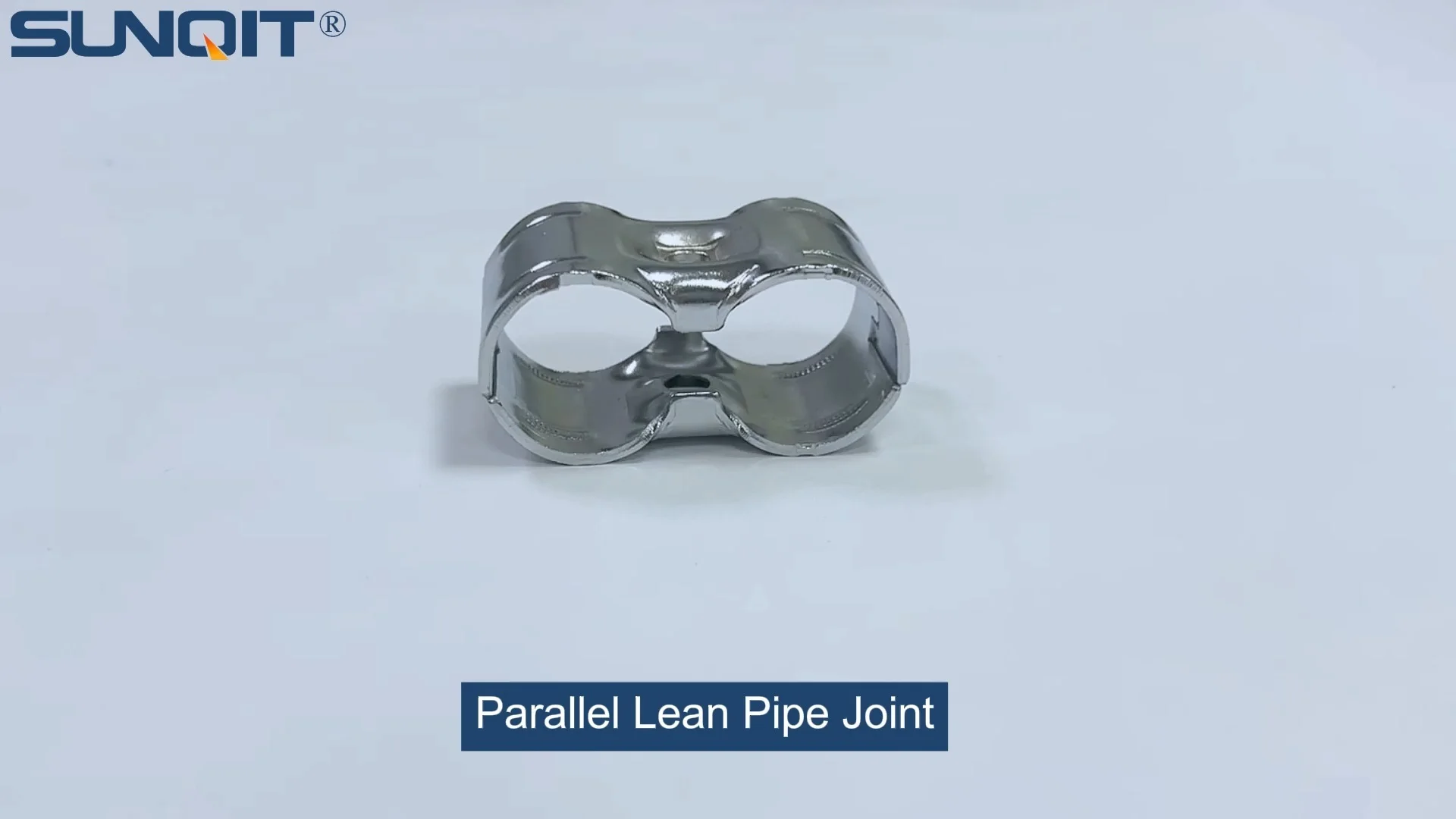
Parallel Lean Pipe Joint Chrome
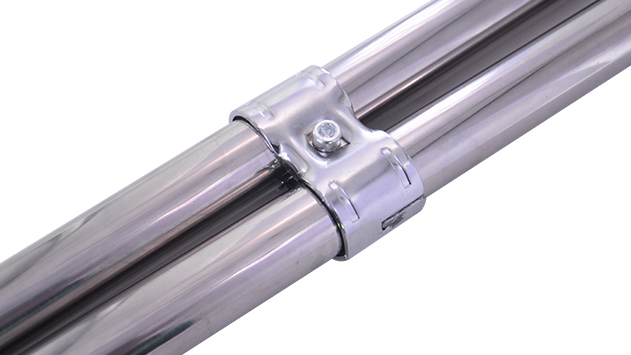
Parallel lean pipe joint used for 2 pcs 28MM lean pipe connection in parallel direction to enhance frame structure, usually for heavy payload requirement for workbench. flow rack, hand trolley.
In the world of medical device manufacturing, where precision can mean the difference between life and death, every component of the production process matters. From the smallest screw in a pacemaker to the assembly line that brings it all together, reliability, cleanliness, and efficiency aren't just buzzwords—they're non-negotiable. That's where lean manufacturing systems step in, and at the heart of many of these systems lies an unsung hero: the parallel lean pipe joint chrome. While it might not grab headlines like cutting-edge robotics or AI-driven quality control, this unassuming component plays a critical role in balancing two of the industry's biggest priorities: hygiene and efficiency. Let's dive into how this simple yet sophisticated joint, paired with other lean system components, is transforming medical device production floors.
The High Stakes of Medical Device Manufacturing
Before we unpack the specifics of parallel lean pipe joint chrome, let's ground ourselves in why medical device manufacturing is such a unique challenge. Unlike consumer goods, where minor defects might lead to customer frustration, a flaw in a medical device can have catastrophic consequences. Take, for example, a surgical instrument with a microscopic crevice that traps bacteria—that could lead to post-operative infections. Or a diagnostic machine with inconsistent part alignment, resulting in inaccurate test results. For these reasons, regulatory bodies like the FDA (Food and Drug Administration) and ISO (International Organization for Standardization) enforce stringent standards for cleanliness, traceability, and process control.
On top of hygiene, efficiency is equally pressing. Medical device companies operate in a fast-paced environment, where demand for life-saving equipment can spike overnight (as we saw during the COVID-19 pandemic). Production lines need to adapt quickly to new product designs, scale up or down based on demand, and minimize downtime—all while maintaining the highest quality standards. This is where lean manufacturing principles come into play. Lean systems are designed to eliminate waste, streamline workflows, and create flexible, adaptable production environments. And at the core of these systems are modular components that can be reconfigured on the fly—components like lean pipes, joints, workbenches, and material racks.
Lean Systems: The Backbone of Modern Medical Manufacturing
Lean manufacturing, born from the Toyota Production System, has revolutionized industries from automotive to aerospace, and medical device manufacturing is no exception. At its core, a lean system is about creating value for the customer while reducing waste—whether that waste is time, materials, or inefficient movement. In medical manufacturing, this translates to assembly lines that flow smoothly, workstations tailored to specific tasks, and material handling systems that minimize human error and contamination risks.
But lean systems in medical manufacturing can't just be about speed; they must also prioritize compliance. Surfaces must be easy to sanitize, materials must resist corrosion from harsh cleaning agents, and components must be durable enough to withstand repeated sterilization cycles. This is where the choice of materials and components becomes critical. Enter parallel lean pipe joint chrome—a component that checks all these boxes and more.
Parallel Lean Pipe Joint Chrome: A Closer Look
Let's start by breaking down what a parallel lean pipe joint chrome is, and why it's become a staple in medical device production. At its simplest, a lean pipe joint is a connector that joins lean pipes (hollow tubes, often made of steel or aluminum) to build structures like workbenches, material racks, conveyors, and assembly lines. The "parallel" designation means it's designed to connect pipes that run parallel to each other, creating stable, horizontal or vertical frameworks. The "chrome" coating is the secret sauce here—and it's a game-changer for hygiene.
Hygienic by Design
In medical manufacturing, cleanliness isn't optional. Surfaces must be non-porous, resistant to bacterial growth, and easy to wipe down with disinfectants like alcohol or hydrogen peroxide. Chrome plating delivers on all three fronts. Chromium is a naturally corrosion-resistant metal, and when applied as a plating to steel joints, it creates a smooth, non-porous surface that leaves nowhere for bacteria or debris to hide. Unlike painted or uncoated metal joints, which can chip, scratch, or develop cracks over time, chrome plating is durable and maintains its integrity even after repeated cleaning.
Here's why that matters: Consider a workbench used to assemble insulin pumps. Every surface—from the tabletop to the joints holding the frame together—must be sanitized multiple times a day. A joint with a rough, uncoated surface might trap tiny particles of dust or residue, which could then transfer to the device. Over time, these particles could harbor bacteria, putting patients at risk. With a chrome-plated joint, the smooth surface allows disinfectant wipes to glide over it, leaving no for contamination. It's a small detail, but in a field where sterility is paramount, small details save lives.
Durability That Stands Up to the Rigors of Medical Manufacturing
Medical device production lines run around the clock, and the equipment they use takes a beating. Joints are subjected to constant stress—from the weight of materials on racks to the vibration of conveyors, to the regular movement of workbenches and trolleys. A weak joint can lead to wobbly structures, which not only slow down production but also increase the risk of accidents or product damage.
Parallel lean pipe joint chrome is built to withstand this stress. The chrome plating adds a layer of hardness to the underlying steel, making the joint more resistant to scratches, dents, and wear. This durability means fewer replacements over time, reducing downtime and maintenance costs. For example, a material rack used to store sterile surgical tools might hold hundreds of pounds of equipment daily. A chrome-plated joint ensures the rack remains stable, even after years of use, preventing costly (and dangerous) collapses.
Flexibility: The Lean Advantage
One of the biggest benefits of lean systems is their flexibility—and parallel lean pipe joint chrome is no exception. These joints are designed for quick assembly and disassembly, using simple tools like hex keys. This means production managers can reconfigure workstations or material racks in hours, not days, to adapt to new product lines or changing demand.
Imagine a facility that manufactures both syringes and IV catheters. Syringe assembly might require a low workbench with integrated lighting, while IV catheter assembly needs extra storage for small components. With parallel lean pipe joints, the same basic lean pipes can be rearranged to build either workstation—no need for custom-built furniture or expensive renovations. This flexibility is a lifesaver in an industry where product cycles are short and innovation is constant.

Integration with Workbenches and ESD Workstations
No component in a lean system works in isolation, and parallel lean pipe joint chrome is no different. Its true power shines when paired with other lean components, like workbenches and ESD workstations. Let's explore how these combinations enhance both hygiene and efficiency in medical manufacturing.
Workbenches: The Heart of Assembly
A workbench is where the magic happens in medical device assembly. It's where technicians spend hours piecing together intricate components, from pacemaker batteries to surgical staplers. The design of the workbench directly impacts both productivity and cleanliness. Using parallel lean pipe joint chrome to build workbenches offers several advantages:
- Customization: Workbenches can be tailored to the height, width, and layout needed for specific tasks. For example, a technician assembling small hearing aids might need a compact workbench with built-in tool holders, while someone assembling larger diagnostic equipment could benefit from a longer bench with extra storage.
- Cleanability: When paired with non-porous tabletop materials (like stainless steel or ESD-safe laminates), chrome-plated joints ensure the entire workbench is easy to sanitize. There are no gaps between the frame and the tabletop where debris can accumulate, and the smooth chrome surface resists staining from cleaning agents.
- Ergonomics: Lean systems prioritize reducing worker fatigue, and adjustable workbenches are a key part of that. Using parallel lean pipe joints, workbenches can be raised or lowered (with the addition of height-adjustable legs) to fit technicians of different heights, reducing the risk of repetitive strain injuries.
ESD Workstations: Protecting Sensitive Electronics
Many medical devices, from heart monitors to insulin pumps, rely on sensitive electronic components. Static electricity can damage these components, leading to device malfunctions or failures. That's where ESD (Electrostatic Discharge) workstations come in. ESD workstations are designed to (ground) static charges, preventing them from building up on surfaces or tools.
Parallel lean pipe joint chrome plays a role here, too. While the joints themselves aren't conductive, they can be paired with ESD-safe lean pipes and tabletop materials to create a fully grounded workstation. For example, aluminum lean pipes (which are conductive) can be connected with chrome-plated joints, and the entire structure can be grounded via a wrist strap or floor mat. This ensures that any static charge generated by a technician's movements is safely dissipated, protecting the delicate electronics being assembled.
What's more, the modularity of lean systems means ESD workstations can be easily upgraded or modified. If a new device requires additional ESD protection (like ionizers to neutralize airborne static), the workstation can be reconfigured with new components—all connected via parallel lean pipe joints—without replacing the entire setup.
How Parallel Lean Pipe Joint Chrome Compares to Other Materials
To truly appreciate the value of parallel lean pipe joint chrome, it helps to compare it to other common joint materials used in manufacturing. Let's take a look at how it stacks up against standard steel joints, plastic joints, and even stainless steel pipe series components.
| Joint Type | Material | Corrosion Resistance | Cleanability | Assembly Time | Cost (Relative) |
|---|---|---|---|---|---|
| Parallel Lean Pipe Joint Chrome | Chrome-plated steel | High (resists rust and chemicals) | Excellent (smooth, non-porous surface) | Fast (tool-free or simple hex key assembly) | Moderate |
| Standard Steel Joint (Uncoated) | Plain steel | Low (prone to rust) | Poor (rough surface traps debris) | Fast | Low |
| Plastic Joint | Nylon or ABS | High (resists chemicals) | Good (smooth, but can scratch) | Very fast (snap-fit design) | Low |
| Stainless Steel Joint (Stainless Steel Pipe Series) | Stainless steel | Very high (excellent corrosion resistance) | Excellent (smooth, non-porous) | Slow (requires welding or specialized tools) | High |
As the table shows, parallel lean pipe joint chrome strikes a balance between performance and practicality. While stainless steel joints (from the stainless steel pipe series) offer excellent corrosion resistance, they're often more expensive and require specialized tools to assemble—making them less flexible for lean environments. Plastic joints are cheap and easy to assemble, but they lack the durability needed for heavy-duty medical manufacturing. Standard steel joints are affordable but fail the hygiene test due to poor corrosion resistance and cleanability. Chrome-plated joints, on the other hand, offer high corrosion resistance, easy cleanability, fast assembly, and moderate cost—making them ideal for medical device production lines that need to balance compliance, efficiency, and budget.
Real-World Impact: A Case Study
To put this in perspective, let's look at a real-world example of how parallel lean pipe joint chrome transformed a medical device manufacturing facility. Consider a mid-sized company that produces orthopedic implants, such as knee and hip replacements. Prior to implementing a lean system, their production line was plagued by two issues: frequent contamination incidents and slow changeover times between product models.
The old assembly line used wooden workbenches and metal racks with uncoated steel joints. Over time, the wood had become porous and difficult to sanitize, and the steel joints were rusting in spots despite regular cleaning. Changeovers—switching from assembling knee implants to hip implants—took 8 hours, as workers had to disassemble and rebuild workstations from scratch.
The company decided to invest in a lean system centered around parallel lean pipe joint chrome, aluminum lean pipes, and stainless steel tabletops. Here's what happened next:
- Contamination incidents dropped by 75%: The smooth, chrome-plated joints and stainless steel tabletops were easier to sanitize, and there were no gaps or porous surfaces for bacteria to hide. Audits from regulatory bodies showed improved compliance with ISO 13485 (the international standard for medical device quality management).
- Changeover times were cut to 2 hours: Using modular lean components, workers could quickly reconfigure workstations by (loosening) the chrome-plated joints, rearranging the pipes, and securing them again. This meant the company could produce smaller batches of specialized implants without sacrificing efficiency.
- Worker satisfaction increased: The adjustable workstations reduced fatigue, and the clean, organized environment boosted morale. Turnover rates dropped by 30% in the first year.
This case study highlights a key point: parallel lean pipe joint chrome isn't just a component—it's a catalyst for positive change in medical manufacturing. By addressing both hygiene and efficiency, it helps companies meet regulatory standards while also improving their bottom line.
Future Trends: Where Lean Systems in Medical Manufacturing Are Headed
As medical device technology advances, so too will the demands on manufacturing systems. Here are a few trends that will shape the role of parallel lean pipe joint chrome and lean systems in the years to come:
Increased Focus on Sustainability
Manufacturers are under growing pressure to reduce their environmental footprint. Lean systems, with their emphasis on reducing waste, are naturally aligned with sustainability goals. Parallel lean pipe joint chrome supports this by being reusable—joints and pipes can be disassembled and repurposed for new structures, reducing the need for new materials. Additionally, chrome plating processes are becoming more eco-friendly, with companies adopting trivalent chrome plating (which uses less toxic chemicals) over traditional hexavalent chrome.
Integration with Automation
Automation is becoming more common in medical manufacturing, from robotic arms assembling devices to AI-driven quality control systems. Lean systems will need to adapt to work seamlessly with these technologies. Parallel lean pipe joint chrome's flexibility makes it ideal for this—workstations can be designed to accommodate robots, and material racks can be positioned to feed automated conveyors. The durability of chrome-plated joints ensures these structures can withstand the vibration and precision required by automation.
Enhanced Traceability
Regulatory bodies are increasingly requiring full traceability of components throughout the manufacturing process. While this is more about software and data systems, lean hardware can play a role. For example, workstations built with parallel lean pipe joints can be equipped with RFID tags or barcode scanners to track which components are assembled where, and when. The modular design makes it easy to add these technologies without overhauling the entire system.
Conclusion: The Unsung Hero of Medical Manufacturing
In the high-stakes world of medical device manufacturing, success hinges on the ability to deliver safe, reliable products efficiently. Parallel lean pipe joint chrome might not be the most glamorous technology in the factory, but it's a workhorse that makes this possible. Its hygienic design, durability, and flexibility address the unique challenges of the industry—from strict regulatory compliance to the need for rapid adaptation.
As we've seen, this simple joint is more than just a connector; it's a building block for lean systems that prioritize both people and patients. It helps manufacturers create environments where technicians can work efficiently, where contamination risks are minimized, and where innovation can thrive. In the end, that's what medical device manufacturing is all about: improving lives, one well-built component at a time.
So the next time you hear about a life-saving medical device, remember the unsung heroes behind it—like the parallel lean pipe joint chrome—that ensure it's made with the care, precision, and efficiency it deserves.