- Company Articles
- Products and Technology
- Solution
- Parallel Lean Pipe Joint Chrome in Renewable Energy Manufacturing: Assembly Solutions

Parallel Lean Pipe Joint Chrome in Renewable Energy Manufacturing: Assembly Solutions
Related Product
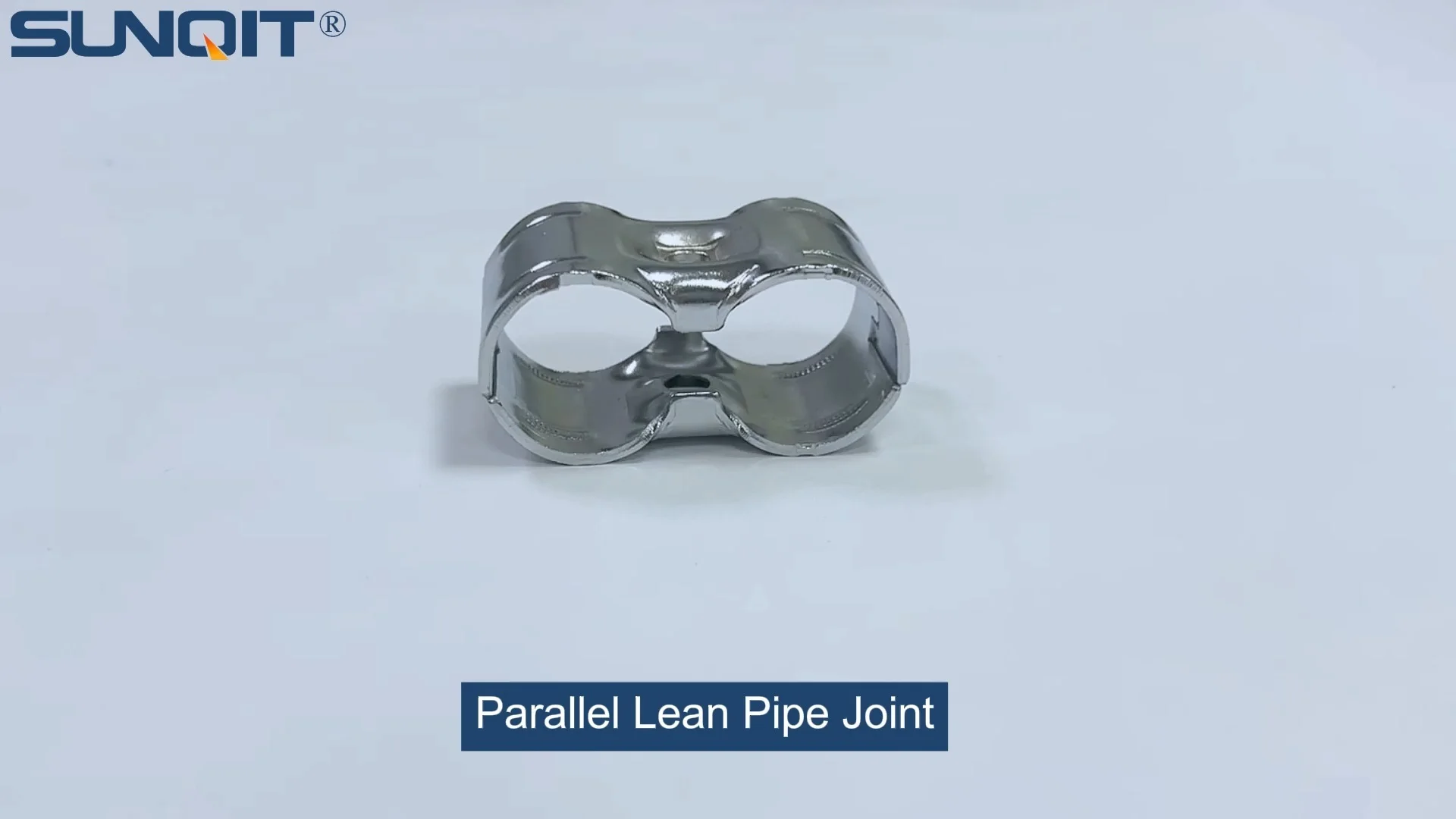
Parallel Lean Pipe Joint Chrome
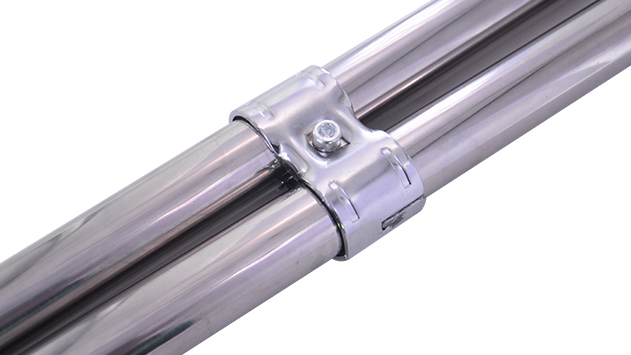
Parallel lean pipe joint used for 2 pcs 28MM lean pipe connection in parallel direction to enhance frame structure, usually for heavy payload requirement for workbench. flow rack, hand trolley.
The Renewable Energy Boom: Why Manufacturing Efficiency Matters More Than Ever
In recent years, renewable energy has shifted from a "nice-to-have" to a global imperative. Solar panels, wind turbines, and battery storage systems are rolling off production lines at unprecedented rates, driven by the urgent need to reduce carbon footprints and transition to sustainable energy sources. But here's the thing: scaling renewable energy manufacturing isn't just about making more products—it's about making them smarter . Factories are under pressure to cut waste, adapt to evolving designs, and keep up with fluctuating demand—all while maintaining the precision these high-tech products require.
This is where lean manufacturing systems step in. For decades, lean principles have been the backbone of efficient production, but in renewable energy, their role is even more critical. These aren't just assembly lines; they're ecosystems where every component, every workflow, and every tool must align to minimize downtime, reduce material waste, and empower workers to focus on what matters: building reliable, high-quality energy solutions. And at the heart of many of these lean systems? Components like the Parallel Lean Pipe Joint Chrome —small, unassuming parts that make a big difference in how manufacturing teams operate day in and day out.
What Is Parallel Lean Pipe Joint Chrome, and Why Does It Stand Out?
At first glance, a lean pipe joint might seem like just another piece of hardware. But for anyone who's worked on a manufacturing floor, the difference between a generic joint and a high-quality one like the Parallel Lean Pipe Joint Chrome is night and day. Let's break it down: these joints are the "connectors" that hold together lean pipe systems—modular structures used to build everything from workbenches and material racks to flow rails and assembly stations. What makes the chrome-plated version unique?
First, durability. Renewable energy manufacturing floors are busy places: heavy components, constant movement, and exposure to dust, oils, and sometimes even humidity (especially in facilities near coastal wind farms or solar installations). The chrome finish isn't just for looks—it forms a protective barrier against corrosion and wear, ensuring the joints hold tight even after years of use. For teams tired of replacing loose or rusted joints every few months, this alone is a game-changer.
Then there's adaptability. Renewable energy products rarely stay the same for long. Solar panel sizes evolve to capture more sunlight; wind turbine components get lighter and more aerodynamic. A rigid, fixed assembly line can't keep up—but a system built with parallel lean pipe joints can. These joints are designed for quick adjustments: loosen a bolt, reposition the pipe, tighten it back up, and you've got a whole new configuration. No welding, no cutting, no waiting for maintenance crews. For example, when a solar manufacturer switches from 60-cell to 72-cell panels, their workbenches can be widened in hours, not days, keeping production on track.
Building a Lean Ecosystem: How Parallel Lean Pipe Joint Chrome Works with Key Components
A single joint is powerful, but its true value shines when paired with other lean components. Let's walk through how it integrates with the tools renewable energy manufacturing teams rely on daily:
1. Lean Pipe Workbenches: The Heart of Assembly
Every solar panel, wind turbine blade, or battery module starts on a workbench. But not just any workbench—one that's height-adjustable, sturdy enough to support heavy tools, and flexible enough to accommodate different assembly steps. Here's where parallel lean pipe joints shine. By connecting aluminum or steel lean pipes, teams can build custom workbenches with exactly the right width, depth, and shelf placement. The chrome joints ensure the structure stays stable even when technicians are torquing bolts or testing components, reducing vibration and improving precision.
Take, for example, a battery pack assembly station. Workers might need a flat surface for soldering, a lower shelf for tools, and a raised rail to hold wiring harnesses. With parallel joints, the workbench can be tweaked to fit each technician's height (cutting down on fatigue) and reconfigured if the battery design changes. No more one-size-fits-all workbenches that leave half the team straining or wasting time reaching for tools.
2. Aluminum Profiles: Lightweight Strength for Modular Design
Aluminum profiles have become a staple in lean manufacturing, and for good reason: they're lightweight, strong, and infinitely customizable. When paired with parallel lean pipe joints, they create systems that are both rigid and flexible. For instance, aluminum guide rails (like Aluminum Guide Rail A or B) are often used to build flow racks for moving materials between stations. The parallel joints connect these rails to vertical supports, ensuring the rack stays level even when loaded with heavy solar inverters or wind turbine gearboxes.
What's more, aluminum's natural resistance to corrosion complements the chrome joints, making the entire system ideal for cleanrooms or facilities with strict hygiene standards (like battery manufacturing, where dust can damage sensitive electronics). Teams report that switching from steel pipes to aluminum profiles with parallel chrome joints has reduced the weight of their material racks by up to 30%, making them easier to move and reposition—all without sacrificing strength.
3. Flow Racks and Roller Tracks: Keeping Materials Moving
In renewable energy manufacturing, "flow" is everything. Parts need to move smoothly from storage to assembly to testing, with minimal handling. Flow racks, built using roller tracks and parallel lean pipe joints, make this possible. Imagine a wind turbine factory where gearbox components are stored on a 3-row, 3-floor material rack (like Material Rack B). The roller tracks, connected via chrome joints, let parts glide forward as the front bin is emptied, ensuring the next part is always within reach—no more walking back and forth to fetch components.
Even small details matter here. Take swivel roller balls (1 inch or 0.5 inch sizes) or plastic roller track guide rails (yellow or grey). These components rely on stable mounting to keep materials moving straight and steady. Parallel lean pipe joints provide that stability, ensuring the rails don't shift under load. For a solar panel manufacturer, this means glass sheets or aluminum frames glide onto the assembly line without jamming or scratching—critical for maintaining product quality.
4. Conveyors: Streamlining the Production Line
From belt conveyors moving solar cells to roller conveyors transporting wind turbine nacelles, these systems keep production flowing. But conveyors need sturdy supports, and that's where parallel lean pipe joints come in. They're used to build the frames that hold conveyor tracks in place, ensuring alignment and reducing vibrations that could damage delicate components (like the thin silicon wafers in solar panels). And because the joints are adjustable, conveyor heights can be fine-tuned to match the ergonomics of the assembly line—lower for manual tasks, higher for automated robots—keeping workers safe and efficient.
Key Benefits of Parallel Lean Pipe Joint Chrome in Renewable Energy Manufacturing
| Benefit | Impact on Renewable Energy Production |
|---|---|
| Corrosion Resistance (Chrome Finish) | Extends system lifespan in humid or coastal manufacturing environments, reducing replacement costs. |
| Tool-Free Adjustments | Enables rapid reconfiguration for new product designs (e.g., larger solar panels, smaller wind turbine parts). |
| High Load Capacity | Safely supports heavy components like battery packs or wind turbine hubs without bending or warping. |
| Compatibility with Lean Components | Works seamlessly with aluminum profiles, roller tracks, and conveyors for a fully integrated system. |
| Reduced Downtime | Minimizes maintenance needs, keeping assembly lines running during critical production deadlines. |
Case Study: How a Solar Manufacturer Cut Waste by 28% with Lean Pipe Systems
The Challenge: A mid-sized solar panel manufacturer in Arizona was struggling with two issues: their fixed assembly line couldn't keep up with new panel designs, and material waste was piling up. Workers spent 15% of their shift walking to fetch tools or parts, and reconfiguring workbenches for new panel sizes took 3 days—delaying orders.
The Solution: The team partnered with a lean system supplier to rebuild their line using parallel lean pipe joints, aluminum profiles, and flow racks. They installed adjustable lean pipe workbenches (Workbench E, single deck) with chrome joints, paired with roller tracks (Plastic Roller Track Guide Rail Yellow) for material flow. Key changes included:
- Modular workbenches that could be widened by 18 inches in 2 hours (no tools needed beyond a hex key).
- Flow racks (Material Rack B, 3-row, 3-floor) with swivel roller balls to bring parts directly to the assembly station.
- Aluminum guide rails to align panels during testing, reducing misalignment-related scrap by 40%.
The Result: Within 3 months, production downtime dropped by 22%, and workers reported a 30% reduction in fatigue (thanks to better ergonomics). Most importantly, the team cut material waste by 28%—saving over $120,000 annually. When asked, one assembly technician noted, "I used to spend 20 minutes a day looking for my torque wrench. Now it's right on the shelf above my workbench, held in place by the same lean pipes. It's the little things that add up."

Looking Ahead: The Future of Lean Systems in Renewable Energy
As renewable energy manufacturing grows, so too will the demand for smarter, more sustainable lean systems. Parallel lean pipe joint chrome is already evolving—suppliers are experimenting with recycled chrome plating and lighter, high-strength alloys to reduce environmental impact. Meanwhile, aluminum profiles are becoming more integrated with automation: imagine a flow rack that adjusts its height automatically based on the weight of the part, guided by sensors, all held together by durable parallel joints.
Another trend? The rise of "circular" lean systems. As manufacturers aim for net-zero operations, modularity will become even more critical. A solar panel factory might disassemble a workbench at the end of a production run, repurpose the pipes and joints to build a new testing station, and repeat—minimizing waste and lowering costs. Parallel lean pipe joints, with their reusability and durability, are perfectly suited for this cycle.
Final Thoughts: It's About More Than Parts—It's About People
At the end of the day, lean manufacturing isn't just about efficiency or cost-cutting. It's about creating environments where workers feel empowered, supported, and able to do their best work. When a technician can adjust their workbench height in 5 minutes instead of waiting a week, when parts glide to their station instead of requiring a trip across the factory, when tools are always within reach—those are the moments that turn a good team into a great one.
Parallel Lean Pipe Joint Chrome might be a small component, but it's a symbol of that philosophy: building systems that adapt to people, not the other way around. In the race to decarbonize the planet, renewable energy manufacturers can't afford to overlook these "small wins." After all, every minute saved, every part not wasted, and every worker who goes home less tired is a step closer to a cleaner, more efficient future.