- Company Articles
- Products and Technology
- Product knowledge
- Parallel Lean Pipe Joint Chrome in Telecommunication Equipment Manufacturing

Parallel Lean Pipe Joint Chrome in Telecommunication Equipment Manufacturing
Related Product
Parallel Lean Pipe Joint Chrome
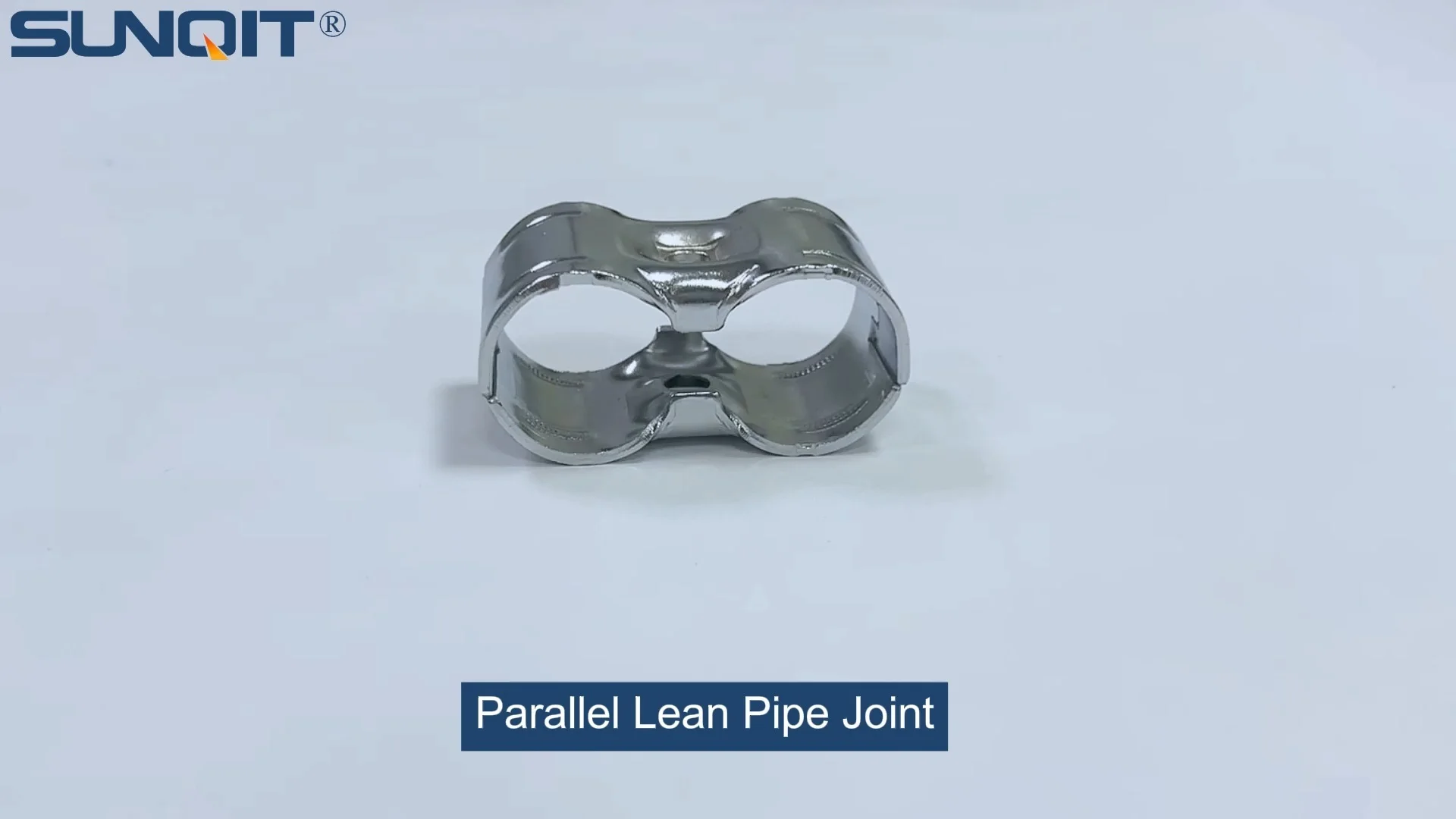
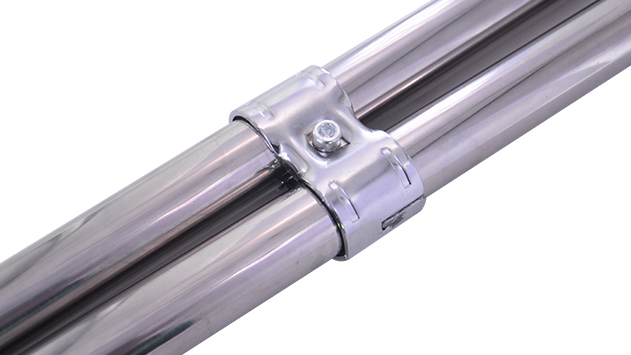
Parallel lean pipe joint used for 2 pcs 28MM lean pipe connection in parallel direction to enhance frame structure, usually for heavy payload requirement for workbench. flow rack, hand trolley.
Walk into any modern telecommunication equipment manufacturing facility, and you'll be struck by a symphony of precision: robotic arms assembling circuit boards, technicians testing 5G routers with microscopic attention, and conveyor belts gliding components from one station to the next. In this high-stakes world, where a single delayed shipment can disrupt network rollouts for millions, efficiency isn't just a buzzword—it's the backbone of success. This is where lean manufacturing steps in, and at the heart of lean material handling systems lies an unsung hero: the parallel lean pipe joint chrome.
Telecom manufacturing demands more than just speed; it requires flexibility, durability, and adaptability. Production lines shift from routers to fiber optic transceivers overnight, workstations need to reconfigure for new component sizes, and material flow must remain seamless to avoid bottlenecks. Traditional rigid structures—welded steel frames, fixed shelving—simply can't keep up. That's where lean pipe systems, built around components like the parallel lean pipe joint chrome, shine. These systems are the chameleons of manufacturing, bending (literally and figuratively) to meet evolving needs while keeping waste, cost, and downtime to a minimum.
Why Lean Systems Matter in Telecom Manufacturing
Before diving into the specifics of parallel lean pipe joint chrome, let's take a step back to understand why lean systems are non-negotiable in telecom. The telecom industry is in a constant race to innovate: 5G is still rolling out globally, 6G research is underway, and consumer demand for faster, smaller, more powerful devices never slows. This pace means production lines can't afford to be static.
Lean manufacturing, born from the Toyota Production System, focuses on eliminating waste—whether it's time wasted searching for tools, space wasted on unused inventory, or labor wasted on inefficient workflows. In telecom, where components range from tiny microchips to bulky server racks, lean systems streamline how materials move, how workstations are organized, and how teams collaborate. A well-designed lean system reduces lead times, cuts costs, and improves product quality by minimizing human error.
At the core of these lean systems are modular structures: workbenches, flow racks, conveyors, and trolleys built from lean pipes and joints. These structures are lightweight yet sturdy, easy to assemble, and even easier to reconfigure. And among the many components that make up these systems, the parallel lean pipe joint chrome stands out for its unique ability to balance strength, versatility, and longevity—qualities that are especially critical in telecom's demanding environment.
Meet the Parallel Lean Pipe Joint Chrome: What It Is and How It Works
Imagine building a Lego set where each piece snaps together firmly but can be taken apart and rearranged in seconds. That's the idea behind lean pipe systems, and the parallel lean pipe joint chrome is like the "super Lego brick" of this system. It's a small but mighty connector designed to join two parallel lean pipes (typically aluminum or steel) at a fixed distance, creating stable frames for everything from workbenches to material racks.
What sets the parallel lean pipe joint chrome apart? Let's break it down. First, the "parallel" design: unlike standard T-joints or corner joints that connect pipes at angles, this joint is engineered to hold two pipes side-by-side in perfect alignment. This is crucial for structures like flow rack beams, where even a slight misalignment can cause rollers to jam, or workbench frames, where stability directly impacts assembly precision.
Then there's the "chrome" coating. Telecom manufacturing floors are harsh environments: oil from machinery, dust from cutting processes, and occasional spills are par for the course. Chrome plating adds a protective layer that resists corrosion, rust, and wear, ensuring the joint maintains its grip and structural integrity over years of use. Unlike plastic joints that can crack under heavy loads or unplated steel joints that rust in humid conditions, chrome-plated parallel joints are built to last.
Installation is another highlight. These joints typically feature a clamping mechanism—two semicircular sleeves that wrap around the pipes, secured by a bolt or lever. Tighten the bolt, and the joint grips the pipes with enough force to support heavy loads (we're talking hundreds of pounds, depending on the pipe thickness). Loosen it, and you can slide the joint along the pipe to adjust spacing or disassemble the structure entirely. No welding, no drilling, no special tools—just a wrench or even a hand-tightened lever for quick changes.
Key Benefits of Parallel Lean Pipe Joint Chrome in Telecom Manufacturing
In telecom manufacturing, every component choice is a trade-off between cost, performance, and longevity. The parallel lean pipe joint chrome excels in all three areas, but its real value lies in how it addresses the industry's unique pain points. Let's explore the top benefits:
1. Unmatched Stability for Precision Work
Telecom equipment—think 5G base stations, optical line terminals, or satellite modems—requires assembly with sub-millimeter precision. A wobbly workbench or a sagging flow rack can throw off measurements, leading to faulty connections or product failures. The parallel design of these joints ensures that pipes stay perfectly parallel, even under heavy loads. For example, a lean pipe workbench built with parallel chrome joints won't flex when a technician places a 50-pound test equipment on it, keeping circuit boards steady during soldering or inspection.
2. Corrosion Resistance for Long-Term Reliability
Many telecom manufacturing facilities operate in regions with high humidity (think Southeast Asia or coastal areas) or use coolants and cleaning agents that can eat away at metal. Unprotected steel joints would rust, weakening their grip and risking structural failure. Chrome plating acts as a barrier, preventing moisture and chemicals from reaching the underlying metal. This means fewer replacements, less maintenance, and a longer lifespan for the entire lean system. In fact, telecom manufacturers report that chrome-plated joints last 2–3 times longer than their unplated counterparts in similar environments.
3. Flexibility to Adapt to Changing Production Needs
Last month, your line was assembling 19-inch server racks; this month, it's switching to compact outdoor 5G antennas. With traditional welded frames, you'd need to buy new workbenches or hire welders to modify existing ones—costly and time-consuming. With parallel lean pipe joint chrome, reconfiguration is a afternoon project. Loosen the joints, adjust the pipe lengths, add new crossbars, and you've got a workstation tailored to the new antenna size. This flexibility reduces capital expenditure on new equipment and minimizes downtime during production changes.
4. Compatibility with Other Lean Components
A lean system is only as good as its ability to work with other components, and parallel lean pipe joint chrome plays well with others. It pairs seamlessly with aluminum profiles (a popular choice for lightweight structures), roller tracks (used in flow racks), and even ESD (electrostatic discharge) accessories—critical for handling sensitive telecom components that can be damaged by static electricity. For example, a flow rack built with parallel chrome joints can support both standard plastic roller tracks for general components and ESD-safe roller tracks for microchips, all without needing specialized adapters.

Real-World Applications: How Telecom Manufacturers Use Parallel Lean Pipe Joint Chrome
Theory is great, but let's look at how parallel lean pipe joint chrome is making a difference on actual telecom production floors. Here are three common applications where these joints prove indispensable:
1. Lean Pipe Workbenches for Component Assembly
At a leading telecom manufacturer in Shenzhen, technicians assemble fiber optic transceivers on workbenches built with aluminum lean pipes and parallel chrome joints. These workbenches need to support not just the transceiver components but also ESD mats, magnifying lamps, and small tools. The parallel joints ensure the bench top (often an aluminum honeycomb panel) stays flat and stable, preventing misalignment during soldering. When the company introduced a new transceiver model with a wider circuit board, they simply adjusted the parallel joints to widen the bench frame—no new workbench needed.
2. Flow Racks for Just-In-Time Inventory
Telecom manufacturers live by "just-in-time" (JIT) inventory to reduce storage costs. Flow racks—where components slide forward as the front one is taken—are key to JIT success. A major European telecom supplier uses flow racks built with parallel lean pipe joint chrome to store router casings. The parallel joints hold the roller track beams in place, ensuring the casings glide smoothly to the pick face. The chrome coating has proven essential in the facility's humid climate, with joints showing no signs of rust after three years of use. When demand spiked for a new router model, the team added extra levels to the flow racks by adjusting the parallel joints—quickly increasing storage capacity without disrupting workflow.
3. Mobile Trolleys for Material Transport
Moving heavy server chassis from the assembly line to testing stations is no small feat. A U.S.-based telecom manufacturer solved this with mobile trolleys built using parallel lean pipe joint chrome, aluminum pipes, and heavy-duty casters. The parallel joints reinforce the trolley's frame, allowing it to carry up to 300 pounds safely. When the company switched to a lighter but bulkier antenna housing, they reconfigured the trolleys by shortening the parallel pipes—making the trolleys narrower to fit through tighter aisles. The chrome joints stood up to the daily bumps and vibrations of factory transport, maintaining their grip even after months of use.
Parallel Lean Pipe Joint Chrome vs. Other Joint Types: A Comparison
Not all lean pipe joints are created equal. To understand why parallel lean pipe joint chrome is a top choice for telecom, let's compare it to other common joint types:
| Joint Type | Material | Load Capacity | Corrosion Resistance | Installation Time | Best For |
|---|---|---|---|---|---|
| Parallel Lean Pipe Joint Chrome | Steel with chrome plating | High (200–500 lbs per joint) | Excellent (resists rust, oil, moisture) | Fast (5–10 minutes per joint) | Stable structures: workbenches, flow racks, heavy trolleys |
| Plastic Lean Pipe Joint | Nylon or PP | Low to Medium (50–200 lbs per joint) | Good (resists chemicals, but prone to UV damage) | Very Fast (2–5 minutes per joint) | Light-duty applications: small parts storage, temporary structures |
| Stainless Steel Non-Chrome Joint | 304 Stainless Steel | High (200–600 lbs per joint) | Good (but less resistant to salt/moisture than chrome) | Medium (10–15 minutes per joint) | Food or pharmaceutical industries (where chrome is restricted) |
| Welded Steel Joint | Mild Steel | Very High (Unlimited, but permanent) | Poor (requires painting; rusts easily) | Slow (Requires welding equipment; permanent) | Fixed, heavy-duty structures (no reconfiguration needed) |
The table tells a clear story: parallel lean pipe joint chrome strikes the best balance for telecom manufacturing. It offers the load capacity of stainless steel, the corrosion resistance needed for factory environments, and the flexibility of plastic—without the trade-offs. Welded joints, while strong, lack the adaptability telecom needs, and plastic joints can't handle the weight of telecom components. For most telecom applications, parallel chrome joints are the goldilocks choice: just right.
Choosing the Right Lean Pipe Supplier for Parallel Chrome Joints
Even the best component is only as good as its supplier. When sourcing parallel lean pipe joint chrome, telecom manufacturers should look for a lean pipe supplier that prioritizes quality, consistency, and support. Here's what to keep in mind:
Quality of Chrome Plating: Not all chrome plating is equal. Look for suppliers who use a multi-layer plating process (copper, nickel, then chrome) for maximum durability. Ask for test reports on corrosion resistance—look for joints that can withstand 500+ hours in a salt spray test without rusting.
Load Testing Data: A reputable supplier will provide load capacity data for their joints, tested under real-world conditions. Don't just take their word for it—ask for certificates from third-party labs. For telecom, aim for joints rated to at least 300 lbs per connection to handle heavy components.
Compatibility with Pipes: Lean pipes come in different diameters (common sizes are 28mm, 30mm, and 40mm). Ensure the supplier's parallel chrome joints are designed for your pipe size. Some suppliers offer adjustable joints that fit multiple diameters—a plus for flexibility.
Lead Times and Inventory: Telecom production schedules leave no room for delays. Choose a supplier with local warehouses or fast shipping to avoid production halts waiting for joints. A supplier with a wide inventory of accessories (like extra bolts, end caps, or replacement sleeves) is also a boon for quick repairs.
After-Sales Support: Even the best components may need troubleshooting. Look for suppliers that offer technical support—whether it's help designing a custom structure or replacing a defective joint. A supplier who understands telecom's unique needs (like ESD compatibility or cleanroom requirements) is a valuable partner, not just a vendor.
The Future of Lean Systems in Telecom: Where Parallel Chrome Joints Fit In
As telecom manufacturing evolves—with automation, AI-driven workflows, and smarter factories—lean systems will only grow more important. Parallel lean pipe joint chrome is poised to play a key role in this future, adapting to new trends like:
Smart Factories: Imagine lean pipe structures equipped with sensors that monitor joint stress or track material flow. Parallel chrome joints could integrate with these sensors, providing data on when a joint might need tightening or replacement—preventing failures before they happen.
Sustainability: Telecom manufacturers are under pressure to reduce waste. Modular lean systems, built with reusable parallel joints, align with sustainability goals by reducing the need for disposable packaging or single-use structures. Chrome plating, when done responsibly, is also recyclable, adding to the eco-friendly appeal.
Customization at Scale: As telecom devices become more tailored to specific markets (e.g., rugged routers for industrial use, compact modems for urban apartments), production lines will need to switch between configurations faster than ever. Parallel lean pipe joint chrome's quick assembly and reconfiguration will be critical to meeting this demand.
Final Thoughts: The Small Joint That Makes a Big Difference
In the grand scheme of telecom manufacturing—where headlines focus on 5G speeds, AI algorithms, and cutting-edge semiconductors—it's easy to overlook the humble parallel lean pipe joint chrome. But as any factory manager will tell you, the difference between a good production line and a great one lies in the details. These small, chrome-plated connectors are the glue that holds lean systems together, enabling the flexibility, durability, and efficiency that telecom manufacturing demands.
Whether it's a workbench where a technician assembles the next generation of routers, a flow rack keeping components within arm's reach, or a trolley moving finished products to testing, parallel lean pipe joint chrome ensures these structures work as hard as the teams that use them. In a industry where every second and every dollar counts, that's not just valuable—it's essential.
So the next time you pick up your phone or connect to Wi-Fi, take a moment to appreciate the unseen heroes of telecom manufacturing. Behind that seamless connection is a lean system, built with care, and held together by the quiet strength of the parallel lean pipe joint chrome.