- Company Articles
- Products and Technology
- Product knowledge
- Parallel Lean Pipe Joint Chrome Lifespan: How Long Do They Last?

Parallel Lean Pipe Joint Chrome Lifespan: How Long Do They Last?
Related Product
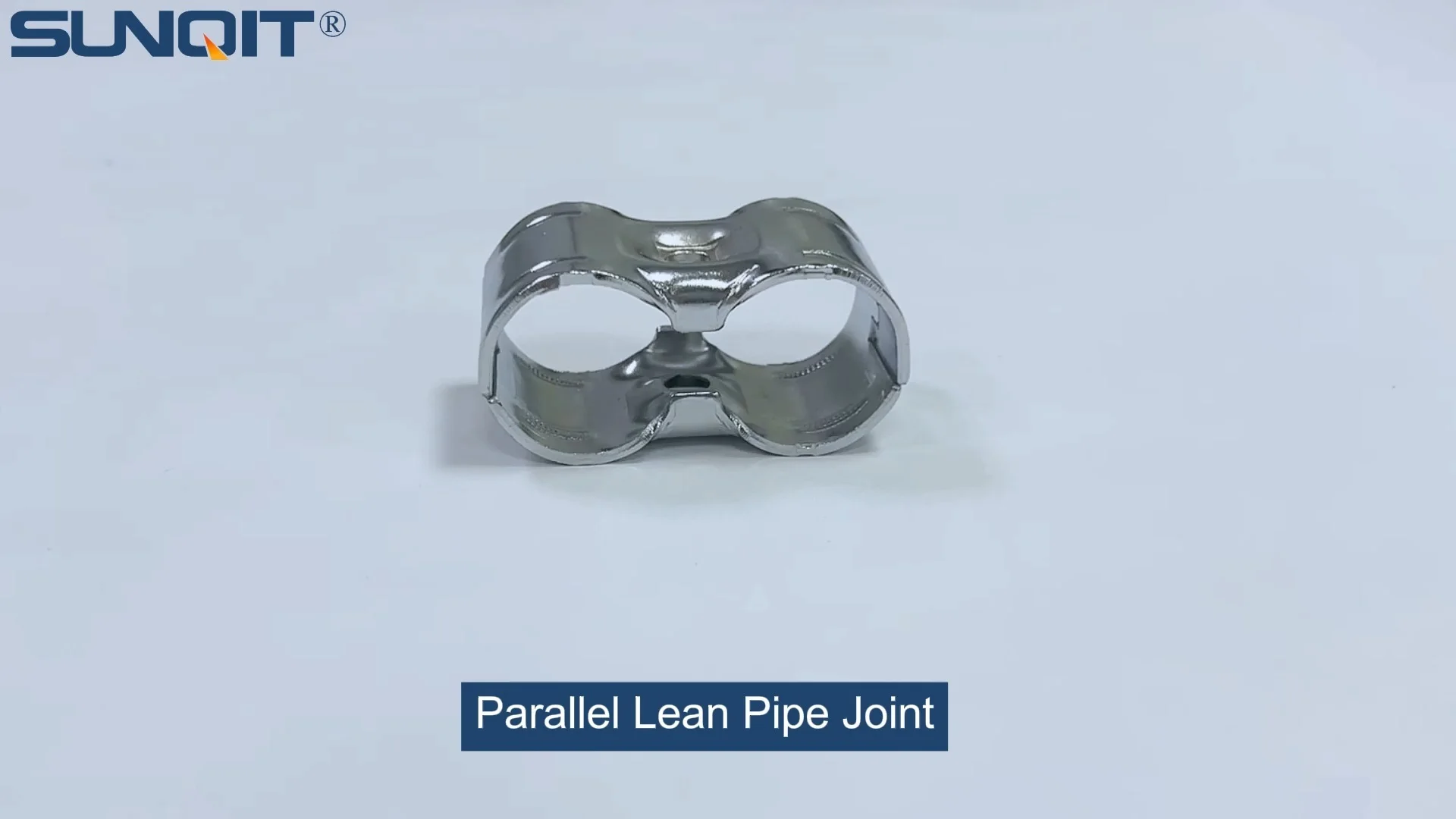
Parallel Lean Pipe Joint Chrome
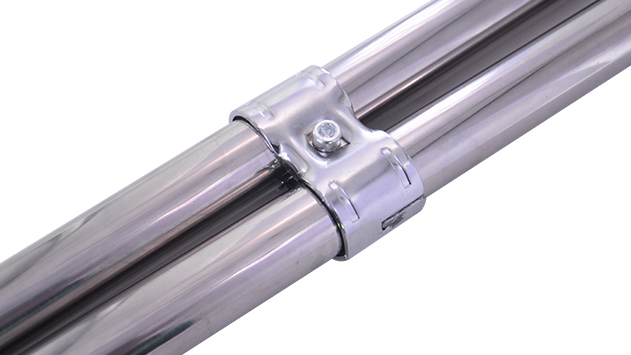
Parallel lean pipe joint used for 2 pcs 28MM lean pipe connection in parallel direction to enhance frame structure, usually for heavy payload requirement for workbench. flow rack, hand trolley.
Walk into any modern manufacturing facility, and you'll likely spot a familiar sight: sleek, modular structures holding up workbenches, material racks, and assembly lines. These are the backbone of lean manufacturing—lean pipe systems—and at their core are the unassuming components that keep everything together: joints. Among the most common and reliable of these is the parallel lean pipe joint chrome. It's not flashy, but without it, that lean pipe workbench where technicians assemble circuit boards or that ESD workstation protecting sensitive electronics might just fall apart. But here's the question that quietly nags at plant managers and maintenance teams alike: How long can we really expect these chrome-plated joints to last?
It's a deceptively simple question with a complex answer. The lifespan of a parallel lean pipe joint chrome isn't just a number plucked from a catalog; it's a story shaped by material science, daily use, environmental conditions, and even the care (or neglect) it receives. In this article, we'll pull back the curtain on these critical components, exploring what makes them tick, what shortens their life, and how to extend it. Whether you're setting up a new lean pipe system or trying to squeeze more years out of an existing one, understanding the lifespan of these joints could save you time, money, and the headache of unexpected downtime.
First Things First: What Is a Parallel Lean Pipe Joint Chrome?
Before we dive into lifespan, let's make sure we're all on the same page about what a parallel lean pipe joint chrome actually is. At its most basic, it's a connector designed to join two or more lean pipes—typically steel or aluminum lean pipe—in a parallel configuration. Think of it as the "elbow" or "T-joint" of the lean manufacturing world, but engineered for stability and adjustability.
The "chrome" in the name refers to its finish: a layer of chromium electroplated onto the base metal (usually carbon steel) to enhance durability and resistance to corrosion. This plating isn't just for looks; it's a protective barrier that helps the joint stand up to the wear and tear of factory life. And "parallel" means it's designed to keep pipes aligned side-by-side, a common setup in structures like workbench frames or material racks where horizontal stability is key.
These joints are part of a larger ecosystem. They work hand-in-hand with lean pipes, roller tracks, casters, and other accessories to create everything from simple shelving to complex assembly lines. In an ESD workstation, for example, they might connect aluminum lean pipes that form a static-dissipative surface, ensuring sensitive components aren't damaged by electrostatic discharge. In a high-volume production area, they might hold together a heavy-duty lean pipe workbench that supports hundreds of pounds of tools and materials daily.
The Lifespan Equation: What Determines How Long They Last?
If you ask a supplier for the lifespan of a parallel lean pipe joint chrome, they might give you a general range—say, 5 to 10 years. But that's a broad estimate. The real lifespan depends on a handful of critical factors, each playing a role in how quickly (or slowly) the joint wears down. Let's break them down.
1. Material Quality: The Foundation of Longevity
Not all parallel lean pipe joints chrome are created equal. The first variable is the quality of the materials used to make them, starting with the base metal. Most joints are made from steel, but the type of steel matters. Low-carbon steel is cheaper but more prone to bending under heavy loads, while high-carbon or alloy steel offers better strength and rigidity. A joint made from flimsy steel might start to deform after a few years of supporting a heavy lean pipe workbench, whereas a high-quality steel joint could handle the same load for decades.
Then there's the chrome plating itself. Chrome plating is measured in microns (one micron is a millionth of a meter), and thickness matters. A plating thickness of 5-10 microns is standard, but some manufacturers skimp, using thinner layers to cut costs. Thicker plating isn't just more durable—it's also more resistant to chipping and peeling. Even a small chip in the chrome can expose the steel underneath, creating a starting point for rust. In a humid factory, that rust can spread quickly, weakening the joint from the inside out.
Adhesion is another factor. If the chrome plating isn't properly bonded to the steel, it might bubble or flake off prematurely. This often happens when the steel isn't cleaned thoroughly before plating, leaving oils, dirt, or oxides that prevent the chrome from sticking. A well-made joint, on the other hand, will have a smooth, uniform chrome finish that adheres tightly to the steel, acting as a long-lasting shield.
2. Environment: Your Joint's Daily Battle
Imagine two identical parallel lean pipe joints chrome: one installed in a dry, climate-controlled electronics cleanroom and another in a bustling automotive shop where oil, coolant, and humidity are part of the daily grind. Which one do you think will last longer? The answer is obvious, but the reasons are worth exploring.
Humidity is the enemy of metal, even chrome-plated metal. In environments with high moisture—think coastal factories, food processing plants, or warehouses with poor ventilation—condensation can form on the joint's surface. Over time, this moisture can seep into tiny cracks in the chrome plating, initiating corrosion. In extreme cases, like a factory near the ocean where salt air is present, the corrosion process accelerates even more. Salt is highly corrosive, and it can eat through chrome plating faster than plain water alone.
Chemicals are another threat. In manufacturing settings where oils, solvents, or cleaning agents are used, splashes or spills can damage the chrome finish. Harsh detergents or acidic substances can strip away the plating, while oily residues can trap dirt and moisture against the metal, creating a breeding ground for rust. Even something as simple as the lubricants used on nearby machinery can affect the joint if they drip onto it regularly.
Temperature fluctuations don't help, either. Metal expands when heated and contracts when cooled. In factories with extreme temperature swings—like those without climate control in hot summers or cold winters—this constant expansion and contraction can weaken the bond between the chrome plating and the steel core. Over time, this can lead to cracking or peeling of the chrome, exposing the underlying metal to the elements.
3. Load and Usage: How Hard Are You Pushing It?
A parallel lean pipe joint chrome is designed to bear weight, but there's a limit to how much abuse it can take. Every joint has a maximum load rating specified by the manufacturer—say, 500 pounds per joint. Exceeding that rating is a surefire way to shorten its lifespan.
Consider a lean pipe workbench in an automotive parts plant. If the bench is rated to hold 200 pounds, but workers regularly pile 300 pounds of metal components on it, the parallel joints holding up the frame will be under constant stress. Over time, this overloading can cause the joint's internal mechanisms (like the clamping bolts or locking tabs) to stretch or warp. What starts as a slight wobble in the bench can escalate to a full-on failure if the joint can no longer grip the pipe tightly.
It's not just static loads, either—dynamic loads (moving weight) can be even more damaging. Think about a material rack built with lean pipe and parallel joints, where workers slide heavy bins in and out multiple times an hour. Each slide creates a jolt or vibration that transfers through the rack to the joints. Over years of this repeated stress, the joints can loosen, and the chrome plating can wear thin from the constant movement of the pipes against the joint's surface.
Even the frequency of use plays a role. A joint in a rarely used storage rack might last 15 years, while the same joint in a busy assembly line that's adjusted, reconfigured, or moved weekly might start showing signs of wear in just 3-5 years. Every time you disassemble and reassemble a lean pipe system, the joint is twisted, tightened, and possibly scratched, all of which add up over time.
4. Installation: The Hidden Factor
You could have the highest-quality parallel lean pipe joint chrome money can buy, but if it's installed incorrectly, its lifespan will plummet. Installation might seem like a simple step—just tighten the joint around the pipe, right?—but there's more to it than that.
Overtightening is a common mistake. When technicians use power tools or excessive force to tighten the joint's bolts, they can strip the threads, crack the chrome plating, or even warp the joint's body. A joint with stripped threads will never hold the pipe as securely as it should, leading to looseness and premature failure. On the flip side, undertightening is just as bad. A joint that's not tight enough will allow the pipe to wiggle, causing friction that wears away the chrome and weakens the connection over time.
Alignment is another critical factor. If the pipes being joined aren't perfectly parallel or straight, the joint will be under constant stress. For example, if one pipe is slightly bent and the other is straight, the joint will be forced to "pull" them into alignment, creating uneven pressure on its internal components. Over time, this can cause the joint to crack or the chrome to peel at the stress points.
Even the type of pipe used matters. Parallel lean pipe joints chrome are designed to work with specific pipe diameters—usually 28mm or 30mm for standard lean pipes. Using a pipe that's too small or too large can cause the joint to grip improperly. A pipe that's too small will slide inside the joint, leading to movement and wear, while a pipe that's too large can stretch the joint's clamping mechanism, making it impossible to tighten securely.
5. Maintenance: The Key to Extending Lifespan
If material quality is the foundation and installation is the blueprint, maintenance is the ongoing care that keeps the structure standing. A well-maintained parallel lean pipe joint chrome can outlast a neglected one by years—sometimes even decades. So what does "good maintenance" actually look like?
Regular inspections are the first line of defense. A quick visual check every month or two can catch small issues before they become big problems. Look for signs of rust, especially around the edges of the chrome plating. Check if the joint is loose by gently wiggling the connected pipes—any movement means it's time to tighten. Also, inspect the chrome finish for chips, cracks, or peeling; these are red flags that corrosion might be starting.
Cleaning is equally important. Dirt, grease, and debris can trap moisture against the joint, accelerating rust. A simple wipe-down with a dry cloth or a mild, non-abrasive cleaner (avoid harsh chemicals!) can remove these contaminants. For joints in dusty environments, like woodworking shops or foundries, more frequent cleaning might be necessary to prevent buildup.
Lubrication is often overlooked but critical for joints with moving parts, like those that allow rotation or adjustment. A small amount of silicone-based lubricant on the joint's moving components can reduce friction, preventing wear and tear. Just be careful not to over-lubricate—excess oil can attract dirt, which defeats the purpose.
Finally, don't ignore loose joints. It's easy to put off tightening a slightly wobbly joint, but that's a mistake. Every day that joint remains loose, it's wearing down faster. Grab a wrench and tighten it to the manufacturer's recommended torque specification (usually provided in the product manual). If the joint won't stay tight even after tightening, it might be time to replace it—better to spend a few dollars on a new joint than risk a collapse that could damage equipment or injure someone.
Real-World Lifespan: What Do the Numbers Actually Look Like?
So, after considering all these factors, what's a realistic lifespan for a parallel lean pipe joint chrome? Let's look at some real-world scenarios to get a sense of the range.
Scenario 1: The Well-Maintained ESD Workstation
Imagine an ESD workstation in a semiconductor manufacturing plant. The environment is climate-controlled (68°F, 40% humidity), with strict cleanliness protocols. The workstation is used for assembling small, lightweight circuit boards, so the load on the lean pipe structure is minimal—maybe 50 pounds max. The parallel lean pipe joints chrome are inspected monthly, cleaned weekly, and tightened as needed. The system is rarely reconfigured, so the joints aren't subjected to frequent disassembly.
In this ideal scenario, how long would the joints last? Plant managers at similar facilities report lifespans of 10-15 years. Some even push to 20 years with occasional replacement of individual joints that show early signs of wear. The controlled environment, light load, and regular maintenance all work together to maximize longevity.
Scenario 2: The High-Volume Automotive Plant
Now, contrast that with a lean pipe workbench in an automotive assembly plant. The environment is less controlled—hot in summer, cool in winter, with occasional exposure to oil and grease. The workbench holds heavy car parts, often exceeding 200 pounds, and is reconfigured every few months to accommodate new vehicle models. The parallel joints are tightened with power tools (sometimes overtightened) and rarely cleaned beyond an occasional wipe with a dirty rag.
Here, the lifespan drops significantly. Maintenance teams in these settings typically replace parallel lean pipe joints chrome every 3-5 years. Some joints might fail even sooner if they're in high-stress areas, like the corners of the workbench that bear the most weight. The combination of heavy loads, frequent reconfiguration, and minimal maintenance takes a toll.
Scenario 3: The Coastal Warehouse
A third scenario: a material rack in a warehouse near the coast. The rack is built with lean pipe and parallel joints chrome, holding boxes of goods. The warehouse has poor ventilation, so humidity is high, and salt air drifts in from the nearby ocean. The rack is rarely inspected, and when it is, the focus is on the contents, not the structure itself.
In this case, corrosion is the main enemy. The salt air accelerates rust, even on chrome-plated joints. Without regular cleaning or protective coatings, the joints might start showing rust spots within a year. By year 2-3, the chrome plating is peeling, and the joints are loose. Replacement becomes necessary around the 3-year mark to prevent the rack from collapsing.
| Scenario | Environment | Load/Usage | Maintenance | Estimated Lifespan |
|---|---|---|---|---|
| ESD Workstation (Electronics Plant) | Climate-controlled, clean, low humidity | Light load (50 lbs), minimal reconfiguration | Monthly inspections, weekly cleaning, regular tightening | 10-15 years |
| Automotive Assembly Workbench | Variable temperature, exposure to oil/grease | Heavy load (200+ lbs), frequent reconfiguration | Minimal: occasional tightening, rare cleaning | 3-5 years |
| Coastal Warehouse Material Rack | High humidity, salt air, poor ventilation | Medium load, static configuration | Neglected: rare inspections, no cleaning | 2-3 years |

Comparing Chrome to Other Joint Types: Is Chrome Still the Best Bet?
Parallel lean pipe joints chrome are popular, but they're not the only option. Aluminum lean pipe joints, plastic-coated joints, and even stainless steel joints are available. How do they stack up in terms of lifespan?
Aluminum lean pipe joints are lightweight and corrosion-resistant, making them a good choice for humid or coastal environments. They typically last 5-8 years in moderate use, which is on par with chrome-plated steel joints in similar conditions. However, aluminum is softer than steel, so it's more prone to bending under heavy loads. In high-stress applications, aluminum joints might fail sooner than chrome steel ones.
Plastic-coated steel joints are cheaper but less durable. The plastic coating offers some corrosion resistance, but it's prone to cracking and peeling, especially with heavy use. Lifespan is usually 2-4 years, making them a budget option but not ideal for long-term reliability.
Stainless steel joints are the most corrosion-resistant, with lifespans of 15-20 years in harsh environments. But they're also the most expensive, often double the cost of chrome-plated joints. For most applications, chrome steel strikes a balance between cost and longevity that's hard to beat.
When to replace: Signs Your Joints Are on Their Last Legs
Even with the best maintenance, all parallel lean pipe joints chrome will eventually need to be replaced. The key is to spot the warning signs early to avoid catastrophic failure. Here are the red flags to watch for:
- Visible rust: Any rust on the joint, even small spots, means corrosion has taken hold. Once rust starts, it spreads quickly, weakening the joint.
- Looseness that won't tighten: If you tighten the joint and it loosens again within a few days, the threads or clamping mechanism are likely worn out.
- Chrome peeling or flaking: Large areas of missing chrome expose the steel core to the environment, accelerating decay.
- Bending or warping: If the joint's body is bent or misshapen, it can no longer hold the pipes securely.
- Excessive movement: A joint that wobbles or rotates when it shouldn't is a safety hazard and needs immediate replacement.
Conclusion: Maximizing Lifespan Starts with Understanding
The lifespan of a parallel lean pipe joint chrome isn't a mystery—it's a product of the choices we make. From selecting high-quality materials and installing them correctly to maintaining them regularly and using them within their limits, every decision affects how long these critical components will last. In the best-case scenario, with careful use and maintenance, they can anchor your lean pipe system for a decade or more. In the worst case, neglect or abuse can cut their life short to just a few years.
So, the next time you walk past that lean pipe workbench or ESD workstation, take a moment to look at the joints holding it all together. They might not be glamorous, but they're the unsung heroes of your operation. Treat them with care, and they'll keep your facility running smoothly for years to come.
After all, in lean manufacturing, efficiency isn't just about eliminating waste—it's about making the most of every component. And when it comes to parallel lean pipe joints chrome, making the most means giving them the lifespan they deserve.