- Company Articles
- Products and Technology
- Product knowledge
- Parallel Lean Pipe Joint Chrome Load Capacity: What You Need to Know

Parallel Lean Pipe Joint Chrome Load Capacity: What You Need to Know
Related Product
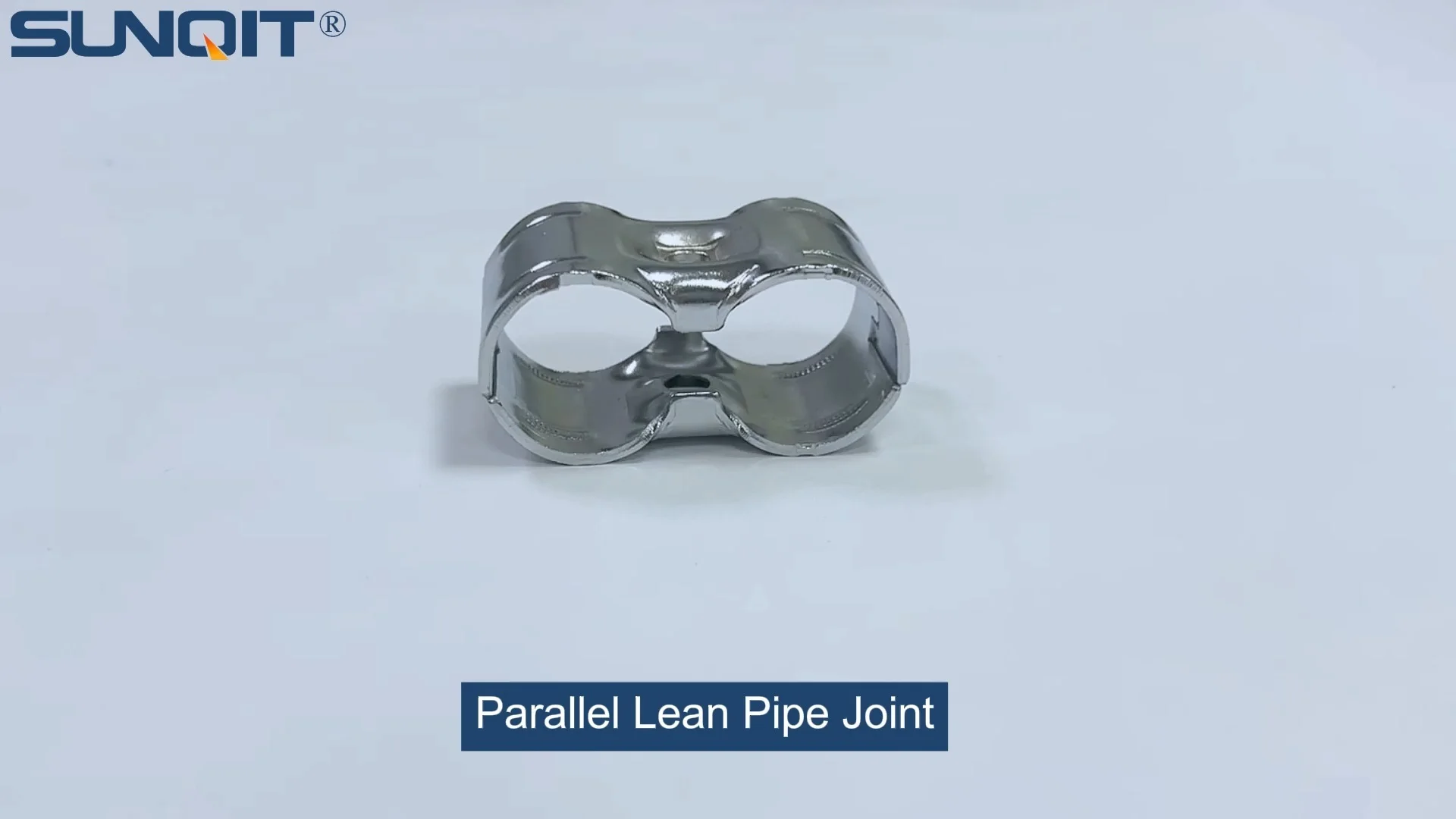
Parallel Lean Pipe Joint Chrome
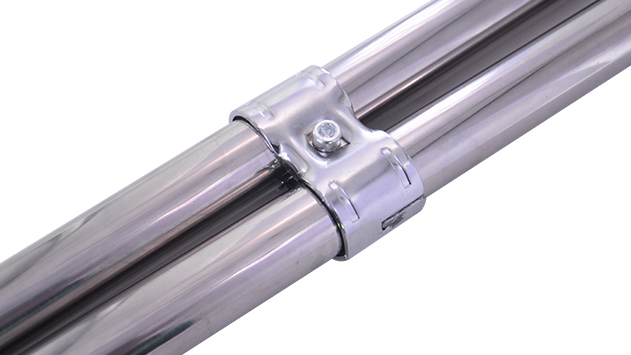
Parallel lean pipe joint used for 2 pcs 28MM lean pipe connection in parallel direction to enhance frame structure, usually for heavy payload requirement for workbench. flow rack, hand trolley.
The Unsung Hero of Stable, Efficient Lean Manufacturing Systems
Introduction: Why Load Capacity Matters in Your Lean Workspace
Walk into any well-run production facility, and you'll notice a rhythm—a quiet hum of efficiency where every tool, every shelf, every roller track has a purpose. Behind that rhythm are the small, often overlooked components that hold everything together: the joints connecting lean pipes. Among these, the parallel lean pipe joint chrome stands out as a workhorse, silently bearing the weight of your workflow. But here's the thing: not all joints are created equal. When a joint fails, it's not just a loose connection—it's a bottleneck. Parts pile up, workers pause, and deadlines slip. That's why understanding load capacity isn't just technical knowledge; it's the key to keeping your lean system—and your business—running smoothly.
In this guide, we'll dive into the world of parallel lean pipe joint chrome, exploring why load capacity is non-negotiable, what factors influence it, and how to choose the right joint for your needs. Whether you're setting up a new workbench, upgrading roller tracks, or sourcing parts for a custom aluminum profile system, this is the knowledge that will save you time, money, and headaches down the line.
What Is a Parallel Lean Pipe Joint Chrome, Anyway?
Let's start with the basics. A parallel lean pipe joint chrome is a specialized connector designed to link lean pipes—those long, cylindrical tubes (often made of steel, aluminum, or stainless steel) that form the skeleton of lean manufacturing setups. The "parallel" in its name refers to its ability to connect pipes that run alongside each other, creating stable, horizontal or vertical frames. The "chrome" coating isn't just for aesthetics; it's a protective layer that resists rust, scratches, and corrosion, making these joints ideal for busy factories, warehouses, or even cleanrooms where durability is a must.
Think of it like a puzzle piece: lean pipes are the edges, and the joint is the corner that locks them into place. Without a strong joint, your workbench might wobble when you place a heavy tool on it. Your roller track might sag under the weight of incoming materials. Even a simple material rack could collapse if the joints can't handle the stacked boxes. In short, these joints are the glue that turns individual pipes into a cohesive, functional system.
Quick Fact: Lean Pipes vs. Aluminum Profiles
While lean pipes are often round and lightweight, aluminum profiles are typically square or rectangular with T-slots for easy (accessories) attachment. Parallel lean pipe joints chrome work seamlessly with both, but their load capacity might vary depending on the pipe material. For example, a joint connecting steel lean pipes will generally support more weight than one linking thinner aluminum profiles—something to keep in mind when planning your setup.
Why Load Capacity Isn't Just a Number—It's Your Workflow's Backbone
Let's get practical. Suppose you're running an automotive parts assembly line. Your workbench holds a torque wrench (15 lbs), a parts bin (20 lbs), and a laptop for quality checks (5 lbs). That's 40 lbs total—easy, right? But what if you add a heavy-duty diagnostic machine (100 lbs) later? Suddenly, your workbench is supporting 140 lbs. If your parallel lean pipe joint chrome is rated for only 100 lbs, you're asking for trouble.
Load capacity is the maximum weight a joint can safely support without bending, breaking, or deforming. It's tested under controlled conditions by manufacturers, but real-world use adds variables: vibration from nearby machinery, sudden impacts (like dropping a tool), or even temperature changes that can weaken materials over time. That's why experts recommend choosing joints with a load capacity 20-30% higher than your expected maximum weight. It's not overkill—it's insurance.
The Risks of Ignoring Load Capacity
- Safety Hazards: A failed joint can cause equipment, tools, or materials to fall, risking injury to workers.
- Production Delays: A collapsed workbench or sagging roller track means stopping the line to repair or replace parts—costing time and money.
- Wasted Resources: Choosing underrated joints might save money upfront, but replacing them (and fixing the damage they cause) will cost more in the long run.
- Compromised Quality: A wobbly work surface can lead to errors in assembly, especially in precision tasks like electronics manufacturing.

5 Factors That Affect a Parallel Lean Pipe Joint Chrome's Load Capacity
Load capacity isn't set in stone. It depends on a mix of design, materials, and usage. Let's break down the key factors that determine how much weight your joint can handle:
1. Material: Chrome-Plated Steel vs. the Rest
Most parallel lean pipe joints chrome are made from steel with a chrome plating. Steel is inherently strong, with high tensile strength (the ability to resist breaking under tension). The chrome layer adds (hardness) and corrosion resistance, but the base material—steel—is what gives the joint its load-bearing muscle. Compare this to aluminum joints, which are lighter but generally have lower load capacities (around 150-250 kg vs. 200-300 kg for chrome-plated steel). If you're building a heavy-duty system, steel-based joints are the way to go.
2. Design: How the Joint Distributes Weight
Not all joints are shaped the same. A well-designed parallel lean pipe joint chrome will distribute weight evenly across its connection points, reducing stress on any single part. For example, joints with multiple bolts or clamping points can spread the load more effectively than those with a single screw. Look for joints with reinforced edges or thicker walls in high-stress areas—these are signs that the manufacturer prioritized load distribution.
3. Installation: Tightness and Alignment Matter
Even the strongest joint will fail if installed poorly. If the bolts are too loose, the pipes can shift, putting extra strain on the joint. If they're overtightened, you might strip the threads or crack the joint itself. Alignment is equally crucial: pipes that aren't perfectly parallel or perpendicular create uneven pressure, which weakens the joint over time. Always follow the manufacturer's installation guide—use the recommended tools, torque settings, and spacing to ensure a secure fit.
4. Environmental Conditions
Your factory's environment plays a role too. High humidity can cause uncoated steel to rust, weakening the joint. Extreme temperatures (like in a foundry or freezer) can make materials brittle or pliable, reducing load capacity. Even chemical exposure—like oils, solvents, or cleaning agents—can degrade the chrome plating over time. If you work in a harsh environment, opt for joints with extra corrosion resistance, like stainless steel components or thicker chrome layers.
5. Usage: Static vs. Dynamic Loads
Finally, consider how the joint is used. A "static load" is weight that stays in place, like a toolbox on a workbench. A "dynamic load" is weight that moves, like parts sliding down a roller track or a trolley being pushed into a rack. Dynamic loads are harder on joints because they add sudden impacts or vibrations. Most manufacturers rate joints for static loads, so if your system involves movement, you'll need to factor in a safety margin (usually 20-30% higher than the dynamic load).
Comparing Load Capacities: Chrome Joints vs. Other Common Connectors
To put things in perspective, let's compare the parallel lean pipe joint chrome to other popular connectors used in lean systems. The table below shows typical load capacities (for static loads) and best-use scenarios:
| Joint Type | Material | Max Static Load (kg) | Best For |
|---|---|---|---|
| Parallel Lean Pipe Joint Chrome | Chrome-Plated Steel | 200–300 | Heavy workbenches, material racks, static structures |
| Aluminum Parallel Joint | Aluminum Alloy | 150–250 | Light roller tracks, mobile trolleys, aluminum profile systems |
| Fixed Lean Pipe Joint (Non-Chrome) | Plain Steel | 180–280 | Indoor, low-moisture environments (no corrosion resistance) |
| Plastic-Coated Joint | Steel + Plastic Coating | 100–180 | Light-duty setups, cleanrooms, anti-static applications |
As you can see, the parallel lean pipe joint chrome stands out for heavy-duty applications, thanks to its high load capacity and corrosion resistance. If your system needs to handle more than 200 kg of static weight, chrome-plated steel joints are your best bet.
How to Choose the Right Parallel Lean Pipe Joint Chrome for Your Needs
Now that you know what affects load capacity, let's walk through the steps to choose the perfect joint for your setup. It's not just about picking the highest load rating—it's about matching the joint to your specific workflow.
Step 1: Calculate Your Maximum Load
Start by adding up all the weight your system will need to support. For a workbench, that includes tools, materials, and any equipment placed on it. For a roller track, consider the heaviest single item that will pass through (plus a few extra for stacking, just in case). Don't forget dynamic loads—if parts are sliding or being dropped onto the system, add 20-30% to your total to account for impact.
Step 2: Assess Your Environment
Is your facility humid? Do you use water or chemicals nearby? If yes, chrome plating is a must to prevent rust. In dry, indoor environments, plain steel joints might work, but they won't last as long. For cleanrooms or food-processing areas, look for joints with smooth, easy-to-clean surfaces—chrome is naturally non-porous, making it a good fit here too.
Step 3: Check Compatibility with Your Pipes
Not all joints fit all pipes. Lean pipes come in different diameters (common sizes are 28mm or 30mm), and aluminum profiles have specific T-slot sizes. Make sure the joint you choose is designed for your pipe type. A quick check: if you're using standard lean pipes, look for joints labeled "28mm" or "30mm." For aluminum profiles, check the profile's width (e.g., 2020, 3030) to ensure a snug fit.
Step 4: Buy from a Reputable Lean Pipe Supplier
This can't be overstated: a cheap, knockoff joint might save you a few dollars upfront, but it could fail when you need it most. Look for suppliers who provide load capacity certifications, test reports, or warranties. A reliable lean pipe supplier will also help you calculate the right load rating for your system—don't hesitate to ask for their expertise.
Maintaining Your Joints: Keep Them Strong for the Long Haul
Even the best parallel lean pipe joint chrome needs a little TLC to stay strong. Here are some simple maintenance tips to extend their lifespan:
- Inspect Regularly: Check joints monthly for signs of wear—loose bolts, cracks, or rust. Tighten any loose connections immediately.
- Clean the Chrome: Wipe down joints with a damp cloth to remove dust, oil, or debris. For tough grime, use a mild detergent (avoid abrasive cleaners that scratch the chrome).
- Lubricate Moving Parts: If your joint has rotating components (like swivel joints), apply a small amount of machine oil to keep them moving smoothly and prevent seizing.
- replace When Needed: If a joint is bent, cracked, or heavily rusted, replace it right away. A single weak joint can compromise your entire system.
Final Thoughts: Invest in Strength, Invest in Your Workflow
At the end of the day, the parallel lean pipe joint chrome might be a small component, but it plays a huge role in keeping your production line moving. By understanding load capacity, choosing the right joint, and maintaining it properly, you're not just building a stronger system—you're building a more reliable, efficient workflow. Whether you're setting up a new workbench, upgrading roller tracks, or designing a custom aluminum profile system, remember: the joints are the foundation. Choose wisely, and they'll support your success for years to come.
So next time you walk through your facility, take a moment to appreciate those little chrome connectors. They're not just parts—they're the quiet heroes of your lean manufacturing journey.