- Company Articles
- Products and Technology
- Installation And Maintenance
- Parallel Lean Pipe Joint Chrome Maintenance Schedule: Best Practices for Facilities

Parallel Lean Pipe Joint Chrome Maintenance Schedule: Best Practices for Facilities
Related Product
Parallel Lean Pipe Joint Chrome
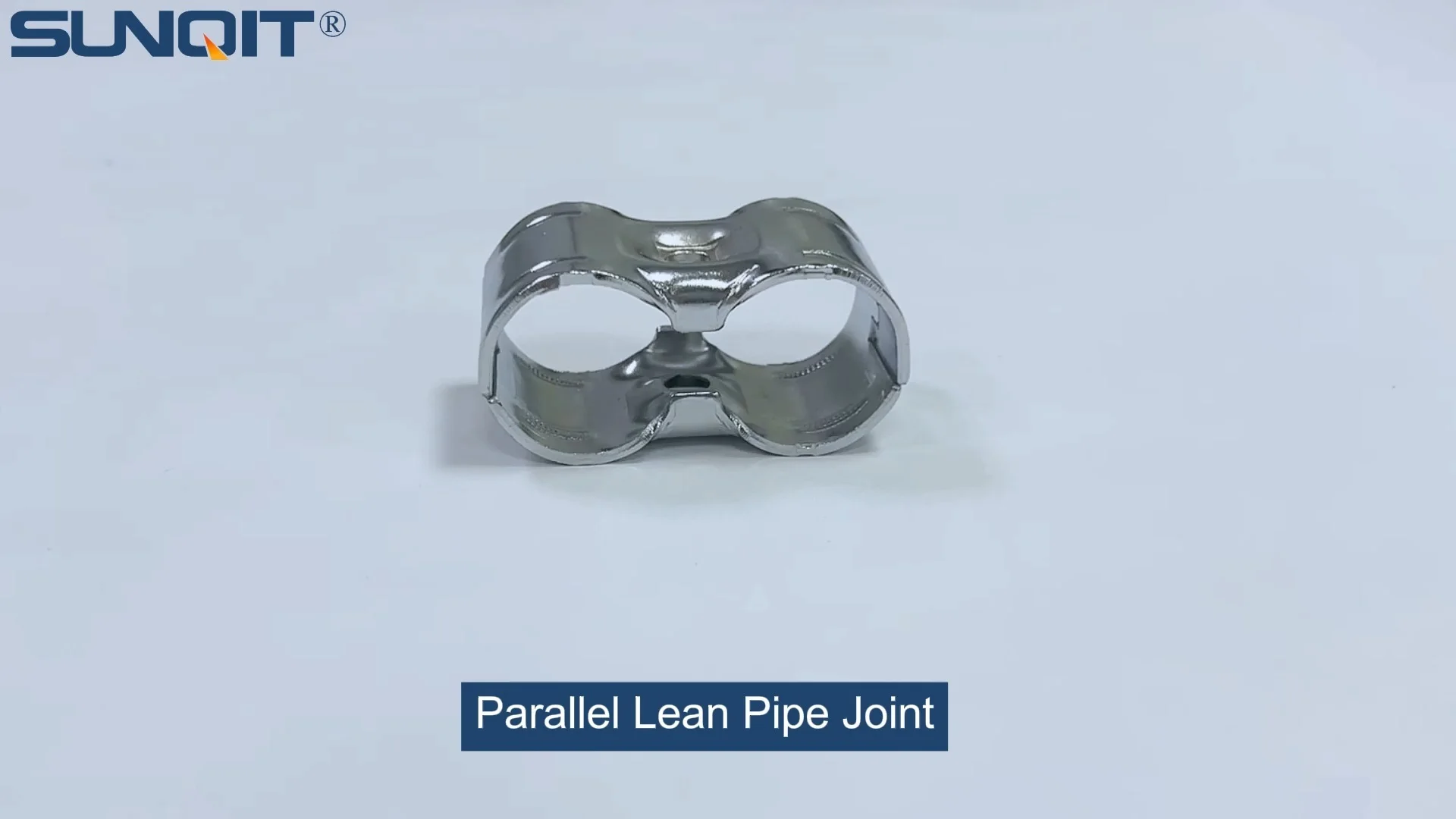
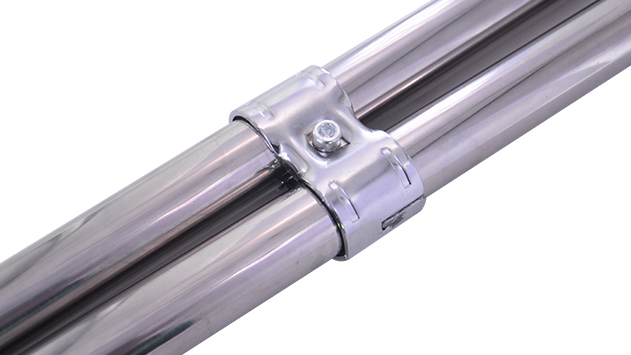
Parallel lean pipe joint used for 2 pcs 28MM lean pipe connection in parallel direction to enhance frame structure, usually for heavy payload requirement for workbench. flow rack, hand trolley.
Walk through any manufacturing plant, warehouse, or assembly line, and you'll likely spot a familiar sight: sturdy, flexible structures built from lean pipes and joints, quietly keeping operations running. From workbenches where technicians assemble delicate components to roller tracks that move materials seamlessly across the floor, these systems rely on small but critical parts to stay strong. One such unsung hero? The parallel lean pipe joint chrome. It's easy to overlook these shiny, unassuming connectors, but they're the glue that holds your lean system together. A loose or corroded joint can throw off an entire workflow—causing delays, compromising safety, or even damaging expensive equipment. That's why a proactive maintenance schedule isn't just a "nice-to-have"; it's the backbone of a reliable, efficient facility.
In this guide, we'll dive into everything you need to know about maintaining parallel lean pipe joint chrome. We'll break down daily, weekly, monthly, and annual tasks, share troubleshooting tips for common issues, and explain how these small efforts can save your team time, money, and headaches. Whether you're a facility manager overseeing a bustling production floor or a technician responsible for keeping workbenches and roller tracks in top shape, this article will turn you into a maintenance pro—no fancy tools required, just a little attention to detail and a commitment to keeping your lean system performing at its best.
Understanding the Parallel Lean Pipe Joint Chrome: More Than Just a Connector
Before we jump into maintenance, let's make sure we're all on the same page about what a parallel lean pipe joint chrome actually is. At first glance, it might look like a simple metal piece with a few holes, but its design is surprisingly clever. These joints are engineered to connect two parallel lean pipes (often used in workbenches, material racks, or conveyor systems) at a fixed distance, ensuring stability while allowing for the flexibility lean manufacturing is known for. The "chrome" in the name refers to the plating—a thin layer of chromium that gives the joint its shiny finish and, more importantly, protects it from rust, scratches, and wear. This plating is why these joints are a popular choice in environments where durability and aesthetics matter, like cleanrooms or customer-facing assembly areas.
Think about a typical lean pipe workbench in your facility. The flat surface you place tools on? It's supported by a frame of lean pipes connected by joints like these. If one parallel joint starts to loosen, the entire bench might wobble, making precise work harder. Or consider a roller track that feeds parts to an assembly station. If the joints holding the track's side rails together fail, the rollers could misalign, jamming the flow of materials. In short, these joints don't just connect pipes—they connect your team's ability to work efficiently. That's why understanding their role is the first step in keeping them (and your operations) healthy.
Pro Tip:
Not all parallel lean pipe joints are created equal. When sourcing replacements, look for a reputable lean pipe supplier that uses high-quality chrome plating (at least 0.0005 inches thick) and durable base materials like carbon steel. Cheap joints might save money upfront, but they'll corrode faster and require more frequent replacements—costing you more in the long run.
Daily Maintenance: Quick Checks That Prevent Big Problems
Daily maintenance doesn't have to be time-consuming. In fact, it should take no more than 5–10 minutes per work area, and it can be done by anyone on your team—from technicians to floor supervisors. The goal here is to spot obvious issues before they escalate. Here's what to focus on:
Visual Inspection: Trust Your Eyes
Start by walking around the areas where parallel lean pipe joint chrome is used—lean pipe workbenches, material racks (like the Material Rack B with 3 rows and 3 floors you might have in your warehouse), or roller track systems. Take a close look at each joint. What are you looking for? Loose bolts or screws (you might see a gap between the joint and the pipe), visible rust spots on the chrome plating, or any signs of physical damage, like dents or cracks. Even small issues, like a tiny chip in the chrome, can be a red flag—exposing the underlying metal to moisture and leading to corrosion later.
Don't forget to check the joints from different angles. Sometimes, a loose joint might not be obvious from the front but will stick out when you look at it from the side. And pay attention to how the structure feels: gently push on the workbench or rack. If it wobbles more than usual, there's a good chance a parallel joint (or a few) is loose. This quick check can catch issues like a joint that's started to back out after a busy day of heavy use.
Cleaning: Keep It Dust-Free
Facilities are dusty places—metal shavings, sawdust, or general debris can build up on joints over time. This might not seem like a big deal, but dust can trap moisture, speeding up corrosion, or even get into the threads of bolts, making them harder to tighten later. A quick wipe with a dry microfiber cloth is usually enough to keep joints clean. Avoid using water or harsh chemicals here—moisture can seep into the joint and cause rust, and chemicals might damage the chrome plating. If there's stubborn grime (like oil from a nearby machine), use a small amount of isopropyl alcohol on the cloth—just make sure to dry the joint thoroughly afterward.
Log It: Note What You See
Even if you don't find any issues, get in the habit of jotting down a quick note: "All parallel joints on Workbench E (single deck, without caster) checked—no looseness or damage." A simple log (digital or paper) helps you track trends over time. For example, if you notice the same joint on a roller track keeps coming loose, it might mean the threads are worn and the joint needs replacement, not just tightening. This log also comes in handy during weekly or monthly inspections, giving you a baseline to compare against.
Weekly Maintenance: Digging Deeper (But Still Simple)
Daily checks are about spotting problems; weekly maintenance is about fixing them before they get worse. This is when you'll grab a few basic tools—a wrench, a level, and maybe a wire brush—and spend 15–20 minutes per area. Let's break it down:
Tighten Fasteners: A Little Torque Goes a Long Way
Even the best-installed joints can loosen over time, thanks to vibrations from machinery, repeated loading/unloading, or temperature changes. Using a wrench (adjustable or socket, depending on the bolt type), gently tighten the bolts on each parallel lean pipe joint chrome. The key word here is "gently"—over-tightening can strip the threads or crack the joint, especially if the chrome plating has already weakened the metal. A good rule of thumb: tighten until you feel resistance, then give the wrench a quarter-turn more. If a bolt spins freely without tightening, stop—this means the threads are stripped, and the joint or bolt needs to be replaced.
Pay extra attention to joints in high-traffic areas. For example, the joints holding the frame of a hand trolley (like Hand Trolley A or B) are under constant stress from being pushed around, so they'll loosen faster than joints on a stationary material rack. Similarly, joints near roller tracks with heavy loads (think stainless steel swivel roller balls 1 inch moving metal parts) might need more frequent tightening than those in lighter-use areas.
Check for Corrosion: Chrome Plating Health
The chrome plating on your joints is their first line of defense against rust, but it's not indestructible. Weekly, take a closer look at the plating for chips, cracks, or "pitting" (small holes caused by corrosion). If you notice a chip, use a wire brush to gently remove any loose rust from the exposed metal, then apply a thin coat of anti-corrosion spray (like WD-40 Specialist Long-Term Corrosion Inhibitor). This won't fix the plating, but it will slow down rust until you can replace the joint. For pitting or large areas of rust, mark the joint for replacement—corroded metal weakens the joint, and it's only a matter of time before it fails.
Lubricate (If Needed): Keep Joints Moving Smoothly
Not all parallel lean pipe joints need lubrication—fixed joints (like those in a rigid workbench frame) are designed to stay tight, so adding oil here can attract dust. But if your joint has moving parts (e.g., some adjustable parallel joints used in flexible roller tracks), a drop of light machine oil (like 3-in-One Oil) on the pivot points can keep them moving smoothly. Wipe away excess oil to avoid attracting debris, and never use grease—it's too thick and will gum up the works over time.

Monthly Maintenance: Alignment and Long-Term Health
Monthly maintenance is when you'll take a step back and ensure your parallel lean pipe joint chrome is not just tight and clean, but also working with the rest of your lean system. This might take 30–45 minutes per area, but it's worth it to prevent misalignments that can cause bigger issues down the line.
Check Alignment: Straight and True
Over time, even properly tightened joints can shift slightly, throwing off the alignment of your lean pipes. For example, if the parallel joints on a roller track start to angle inward, the plastic roller track guide rail (yellow or grey) might misalign with the rollers, causing parts to get stuck. To check alignment, place a level on top of the parallel pipes connected by the joint. The bubble should be centered—if not, loosen the joint bolts slightly, adjust the pipes until they're level, then retighten. For vertical alignment (like the legs of a workbench), use a plumb bob or the level's vertical setting to ensure the pipes are straight up and down. Misaligned joints put extra stress on the system, leading to premature wear on both the joints and the pipes.
Inspect Adjacent Components: Joints Don't Work Alone
Joints are part of a team—they work with lean pipes, aluminum profiles, roller tracks, and even caster wheels (if the structure is mobile). Monthly, check how the parallel lean pipe joint chrome interacts with these components. For example, if the joint is connected to an aluminum profile (like 4040 EU standard aluminum profile), make sure there's no gap between the joint and the profile—this could mean the joint is bent or the profile is warped. If the joint is near a caster wheel, ensure the wheel's movement doesn't pull on the joint when the structure is moved. And if the joint is part of a roller track system, check that the stainless steel swivel roller balls 1 inch or plastic roller track guide rail are aligned with the joint—misalignment here can cause the track to bind.
Test Load Capacity: How Much Weight Can It Handle?
Every parallel lean pipe joint chrome has a maximum load rating (check the specs from your lean pipe supplier), and monthly is a good time to ensure you're not exceeding it. For a workbench, place a weight close to the maximum (e.g., if the joint is rated for 200 lbs, put 180 lbs of tools or materials on the bench) and leave it for 10–15 minutes. After removing the weight, check the joint for bending, cracking, or looseness. If you notice any deformation, the joint is overloaded—either reduce the weight on the structure or replace the joint with a higher-capacity model. This is especially important for material racks (like Material Rack B with 3 rows and 3 floors) that hold heavy inventory; overloading can lead to catastrophic failure.
Quarterly Maintenance: Deep Dives and Data
Quarterly maintenance is less about daily fixes and more about planning for the future. By this point, you've logged three months of daily and weekly checks, so you have data to spot patterns. This is when you'll assess wear, compare joints to new ones, and start budgeting for replacements if needed.
Compare to New Joints: Spotting Wear You Can't See
It's hard to notice gradual wear on a joint you see every day. That's why keeping a "reference" joint (a new one from your lean pipe supplier) in your maintenance closet is smart. Quarterly, take a new joint and compare it to one from your facility—check the thickness of the chrome plating (use a micrometer if you have one), the sharpness of the threads, and the fit when connected to a spare lean pipe. If your used joint has thinner plating, dull threads, or wobbles when connected to the pipe (while the new one fits snugly), it's a sign the joint is worn and should be scheduled for replacement within the next few months.
Review Maintenance Logs: Trends Tell a Story
Pull out those daily and weekly logs you've been keeping and look for trends. Do joints in a specific area (e.g., near a wash station with high humidity) corrode faster? Are joints on roller tracks with plastic roller track guide rail yellow more likely to loosen than those with grey rails? This data can help you adjust your maintenance schedule—maybe adding a second weekly tightening for high-vibration areas—or make better decisions when purchasing new equipment. For example, if humidity is causing corrosion, you might switch to stainless steel pipe series joints in that area instead of chrome-plated ones.
Clean and Organize Spare Parts: Be Ready for Replacements
No maintenance plan is complete without spare parts. Quarterly, take stock of your spare parallel lean pipe joint chrome, lean pipe clamps, and bolts. Make sure they're stored in a dry, clean area (a sealed plastic bin works well) to prevent rust. If you're low on spares, order more from your lean pipe supplier—running out during a breakdown can shut down production while you wait for delivery. While you're at it, clean any spare joints with a dry cloth to remove dust that might have settled during storage.
Annual Maintenance: Replacement and Refresh
Even with perfect maintenance, parallel lean pipe joint chrome won't last forever. Annual maintenance is when you'll make the big calls: which joints need to be replaced, and how to refresh your system for the year ahead. This is also a great time to involve your lean pipe supplier—they can provide insights on new joint designs or materials that might work better for your facility.
Full-System Inspection: Every Joint, Every Structure
Set aside a day (or a weekend, if needed) to inspect every parallel lean pipe joint chrome in your facility. This is more thorough than monthly checks—remove joints if necessary to inspect hidden areas (like the back of a workbench), use a magnifying glass to check for micro-cracks in the chrome plating, and test each joint's load capacity again. Make a list of joints that are corroded, bent, or no longer hold tight—these are your top candidates for replacement.
replace Worn Joints: Out with the Old, In with the New
When replacing joints, take the opportunity to upgrade if needed. For example, if you've had issues with chrome plating chipping, ask your lean pipe supplier about aluminum lean pipe joints—they're lighter and resistant to corrosion, though they might cost more upfront. If you're replacing joints on a mobile structure (like a turnover trolley), consider using joints with built-in locking mechanisms to prevent loosening from movement. And don't forget to properly dispose of old joints—recycle them if possible, as they're often made of steel that can be repurposed.
Train Your Team: Maintenance as a Habit
Finally, annual maintenance is a great time to refresh your team's training. Even if everyone knows the daily checks, a quick refresher on how to spot corrosion, tighten bolts correctly, or log issues can make a big difference. Invite a representative from your lean pipe supplier to lead a short workshop—they can share tips on joint care and answer questions your team might have. The goal is to make maintenance a shared responsibility, not just something the "maintenance guy" does. When everyone on the floor knows to report a loose joint, you'll catch issues faster and keep your system running smoothly.
The Maintenance Schedule at a Glance
To make it easy, here's a table summarizing the key tasks for each maintenance interval:
| Frequency | Tasks | Tools Needed | Key Notes |
|---|---|---|---|
| Daily | Visual inspection for looseness, damage, or rust; quick dusting with dry cloth; log findings. | Microfiber cloth, logbook/phone. | Focus on high-traffic areas first (trolleys, workbenches). |
| Weekly | Tighten bolts (quarter-turn after resistance); check chrome plating for chips; lubricate moving parts (if applicable). | Adjustable wrench, wire brush, anti-corrosion spray, light machine oil. | Stop tightening if bolts spin freely—threads are stripped. |
| Monthly | Check alignment with level; inspect adjacent components (pipes, profiles, rollers); test load capacity. | Level, plumb bob, weights (for load testing). | Misalignment causes extra stress—fix immediately. |
| Quarterly | Compare joints to new spares; review maintenance logs for trends; restock spare parts. | Micrometer (optional), spare joint for comparison, inventory list. | Order spares before you run out—delays cost money. |
| Annually | Full-system joint inspection; replace worn joints; team training refresher. | All tools above, replacement joints, supplier contact. | Consider upgrades (e.g., aluminum joints) if issues persist. |
Troubleshooting Common Issues: What to Do When Things Go Wrong
Even with the best maintenance, problems can pop up. Here's how to handle the most common parallel lean pipe joint chrome issues:
Issue: Joint is Loose, Even After Tightening
Cause: Stripped threads on the bolt or in the joint, or a worn washer that no longer grips. Solution: replace the bolt first—they're cheaper than joints. If the new bolt still loosens, the joint's threads are stripped; replace the joint. Add a lock washer (split or star-type) when reinstalling to prevent future loosening.
Issue: Chrome Plating is Peeling or Chipping
Cause: Impact damage (e.g., a dropped tool), exposure to chemicals, or poor plating quality. Solution: For small chips, clean the area and apply anti-corrosion spray. For large peeling areas, replace the joint—exposed metal will rust quickly, weakening the joint.
Issue: Joint is Rusting Under the Chrome
Cause: Moisture trapped under the plating (from high humidity or water exposure). Solution: replace the joint—rust under the chrome spreads invisibly, and the joint's strength is compromised. To prevent future rust, improve ventilation in the area or switch to stainless steel pipe series joints.
Issue: Joint is Bent or Misaligned
Cause: Overloading, impact, or uneven ground. Solution: If bent, replace the joint—bending weakens the metal, and it will fail under load. For misalignment, loosen adjacent joints, realign the pipes with a level, then retighten.
Final Thoughts: Maintenance is an Investment, Not a Cost
At the end of the day, maintaining your parallel lean pipe joint chrome is about more than keeping metal shiny. It's about keeping your facility running smoothly, your team safe, and your operations efficient. A loose joint might seem like a small problem, but it can snowball into missed deadlines, damaged products, or even injuries. By spending a few minutes each day, week, and month on these simple tasks, you're investing in the reliability of your lean system—and that pays off in less downtime, happier workers, and a stronger bottom line.
Remember, you're not alone in this. Your lean pipe supplier can be a valuable partner—they can provide replacement parts, share tips specific to their products, and even help train your team. And when you do need to replace joints, don't skimp on quality. High-quality parallel lean pipe joint chrome might cost a few dollars more, but it will last longer, require less maintenance, and keep your facility moving forward.
So grab your cloth, wrench, and logbook, and start today. Your future self (and your team) will thank you.