- Company Articles
- Products and Technology
- Product knowledge
- Parallel Lean Pipe Joint Chrome vs. Brass: Material Comparison for Industrial Use

Parallel Lean Pipe Joint Chrome vs. Brass: Material Comparison for Industrial Use
Related Product
Parallel Lean Pipe Joint Chrome
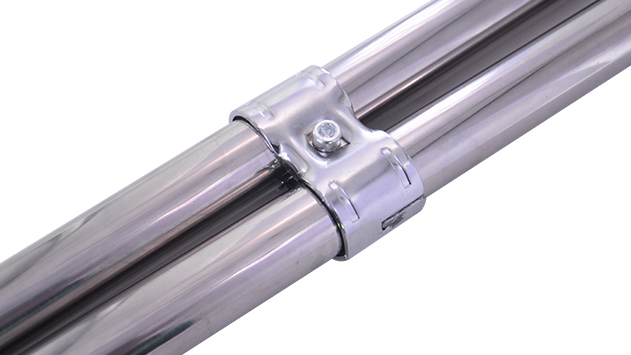
Parallel lean pipe joint used for 2 pcs 28MM lean pipe connection in parallel direction to enhance frame structure, usually for heavy payload requirement for workbench. flow rack, hand trolley.
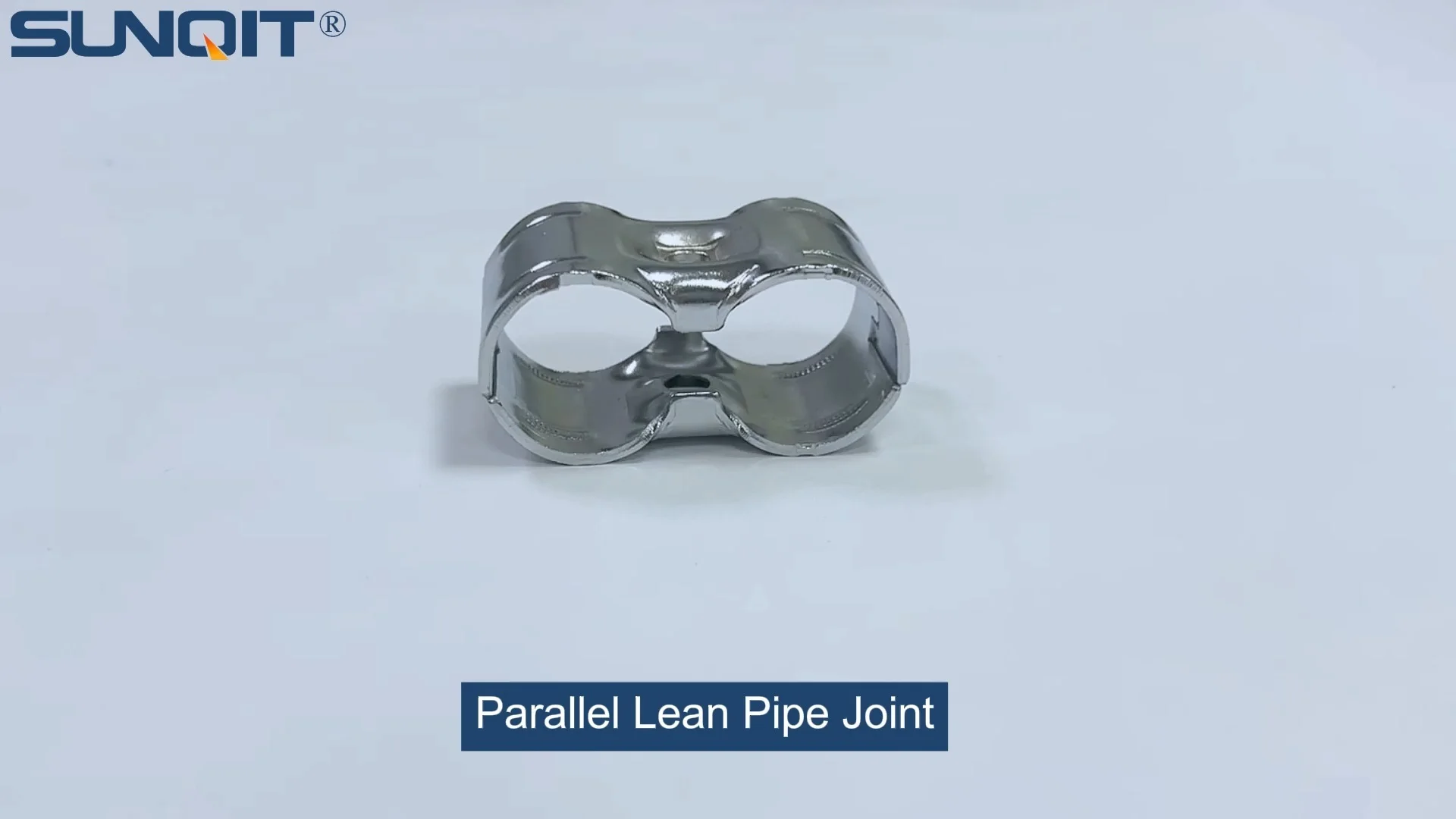
Walk into any modern factory, and you'll see the quiet heroes of manufacturing: lean systems hard at work. From production assemble lines humming with activity to conveyor belts moving components with precision, these systems rely on countless small but critical parts. Among them, the parallel lean pipe joint might be the most unassuming yet vital. These simple connectors hold together workbenches, material racks, and flow racks, ensuring everything stays stable, flexible, and efficient. But when it comes to choosing between chrome-plated and brass parallel lean pipe joints, the decision isn't just about aesthetics—it's about durability, cost, and keeping your operations running without a hitch. Let's dive into the details to help you pick the right material for your industrial needs.
Understanding Parallel Lean Pipe Joints: The Unsung Backbone of Lean Systems
Before we compare chrome and brass, let's make sure we're on the same page about what a parallel lean pipe joint actually does. In lean manufacturing, flexibility is king. You need workstations that can be reconfigured in hours, not days, and material handling systems that adapt to changing production needs. Parallel lean pipe joints are the building blocks that make this possible. They connect lean pipes (often aluminum, steel, or stainless steel) at parallel angles, creating sturdy frames for everything from workbenches to turnover trolleys.
Think of them as the "knees" of your production line—they take the weight, handle the stress, and keep things moving. A weak joint here can throw off an entire workflow: a wobbly workbench might slow down assembly, or a failed connection on a flow rack could lead to dropped materials and costly delays. That's why choosing the right material for these joints is so critical.
Real-World Scenario: A mid-sized electronics manufacturer recently switched from generic steel joints to chrome-plated parallel lean pipe joints. Within six months, they noticed a 40% reduction in joint replacements and a 15% decrease in downtime related to loose connections. The difference? The chrome plating added a layer of wear resistance that stood up to the constant vibration of their assembly line.
Material Basics: What Are Chrome and Brass Lean Pipe Joints?
Chrome-Plated Lean Pipe Joints: Strength with a Shiny Finish
Chrome-plated parallel lean pipe joints start with a base material—usually low-carbon steel or iron—shaped into the desired joint design (think T-joints, L-joints, or straight connectors). The base metal is then cleaned, treated, and dipped into a chromium plating bath, where an electric current bonds a thin layer of chromium to the surface. This process, called electroplating, creates a hard, smooth finish that's resistant to scratches and corrosion (when properly maintained).
The key here is that the chrome is just a coating—typically 5-10 microns thick (for reference, a human hair is about 50-100 microns thick). The real structural strength comes from the underlying steel, while the chrome adds protection and a polished look. This makes chrome joints a popular choice for budget-conscious operations that still need decent durability.
Brass Lean Pipe Joints: The Alloy Advantage
Brass parallel lean pipe joints, on the other hand, are made from solid brass—a naturally occurring alloy of copper (60-80%) and zinc (20-40%). Some variants might include small amounts of lead (for malleability) or nickel (for extra corrosion resistance). Unlike chrome-plated joints, there's no "coating" here; the entire joint is brass through and through. This means the material's properties—like corrosion resistance and conductivity—are consistent from the surface to the core.
Brass has been used in industrial applications for centuries, and for good reason. It's easy to machine (so joints can be crafted with precise tolerances), naturally resistant to many chemicals, and has a warm, golden appearance that doesn't require plating. However, this quality comes at a cost: brass is generally more expensive than chrome-plated steel, both in raw material and manufacturing.
Head-to-Head: Key Material Properties
Now, let's put these two materials side by side. We'll compare their critical properties to see how they stack up in industrial environments.
Hardness and Wear Resistance: Who Takes the Abuse Better?
In an industrial setting, "wear and tear" isn't just a figure of speech—it's a daily reality. Joints rub against pipes, vibrate under load, and sometimes even get bumped by forklifts or carts. Hardness directly impacts how well a joint resists scratches, dents, and deformation over time.
Chrome-plated joints shine here. Chromium is one of the hardest metals around, with a Vickers hardness of about 800-1,000 HV (for reference, a typical steel nail is around 200 HV). This hard surface means the joint can handle repeated friction—like when a caster wheel on a mobile workstation rolls over a bump, jostling the frame—without wearing down. However, there's a catch: the plating is thin. If it gets scratched or chipped, the underlying steel is exposed, which can lead to rust.
Brass, by comparison, is softer. Annealed brass (the most common type for joints) has a Vickers hardness of 60-100 HV, while cold-worked brass can reach up to 200 HV. This means brass joints are more prone to indentation if something heavy drops on them or if they're tightened too aggressively with tools. However, brass is more ductile than chrome-plated steel. Instead of chipping (like chrome), it bends slightly under stress, which can prevent sudden failure—a useful trait in applications with occasional overloading.
Corrosion Resistance: Fighting Rust and Chemicals
Factories are messy places. Oil, coolant, cleaning agents, and even humidity can all attack metal joints over time. Corrosion resistance is thus a make-or-break factor, especially in industries like food processing (where daily washdowns are common) or marine manufacturing (with salt air).
Chrome plating does a decent job of keeping corrosion at bay—when it's intact. The chromium layer forms a thin oxide film that acts as a barrier against water and oxygen. But, as mentioned earlier, scratches or chips in the plating expose the steel underneath. Once that happens, rust can start to spread, weakening the joint and leaving unsightly stains on pipes. In high-moisture environments, even a small scratch can lead to big problems.
Brass, on the other hand, is naturally corrosion-resistant. Its copper content reacts with oxygen to form a protective "patina"—a greenish layer that actually prevents further oxidation. This makes brass ideal for environments with water, chemicals, or salt. For example, in a brewery, where floors are constantly wet and exposed to acidic spills, brass joints will outlast chrome-plated ones by years. The downside? That patina can be unsightly if aesthetics matter, though some operations embrace it as a sign of "character."
Thermal and Electrical Conductivity: When Heat and Electricity Matter
Most industrial applications don't require joints to conduct heat or electricity, but there are exceptions. For example, in electronics manufacturing, static electricity can damage sensitive components, so conductive joints might be used to ground workstations. In foundries or heat-treated parts facilities, joints near ovens need to handle high temperatures without warping.
Brass is an excellent conductor of both heat and electricity—much better than chrome-plated steel. Its thermal conductivity is around 120 W/(m·K), compared to steel's 45 W/(m·K). This means brass joints can dissipate heat more quickly, making them a good choice for environments with temperature fluctuations. Electrically, brass is often used in grounding applications because it ensures a consistent flow of current, reducing static buildup.
Chrome-plated steel, by contrast, is a poor conductor. The chromium layer is non-conductive, and steel itself isn't as efficient as brass. This isn't a problem for most lean systems, but if you need your joints to play a role in static control or heat management, brass is the way to go.

Durability in Action: How They Hold Up Over Time
Hardness and corrosion resistance are important, but how do these materials perform in real-world industrial settings? Let's look at two common scenarios.
High-Vibration Environments: Automotive and Heavy Machinery
Automotive assembly lines are a torture test for lean pipe joints. Robotic arms pound out welds, conveyor belts shake as car frames pass by, and the constant hum of machinery sends vibrations through every joint. In this environment, chrome-plated joints have a clear edge. Their high hardness prevents the "micro-sliding" that occurs between joints and pipes under vibration, which can loosen connections over time. A study by a leading automotive manufacturer found that chrome-plated parallel lean pipe joints lasted an average of 3-5 years in their body shop, compared to 2-3 years for brass joints.
Brass joints, while ductile, can fatigue under constant vibration. The softer metal gradually deforms at the connection points, leading to loosening and the need for more frequent tightening. That said, brass joints are less likely to crack suddenly—they'll "warn" you with gradual wear, whereas a chrome-plated joint might fail abruptly if the plating chips and rust sets in.
Corrosive Environments: Food Processing and Pharmaceuticals
In food processing plants, joints are exposed to daily washdowns with hot water, soap, and sometimes acidic or alkaline cleaners. Here, brass takes the lead. Its natural corrosion resistance means it won't rust, even when soaked regularly. A dairy processor in Wisconsin switched to brass parallel lean pipe joints for their flow racks and reported zero joint failures in three years, compared to monthly replacements with chrome-plated steel (which rusted quickly despite regular maintenance).
Chrome-plated joints can work here, but they require extra care. You'll need to inspect them monthly for scratches, touch up the plating with anti-rust paint, and avoid using abrasive cleaners that could damage the surface. Over time, this maintenance adds up—both in labor costs and downtime.
Cost Analysis: Upfront Price vs. Lifecycle Value
Let's talk numbers. Chrome-plated parallel lean pipe joints are almost always cheaper upfront. On average, they cost 30-50% less than brass joints of the same size and design. For a small operation with a tight budget, this can be tempting—why pay more if you don't have to?
But lifecycle cost tells a different story. Let's say you need 100 joints for a material rack. Chrome joints cost $5 each ($500 total), and brass joints cost $10 each ($1,000 total). If the chrome joints last 2 years and the brass joints last 5 years, the annual cost for chrome is $250, vs. $200 for brass. Add in maintenance: chrome joints need anti-rust spray every quarter ($20/year) and occasional replacements ($50/year for unexpected failures). Brass joints need almost no maintenance beyond occasional tightening. Suddenly, brass becomes the cheaper option over time.
It's also worth considering downtime. A failed joint on a busy production line can cost hundreds or even thousands of dollars per hour in lost productivity. Brass joints, with their longer lifespan and lower failure rate, help avoid these unexpected costs.
Side-by-Side Comparison: Chrome vs. Brass at a Glance
| Property | Chrome-Plated Lean Pipe Joint | Brass Lean Pipe Joint |
| Material Composition | Steel core with chromium plating (5-10 microns thick) | Solid brass alloy (copper + zinc, sometimes lead/nickel) |
| Vickers Hardness | 800-1,000 HV (plating); 200-300 HV (steel core) | 60-200 HV (varies by brass type) |
| Corrosion Resistance | Good if plating is intact; poor if scratched (rusts) | Excellent (forms protective patina) |
| Upfront Cost | Lower ($3-$8 per joint) | Higher ($8-$15 per joint) |
| Lifespan (Industrial Use) | 2-5 years (depending on environment) | 5-8 years (depending on environment) |
| Best For | High-vibration, low-moisture environments (automotive, heavy machinery) | Corrosive, high-moisture, or precision environments (food processing, electronics) |
| Maintenance Needs | Regular inspection for plating damage; anti-rust treatments | Minimal (occasional tightening; patina removal if desired) |
Making the Right Choice: A Decision Framework
So, which material is right for you? It depends on three key factors: your environment, your budget, and your long-term goals.
Ask Yourself These Questions:
1. How corrosive is your workspace? If you deal with water, chemicals, or humidity (e.g., food processing, marine), brass is worth the investment. If your environment is dry and clean (e.g., office-based assembly), chrome might suffice.
2. How much vibration does your system endure? High-vibration settings (automotive, manufacturing) benefit from chrome's hardness. Low-vibration settings (warehousing, light assembly) can use brass without issue.
3. What's your budget timeline? If you need to save money now and can handle regular replacements, chrome works. If you want to minimize long-term costs and downtime, brass is better.
4. Do you need conductivity? For static control or heat management, brass is the clear choice.
Case Study: A Small Bakery's Dilemma A family-owned bakery needed a new flow rack for cooling trays. Their kitchen is hot and humid, with daily washdowns. They initially considered chrome joints to save money, but after calculating lifecycle costs (chrome would need replacement every 2 years, brass every 5 years), they opted for brass. Five years later, the rack is still standing strong, and they've saved $300 in replacement costs alone.
Conclusion: Building a Leaner, More Resilient Future
At the end of the day, there's no "one-size-fits-all" answer. Chrome-plated parallel lean pipe joints are a solid choice for dry, high-vibration environments where upfront cost is a priority. Brass joints, with their corrosion resistance, longevity, and conductivity, excel in harsh or precision-focused settings—even if they cost more initially.
The key is to look beyond the price tag and consider how each material will perform in your unique workspace. Whether you're assembling electronics, processing food, or building cars, the right parallel lean pipe joint material can mean the difference between a system that struggles and one that thrives. After all, in lean manufacturing, every detail counts—and that includes the humble joint holding it all together.