- Company Articles
- Products and Technology
- Product knowledge
- Parallel Lean Pipe Joint Chrome vs. Galvanized: Which Resists Corrosion Better?

Parallel Lean Pipe Joint Chrome vs. Galvanized: Which Resists Corrosion Better?
Related Product
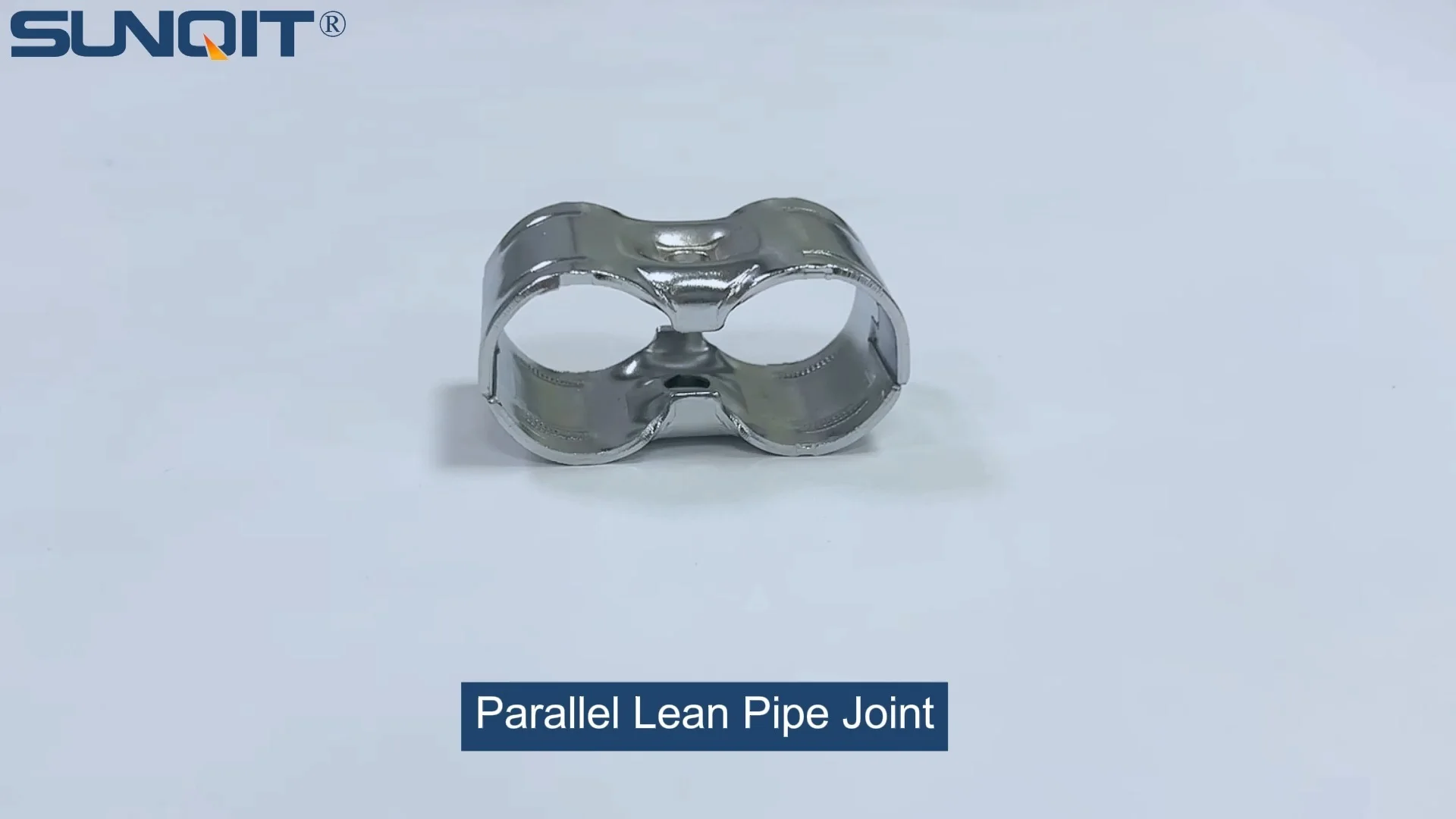
Parallel Lean Pipe Joint Chrome
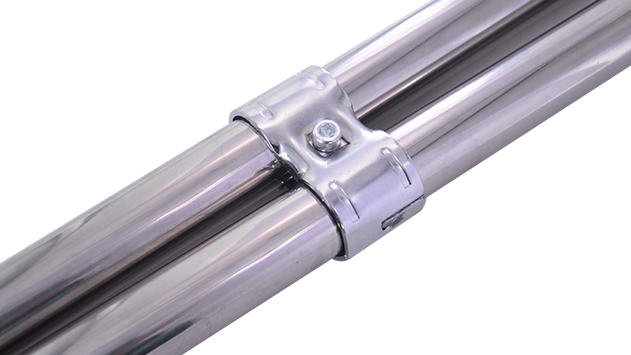
Parallel lean pipe joint used for 2 pcs 28MM lean pipe connection in parallel direction to enhance frame structure, usually for heavy payload requirement for workbench. flow rack, hand trolley.
Picture this: It's a busy Tuesday morning on your factory floor. The hum of conveyor belts fills the air, workers move efficiently between lean pipe workbenches, and everything seems to be running like a well-oiled machine. Then, your maintenance supervisor pulls you aside, pointing to a section of your flow rack where the parallel lean pipe joints connecting the aluminum pipes have started to rust. "This could slow down production if we don't fix it soon," they say. Suddenly, that small patch of corrosion feels like a ticking time bomb—threatening downtime, repair costs, and the hard-earned efficiency of your lean system.
If you've ever faced this scenario, you know that choosing the right components for your lean setup isn't just about functionality—it's about longevity. And when it comes to parallel lean pipe joints, two options dominate the market: chrome-plated and galvanized. Both promise to protect against corrosion, but how do they really stack up? Which one will keep your workbenches, material racks, and roller tracks rust-free for years to come? Let's dive in.
First Things First: What Are Parallel Lean Pipe Joints, Anyway?
Before we compare chrome and galvanized coatings, let's make sure we're on the same page about the star of the show: the parallel lean pipe joint. If you're familiar with lean manufacturing, you know that flexibility and modularity are king. Lean pipe systems—used to build workbenches, turnover trolleys, flow racks, and conveyor supports—rely on these joints to connect aluminum or steel pipes into sturdy, customizable structures.
Parallel lean pipe joints, as the name suggests, are designed to connect pipes that run parallel to each other. Think of them as the "elbows" or "T-joints" of the lean world, but optimized for side-by-side pipe configurations. They're the unsung heroes holding up your production line: supporting heavy tool trays on your workbench, keeping roller tracks aligned for smooth material flow, and ensuring your material rack B (with its 3 rows and 3 floors) doesn't wobble under the weight of inventory.
But here's the thing: these joints take a beating. They're exposed to moisture from cleaning sprays, chemicals from lubricants, and even the occasional bump from a forklift. Over time, that exposure leads to corrosion—and corrosion leads to weak joints, wobbly structures, and eventually, costly replacements. That's where chrome and galvanized coatings come in: they're the armor that stands between your joints and the elements.
Chrome-Plated Joints: The Shiny Contender
How Chrome Plating Works
Chrome-plated parallel lean pipe joints (like the parallel lean pipe joint chrome you might see in supplier catalogs) start as steel or aluminum joints that are dipped in a bath of chromium solution and zapped with electricity—a process called electroplating. The result? A thin, mirror-like layer of chromium (usually 5 to 20 microns thick) bonded to the surface of the joint.
Let's break that down in plain terms. Imagine painting a fence, but instead of a brush, you use an electric current to "push" the paint (chromium) onto the metal. The electricity ensures the chromium sticks tight, creating a hard, smooth barrier. This barrier is what makes chrome joints so popular in settings where looks matter—think cleanrooms, electronics assembly lines, or showrooms where the shine of your lean system doubles as a reflection of your facility's professionalism.
Corrosion Resistance: A Hard, Shiny Barrier
Chrome's claim to fame is its hardness. Chromium is one of the hardest metals on the planet, so the coating resists scratches, dents, and wear better than many other finishes. When it comes to corrosion, chrome acts like a suit of armor: as long as the coating stays intact, it blocks moisture and oxygen from reaching the steel underneath, preventing rust.
But here's the catch: that armor is thin. If a chrome joint gets scratched—say, from a dropped tool or a misaligned pipe during assembly—the tiny crack in the coating becomes a gateway for water and oxygen. Without any backup protection, the steel underneath starts to rust, and that rust can spread quickly under the chrome layer, creating unsightly bubbles or "pitting" that's hard to fix.
Best For: Indoor, Low-Moisture Environments
Chrome joints thrive in controlled environments. If your lean system lives in a dry factory, a climate-controlled warehouse, or a cleanroom where humidity is kept low, chrome will hold up beautifully. It's also a favorite in industries where aesthetics matter—like pharmaceutical manufacturing or high-end electronics—because that shiny finish is easy to wipe clean and looks professional.
Galvanized Joints: The Rugged Workhorse
How Galvanization Works
Galvanized parallel lean pipe joints (often just called parallel lean pipe joint in supplier listings, since galvanization is a common default) take a different approach. Instead of electroplating, they're dipped in a bath of molten zinc (around 450°C) in a process called hot-dip galvanizing. The steel joint reacts with the zinc, forming a thick, layered coating (typically 50 to 100 microns—five to ten times thicker than chrome) that bonds chemically to the metal.
Think of it like roasting a marshmallow: the zinc melts and "soaks" into the surface of the steel, creating a tough, integrated layer. When it cools, that layer becomes a mix of zinc-iron alloys and pure zinc, which acts like a shield with built-in backup.
Corrosion Resistance: The "Sacrificial" Shield
Galvanized coatings don't just block moisture—they fight back. Zinc is more reactive than steel, which means if the coating gets scratched, the zinc acts as a "sacrificial anode." Picture it as a bodyguard: when rust-causing elements attack, zinc steps in and corrodes first, protecting the steel underneath. This is called "cathodic protection," and it's why a small scratch on a galvanized joint rarely leads to widespread rust. The zinc around the scratch simply sacrifices itself to keep the steel safe.
The thick coating helps too. At 50-100 microns, galvanized layers are far more durable than chrome. They can handle bumps, scrapes, and even minor impacts without cracking. And because the coating is chemically bonded to the steel, it won't peel or bubble like paint—even in high humidity or temperature swings.
Best For: Harsh, High-Moisture Environments
Galvanized joints are the go-to for tough conditions. If your lean system is outdoors (like a loading dock flow rack), in a wet factory (think food processing or car washes), or near chemicals (oil, coolants, or cleaning agents), galvanized is the way to go. They're also popular in warehouses with high humidity or in regions with heavy rain, where chrome joints would start rusting within a year or two.

Head-to-Head: The Ultimate Comparison
| Feature | Chrome-Plated Parallel Lean Pipe Joints | Galvanized Parallel Lean Pipe Joints |
|---|---|---|
| Coating Thickness | Thin (5-20 microns) | Thick (50-100 microns) |
| Corrosion Protection Mechanism | Barrier only (blocks moisture; no backup if scratched) | Barrier + sacrificial anode (zinc corrodes first to protect steel) |
| Scratch Resistance | High (hard chromium resists scratches well) | Moderate (softer zinc is prone to scratches, but damage is self-limiting) |
| Best Environment | Indoor, dry, low-humidity (cleanrooms, electronics assembly) | Outdoor, wet, high-humidity (food processing, warehouses, washdown areas) |
| Aesthetic Appeal | High (shiny, mirror-like finish) | Moderate (matte gray, industrial look) |
| Initial Cost | Higher (electroplating is a complex, labor-intensive process) | Lower (hot-dip galvanizing is faster and more scalable) |
| Longevity (Outdoor Use) | 5-10 years (prone to rust in humidity/rain) | 20-30 years (zinc coating withstands weathering) |
| Maintenance Needs | High (requires polishing to retain shine; rust is hard to repair) | Low (just occasional cleaning; scratches can be touched up with zinc paint) |
Real-World Stories: How the Choice Impacts Your Bottom Line
Case Study 1: The Auto Parts Plant That Switched to Galvanized
A mid-sized auto parts manufacturer in Michigan used chrome-plated parallel lean pipe joints on their assembly line workbenches. The plant had high humidity (thanks to steam from cleaning equipment), and within two years, the joints started showing rust spots. "We were replacing joints every 6 months," says the plant manager, Maria Gonzalez. "The rust wasn't just ugly—it was making the workbenches wobbly, and we had to shut down lines to fix them."
They switched to galvanized joints, and the difference was dramatic. "Five years later, those joints still look brand new," Maria reports. "We haven't had a single rust issue, even in the washdown areas. The initial cost was lower, and we've saved thousands on replacements and downtime."
Case Study 2: The Electronics Cleanroom Sticking With Chrome
Over in California, a semiconductor manufacturer uses chrome-plated joints in their Class 100 cleanroom. "Aesthetics and cleanliness are non-negotiable here," explains facility engineer Raj Patel. "Our lean pipe workbenches hold sensitive microchips, and any dust or rust could ruin a batch. Chrome is smooth, easy to wipe down with alcohol, and the shiny finish helps us spot contaminants quickly."
Since the cleanroom is kept at 45% humidity and 72°F year-round, the chrome joints have lasted over 10 years without rust. "We don't have scratches because the cleanroom is strictly no-tools-allowed except during maintenance," Raj adds. "For our environment, chrome is worth the extra cost."
Making Your Choice: 5 Key Questions to Ask
Still on the fence? Ask yourself these questions to narrow it down:
- Where will the joint live? Outdoor or high-moisture area? Go galvanized. Indoor, dry, or cleanroom? Chrome could work.
- How much maintenance can you handle? If you don't have time for polishing or rust repairs, galvanized is lower-maintenance.
- Does appearance matter? If clients tour your facility or you need a sleek look, chrome's shine is hard to beat.
- What's your budget? Galvanized is cheaper upfront and lasts longer in harsh conditions—better for long-term ROI.
- Will the joints get scratched? If your team moves pipes often or uses heavy tools nearby, galvanized's sacrificial protection is a lifesaver.
Final Thoughts: It's All About Your Environment
At the end of the day, there's no "better" option—only the right one for your needs. Chrome-plated parallel lean pipe joints shine (literally) in controlled, indoor settings where looks and low maintenance (in dry conditions) are priorities. Galvanized joints, on the other hand, are the rugged workhorses that thrive in harsh, wet, or outdoor environments, offering unbeatable corrosion resistance and long-term durability.
So, whether you're setting up a new lean system or upgrading an old one, remember: the best lean pipe joint is the one that matches your environment. Choose wisely, and your joints will keep your production line running smoothly for years to come.