- Company Articles
- Products and Technology
- Product knowledge
- Parallel Lean Pipe Joint Chrome vs. Plastic: Which is Better for Light-Duty Use?

Parallel Lean Pipe Joint Chrome vs. Plastic: Which is Better for Light-Duty Use?
Related Product
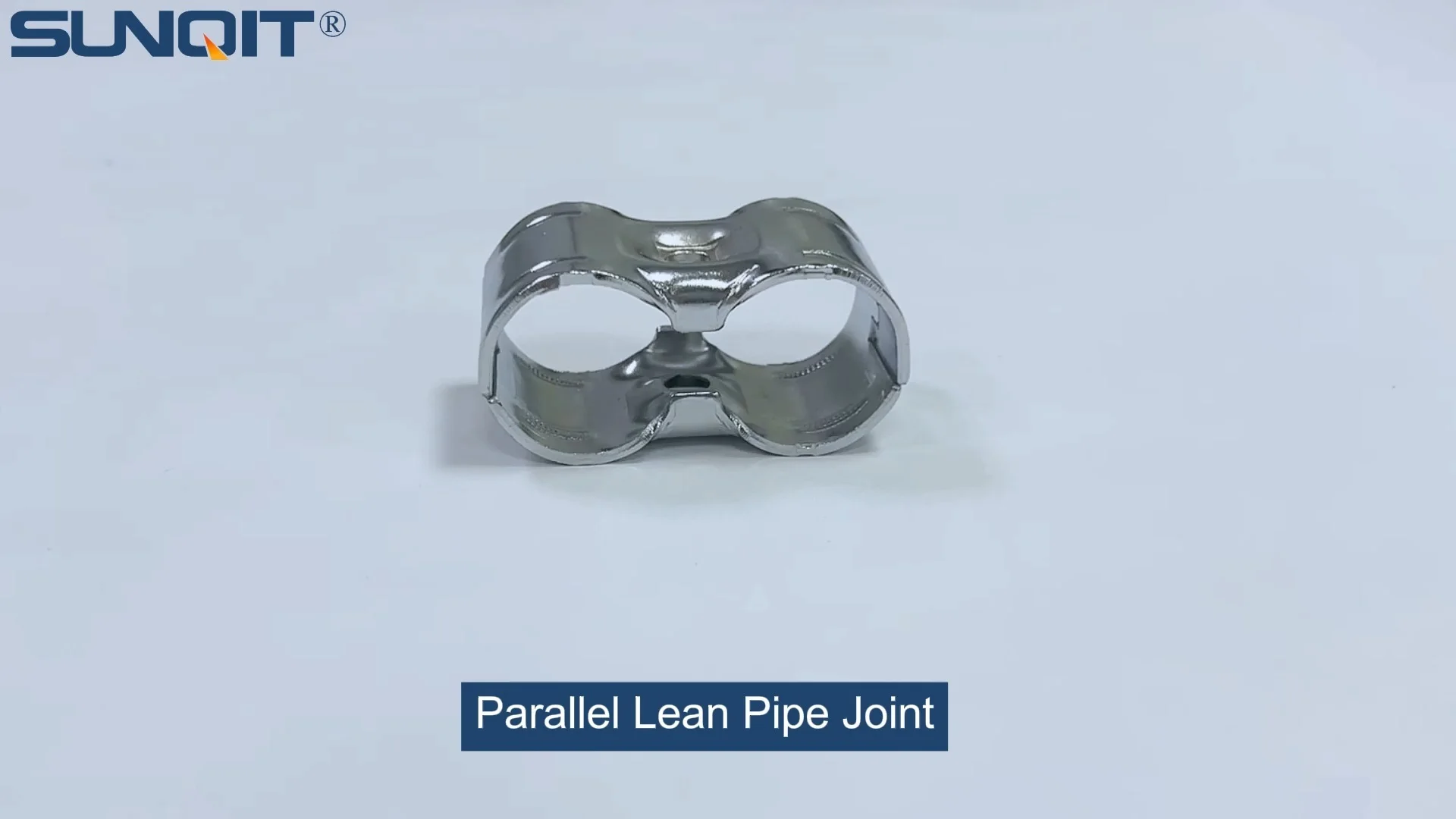
Parallel Lean Pipe Joint Chrome
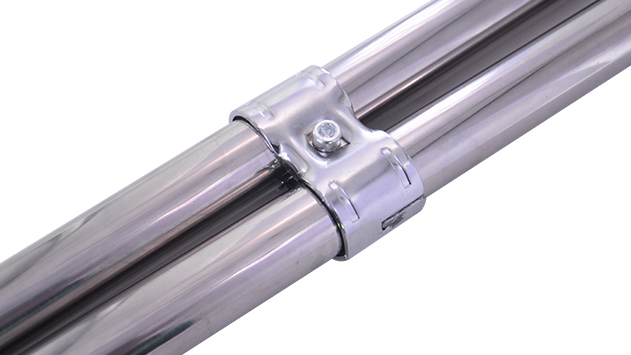
Parallel lean pipe joint used for 2 pcs 28MM lean pipe connection in parallel direction to enhance frame structure, usually for heavy payload requirement for workbench. flow rack, hand trolley.
In the world of lean manufacturing, every component counts. From the workbench where assemblies take shape to the trolley that moves parts across the floor, the systems we build are only as strong as their weakest link. And when it comes to lean pipe systems—those versatile, modular setups that power small workshops, labs, and assembly lines—one component often flies under the radar but holds everything together: the parallel lean pipe joint. Today, we're diving into a common dilemma for small-scale operations and light-duty users: choosing between chrome-plated and plastic parallel lean pipe joints. Let's break down their strengths, weaknesses, and which one might be the right fit for your workbench, turnover trolley, or material rack.
The Backbone of Lean Systems: Why Joints Matter
Before we jump into the chrome vs. plastic debate, let's take a step back. Lean pipe systems—often called "flexible pipe systems"—are the unsung heroes of small-batch production, workshops, and even hobby spaces. Made from lightweight pipes (like aluminum lean pipe or steel with plastic coatings) and a variety of joints, they let you build everything from custom workbenches to mobile trolleys without welding or complex tools. Think of them as the "Lego sets" of manufacturing: modular, adaptable, and designed to evolve with your needs.
But here's the thing: while the pipes get all the attention, the joints are what make the magic happen. A parallel lean pipe joint, in particular, is designed to connect two pipes side-by-side, creating stable frames for workbenches, shelves, or the sides of a turnover trolley. It's a small part, but it bears the brunt of daily use—supporting tools, materials, and the constant motion of a busy workspace. For light-duty applications (we're talking loads under 50kg, like a bench for assembling small electronics or a trolley moving office supplies), the choice between chrome and plastic joints can impact everything from cost to durability to how easy it is to reconfigure your setup down the line.
Real-World Context: Imagine a small electronics repair shop. They need a workbench with shelves to hold tools, a trolley to move devices between stations, and a material rack for spare parts. All of these will use lean pipe and accessories, with parallel joints holding the frames together. If they skimp on joints that can't handle the daily wear, the workbench might wobble, the trolley could sag, and they'll end up replacing parts sooner than expected. On the flip side, overspending on heavy-duty joints for light loads is just wasted budget. So, choosing right matters.
Meet the Contenders: Chrome vs. Plastic Parallel Lean Pipe Joints
Let's start by getting to know our two candidates. Both chrome and plastic parallel lean pipe joints do the same basic job—connect pipes—but they're built from very different materials, with distinct trade-offs.
Chrome-Plated Parallel Lean Pipe Joints: The Heavyweights (for Light Duty)
Chrome joints are typically made from steel with a chrome plating, or sometimes stainless steel for extra corrosion resistance. They're the "traditional" choice, favored for their heft and industrial look. You'll recognize them by their shiny, silver finish and solid feel—pick one up, and it's clear this isn't a flimsy part. The chrome plating adds a layer of protection against rust and scratches, making them a popular choice for environments where durability matters, even in light-duty setups.
Commonly used in lean pipe workbench frames, where stability is key, chrome joints are designed to lock pipes in place with a tight, secure fit. They often use set screws or clamping mechanisms to hold pipes steady, which means once you tighten them, they're not going anywhere—great for workbenches that stay in one spot and need to support tools, laptops, or small assembly projects.
Plastic Parallel Lean Pipe Joints: The Lightweight Innovators
Plastic joints, on the other hand, are the new kids on the block—though "new" is relative; they've been around long enough to prove their worth. Made from high-strength plastics like nylon or polypropylene (sometimes reinforced with glass fiber for extra toughness), they're lightweight, often cheaper, and come in colors like black, gray, or even yellow (think of those bright, cheerful lean systems in startup labs). Unlike chrome, plastic joints don't rust, and they're designed to be easy to handle—no sharp edges, and often with ergonomic knobs for quick adjustments.
These are the go-to for turnover trolleys, temporary setups, or environments where weight matters. For example, a trolley used to move documents or small parts around an office needs to be easy to push; a plastic joint keeps the overall weight down without sacrificing stability. They're also popular in settings where noise is a concern—plastic doesn't clang like metal, so you won't disturb coworkers every time you bump the trolley.
Head-to-Head: Comparing Chrome and Plastic for Light-Duty Use
Now, let's put these two head-to-head. We'll break down the key factors that matter for light-duty applications: durability, cost, ease of use, load capacity, and more. By the end, you'll have a clear picture of which joint deserves a spot in your lean system.
1. Durability: Which Holds Up Better Over Time?
When we talk about "durability" in light-duty use, we're not talking about supporting heavy machinery. We're talking about daily wear and tear: tightening and loosening joints when reconfiguring a workbench, the occasional bump from a trolley, or exposure to dust, moisture, or temperature changes in a typical workshop.
Chrome Joints: Thanks to their steel core and chrome plating, these joints are tough. The chrome resists scratches and minor corrosion (though if the plating chips, the underlying steel might rust over time, especially in humid environments). They can handle repeated tightening without stripping threads, which is a big plus if you like to rearrange your setup often. For a lean pipe workbench that stays in one place and supports steady, light loads (like a soldering station or a packing table), chrome joints will likely outlast plastic ones by a few years.
Plastic Joints: Modern plastics are surprisingly durable, but they have limits. Nylon and polypropylene are resistant to moisture and chemicals (great for labs or spaces with cleaning agents), but they can degrade over time if exposed to direct sunlight (UV rays break down the plastic) or extreme heat (over 60°C might make them soft). They're also more prone to "creep"—a slow deformation under constant stress—so if you leave a heavy tool on a shelf held by plastic joints for months, you might notice a slight sag. That said, for light, intermittent loads (like a turnover trolley that's emptied and refilled daily), plastic joints hold up just fine—many users report them lasting 3–5 years with regular use.
2. Cost: Saving Cents or Investing in Longevity?
Budget is often the first thing small workshops and hobbyists consider. Let's cut to the chase: plastic joints are almost always cheaper upfront.
Chrome Joints: Expect to pay 2–3 times more for a chrome parallel joint than a plastic one. Why? Steel and chrome plating cost more to manufacture, and the precision machining needed for tight threads adds to the price. For example, a single chrome parallel joint might cost $8–$12, while a plastic one could be $3–$5. If you're building a large workbench with 20 joints, that difference adds up fast—we're talking $100 vs. $40. But remember: chrome joints often last longer, so you might save money in the long run by not replacing them as often.
Plastic Joints: The low upfront cost is their biggest selling point. For small projects or startups on a tight budget, plastic joints let you build a functional lean system without breaking the bank. A basic turnover trolley with 8 plastic joints might cost $30 in joints alone, compared to $80 with chrome. If you're not sure how long you'll need the setup (like a temporary workspace for a 6-month project), plastic is a no-brainer. Just factor in replacement costs if you plan to use it long-term.
3. Ease of Use: From Setup to Reconfiguration
Lean systems are all about flexibility, so how easy is it to install and adjust the joints? This matters whether you're a seasoned pro or a hobbyist building your first workbench.
Chrome Joints: They're sturdy, but they can be a pain to tighten. Most chrome joints use hex screws or Allen keys, which require a tool—no quick "hand-tighten" here. If you're building a workbench, you'll need a wrench or driver to get them secure, and over-tightening can strip the threads (though steel threads are more forgiving than plastic). On the flip side, once tight, they don't loosen on their own—great for stability, bad if you need to move a pipe an inch to the left five minutes later.
Plastic Joints: Designed for speed. Many plastic joints use hand-tighten knobs or "snap-on" designs, so you can assemble a turnover trolley in 15 minutes without tools. The plastic is slightly flexible, which makes aligning pipes easier—no fighting to get two pipes perfectly straight before tightening. They also loosen more easily, which is a plus if you're always tweaking your setup (like adding a shelf to your workbench or adjusting the height of a trolley handle). The downside? They can vibrate loose over time (say, if your trolley gets jostled on rough floors), so you'll need to check and retighten them every few weeks.
4. Load Capacity: How Much Can They Really Handle?
Light-duty use doesn't mean "no load"—you still need joints that can support your tools, parts, or products without failing. Manufacturers often list "maximum load" for joints, but real-world use is different (dynamic loads, like a trolley moving, stress joints more than static loads).
Chrome Joints: Steel is stronger than plastic, so chrome joints have higher load capacities. A typical parallel chrome joint can handle 20–30kg per joint in static use (like a shelf on a workbench). For dynamic loads (a trolley moving), that drops to around 15–20kg per joint, but that's still more than enough for light items (a box of screws, a laptop, or a stack of circuit boards). If you occasionally need to set a heavier tool (like a 10kg drill press) on your workbench, chrome joints will give you peace of mind.
Plastic Joints: Most plastic parallel joints top out at 10–15kg per joint static, and 5–10kg dynamic. That might sound low, but let's put it in context: a small turnover trolley has 4–6 joints per shelf, so a single shelf could hold 40–60kg (plenty for office supplies, small parts, or even a few textbooks). For a workbench with a solid top, the weight is distributed across many joints, so plastic can still work—just avoid piling heavy items in one spot. Think of it this way: if you're using your lean system for anything heavier than a microwave, chrome is safer. For everything else, plastic is fine.
5. Aesthetics and Environment: More Than Just Function
It might seem trivial, but how your workspace looks and feels matters. Chrome and plastic joints have very different vibes, and they interact with their environment in unique ways.
Chrome Joints: They scream "industrial." The shiny finish looks professional, which is great if clients visit your workshop or you want a polished look. They're also easy to clean—just wipe with a damp cloth to remove dust or grease. The downside? They're cold to the touch (not a big deal, but worth noting) and can scratch wood or delicate surfaces if you drag a chrome-jointed trolley across a table.
Plastic Joints: Colorful and modern. Many come in black, gray, or even custom colors, so you can match your brand or workspace theme (yellow joints for a playful lab, black for a sleek office setup). They're soft, so they won't scratch floors or tables, and they're quiet—no clanging when you move pipes or bump the trolley. Plastic is also non-conductive, which is a safety plus in electronics workshops (no risk of short circuits if a wire touches the joint). The only aesthetic downside? They can look "cheap" compared to chrome, which might matter if you're trying to impress visitors.

The Comparison Table: At a Glance
| Factor | Chrome-Plated Parallel Lean Pipe Joints | Plastic Parallel Lean Pipe Joints |
|---|---|---|
| Material | Steel with chrome plating or stainless steel | Nylon, polypropylene, or reinforced plastic |
| Cost | Higher ($8–$12 per joint) | Lower ($3–$5 per joint) |
| Durability | Longer (5–7 years typical; resists scratches, rust with intact plating) | Shorter (3–5 years typical; vulnerable to UV, heat, and creep) |
| Ease of Installation | Requires tools (hex key/wrench); tight, secure fit | Tool-free (hand-tighten); flexible alignment |
| Load Capacity (Static) | 20–30kg per joint | 10–15kg per joint |
| Noise & Vibration | Clangs; tight fit resists vibration loosening | Quiet; may loosen with vibration |
| Best For | Static setups (lean pipe workbench), steady loads, professional aesthetics | Mobile setups (turnover trolley), frequent reconfigurations, budget projects |
Real-World Scenarios: Which Joint Wins for Your Use Case?
Tables are helpful, but let's ground this in real life. Here are three common light-duty scenarios and which joint makes sense for each.
Scenario 1: The Home Workshop Workbench
You're a hobbyist building a workbench for woodworking, 3D printing, or electronics. It will stay in your garage, hold tools (drill, soldering iron, 3D printer), and you might rearrange the shelves once or twice a year. Load is light (under 40kg total), and you want it to last 5+ years.
Winner: Chrome Joints. The static load and desire for longevity make chrome the better choice. You won't mind using tools to assemble it, and the industrial look fits a workshop vibe. Plus, you won't have to worry about UV damage in the garage (unless you have big windows) or creep from your tools sitting on the shelf.
Scenario 2: The Office Turnover Trolley
Your team needs a trolley to move files, printer paper, and small office supplies between desks. It will be used daily, pushed over carpet, and occasionally left outside during office moves (exposed to sunlight). Load is very light (under 20kg), and you want to build two trolleys on a tight budget.
Winner: Plastic Joints. Light load, mobile use, and budget constraints make plastic ideal. The quiet, scratch-free design won't damage office floors, and the lower cost lets you build two trolleys for the price of one with chrome. Just keep it out of direct sunlight when possible.
Scenario 3: The Lab Material Rack
A university lab needs a small rack to hold test tubes, beakers, and chemicals (mild acids, alcohol). It will stay in one place, be cleaned weekly with disinfectant, and support very light loads (under 15kg). Corrosion resistance and safety (non-conductive) are priorities.
Winner: Plastic Joints. Plastic resists chemicals and moisture better than chrome (even stainless steel can corrode with repeated exposure to acids). It's non-conductive, which is safer around lab equipment, and the easy cleaning is a bonus. The light load means creep isn't an issue, and you won't need to reconfigure often.
The Verdict: Choosing What's Right for You
At the end of the day, there's no "one-size-fits-all" answer. Chrome and plastic parallel lean pipe joints each excel in different scenarios. Here's a quick guide to help you decide:
- Choose Chrome If: You need durability for static, long-term setups (lean pipe workbench), want a professional look, or plan to support near the upper end of light loads (40–50kg). You don't mind spending more upfront and using tools for assembly.
- Choose Plastic If: You're on a budget, need mobile setups (turnover trolley), value tool-free assembly and quiet operation, or work in a corrosive/electronics environment. Your loads are very light (under 30kg) and you don't mind replacing joints every 3–5 years.
And remember: there's no rule against mixing them! Some users pair chrome joints for the main frame of a workbench (where strength matters) with plastic joints for shelves or accessories (where flexibility and cost matter). Lean manufacturing is all about adaptability, so don't be afraid to experiment.
Whether you go with the industrial heft of chrome or the lightweight convenience of plastic, the right parallel lean pipe joint will turn your pipes into a system that grows with your needs—one small, sturdy connection at a time.