- Company Articles
- Products and Technology
- Product knowledge
- Parallel Lean Pipe Joint Chrome: Where to Buy High-Quality Products

Parallel Lean Pipe Joint Chrome: Where to Buy High-Quality Products
Related Product
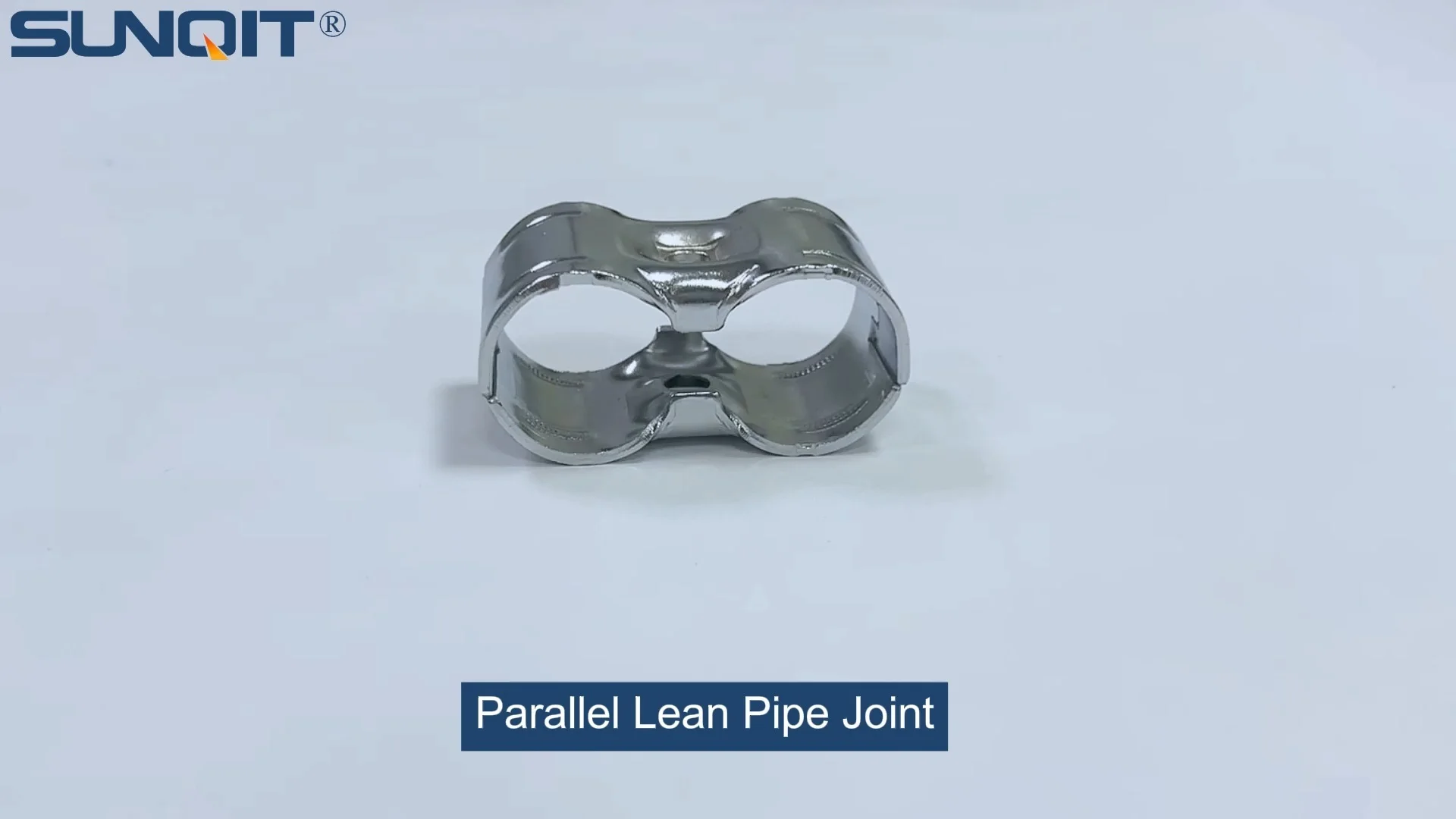
Parallel Lean Pipe Joint Chrome
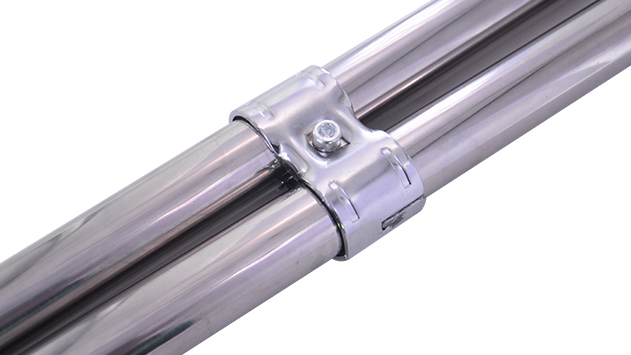
Parallel lean pipe joint used for 2 pcs 28MM lean pipe connection in parallel direction to enhance frame structure, usually for heavy payload requirement for workbench. flow rack, hand trolley.
Walk into any busy manufacturing facility, and you'll notice a quiet hero holding everything together: the unassuming joints that connect pipes, racks, and workbenches. These small components might not grab attention, but they're the backbone of lean production systems—keeping workflows smooth, workers safe, and operations efficient. Among these, the parallel lean pipe joint chrome stands out as a workhorse, valued for its strength, durability, and versatility. But not all joints are created equal. A flimsy joint can turn a reliable workbench into a wobbly hazard, slow down material flow, or even bring production to a halt. So, if you're in the market for these critical components, how do you ensure you're buying quality? Let's dive in.
What Is a Parallel Lean Pipe Joint Chrome, Anyway?
At its core, a parallel lean pipe joint chrome is a specialized connector designed to link lean pipes (hollow tubes used in lean manufacturing systems) into stable, modular structures. Think of it as the "glue" that holds together workbenches, flow racks, turnover trolleys, and material racks. The "parallel" design refers to its ability to connect pipes along a straight, aligned axis, ensuring even weight distribution and structural stability. The "chrome" coating adds a layer of protection: it resists rust, corrosion, and wear, making the joint suitable for tough industrial environments—from damp warehouses to high-traffic assembly lines.
These joints are part of a larger ecosystem of lean pipe and accessories , working alongside aluminum pipes, stainless steel rollers, and casters to build customizable solutions. Unlike rigid, one-size-fits-all structures, lean systems thrive on flexibility—you can reconfigure a workbench or expand a flow rack in hours, not days. And that flexibility starts with the joint: a well-designed parallel lean pipe joint chrome allows for quick assembly, disassembly, and repositioning without compromising strength.
Why Skimping on Quality Is a Costly Mistake
It's tempting to opt for the cheapest joint you can find. After all, how much difference can a small metal connector really make? The answer: a lot. Low-quality joints often cut corners on materials and manufacturing, leading to a cascade of problems:
- Safety risks : A weak joint might buckle under heavy loads, causing tools, materials, or even entire workbenches to collapse. This isn't just a productivity issue—it's a worker safety hazard.
- Constant downtime : Loose or broken joints require frequent repairs. Imagine a flow rack where a joint fails mid-shift: workers have to stop, disassemble the rack, replace the joint, and restart—wasting hours of valuable time.
- Hidden costs : Cheap joints wear out quickly, meaning you'll buy replacements far more often. Over time, those "savings" on the initial purchase vanish, and you'll end up spending more than if you'd invested in quality upfront.
- Poor performance : Wobbly workbenches make precision tasks harder; misaligned flow racks slow down material handling. Workers notice these issues, and morale suffers when equipment feels unreliable.
Consider this real-world example: A electronics manufacturer once bought budget parallel lean pipe joints for their ESD workbenches (designed to prevent static damage to sensitive components). Within months, the joints began to loosen, causing the workbenches to rock. Workers reported eye strain from trying to align tiny parts on unstable surfaces, and static discharge incidents spiked—costing the company thousands in damaged components. After switching to high-quality chrome joints, they saw a 30% drop in errors and a 25% boost in daily output. The lesson? Quality joints aren't an expense—they're an investment in efficiency and reliability.
Key Features to Look for in a High-Quality Joint
So, how do you separate a top-tier parallel lean pipe joint chrome from a subpar one? Here are the critical features to inspect:
| Feature | What to Look For | Why It Matters |
|---|---|---|
| Chrome Coating | Uniform, thick layer (at least 0.01mm); no bubbles, cracks, or discoloration | Prevents rust and corrosion, extending lifespan in humid or messy environments |
| Material Thickness | Base metal (usually steel) with wall thickness ≥1.5mm; joint housing ≥2mm | Thicker materials handle heavier loads (up to 500kg per joint in some cases) |
| Precision Fit | Pipes slide into the joint snugly; no gaps or play when tightened | Eliminates wobbling and ensures structural stability |
| Load Capacity | Clear rating (e.g., "200kg static load"); tested to industry standards | Ensures the joint can handle your specific use case (e.g., heavy tools on a workbench) |
| Compatibility | Fits standard lean pipe sizes (28mm, 30mm) and accessories (e.g., aluminum lean pipe , roller tracks) | Works seamlessly with your existing or planned lean system |
Don't just take the supplier's word for it—ask for samples. A reputable vendor will happily send a few joints so you can test them: Slide a lean pipe into the joint, tighten the screws, and shake it. A quality joint will feel solid, with no movement. Scratch the chrome coating lightly with a key—if it chips easily, it's a red flag. For critical applications (like ESD workstations), check if the joint is ESD-compliant (look for certifications like ANSI/ESD S20.20).

Finding a Reliable Lean Pipe Supplier
Even the best joint design is useless if the manufacturer cuts corners in production. That's why choosing the right lean pipe supplier is just as important as checking the product itself. Here's how to vet potential suppliers:
1. Experience and Reputation : Look for suppliers with 5+ years in the industry. A long track record means they've weathered market changes and refined their processes. Check online reviews (Google, industry forums) for patterns—are customers praising durability, or complaining about inconsistent quality?
2. Quality Control Processes : Ask about their manufacturing standards. Do they test each batch of joints for load capacity and coating adhesion? Do they have ISO 9001 certification (a mark of consistent quality management)? A supplier that can't explain their QC steps is a red flag.
3. Customization Options : Every facility has unique needs. Maybe you need joints with longer screws for thicker pipes, or ESD-safe coatings for electronics manufacturing. A good supplier will offer customization—within reason—to meet your specs.
4. Technical Support : Lean systems can get complex. Does the supplier offer guidance on joint selection, installation, or system design? For example, if you're building a heavy-duty material rack, they should help you calculate how many joints you need and where to place them for optimal weight distribution.
5. Transparent Pricing : Be wary of "too good to be true" prices—they often signal cheap materials or shoddy labor. A reliable supplier will provide detailed quotes, breaking down costs (material, coating, shipping) without hidden fees.
Applications: Where Parallel Lean Pipe Joint Chrome Shines
These joints aren't one-trick ponies—they're versatile enough to power a range of lean systems. Here are some of their most common (and critical) uses:
1. Workbenches
Whether it's a single-deck workbench (without casters) for assembly tasks or a heavy-duty ESD workstation for electronics, parallel lean pipe joint chrome ensures the surface stays flat and stable. Workers can lean on it, clamp tools to it, or stack materials without worrying about flexing or shifting. In automotive plants, for example, these joints support workbenches loaded with power tools and engine parts—often weighing 300kg or more—day in and day out.
2. Flow Racks and Roller Tracks
Flow racks rely on gravity to move materials from loading to picking stations, and their efficiency depends on precise alignment. Parallel joints keep the rack's frame square, ensuring roller tracks (another key component) stay level. This means boxes, bins, or components glide smoothly—no jams, no stuck items, and no workers wasting time pushing stubborn loads.
3. Turnover Trolleys and Material Racks
Trolleys that transport parts between stations need joints that can handle constant movement and vibration. Chrome joints stand up to the jostling, ensuring the trolley doesn't rattle apart mid-route. Similarly, multi-tier material racks (like "Material Rack B (3 row and 3 floor)") use parallel joints to support stacked inventory, preventing shelf sagging even under full loads.
Case Study: How a Supplier Upgrade Transformed a Warehouse
A food packaging warehouse was struggling with their old material handling system. Their flow racks, built with generic steel joints, were prone to bending under the weight of canned goods. Workers had to manually push products down the roller tracks, leading to fatigue and slow order fulfillment. The warehouse manager reached out to a reputable lean pipe supplier specializing in chrome joints. After assessing their needs, the supplier recommended upgrading to parallel lean pipe joint chrome with reinforced housing and precision-machined connections. Within a week of installation, the racks felt sturdier, and products flowed freely—no more pushing required. Workers reported less strain, and order picking speed increased by 18%. "It's like night and day," the manager noted. "We should have invested in quality joints years ago."
Chrome vs. Aluminum vs. Plastic: Choosing the Right Joint Material
Parallel lean pipe joints come in other materials, too—aluminum and plastic, for example. How do they stack up against chrome?
- Chrome : Best for heavy-duty, high-wear environments (warehouses, automotive plants). Offers superior strength, corrosion resistance, and longevity. Ideal for load-bearing structures like workbenches and material racks.
- Aluminum : Lighter and more corrosion-resistant than chrome (though less durable overall). Great for cleanrooms, medical facilities, or applications where weight matters (e.g., mobile trolleys). Pair with aluminum lean pipe for a lightweight, rust-free system.
- Plastic : The most affordable option, but least durable. Suitable for light loads (e.g., small parts bins) or temporary setups. Avoid in high-traffic areas or environments with temperature extremes.
For most industrial settings, chrome is the gold standard. Its balance of strength, durability, and cost makes it the go-to for long-term lean systems.
Final Thoughts: Invest in Joints That Invest in You
At the end of the day, parallel lean pipe joint chrome might not be the most glamorous part of your production line, but it's one of the most critical. It's the difference between a system that hums along smoothly and one that sputters, breaks, and holds your team back. By prioritizing quality—looking for thick chrome coatings, precision fit, and a reputable supplier—you're not just buying a joint. You're buying peace of mind, better productivity, and a safer workplace.
So, when you're ready to buy, take your time. Request samples, ask questions, and don't settle for "good enough." Your workers, your bottom line, and your sanity will thank you.