- Company Articles
- Products and Technology
- Product knowledge
- Parallel Lean Pipe Joint Load Capacity: What Manufacturers Need to Know

Parallel Lean Pipe Joint Load Capacity: What Manufacturers Need to Know
Related Product
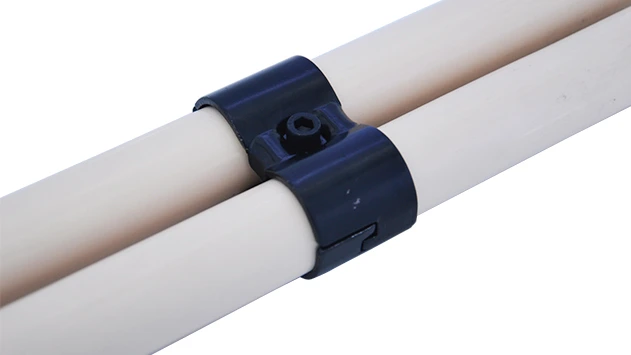
Parallel Lean Pipe Joint
Parallel lean pipe joint used for 2 pcs 28MM lean pipe connection in parallel direction to enhance frame structure, usually for heavy payload requirement for workbench. flow rack, hand trolley.
In the fast-paced world of manufacturing, every component on the production floor plays a silent but critical role. From the conveyor belts moving raw materials to the workbenches where final assembly happens, the stability and reliability of these structures directly impact efficiency, safety, and bottom-line results. Among these unsung heroes are parallel lean pipe joints—small, unassuming connectors that hold together the lean pipes forming everything from material racks to assembly stations. Yet, despite their size, a single joint's failure can bring an entire line to a halt, leading to costly downtime, damaged goods, or even workplace injuries. For manufacturers, understanding the load capacity of parallel lean pipe joints isn't just a technical detail; it's a cornerstone of building resilient, efficient production systems. In this article, we'll dive deep into what parallel lean pipe joint load capacity means, the factors that influence it, how to test it, and why choosing the right lean pipe supplier matters more than you might think.
What Are Parallel Lean Pipe Joints, and Why Do They Matter?
Before we unpack load capacity, let's clarify what parallel lean pipe joints are and where they fit into manufacturing workflows. Lean pipe systems—often called "flexible pipe systems"—are modular structures built using lightweight pipes (typically steel, aluminum, or stainless steel) and connectors. These systems are designed for adaptability: they can be quickly reconfigured to meet changing production needs, making them ideal for lean manufacturing principles like waste reduction and continuous improvement. Parallel lean pipe joints, specifically, are a type of connector designed to join two or more lean pipes in parallel alignment. Unlike fixed-angle joints (which lock pipes at 90° or 45°) or rotating joints (which allow movement), parallel joints keep pipes parallel to each other, forming the horizontal or vertical supports of structures like workbenches, roller tracks, and turnover trolleys.
Imagine a simple assembly workbench: its frame is likely constructed from lean pipes connected by parallel joints. The flat surface where workers place tools, components, and rests on these parallel supports. If the joints holding those supports together can't handle the weight of the surface plus the tools and parts, the bench could sag, wobble, or even collapse. Similarly, consider a roller track used to move heavy bins of parts between stations. The parallel joints along the track's frame must support not just the weight of the track itself but also the dynamic stress of bins sliding over the rollers. In short, parallel lean pipe joints are the glue that holds lean systems together—without strong, reliable joints, the flexibility and efficiency of lean manufacturing become liabilities.
Key Factors Influencing Parallel Lean Pipe Joint Load Capacity
Load capacity refers to the maximum weight a joint can support without deforming, breaking, or failing. For parallel lean pipe joints, this capacity isn't a fixed number; it depends on a mix of material, design, installation, and environmental factors. Let's break down each one:
1. Material: The Foundation of Strength
The material of the joint itself is the first determinant of load capacity. Most parallel lean pipe joints are made from either steel, aluminum, or a combination of metal and high-strength plastic. Steel joints, often coated in chrome or zinc for corrosion resistance, are known for their high tensile strength. A steel parallel joint might handle static loads (weight applied without movement) of 500kg or more, depending on design. Aluminum joints, on the other hand, are lighter and resistant to rust, making them ideal for cleanrooms or food processing environments, but they generally have lower load capacities—typically 200-350kg for static loads. Some manufacturers also offer hybrid joints, with metal cores and plastic exteriors, which balance strength and cost but may sacrifice durability under heavy stress.
It's also important to consider the material of the lean pipes themselves. A high-quality steel joint paired with flimsy, thin-walled aluminum pipes will still fail, as the pipes may bend or crack before the joint does. For maximum load capacity, the joint and pipe materials should be matched: heavy-duty steel joints with thick-walled steel pipes for industrial workbenches, lightweight aluminum joints with aluminum lean pipes for lighter applications like electronics assembly.
2. Design: Geometry and Engineering
Even with the right material, a poorly designed joint will underperform. The geometry of a parallel lean pipe joint—its shape, thickness, and how it distributes stress—plays a huge role in load capacity. Look for joints with reinforced stress points: for example, thicker walls at the connection points where the pipe inserts, or gussets (triangular support pieces) to distribute weight evenly. A joint with a "U" or "C" shape may flex under load, while one with a box-like structure (enclosing the pipe on multiple sides) will be stiffer and stronger.
Another design factor is the clamping mechanism. Most parallel joints use set screws, bolts, or cam locks to secure the pipes. Set screws are common but can loosen over time if not tightened properly, reducing load capacity. Bolted joints, which use nuts and bolts to compress the joint around the pipe, generally provide a more secure grip and higher load capacity, as they create friction over a larger surface area. Cam locks, while quick to assemble, may not hold up under heavy dynamic loads (like the constant movement of a roller track), as the cam can slip under repeated stress.
3. Installation: The Human Factor
Even the best joint will fail if installed incorrectly. Two common installation mistakes manufacturers make are under-tightening and misalignment. Under-tightening a joint leaves gaps between the joint and pipe, allowing the pipe to shift under load and reducing the joint's effective load capacity. Over-tightening, on the other hand, can strip threads, crack the joint, or deform the pipe—weakening both components. Most lean pipe suppliers provide torque specifications for their joints (e.g., "tighten set screws to 15 Nm"); following these guidelines ensures a secure, damage-free fit.
Misalignment is another culprit. If the pipes are not perfectly parallel when the joint is installed, the joint will be under torsion (twisting stress) even before any load is applied. Over time, this torsion weakens the joint, leading to premature failure. Using a level during assembly and ensuring pipes are straight before tightening joints can prevent this issue. It's also important to avoid overloading a single joint: distributing weight across multiple parallel joints (e.g., using two joints instead of one to support a long pipe) reduces stress on each individual connector.
4. Environmental Conditions: When the Workspace Takes a Toll
Manufacturing environments are rarely gentle. Temperature extremes, humidity, chemicals, and even vibration can all degrade joint performance over time. In hot environments (like foundries or plastic molding shops), metal joints may expand, causing set screws to loosen; in cold environments, materials may become brittle, reducing impact resistance. Humid or corrosive environments (such as food processing or marine manufacturing) can cause steel joints to rust, weakening their structural integrity. For these settings, stainless steel pipe series joints or aluminum joints (which resist corrosion) are better choices, even if they have slightly lower load capacities than steel.
Vibration is another hidden enemy. Conveyor systems, heavy machinery, or even foot traffic near lean structures can create constant vibration, which loosens joints over time. In these cases, using lock washers or thread-locking adhesive (like Loctite) on bolted joints can help maintain tightness, preserving load capacity. Regular inspections—checking for loose joints, rust, or cracks—are also critical in high-vibration environments.

Testing Load Capacity: Static vs. Dynamic Loads
To ensure a parallel lean pipe joint meets your needs, you need to understand how load capacity is tested. Manufacturers typically measure two types of load: static and dynamic.
Static load capacity is the maximum weight a joint can support when the load is stationary and applied evenly. This is the most common specification, as it's easy to test: place a weight on the structure and measure how much it can hold before deforming. For example, a workbench used for storing tools would primarily experience static loads, as the tools sit in place for hours at a time.
Dynamic load capacity , by contrast, is the maximum weight a joint can support when the load is moving, changing, or applied suddenly. This is critical for structures like roller tracks (where bins slide along the rollers) or caster wheel-equipped trolleys (which are pushed, pulled, and stopped repeatedly). Dynamic loads are harder to test, as they involve simulating movement—for example, rolling a weighted trolley over a bumpy surface to see if the joints hold.
Most lean pipe suppliers provide static load capacity ratings, but dynamic load ratings are often missing or vague. If your application involves moving loads, ask the supplier for dynamic load test data, or conduct your own tests: load a trolley with the maximum expected weight, move it back and forth along a track 1,000 times, and inspect the joints for signs of wear or loosening. A joint that passes a static load test may still fail under dynamic stress, so don't skip this step.
| Joint Type | Material | Static Load Capacity (kg) | Dynamic Load Capacity (kg) | Best For |
|---|---|---|---|---|
| Heavy-Duty Steel Parallel Joint | Carbon Steel (Chrome-Plated) | 500-700 | 300-450 | Industrial Workbenches, Material Racks |
| Lightweight Aluminum Parallel Joint | Aluminum Alloy | 200-350 | 100-200 | Electronics Assembly Lines, Cleanrooms |
| Hybrid (Metal-Plastic) Parallel Joint | Steel Core + ABS Plastic | 150-250 | 80-150 | Low-Cost, Light-Use Structures (e.g., Storage Shelves) |
| Stainless Steel Parallel Joint | 304 Stainless Steel | 400-600 | 250-400 | Food Processing, Marine, Corrosive Environments |

Real-World Applications: When Load Capacity Matters Most
To put this in perspective, let's look at three common manufacturing applications where parallel lean pipe joint load capacity is make-or-break: workbenches, roller tracks, and caster wheel trolleys.
Workbenches: The Heart of Assembly Lines
Workbenches are where the magic happens—where workers assemble products, inspect components, and store tools. A typical assembly workbench might hold 50kg of tools (screwdrivers, drills, torque wrenches), 100kg of in-process components, and support a worker leaning on it (another 80kg). That's 230kg of static load, not counting occasional impacts (like dropping a tool). For this, a heavy-duty steel parallel joint with a static load capacity of 500kg or more is a must. Using a lightweight aluminum joint here would be risky: over time, the joint could bend, causing the workbench to sag, and tools might slide off, leading to injuries or damaged parts.
Worse, many manufacturers undercount the load: they forget to include the weight of the workbench surface itself (which can be 30-50kg for a wooden or metal top) or the dynamic load of workers leaning, pushing, or pulling on the bench. A joint with a 200kg static load rating might seem sufficient for the tools and components, but add the bench top and a worker leaning on the edge, and you're already over the limit.
Roller Tracks: Keeping Materials Flowing
Roller tracks are used to move materials between stations—for example, sliding bins of parts from a storage area to an assembly line. These tracks rely on parallel lean pipe joints to support the roller rails and the weight of the bins. A single bin might weigh 40kg, and a track could have 5-10 bins on it at once, totaling 200-400kg. Add the dynamic stress of bins sliding over the rollers (which creates friction and sudden jolts when bins hit stops), and the joints need high dynamic load capacity.
A common mistake here is using low-cost plastic joints. While plastic joints are cheap and lightweight, they can melt in hot environments or crack under repeated dynamic stress. For roller tracks, stick with steel or stainless steel parallel joints with dynamic load capacities of at least 300kg. Also, ensure the joints are spaced closely enough: joints placed too far apart will cause the roller rail to sag, leading to jams and increased wear on the joints.
Caster Wheel Trolleys: Mobility with Muscle
Trolleys with caster wheels are essential for moving heavy loads around the factory floor—think pallets of raw materials or finished products. The parallel lean pipe joints connecting the caster wheels to the trolley frame must handle not just the static load of the materials but also the dynamic loads of acceleration, deceleration, and turning. When a trolley is pushed, the front caster wheels bear more weight; when it's stopped suddenly, the rear joints absorb the impact.
For a trolley carrying 500kg of materials, the joints attaching the caster wheels to the frame need a dynamic load capacity of at least 300kg each (since the load is distributed across 4 wheels, but unevenly during movement). Using joints with lower capacity can cause the trolley to wobble, making it hard to push, or even lead to the caster wheel breaking off entirely—risking injury to workers and damage to goods.
Common Mistakes Manufacturers Make with Parallel Lean Pipe Joints
Understanding load capacity is one thing, but avoiding common pitfalls is another. Here are three mistakes to watch out for:
1. Underestimating Load Requirements : As we saw with workbenches and roller tracks, manufacturers often forget to account for all sources of load—including the structure itself, dynamic stress, and unexpected impacts. Always calculate the maximum possible load, then add a 20-30% safety margin. If the expected load is 300kg, choose a joint with a static load capacity of at least 360-390kg.
2. Sacrificing Quality for Cost : It's tempting to buy cheap parallel lean pipe joints from low-cost suppliers, especially when ordering in bulk. But these joints often cut corners: thinner steel, weaker alloys, or poor manufacturing tolerances. A $2 joint might seem like a deal compared to a $5 joint, but if it fails and causes $10,000 in downtime, the "savings" vanish. Always prioritize quality over cost, and choose a reputable lean pipe supplier with a track record of testing and reliability.
3. Ignoring Maintenance : Even the best joints loosen over time, especially under dynamic loads. Failing to inspect and retighten joints regularly can reduce load capacity by 30% or more within months. Set up a maintenance schedule: check joints weekly for tightness, rust, or cracks, and replace any damaged joints immediately. A little preventive maintenance goes a long way in preserving load capacity.
Choosing the Right Lean Pipe Supplier: More Than Just a Vendor
Your lean pipe supplier isn't just a source of parts—they're a partner in building safe, efficient production systems. When evaluating suppliers, look for these key traits:
Testing and Certification : Reputable suppliers will provide load capacity test reports for their joints, including both static and dynamic load data. Ask to see ISO or industry-specific certifications, which ensure the joints meet quality standards. Avoid suppliers who can't or won't share test data—this is a red flag for poor quality.
Technical Support : A good supplier will help you choose the right joint for your application, not just sell you the most expensive option. They should ask about your load requirements, environment, and usage (static vs. dynamic) and recommend joints, pipes, and accessories that match. For example, if you're building a roller track in a humid warehouse, they should suggest stainless steel joints and corrosion-resistant roller track accessories.
Consistency : Inconsistent manufacturing can lead to joints with varying load capacities, even within the same batch. Choose a supplier with strict quality control processes, like automated machining and inspection, to ensure every joint meets the same specifications.
Customization : If your application has unique load requirements (e.g., extremely high static loads or specialized environmental conditions), look for a supplier who offers custom joints. While more expensive, custom joints can be engineered to meet your exact needs, ensuring maximum load capacity and reliability.
Conclusion: Load Capacity as a Foundation for Success
Parallel lean pipe joints may be small, but their impact on manufacturing operations is huge. Understanding their load capacity—what it means, what influences it, and how to test it—is essential for building structures that are safe, efficient, and resilient. By choosing the right materials, prioritizing good design, installing joints correctly, and partnering with a reliable lean pipe supplier, manufacturers can avoid costly failures and keep their production lines running smoothly.
Remember: load capacity isn't just a number on a spec sheet. It's a promise that your workbenches won't sag, your roller tracks won't jam, and your trolleys won't collapse. It's the foundation of lean manufacturing—allowing you to reduce waste, improve efficiency, and focus on what matters most: making great products. So the next time you order lean pipe joints, take a moment to think about load capacity. Your production line (and your bottom line) will thank you.